
Tile Roof Repair in North Miami: A Complete Guide for South Florida Homeowners
You hear it during the first real rain of the season: a faint drip somewhere in the ceiling, or you spot a cracked S-tile on the slope above the lanai. In North Miami, that moment is familiar to thousands of homeowners whose clay and concrete tile roofs face one of the most demanding climates in the country. This guide covers everything you need to know about tile roof repair in North Miami, from diagnosing common problems to knowing exactly when to call a licensed roofing contractor.
Why Tile Roofs Dominate North Miami Neighborhoods
Drive through Keystone Point, Biscayne Park, or the streets surrounding NE 125th and you will see the same profile repeated on nearly every home: the curved ridgeline of clay or concrete tile. Tile became the default roofing material in South Florida for practical reasons. It handles intense UV radiation far better than asphalt shingles, allows airflow underneath that reduces attic heat gain, and holds up against the wind loads written into the Florida Building Code after Hurricane Andrew reshaped construction standards across Miami-Dade County.
That said, tile is not indestructible. The tiles themselves rarely fail, but the system around them, including the underlayment, ridge caps, mortar, flashing, and fasteners, degrades over time under South Florida conditions. Understanding which part of the system is failing is the first step toward an effective repair.
Common Tile Roof Problems in the North Miami Area
Most repair calls in North Miami trace back to a handful of recurring issues. Recognizing them early can prevent a minor fix from becoming a full replacement.
Cracked or Broken Tiles
Foot traffic during HVAC or satellite dish service is the leading cause of cracked tiles. A tile that looks intact from the ground may have a hairline fracture that channels water directly to the underlayment below. Individual tile replacement is straightforward when matching material is available, but color and profile matching on older concrete tile can be a challenge, since manufacturers discontinue runs and sun exposure changes the surface tone over years.
Deteriorated Underlayment
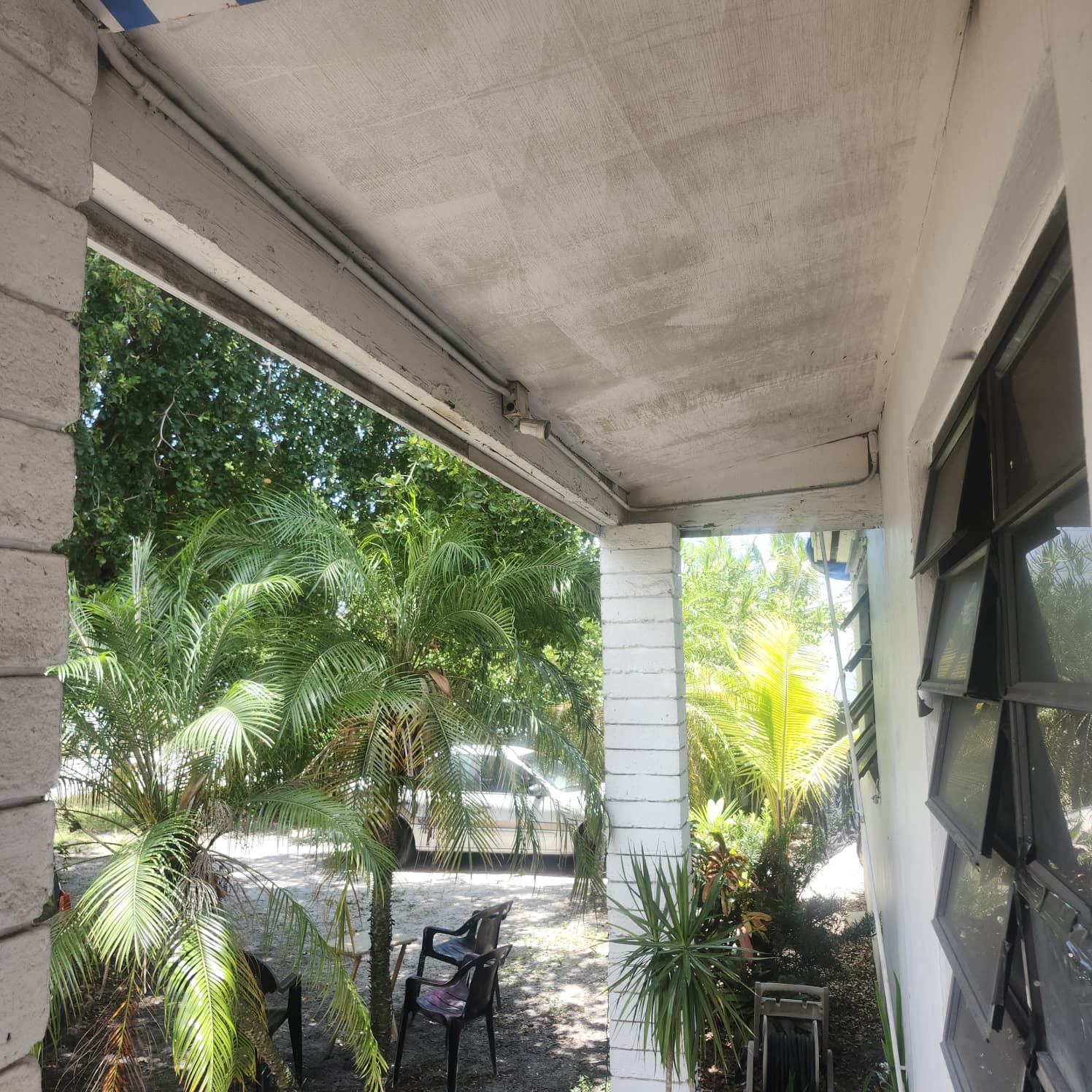
The tiles protect the underlayment; the underlayment protects the deck. Felt-based underlayment installed before the early 2000s typically carries a 20-to-25-year service life under South Florida sun and humidity. Once it degrades, even a small gap between tiles becomes a leak path. Homeowners often notice staining on interior ceilings or soffit discoloration before they ever spot a problem on the roof surface. If you are seeing those interior signs, a professional inspection is the right next step. Learn more about the warning signs of a leaking tile roof before the damage spreads.
Failed Ridge Cap Mortar
Ridge and hip caps in North Miami are typically set in mortar. That mortar expands and contracts with the dramatic temperature swings between a January cold front and a July afternoon, and it eventually cracks. Once the mortar fails, ridge caps can shift or lift entirely, leaving an open channel for wind-driven rain. This is one of the most common sources of a leaking tile roof fix that homeowners delay too long.
Flashing Failures Around Penetrations
Skylights, plumbing vents, and HVAC curbs all require metal flashing to transition from the tile field to the penetration. Salt air accelerates corrosion on galvanized flashing, and the sealants used at those joints degrade under UV exposure. Flashing failures often produce leaks that appear far from the actual entry point because water travels along the deck before finding a low spot.
Clogged or Damaged Gutters at the Eave
North Miami's rainy season delivers intense rainfall in short bursts. When gutters are clogged or improperly pitched, water backs up at the eave and can wick under the first course of tiles. Pairing a gutter inspection with any tile roof maintenance visit is a practical step that many homeowners overlook.
If you want it handled correctly the first time, consider professional roof repair in North Miami.
North Miami's Climate and Housing Stock: What Makes Repairs Here Different
North Miami sits in HVAC Zone 1, the hottest and most humid classification in the United States. Roof surfaces regularly exceed 160 degrees Fahrenheit during summer afternoons, which accelerates the breakdown of sealants, mortar, and underlayment faster than in almost any other part of the country. The Atlantic hurricane season runs from June through November, and Miami-Dade County's High-Velocity Hurricane Zone (HVHZ) designation means that roofing products and installation methods must meet some of the strictest standards in North America.
The housing stock adds another layer of complexity. A significant portion of North Miami's tile-roofed homes were built between the 1960s and the 1990s, many with original underlayment that is well past its service life. Homes in that age range often have tile profiles that are no longer in production, making exact-match replacement a sourcing challenge. Permits are required for most structural roofing work in Miami-Dade County, and inspections are mandatory, so any contractor working on your home should be pulling the appropriate permits and familiar with local building department requirements. Requirements vary by scope of work, so confirm specifics with your contractor and the Miami-Dade County Building Department.
Salt air from Biscayne Bay also affects fasteners and metal components faster than in inland Florida markets. Stainless steel or hot-dipped galvanized fasteners are the standard for HVHZ work, and any repair that involves re-nailing or re-fastening tile should use corrosion-resistant hardware.
Clay Tile vs. Concrete Tile: Does the Repair Approach Differ?
Both materials appear throughout North Miami neighborhoods, and the repair logic overlaps significantly. The differences matter most when sourcing replacement tiles and handling the material during the repair.
| Factor | Clay Tile | Concrete Tile |
|---|---|---|
| Weight per square | Heavier (varies by profile) | Moderately heavy; varies by thickness |
| Color stability | Fired color is permanent | Surface coating fades over time |
| Brittleness | More brittle; breaks under point load | Slightly more impact-tolerant |
| Matching discontinued profiles | Challenging; many profiles discontinued | Challenging; color match harder as tile ages |
| Underlayment access | Tiles must be lifted carefully | Same process; heavier to handle |
| Typical repair scope | Individual tile swap, re-mortar ridge | Individual tile swap, re-mortar ridge, recoat if needed |
| HVHZ fastening requirement | Yes, per FBC | Yes, per FBC |
For a deeper look at how concrete tile systems work and what affects their longevity in Miami's climate, see our overview of concrete tile roofing in Miami.
When to Repair vs. When to Consider Replacement
The tiles on a well-maintained clay or concrete roof can last 50 years or more. The underlayment beneath them typically does not. When a roofer lifts tiles during an inspection and finds the underlayment is brittle, crumbling, or has multiple areas of failure, patching individual sections becomes less cost-effective than a full underlayment replacement with the existing tiles relaid. That is a different scope than a simple tile roof repair, though it is far less disruptive than full replacement when the tile itself is structurally sound.
Many North Miami homeowners rely on expert roof repair in North Miami for exactly this.
Signs that point toward repair rather than replacement include isolated cracked or missing tiles, localized mortar failure at the ridge, a single flashing leak with an otherwise sound underlayment, and a roof that is fewer than 15 to 20 years old. Signs that lean toward a broader conversation about replacement include widespread underlayment failure, deck rot in multiple areas, tiles that are no longer available and cannot be matched, or storm damage across a significant portion of the field.
If you have already noticed interior water staining or soft spots on the ceiling, the time to act is before the next rainy season. A professional roof inspection gives you a clear picture of what you are actually dealing with. PSR Roofing offers thorough inspections for North Miami homeowners who want answers before committing to any scope of work. Schedule a tile roof inspection to get a documented assessment of your system's condition.
What a Professional Tile Roof Repair Involves
A qualified roofing contractor working in North Miami will follow a process that goes beyond simply swapping a broken tile. Here is what a thorough repair engagement typically looks like:
Roof inspection and documentation: The contractor walks the field, checks the ridge and hips, inspects visible flashings, and documents findings with photos. This step identifies whether the problem is isolated or part of a broader pattern.
Tile removal in the affected area: Tiles are carefully removed and set aside for reinstallation where possible. Broken tiles are catalogued so matching material can be sourced.
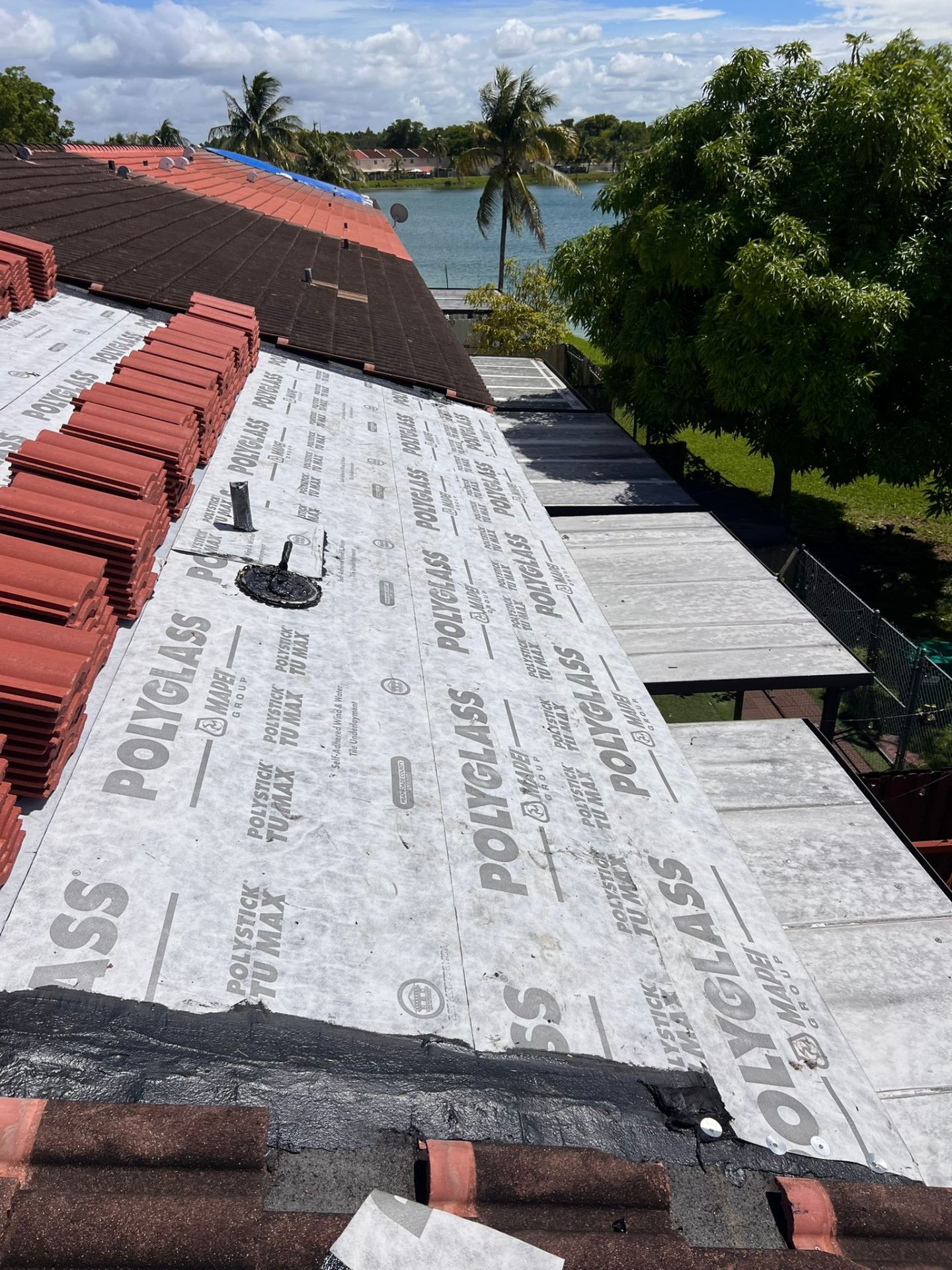
Underlayment assessment and repair: The exposed underlayment is inspected. Damaged sections are replaced with a product that meets Miami-Dade County's HVHZ requirements. The deck is checked for soft spots or rot.
Flashing repair or replacement: Any compromised flashing at penetrations or walls is replaced with corrosion-resistant metal and properly integrated with the underlayment.
Tile reinstallation and re-mortaring: Existing tiles in good condition are relaid. Replacement tiles are installed where needed. Ridge and hip caps are re-mortared using a product appropriate for South Florida's expansion and contraction cycles.
Final inspection and permit closeout: If a permit was required, the work is inspected by the local building department before the permit is closed.
Homeowners sometimes ask whether they can handle minor tile replacement themselves. Replacing a single cracked tile is technically simple, but walking on a tile roof without knowing the safe load paths causes more cracked tiles. More importantly, if the underlayment beneath that tile is compromised, replacing the tile alone does not solve the leak. A professional assessment first almost always saves money in the long run.
Tile Roof Maintenance That Extends Repair Intervals
Consistent maintenance is the most reliable way to push back the timeline on costly repairs. For North Miami homeowners, a practical maintenance rhythm includes:
Annual or biannual professional inspections, ideally before and after hurricane season.
Keeping gutters and downspouts clear, particularly after the summer storm season drops debris on the roof field.
Trimming overhanging trees that deposit organic material on the tile surface, which retains moisture and accelerates algae and lichen growth.
Addressing any cracked or displaced tiles promptly rather than waiting for an annual visit.
Cleaning roof tiles periodically to remove algae and debris buildup, which can trap moisture against the surface. For guidance on safe cleaning methods, see our article on how to clean roof tiles in Miami.
Homeowners who are also curious about what to budget for upcoming repair work can review what typically drives costs in the South Florida market. Our breakdown of tile roof repair costs in Miami covers the factors that affect pricing without any guesswork.
Ready for the next step? Learn how roof repair services in North Miami can help and reach out to the team.
Frequently Asked Questions
How do I know if a cracked tile is causing my leak?
Not every cracked tile causes an immediate leak, because the underlayment below it serves as a secondary barrier. However, if the underlayment is aged or already compromised, even a small crack becomes a direct water path. The only reliable way to confirm the source is a professional inspection that includes lifting tiles in the suspect area to examine the underlayment beneath.
Does a tile roof repair in North Miami require a permit?
Permit requirements in Miami-Dade County depend on the scope of the work. Minor repairs such as replacing a few tiles may not require a permit, while work involving underlayment replacement or structural deck repair typically does. Requirements vary, so your contractor should clarify what applies to your specific project and pull the appropriate permits. Never accept a proposal that skips permitting on work that legally requires it.
Can broken tiles be repaired, or do they always need replacement?
In most cases, a cracked or broken tile should be replaced rather than patched, because adhesive repairs rarely hold through South Florida's thermal cycling and wind events. The good news is that individual tile replacement is a relatively contained repair when matching material is available, and it is far less disruptive than it sounds when done by an experienced crew.
How long does tile roof repair take?
A straightforward repair, such as replacing a handful of tiles and re-mortaring a ridge section, is typically completed in a single day. Larger repairs involving underlayment replacement across multiple squares may take two to four days depending on the area. Permit inspection scheduling can add time to the overall timeline in some cases.
What is the lifespan of a repaired tile roof in South Florida?
When the repair addresses the actual failure point, including the underlayment if it is compromised, a repaired tile roof can continue performing well for many years. The tile itself rarely limits the roof's life in this climate. The underlayment, flashing, and mortar are the components that require periodic attention, which is why regular inspections are the most reliable way to extend the system's service life.
Should I repair my tile roof before hurricane season?
Yes. Addressing known issues before June significantly reduces the risk of storm-related water intrusion. A displaced ridge cap or a cracked tile that is manageable in dry conditions can become a serious leak during a tropical system. Pre-season inspections and any needed repairs are among the most practical steps a North Miami homeowner can take each spring.
Get a Professional Assessment for Your North Miami Tile Roof
A tile roof is one of the most durable systems available in South Florida, but it performs that way only when the full system, tiles, underlayment, flashing, mortar, and gutters, is maintained and repaired correctly. PSR Roofing Company of Miami works with North Miami homeowners to diagnose problems accurately, source matching materials where possible, and complete repairs that meet Miami-Dade County's HVHZ standards.
If you have noticed a leak, spotted cracked tiles, or simply have not had a professional look at your roof in several years, the right move is a documented inspection before the next storm season arrives. Contact PSR Roofing for a free tile roof estimate and get a clear picture of what your roof actually needs.
Explore this guide
- In this guideWhy Are Your North Miami Roof Tiles Cracking?›
- In this guide5 Signs of a Leaking Tile Roof in North Miami›
- In this guideClay vs Concrete Roof Tiles for North Miami Homes›
- In this guideClay Tile Roof Repair Cost Factors in North Miami›
- In this guideHow to Clean & Maintain Roof Tiles in North Miami›
Need help with Roof Repair?
PSR Roofing is Miami's licensed & insured expert for roof repair. Free estimates, honest pricing, and 24/7 emergency response.