
Roof Certification vs. Home Appraisal in North Miami: A Step-by-Step Guide
You just noticed the letter from your insurance carrier sitting on the kitchen counter, asking for a roof certification before they renew your policy. It is not the same document your mortgage lender ordered last year, and it is definitely not the general home appraisal your real estate agent mentioned. If you own property in North Miami and have ever mixed these terms up, you are not alone. The distinctions matter because insurers, lenders, and buyers each want something different, and handing over the wrong document can delay closings, spike premiums, or even trigger a coverage gap during hurricane season.
This guide walks you through exactly what a roof certification is, how it differs from a home appraisal, and the concrete steps involved in getting one in North Miami. For a deeper look at what a licensed inspector examines on your roof before storm season arrives, see our complete North Miami roof inspection guide.
Before You Start: What You Will Need
Your current homeowner's insurance policy or renewal notice (to confirm what the insurer is actually requesting).
Any previous inspection reports, permits, or receipts for roof work done in the past five years.
The age of your roof and the material type (tile, flat membrane, shingle, metal) if you know it.
Clear attic access, if applicable, so an inspector can check decking and underlayment from below.
A contact at your insurance agency who can confirm the specific form or certification standard they accept.
Step 1: Understand What a Home Appraisal Actually Covers
A home appraisal is a market-value opinion prepared by a licensed real estate appraiser. The appraiser walks the property, notes the roof's general condition and approximate age, and factors that into the overall value of the home compared with recent comparable sales in North Miami. The roof gets a line item, but the appraiser is not a roofing contractor and is not certifying that the roof will hold up through the next named storm. Lenders order appraisals to confirm the collateral behind a mortgage, not to assess structural integrity. If the appraiser notes obvious damage, they may flag it, but a clean appraisal does not mean your roof meets current Florida Building Code wind-resistance standards or satisfies your insurer's underwriting criteria.
Step 2: Understand What a Roof Certification Actually Is
A roof certification is a written statement from a licensed roofing contractor or inspector confirming that a specific roof has been physically examined and is expected to remain serviceable for a defined period, typically three to five years, depending on the insurer's requirements. In South Florida, many carriers require a certification on roofs that are approaching a certain age threshold before they will renew or issue a new policy. The certification documents the roof's material, installation method, estimated remaining useful life, and any deficiencies found. It is a technical document, not a valuation. Think of it as a fitness report for the roof itself, separate from what the home is worth on the open market.
For homeowners dealing with flat or low-slope roofs, which are common on older North Miami properties, the inspection criteria differ from pitched tile or shingle systems. The flat roof maintenance guide covers the specific checkpoints that apply to membrane and built-up systems in this area.
Step 3: Confirm What Your Insurer or Lender Is Requesting
Before scheduling anything, call your insurance agent and ask them to specify the exact document they need. Some carriers in the Miami-Dade market accept a standard four-point inspection (which covers roof, HVAC, plumbing, and electrical) in lieu of a standalone roof certification. Others require a dedicated roofing contractor's letter on company letterhead. A few require the Florida OIR-B1-1802 wind mitigation form, which documents hurricane-resistant features like roof covering type, roof deck attachment method, and opening protection. These are distinct documents with different scopes, and ordering the wrong one wastes time and money. Getting clarity upfront takes one phone call and saves a significant amount of back-and-forth later.
Step 4: Schedule a Dedicated Roof Inspection with a Licensed Contractor
If you want it handled correctly the first time, consider professional roof inspection in North Miami.
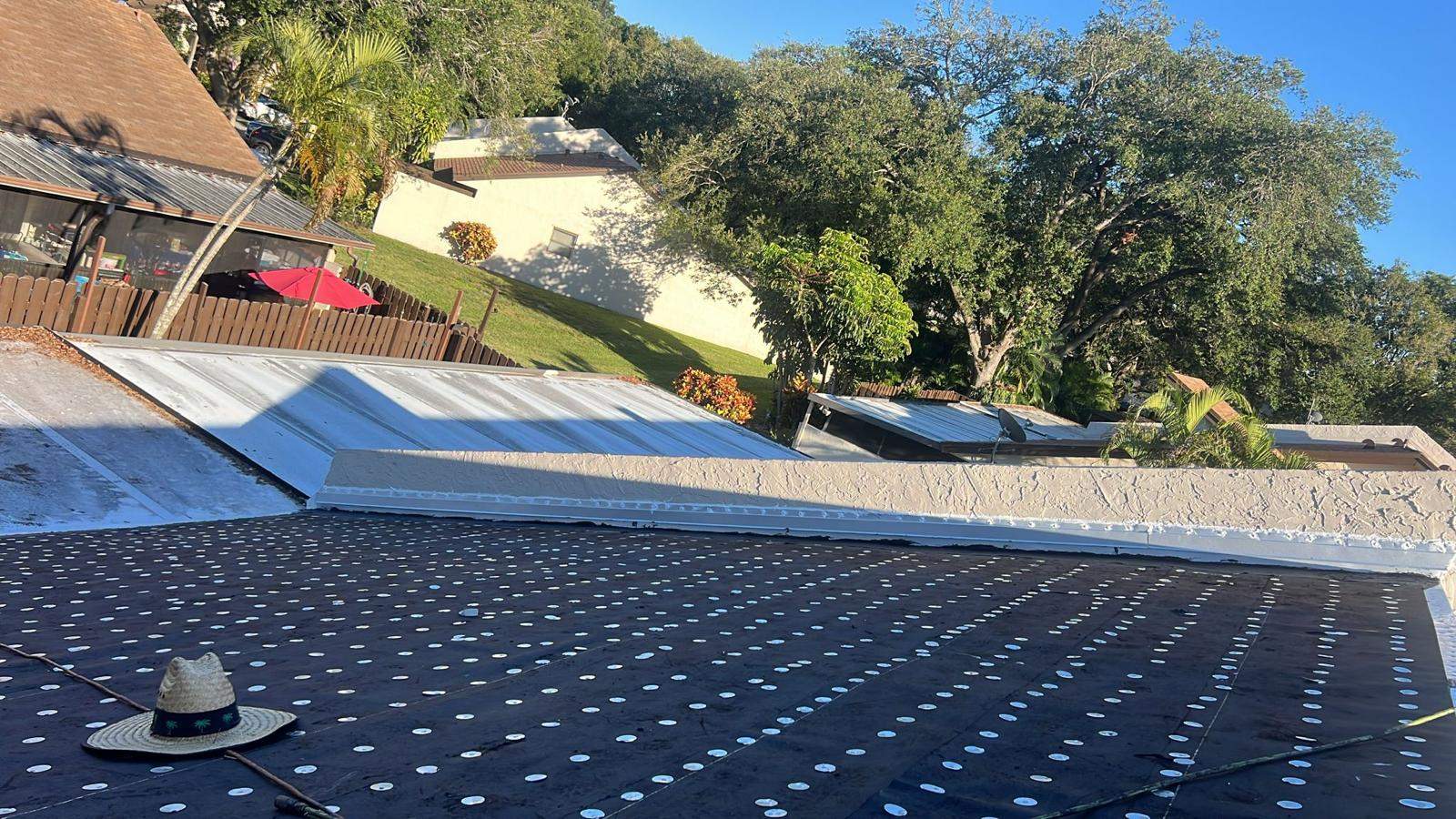
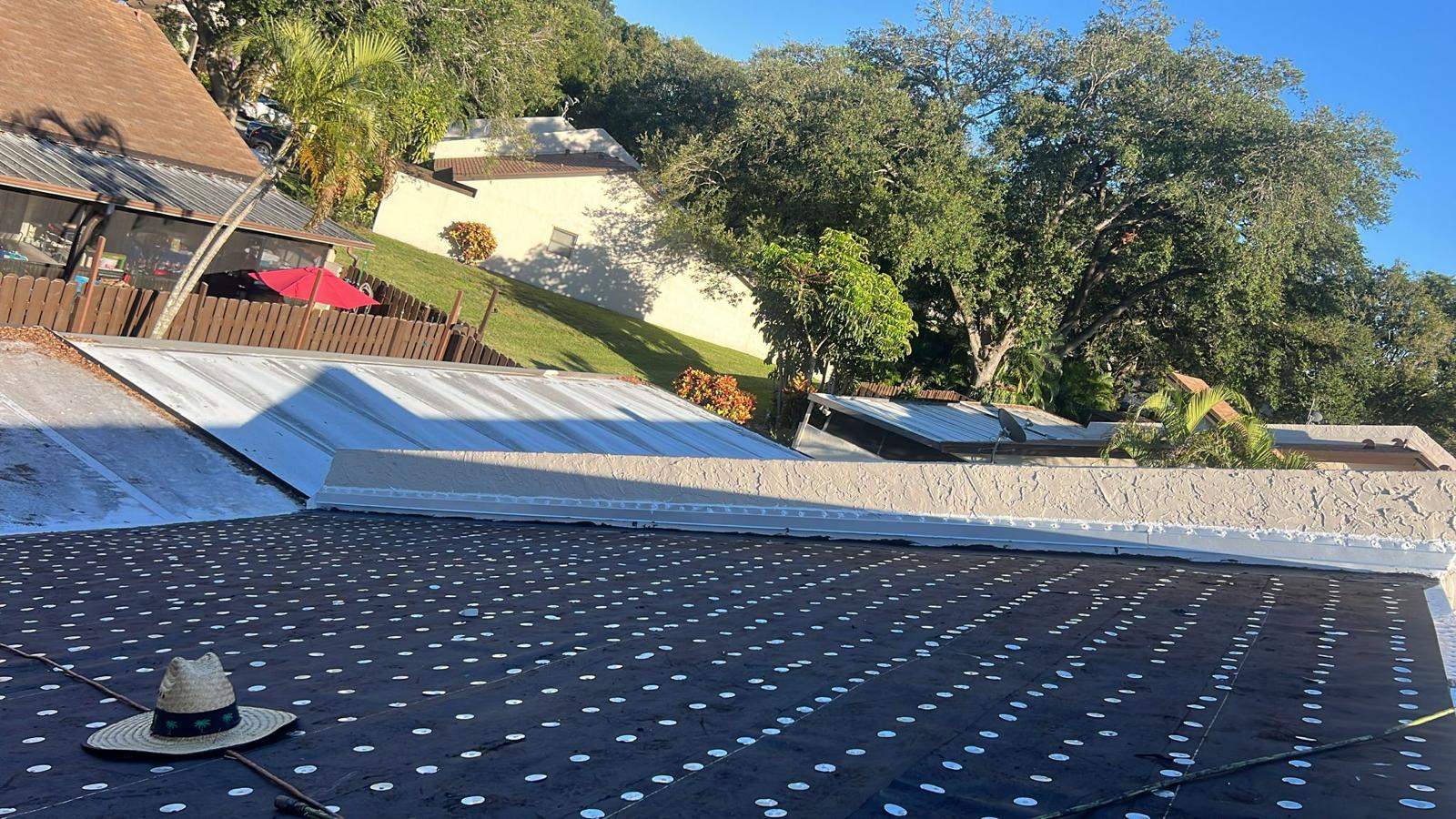
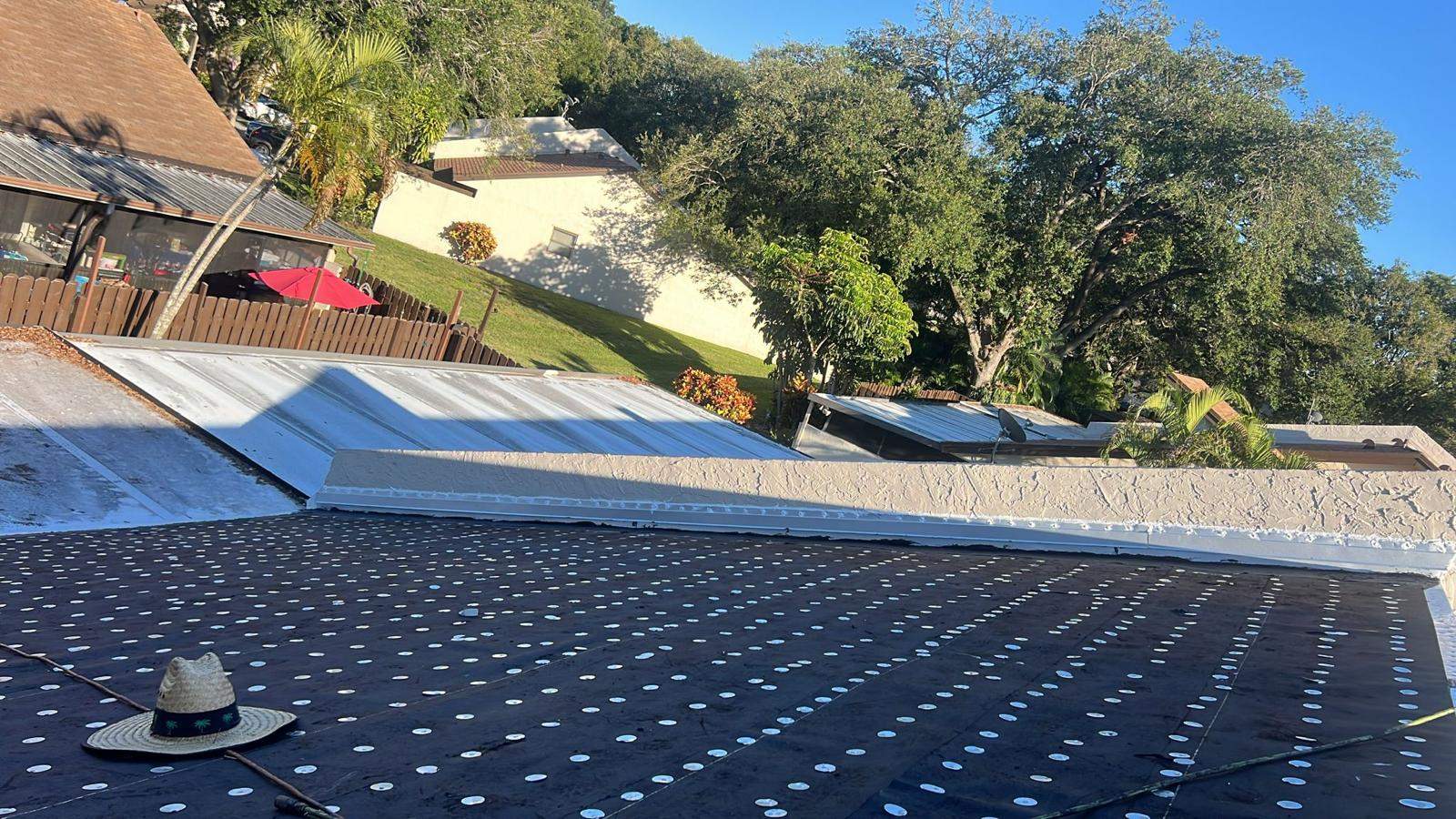
Once you know what is needed, schedule the physical inspection. A licensed roofing contractor in North Miami will examine the roof surface, flashings, penetrations, gutters, fascia, and soffit. They will also check the attic space for signs of moisture intrusion, decking deterioration, or inadequate ventilation. In North Miami's climate, where afternoon thunderstorms are frequent from late spring through fall and tropical systems can arrive with little notice, inspectors pay particular attention to the condition of ridge caps, valley flashings, and any areas where different roof planes meet, because those are the points most likely to allow water entry under wind-driven rain conditions.
The North Miami roof inspection checklist details every element a qualified inspector should document, which is useful to review before your appointment so you know what questions to ask.
Step 5: Review the Inspector's Findings Before Signing Off
After the physical inspection, the contractor will provide a written report or certification letter. Read it carefully before it goes to your insurer. Confirm that it includes the roof's material type, approximate installation date, current condition rating, estimated remaining service life, and any deficiencies noted. If deficiencies are listed, the report should distinguish between items that are cosmetic and items that affect structural integrity or water resistance. Minor issues like a few cracked tiles or a small flashing gap may be noted but not necessarily disqualifying, depending on your carrier. Significant issues, such as deteriorated decking or failed membrane seams, will likely need to be addressed before a certification can be issued.
Step 6: Address Any Deficiencies Found During the Inspection
If the inspection turns up repairs that must be completed before the certification can be finalized, work with the same contractor or a qualified roofing company to complete that work. In North Miami, common repair items on older homes include re-nailing roof decking to meet the current Miami-Dade wind-load attachment requirements, resealing or replacing deteriorated pipe boot flashings, and patching areas of flat roof membrane that have lost adhesion or developed blisters. Completing repairs through a contractor who is already familiar with your roof's condition is generally more efficient than starting fresh with a new crew. Once repairs are done, a follow-up inspection confirms the work and allows the certification to be issued.
If the inspection reveals storm-related damage you had not noticed, the wind damage identification guide can help you understand what those findings mean and what documentation is typically needed for an insurance claim.
Step 7: Obtain and Submit the Completed Certification
Once all required repairs are complete and the inspector has re-examined the roof, the contractor issues the final certification document. Submit it to your insurer promptly, along with any photos or supplemental documentation they request. Keep a copy for your own records, including any permits pulled for the repair work. In Miami-Dade County, certain roofing repairs above a defined scope require a permit and inspection by the county building department, and having that documentation on file protects you if questions arise during a future sale or claim. Requirements vary by scope and municipality, so confirm permit requirements with your contractor before work begins.
Step 8: Understand How the Wind Mitigation Form Fits In
The wind mitigation inspection is a separate but closely related document that North Miami homeowners often encounter alongside a roof certification. It is completed on the Florida OIR-B1-1802 form and documents specific construction features that reduce hurricane damage risk. These include the type of roof covering, how the decking is fastened to the rafters, the shape of the roof (hip roofs typically perform better under high winds than gable roofs), and whether the home has secondary water resistance protection under the roof covering. Insurers use this form to calculate wind mitigation discounts on homeowner's premiums. A roof that qualifies for strong wind mitigation credits can meaningfully reduce what you pay each year, so it is worth asking your contractor to complete this form at the same time as the certification inspection if your insurer accepts it.
Step 9: Plan for the Certification's Expiration
Many North Miami homeowners rely on expert roof inspection in North Miami for exactly this.
Roof certifications are not permanent. Most are issued for a three-to-five-year window, after which your insurer will request an updated one. Build a simple reminder into your calendar so you are not scrambling when the next renewal notice arrives. Routine roof maintenance between certifications, such as clearing debris from valleys and gutters, trimming overhanging branches, and checking flashings after significant storms, helps ensure the roof stays in certifiable condition. The factors that affect inspection pricing article explains what drives the scope and complexity of these visits, which is useful context when budgeting for ongoing maintenance.
When to Call a Professional in North Miami
Some parts of this process are genuinely DIY-friendly, like gathering your paperwork, calling your insurance agent, and clearing the attic access hatch before an inspector arrives. But the inspection and certification itself must be performed by a licensed roofing contractor. Florida law requires roofing contractors to hold a state license, and many insurers will reject certifications that are not signed by a licensed professional. In North Miami specifically, where roofs face a combination of intense UV exposure, high humidity, salt air from Biscayne Bay and the Atlantic coast, and the annual threat of tropical storm activity, having a contractor who knows local conditions and current Miami-Dade code requirements is not optional. If you are unsure whether your roof is in certifiable condition or want to get ahead of storm season before an insurer asks, PSR Roofing Company of Miami offers professional roof inspection services to assess your roof's current condition and provide the documentation your carrier needs.
Frequently Asked Questions
Can a home appraisal substitute for a roof certification when my insurer asks for one?
Generally, no. A home appraisal reflects market value and includes only a general observation of the roof's apparent condition. An insurer requesting a roof certification wants a technical assessment from a licensed roofing professional confirming the roof's structural integrity and estimated remaining life, which an appraiser is not qualified to provide.
How long does a roof certification inspection take in North Miami?
For a typical single-family home, the physical inspection usually takes between one and two hours, depending on roof size, accessibility, and complexity. If the attic needs to be checked or if the inspector identifies areas requiring closer examination, it may run longer. The written report or certification letter typically follows within a few business days.
Do I need a roof certification to sell my home in North Miami?
It depends on the buyer's lender and insurer. Some lenders require a four-point inspection as a condition of financing, which includes the roof. If the buyer's insurer has concerns about roof age or condition, they may require a certification before binding coverage. It is common in the Miami-Dade market for sellers to obtain a roof inspection proactively to avoid delays during the closing process.
What happens if my roof fails the certification inspection?
The inspector will document the specific deficiencies found. In most cases, completing the required repairs and scheduling a follow-up inspection allows the certification to be issued. If the roof is at or near the end of its useful life, a full replacement may be the more practical path, particularly if the repair scope is extensive.
Is a wind mitigation inspection the same as a roof certification?
No, though both involve a physical roof inspection. A wind mitigation inspection documents specific construction features on the Florida OIR-B1-1802 form for the purpose of calculating insurance premium discounts. A roof certification confirms the roof's condition and remaining service life. Many homeowners request both at the same visit since the physical access requirements overlap significantly.
Putting It Together
Getting a roof certification in North Miami does not have to be complicated, but it does require knowing exactly what your insurer is asking for, working with a licensed contractor who understands local code and climate conditions, and addressing any deficiencies before the paperwork is finalized. The process is distinct from a home appraisal in both purpose and scope, and confusing the two can create real delays when policy renewals or property transactions are on the line. If you want a clear picture of your roof's current condition and the documentation to back it up, reach out to PSR Roofing Company of Miami to schedule an inspection before the next storm season puts your roof to the test.
Continue reading
Need help with Roof Inspection?
PSR Roofing is Miami's licensed & insured expert for roof inspection. Free estimates, honest pricing, and 24/7 emergency response.