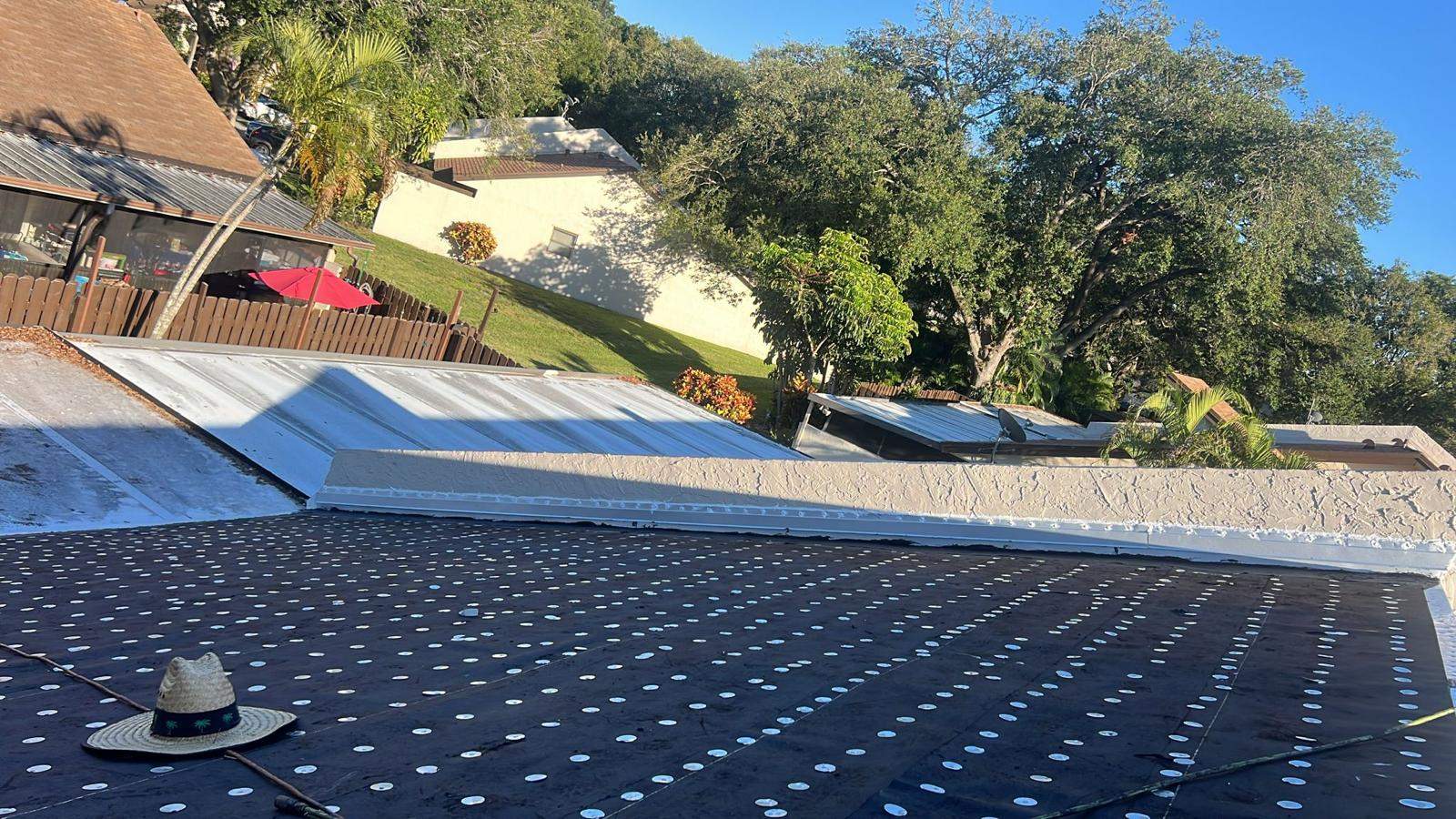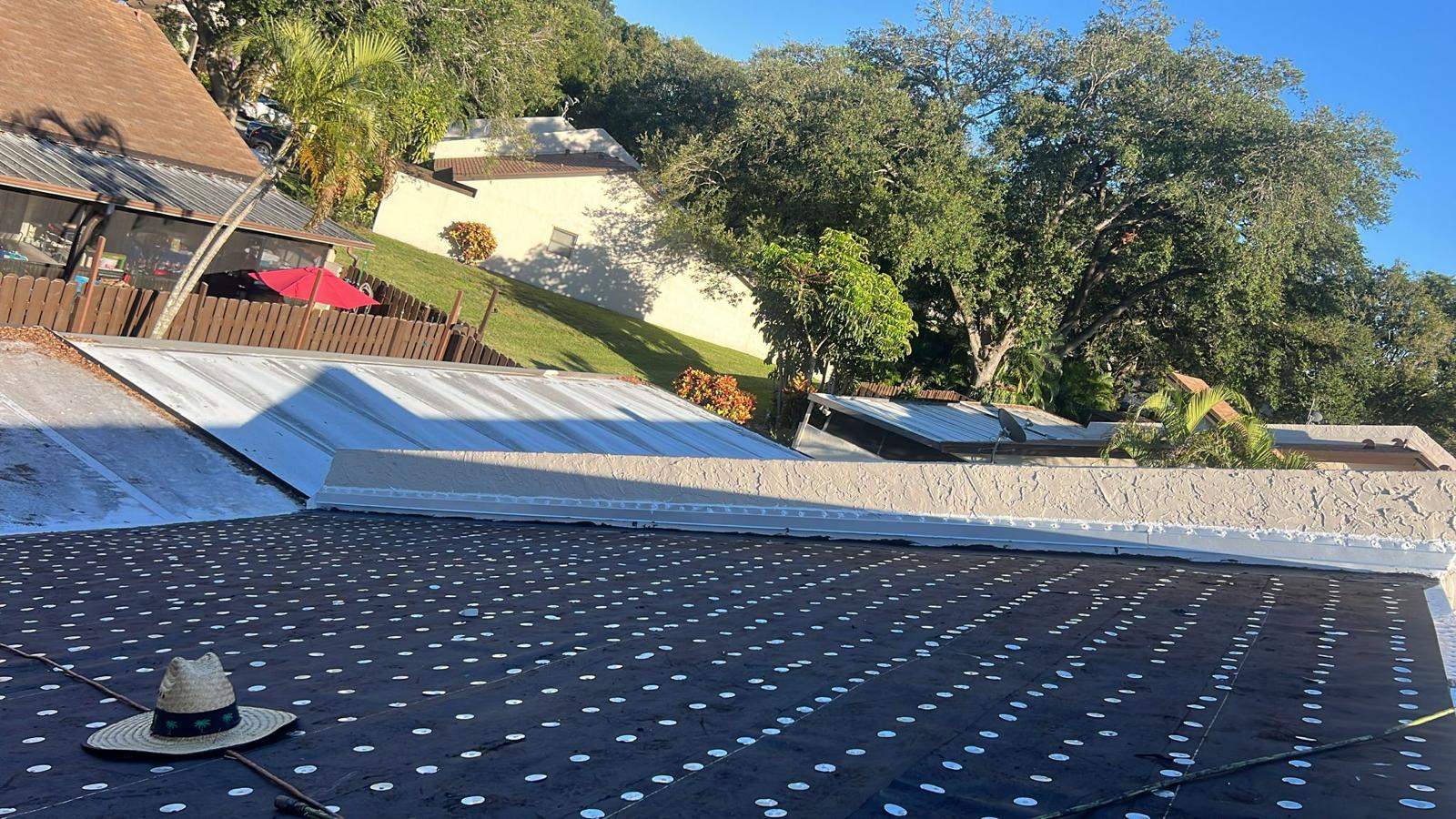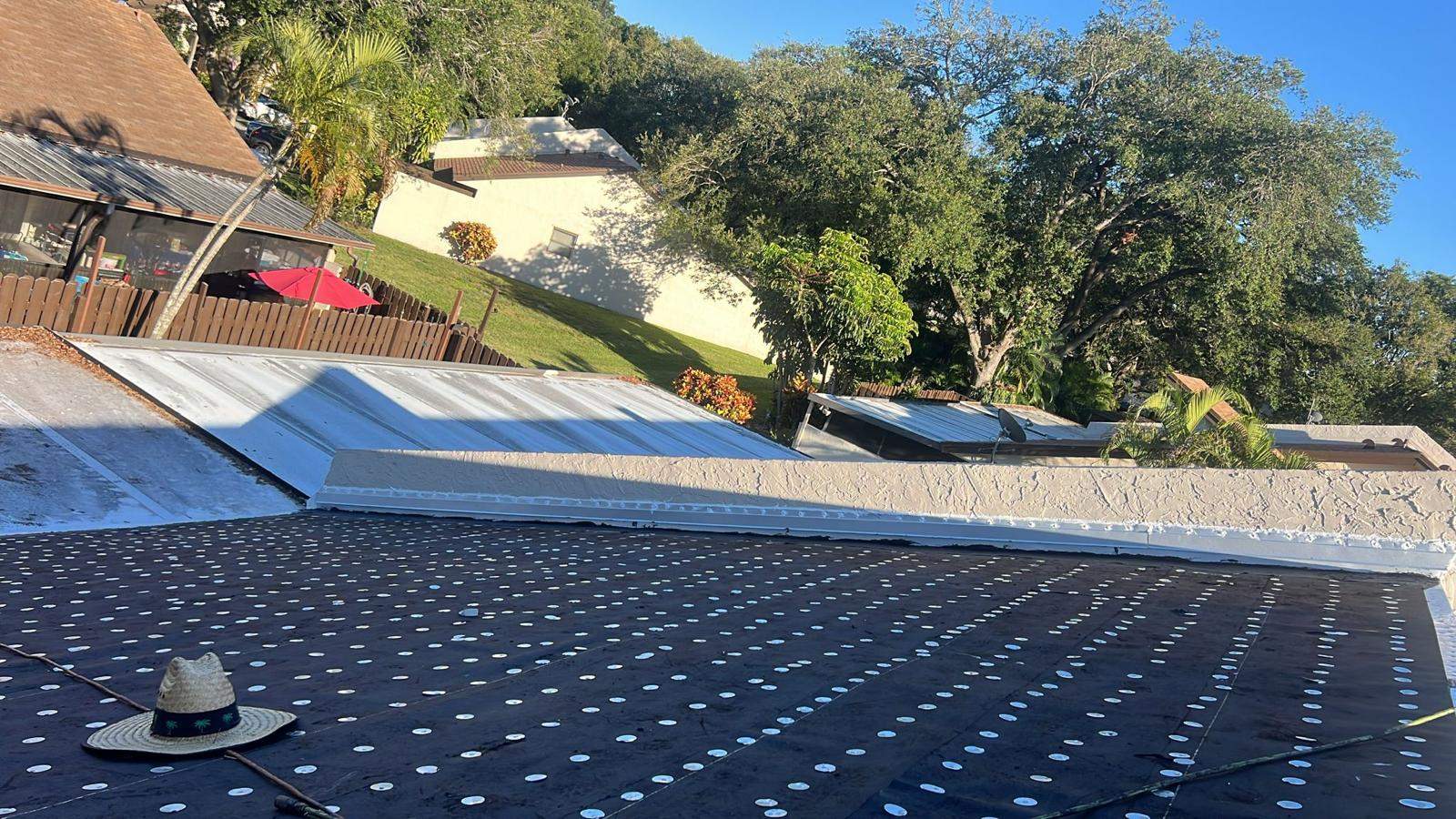

Your Essential Hurricane Roof Inspection Checklist for North Miami Homes
How do you truly prepare your North Miami home for the relentless hurricane season? While comprehensive storm preparations involve many aspects, proactive roof inspection is paramount. This detailed 8-point hurricane roof inspection checklist helps North Miami homeowners identify potential vulnerabilities, ensuring your property is as resilient as possible against strong winds and heavy rains before the next storm system arrives. Understanding these critical areas can help prevent costly damage and provide peace of mind.
1. Assess Shingles, Tiles, and Other Roofing Materials
Your roof's outer layer is its first line of defense against hurricane-force winds and torrential downpours. Begin your inspection by carefully examining all visible roofing materials for signs of wear, damage, or improper installation. Look for shingles that are cracked, curled, buckling, or missing entirely. For tile roofs, check for any broken or dislodged tiles. Even small imperfections can become significant entry points for water during a severe storm. Pay particular attention to edges and overlaps where wind can easily catch and peel back materials. For insights into different roofing options, consider reviewing our comparison of metal roofing vs. shingles in North Miami to understand how various materials withstand local conditions. Addressing these issues proactively, even minor ones, can significantly bolster your roof's resistance to powerful hurricane gusts and heavy rain.
2. Examine Flashing, Sealants, and Edges
Flashing and sealants are crucial components that protect vulnerable areas where the roof meets other structures, such as chimneys, skylights, vents, and wall intersections. These are prime locations for water intrusion if compromised. During your hurricane roof inspection, look closely for any signs of cracking, drying, or peeling in the sealant around these features. Inspect metal flashing for bending, corrosion, or improper attachment. Wind-driven rain can exploit the smallest gap, leading to significant leaks and interior damage. Ensure all elements are securely fastened and that sealant lines are intact, creating a continuous barrier. Proper maintenance of these areas is essential for preventing water penetration during heavy storms and can save you from extensive roof repair needs after a hurricane.
3. Clear and Inspect Gutters and Downspouts
Efficient water management is critical for a hurricane-resistant roof system. Clogged gutters and downspouts can cause water to back up, overflow, and potentially seep under your roofing materials or saturate your fascia and soffits. Before hurricane season, ensure all gutters are free of leaves, twigs, and other debris. Flush them with water to confirm proper drainage and check for any leaks, rust, or damage along the seams and downspout connections. Confirm that downspouts direct water away from your home's foundation. Properly functioning gutters prevent water from pooling on your roof or around your foundation, which can exacerbate storm damage and lead to structural issues. This step is a simple yet vital part of your overall hurricane preparedness.
4. Evaluate Soffits and Fascia Boards
If you want it handled correctly the first time, consider professional emergency roofing in North Miami.
The soffits and fascia boards, located along the edges of your roof, play a significant role in attic ventilation and protecting the underlying roof structure. During a hurricane, damaged or compromised soffits and fascia can become entry points for wind, leading to wind uplift and water intrusion into the attic space. Inspect these areas for signs of rot, water stains, cracks, or loose panels. Look for any openings or gaps that could allow pests or wind-driven rain to enter. Ensure all vents in the soffit are clear and properly screened. Addressing any issues with your soffits and fascia proactively helps maintain the structural integrity of your roofline and keeps your attic protected from the elements. This often overlooked area is a crucial link in your home's defense against severe weather.
5. Check for Loose Debris and Overhanging Branches
Before a hurricane threatens, a thorough clearing of your roof and surrounding area can drastically reduce potential damage. Any loose debris on your roof, such as fallen leaves, branches, or even forgotten tools, can become dangerous projectiles in high winds, causing impact damage to your roofing materials. Equally important is inspecting nearby trees for overhanging branches that could break off during a storm and fall onto your roof. Trim back any branches that are too close to your home, especially those that appear dead or weak. This preventative measure minimizes the risk of punctures, structural damage, and secondary impacts during a hurricane, safeguarding your property from avoidable harm and enhancing overall safety.
6. Understand North Miami's Wind Mitigation & Building Codes
For North Miami homeowners, understanding local building codes and wind mitigation features is not just a recommendation; it's a necessity in a High-Velocity Hurricane Zone (HVHZ). The Florida Building Code, specifically the Miami-Dade County amendments, sets stringent standards for roofing systems to withstand extreme weather. When conducting your inspection, consider whether your roof adheres to these regulations. This includes proper roof deck attachment, secondary water barriers, and reinforced gable ends. A roof built or upgraded to current HVHZ standards offers superior protection and often qualifies for significant insurance premium discounts. If you're unsure about your roof's compliance or need to assess its storm resistance, a qualified roofing contractor in North Miami can provide expert guidance on bringing your property up to current wind mitigation standards, ensuring it's truly ready for hurricane season.
7. Inspect the Attic for Water Damage and Ventilation
Many North Miami homeowners rely on expert emergency roofing in North Miami for exactly this.
Even if your exterior roof appears sound, an inspection from the inside can reveal hidden vulnerabilities. Head into your attic and look for any signs of water intrusion, such as water stains on the underside of the roof deck, discolored insulation, or even visible mold. These can indicate existing leaks that will only worsen during a hurricane. Also, assess your attic's ventilation. Proper ventilation prevents moisture buildup, which can weaken structural components over time, and helps regulate attic temperatures. Inadequate ventilation can compromise the longevity and resilience of your entire roofing system. Early detection of these issues allows for timely repairs, preventing minor problems from escalating into major damage when the storms hit. If you've observed potential issues like these, it might be time to address wind damage roof symptoms from a professional perspective.
8. Document Your Roof's Pre-Storm Condition
One of the most crucial steps in your hurricane roof inspection checklist, often overlooked, is thorough documentation of your roof's condition before a storm. Take clear, well-lit photographs and videos from various angles, capturing both the overall state of your roof and any minor existing imperfections or areas of concern. Date-stamp these images if possible. This visual record serves as invaluable evidence should you need to file an insurance claim after a hurricane. It helps demonstrate pre-existing conditions versus new damage, streamlining the claims process and ensuring fair assessment. While your own documentation is helpful, a licensed roofing contractor in North Miami can provide a professional, comprehensive report, offering an expert assessment that further strengthens any future claims and highlights areas needing professional attention for enhanced storm resistance.
Frequently Asked Questions
Why is a pre-hurricane roof inspection crucial for North Miami homes?
Given North Miami's location in a High-Velocity Hurricane Zone, pre-hurricane inspections are vital to identify and address vulnerabilities before a storm hits, preventing more extensive and costly damage, and ensuring your home meets local wind mitigation requirements.
Can I perform a hurricane roof inspection myself?
While homeowners can perform a basic visual inspection from the ground, a comprehensive assessment often requires climbing onto the roof and inspecting the attic. For safety and thoroughness, especially when assessing storm resistance and compliance with local codes, it's always recommended to consult with a professional roofing contractor.
How often should I inspect my North Miami roof for hurricane preparedness?
Ideally, a proactive roof inspection should be conducted annually, preferably before the official start of hurricane season. Additionally, a quick visual check after any significant weather event, even outside of hurricane season, is a good practice to catch minor issues early.
Preparing your North Miami home for hurricane season goes beyond boarding up windows; it starts with a resilient roof. By following this detailed hurricane roof inspection checklist, you can proactively identify and address potential weaknesses, safeguarding your property and loved ones. For a comprehensive professional assessment and to discuss storm-resistant roofing solutions in North Miami, contact PSR Roofing Company of Miami. Our experienced team is ready to ensure your roof is ready for whatever weather comes its way.
Continue reading
- Complete guideChoosing a Roofing Contractor in North Miami for Storms›
- RelatedWind Damage Roof Symptoms North Miami: What to Look For›
- RelatedMetal vs Asphalt Shingles for North Miami Storm Protection›
- RelatedNorth Miami Roof Replacement: Understanding Cost Factors›
- RelatedEmergency Roof Tarping Guide for North Miami Homeowners›
Need help with Roof Inspection?
PSR Roofing is Miami's licensed & insured expert for roof inspection. Free estimates, honest pricing, and 24/7 emergency response.