Your Insurer Flagged the Roof: How Miami Homeowners Pass a Re-Inspection After Roof Repair
Few letters land harder than a carrier notice giving you thirty or sixty days to address roof conditions or lose coverage. It arrives after a drive-by photo, an aerial image, or a 4-point inspection ordered at renewal, and the language is usually vague — "roof condition," "visible deterioration," "evidence of prior repair." Owners across North Miami, Miami Shores, Biscayne Park, and Aventura get these every renewal season, and most of them are solvable with a targeted roof repair and the right paperwork rather than a full replacement.
This article covers what carriers actually cite, what clears each item, and how to build a re-inspection file that ends the conversation.
What Carriers Cite, and What It Means
| Cited condition | What the carrier is worried about | Typical resolution |
|---|---|---|
| Missing or lifted coverings | Immediate water entry and uplift risk | Replace to match; document count and location |
| Exposed underlayment | UV degradation of the only water barrier | Restore covering in the affected area |
| Rusted or lifted flashing | Chronic slow leak at terminations | Fabricate and reinstall flashing |
| Ponding water on low slope | Dead load and membrane failure | Correct drainage, add drains or crickets |
| Organic growth and debris | Deferred maintenance signal | Softwash cleaning; clear valleys and drains |
| Prior "tar patch" repairs | Unpermitted, non-code work | Open, repair correctly, document |
| Roof age near end of life | Actuarial exposure, not a defect | Age documentation, or replacement |
The important distinction: everything above the last row is a repair-and-document item. Age is the only one repairs cannot cure. If your roof is beyond the carrier's age threshold, the productive conversation is about a roof replacement and the mitigation credits that come with it, not about patching.
The Wind Mitigation Form Is Where the Money Is
Florida's Uniform Mitigation Verification Inspection form drives premium credits, and several of its line items are affected by repair work. Roof covering compliance, roof deck attachment, roof-to-wall connection, roof geometry, and secondary water resistance each carry weight. Two practical points:
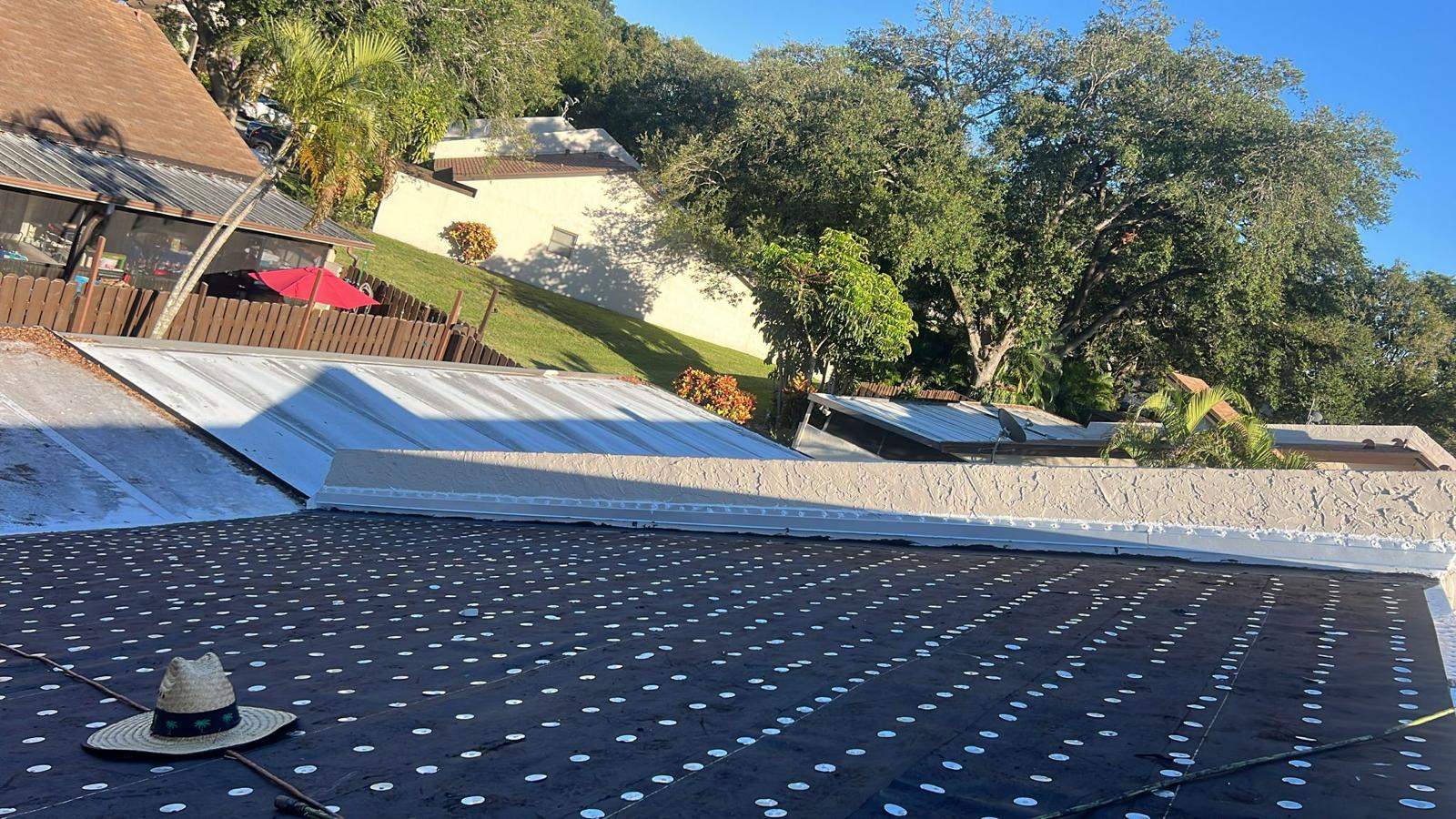
- If a repair exposes the deck, that is the only moment nail pattern and deck attachment can be verified and photographed. Ask for those photos; they may support a credit later.
- Secondary water resistance — a sealed underlayment layer — is credited only when documented. Work performed without documentation earns nothing, even when it was done correctly.
A licensed roofing contractor who works in Miami-Dade regularly knows which photographs an inspector will want and takes them without being asked.
Building a File the Carrier Accepts
Adjusters and underwriters do not visit; they read. A file that closes an inquiry generally contains:
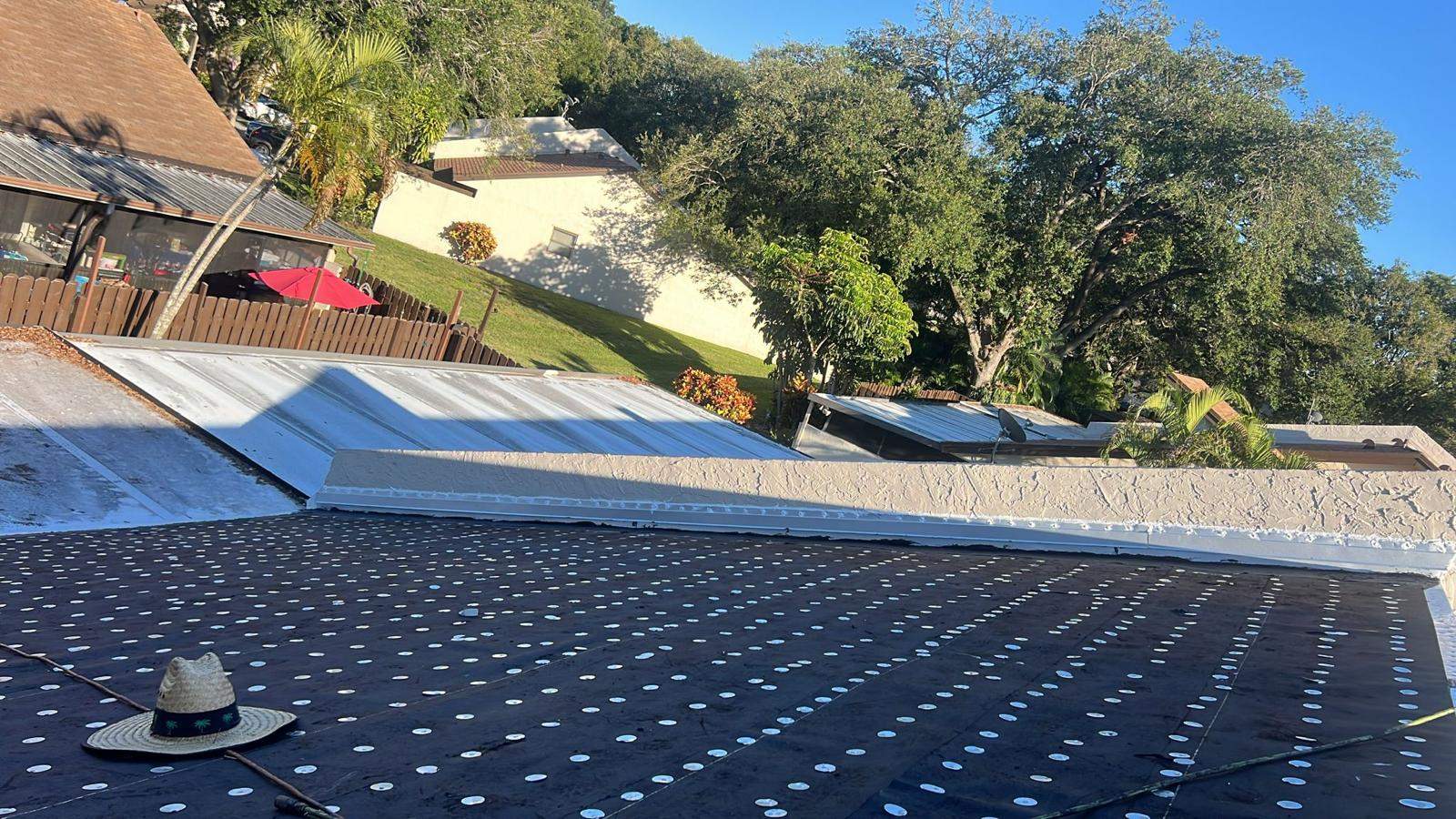
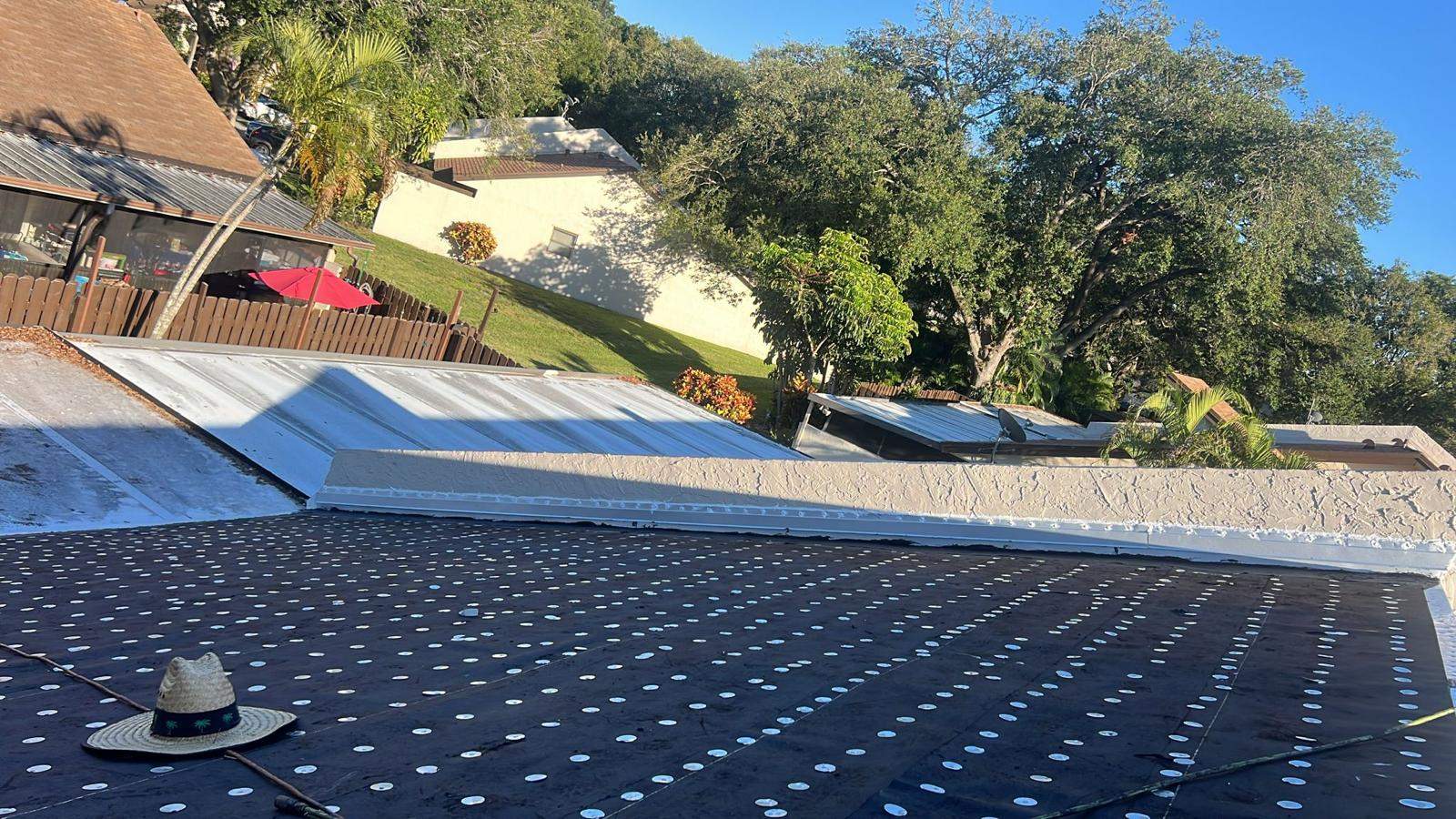
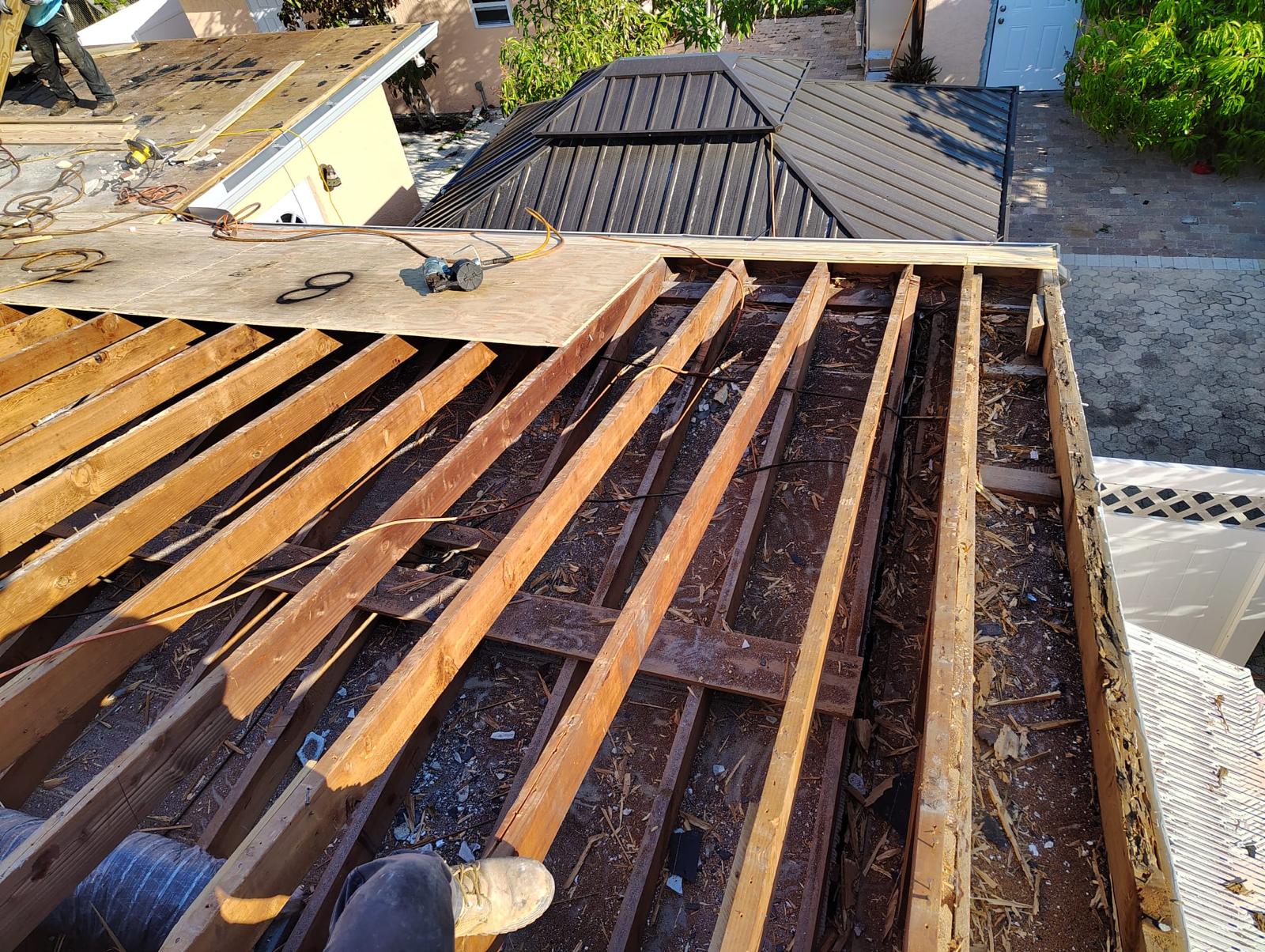
- A dated inspection report with wide shots establishing the plane, mid shots showing the area, and close shots of each corrected component. A formal roof inspection produces this in a format carriers already recognize.
- A written scope naming components and quantities — "replaced 14 concrete tiles, north plane; new pipe boots at three penetrations; fabricated and installed counterflashing at chimney" — not "repaired roof leaks."
- Permit and final inspection records, where the work required them. In Miami-Dade, a closed permit is the strongest evidence work was performed to code.
- Before and after photographs from matching angles, which is what makes the correction obvious at a glance.
- The invoice, dated after the inspection, matching the scope word for word.
Send it once, complete. Partial submissions restart the clock and are the most common reason a fixable file turns into a nonrenewal.
Timing Realities in Miami
Carrier deadlines rarely account for permit volume or weather. Three habits keep you inside the window:
- Start the week the letter arrives. Inspection, scope, permit, work, and re-inspection is a multi-week chain, and wet-season afternoons shorten working days from May through October.
- Ask for a written completion estimate you can forward to the carrier. Many will hold a file open when a scheduled completion date is in hand.
- Do not accept undocumented work to save time. Unpermitted repair is itself a citable condition at the next renewal, and it can complicate a future claim.
If water is entering the home while the file is open, treat that separately and immediately as emergency roofing. Mitigation and documentation are complementary, not competing.
Frequently Asked Questions
Can a repair satisfy an insurer, or do they always require replacement?
Repairs routinely satisfy carriers when the cited conditions are component failures and the roof has remaining service life. Replacement enters the picture when age or widespread deterioration is the stated reason.
Will my premium go up because I filed paperwork?
Submitting documentation in response to an underwriting request is not a claim and does not carry claim history. Confirm the distinction with your agent before filing anything.
Do I need a licensed contractor, or can a handyman do it?
Roofing work in Florida requires a licensed roofing contractor, and carriers verify the license on the invoice. Unlicensed work is generally treated as no work at all.
What if the report cites ponding on my flat roof?
Ponding is a drainage design issue, not a patchable defect. Expect a scope that adds or relocates drains, builds tapered crickets, or corrects a low area — and expect the carrier to require it.
Continue Reading
Penetrations are among the most frequently cited items on these reports; see skylight, solar, and penetration repair. If the property is a condo, townhome, or commercial building, read next: who pays for roof repair in a condo or HOA.
Get Ahead of the Deadline
If a carrier has flagged your roof, the fastest path to keeping coverage is a documented assessment, a scope written in the language underwriters read, and permitted work completed on record. PSR Roofing Company Of Miami handles insurance-driven repairs and re-inspection documentation across Miami-Dade.
Call (786) 889-4090 or request an insurance re-inspection assessment.
Visit us: 1811 NE 142nd St, Miami, FL 33181 — view on Google Maps
Need help with Roof Inspection?
PSR Roofing is Miami's licensed & insured expert for roof inspection. Free estimates, honest pricing, and 24/7 emergency response.