
Emergency Roof Tarping Guide for North Miami Homeowners
After a sudden downpour, hearing the unsettling flap of loose shingles or seeing water stains spread across your ceiling can be a homeowner's worst nightmare in North Miami. Severe weather, common to our region, often leaves roofs vulnerable to further damage if not immediately addressed. An emergency roof tarping can provide crucial temporary protection, preventing extensive water intrusion and buying you time to arrange permanent repairs.
This guide offers practical steps for homeowners facing urgent roof damage, helping you stabilize your home's integrity until a professional roofing contractor can perform a thorough assessment and lasting repair. While professional assistance is always recommended, especially in hazardous conditions, understanding the process is vital for any North Miami homeowner.
Prioritize Safety Before Any Action
Your personal safety and the safety of your household must be the absolute top priority. Never attempt roof tarping if conditions are dangerous.
Assess immediate surroundings: Check for downed power lines, unstable structures, or active lightning before approaching the damaged area.
Secure the area: Keep children and pets away from the damaged roof and any debris.
Avoid slippery surfaces: Do not climb onto a wet, unstable, or compromised roof. Wait for conditions to improve or call for professional emergency services.
Use appropriate gear: If you must go on the roof, wear non-slip shoes, gloves, and use a stable ladder with a spotter. Better yet, contact a professional.
If you want it handled correctly the first time, consider professional emergency roofing in North Miami.
Gather Essential Materials for Temporary Roof Repair
Having the right supplies on hand is crucial for effective emergency tarping. Always ensure you have more than enough materials to cover the damaged area adequately.
Obtain heavy-duty tarps: Choose tarps made from thick, reinforced polyethylene that are larger than the damaged section, allowing for ample overlap.
Acquire 2x4 lumber or battens: These will be used to secure the tarp edges, preventing wind from lifting them. Cut them to be slightly longer than the tarp's width.
Gather essential tools: Ensure you have a hammer, nails or screws (galvanized roofing nails are ideal), a utility knife for cutting tarps if necessary, and a measuring tape.
Prepare personal protective equipment: Include sturdy work gloves, eye protection, and a hard hat, especially if working near damaged sections.
Execute the Emergency Tarping Process
Once safety is assured and materials are ready, careful execution of the tarping process can make a significant difference in preventing further damage.
Many North Miami homeowners rely on expert emergency roofing in North Miami for exactly this.
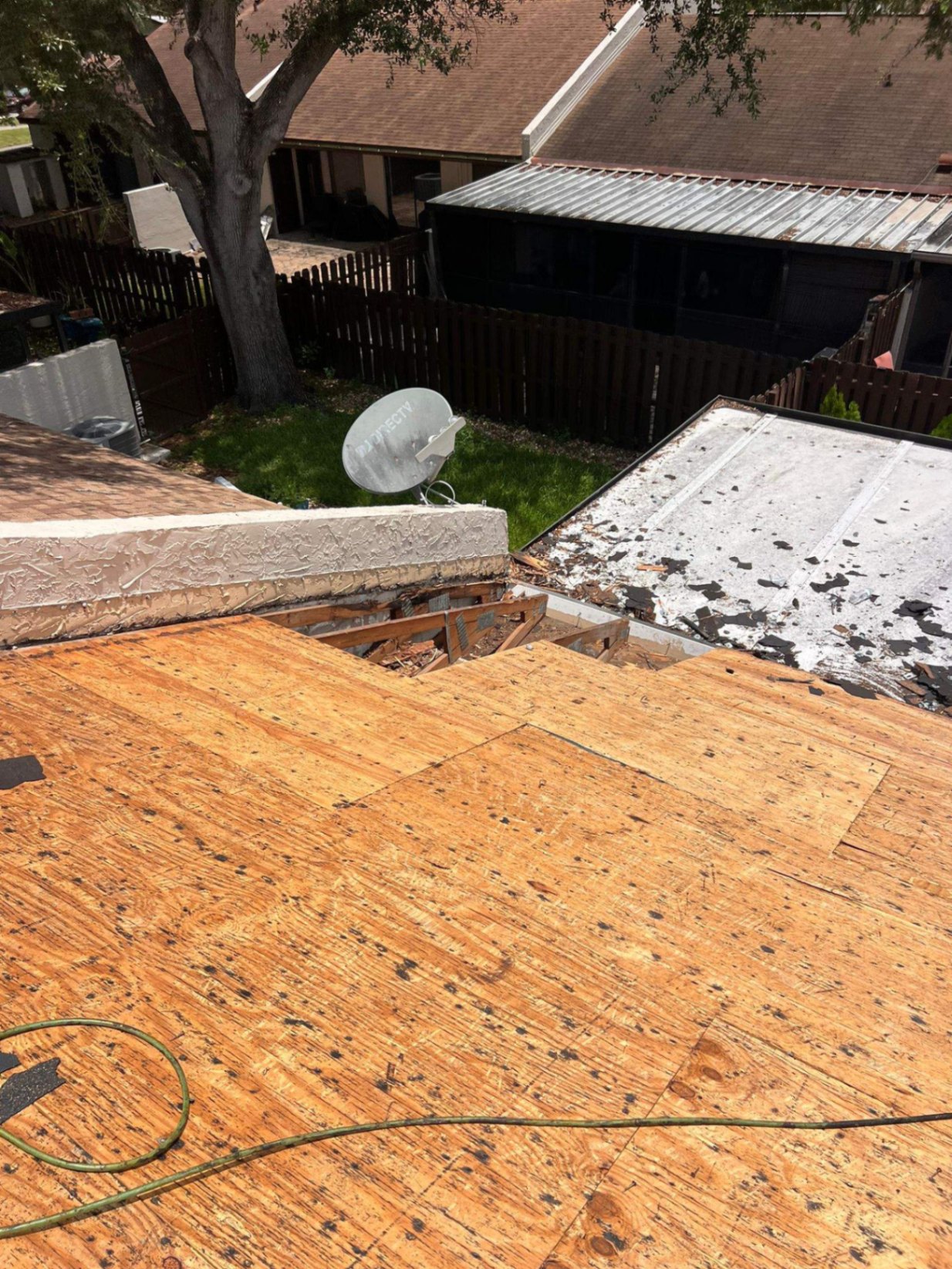
Clear debris from the area: Carefully remove any loose branches, shingles, or other debris around the damaged spot to create a clean surface for the tarp.
Position the tarp strategically: Lay the tarp over the damaged section, ensuring it extends several feet beyond all edges. The highest edge of the tarp should be tucked under existing shingles to prevent water from running underneath.
Anchor the tarp at the ridge: If possible, drape the tarp over the roof's ridge line (the peak) to create a natural shedding surface for water.
Secure the tarp with lumber: Place a 2x4 batten along the bottom edge of the tarp. Roll the tarp's edge around the batten several times, then nail or screw the batten securely into the fascia board or rafters below.
Fasten side and top edges: Use additional battens to secure the tarp along its sides and, if not draped over the ridge, along the top edge, ensuring a tight seal against wind and rain. Overlap battens where necessary.
Inspect for loose spots: Double-check all edges and corners for any areas that could catch wind or allow water ingress. Tighten any loose sections immediately.
North Miami-Specific Considerations for Roof Damage
Living in North Miami means unique challenges for roofing, primarily due to our subtropical climate and vulnerability to severe weather events like hurricanes. These local factors influence both how damage occurs and how it should be addressed.
Understand High-Velocity Hurricane Zone (HVHZ) codes: North Miami falls within Florida's HVHZ, meaning roofs must meet stringent building codes for wind resistance. This affects everything from roof decking attachment to shingle nailing patterns, and damage often reveals non-compliant or aged installations.
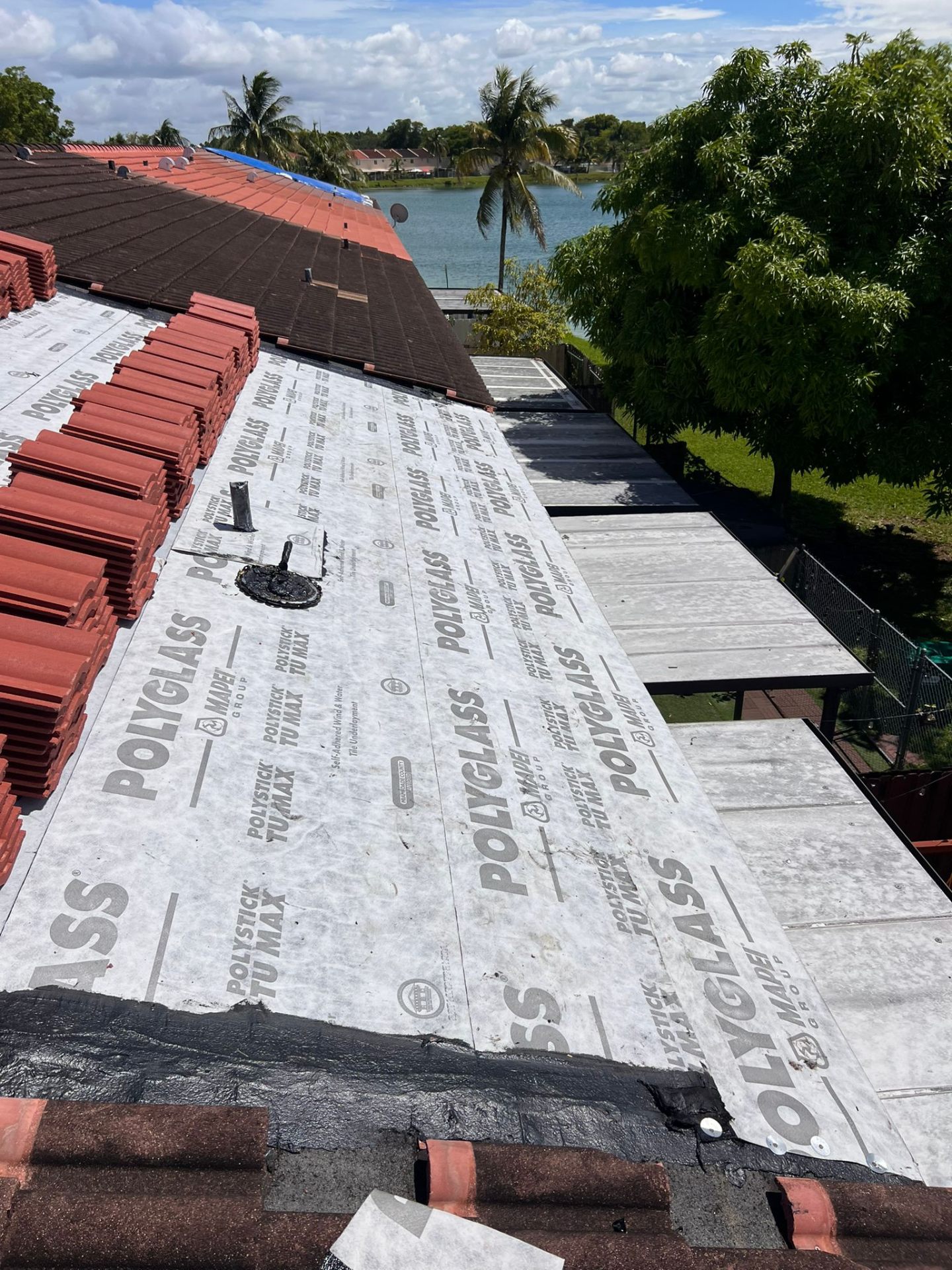
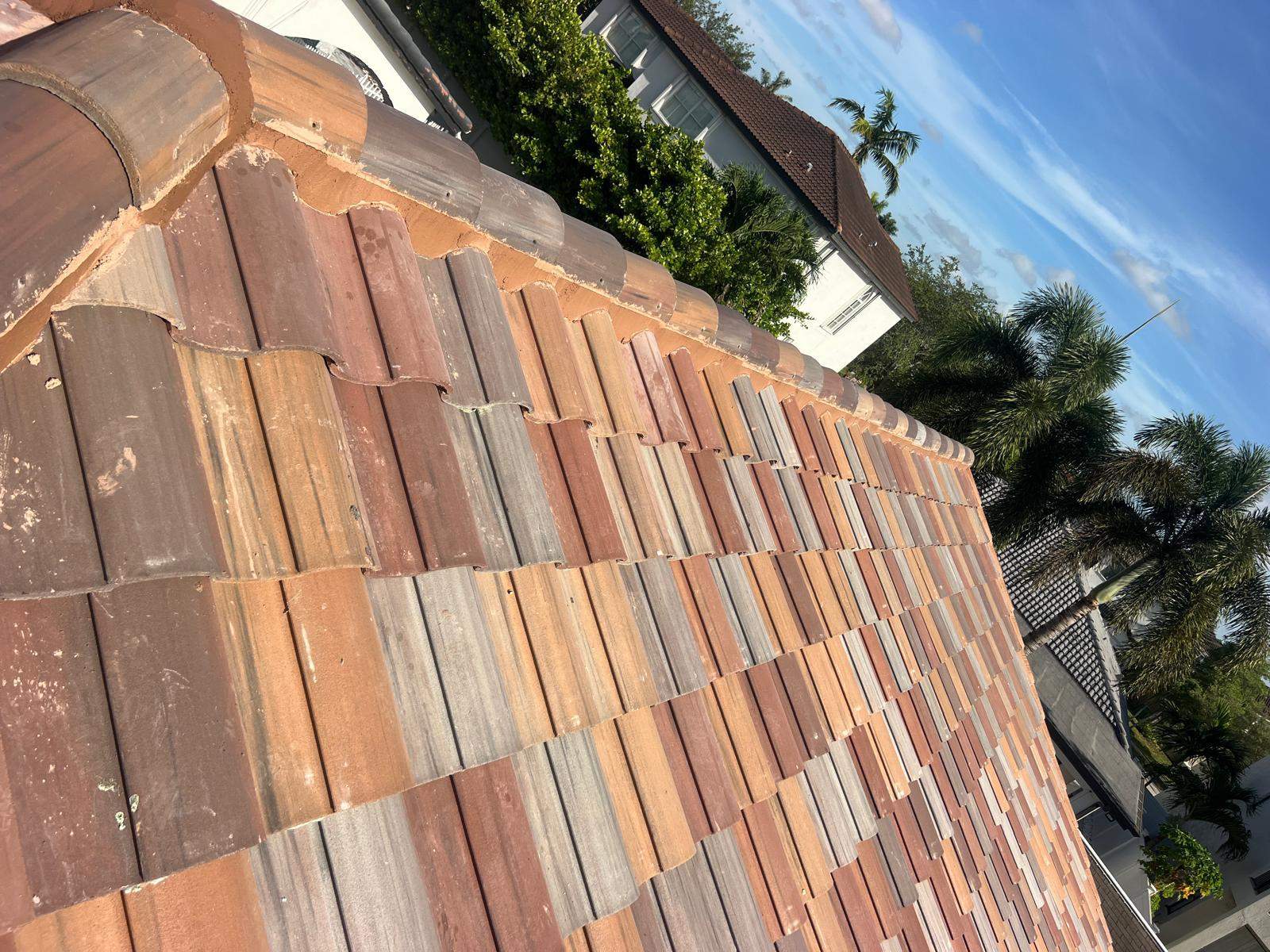
Recognize common roof types: Many North Miami homes feature tile roofs, which are durable but can have individual tiles dislodged by high winds or impacts. Flat or low-slope roofs, common on commercial buildings and some residential additions, require specialized tarping techniques to prevent pooling water.
Factor in humidity and moisture: Even a small leak can rapidly lead to mold growth in our humid climate. Prompt tarping is essential to mitigate secondary damage to attic spaces, insulation, and interior finishes.
Anticipate insurance claims: Be prepared to document damage thoroughly with photos and videos immediately after a storm, as this will be critical for your insurance claim process, which is common in North Miami after tropical weather.
Ready for the next step? Learn how emergency roofing services in North Miami can help and reach out to the team.
After Tarping: Next Steps for Permanent Solutions
Emergency tarping is a temporary fix. Your next critical step is to schedule a professional assessment and permanent repair.
Document the damage: Take clear, well-lit photos and videos of the damaged area before and after tarping. This documentation is vital for insurance claims.
Contact your insurance provider: Notify them of the damage as soon as safely possible to start the claims process. They may also provide guidance on approved contractors.
Schedule a professional inspection: Even if you've managed a temporary repair, a certified professional needs to assess the full extent of the damage, including areas not visible from the ground. Consider reading our hurricane roof inspection checklist for what to expect.
Get professional roof repair: For lasting peace of mind and storm resistance, it's essential to hire a reputable roofing contractor North Miami for your repairs. They can ensure your roof meets all local building codes and provides optimal protection. Learn more about choosing a qualified North Miami roofing company that specializes in storm resilience.
Consider long-term solutions: Depending on the age and condition of your roof, storm damage might be a sign it's time to consider a full roof replacement. Our guide on roof replacement cost factors in North Miami can provide helpful insights.
Prevent future damage: Discuss options with your chosen licensed roofing contractor Miami for enhancing your roof's storm resistance, potentially including specific materials or installation techniques designed for our climate.
While an emergency roof tarping guide provides immediate relief, remember it's just a stop-gap. For comprehensive, durable solutions that protect your North Miami home for years to come, trust the expertise of local roofing professionals.
Continue reading
- Complete guideChoosing a Roofing Contractor in North Miami for Storms›
- RelatedWind Damage Roof Symptoms North Miami: What to Look For›
- Related8-Point Hurricane Roof Inspection Checklist for North Miami›
- RelatedMetal vs Asphalt Shingles for North Miami Storm Protection›
- RelatedNorth Miami Roof Replacement: Understanding Cost Factors›
Need help with Emergency Roofing?
PSR Roofing is Miami's licensed & insured expert for emergency roofing. Free estimates, honest pricing, and 24/7 emergency response.