
Storm Prep: Protecting Your North Miami Roof Before Hurricane Season
Atlantic hurricane season runs from June through November, and South Florida sits squarely in the path of some of the most powerful storms on record. In North Miami, where older concrete block homes share neighborhoods with newer construction, the condition of a roof before a storm arrives can mean the difference between minor cleanup and a major insurance claim. This guide answers the questions homeowners here ask most when getting their roofs ready for high-wind season.
Why does hurricane preparation matter specifically for North Miami roofs?
North Miami's housing stock spans several decades of building codes, from mid-century flat-roof construction to post-Andrew single-family homes built to stricter wind uplift standards. Older roofs may predate the Florida Building Code updates that followed Hurricane Andrew in 1992 and the 2007 High-Velocity Hurricane Zone (HVHZ) requirements that apply throughout Miami-Dade County. That means the connection between your roof deck and the structure below, the fastener spacing, and the underlayment type may not meet current standards. Knowing where your roof stands before June 1 gives you time to address weak points rather than scrambling after a storm watch is posted.
What are the first things to check on a North Miami roof before storm season?
Start with a visual survey from the ground using binoculars. Look for lifted, cracked, or missing shingles on sloped roofs, and scan flat membrane roofs for bubbling, pooling areas, or seams that appear to have separated. Check the edges of the roof, including the drip edge and fascia boards, since wind gets under these first. Inside the attic, look for daylight coming through the roof deck, water stains on rafters or sheathing, and any soft spots that suggest moisture has been sitting in the wood. These are the early signals that warrant a closer look before storm season begins. For a complete breakdown of what a trained eye examines, see our North Miami roof inspection guide.
How do roof-to-wall connections affect wind resistance in Miami-Dade?
If you want it handled correctly the first time, consider professional roof inspection in North Miami.
The roof-to-wall connection is one of the most critical factors in how a home performs during a hurricane. In Miami-Dade, homes built before the mid-1990s often used toe-nail fastening, where nails are driven at an angle through the rafter into the top plate. This method provides significantly less uplift resistance than the hurricane straps and clips required by post-Andrew code. During an inspection, a licensed contractor can assess which connection type your home has and whether a retrofit is practical. Strengthening these connections is one of the highest-value improvements a North Miami homeowner can make before storm season, and it may also affect your wind mitigation insurance discount.
What role does roofing underlayment play in storm protection?
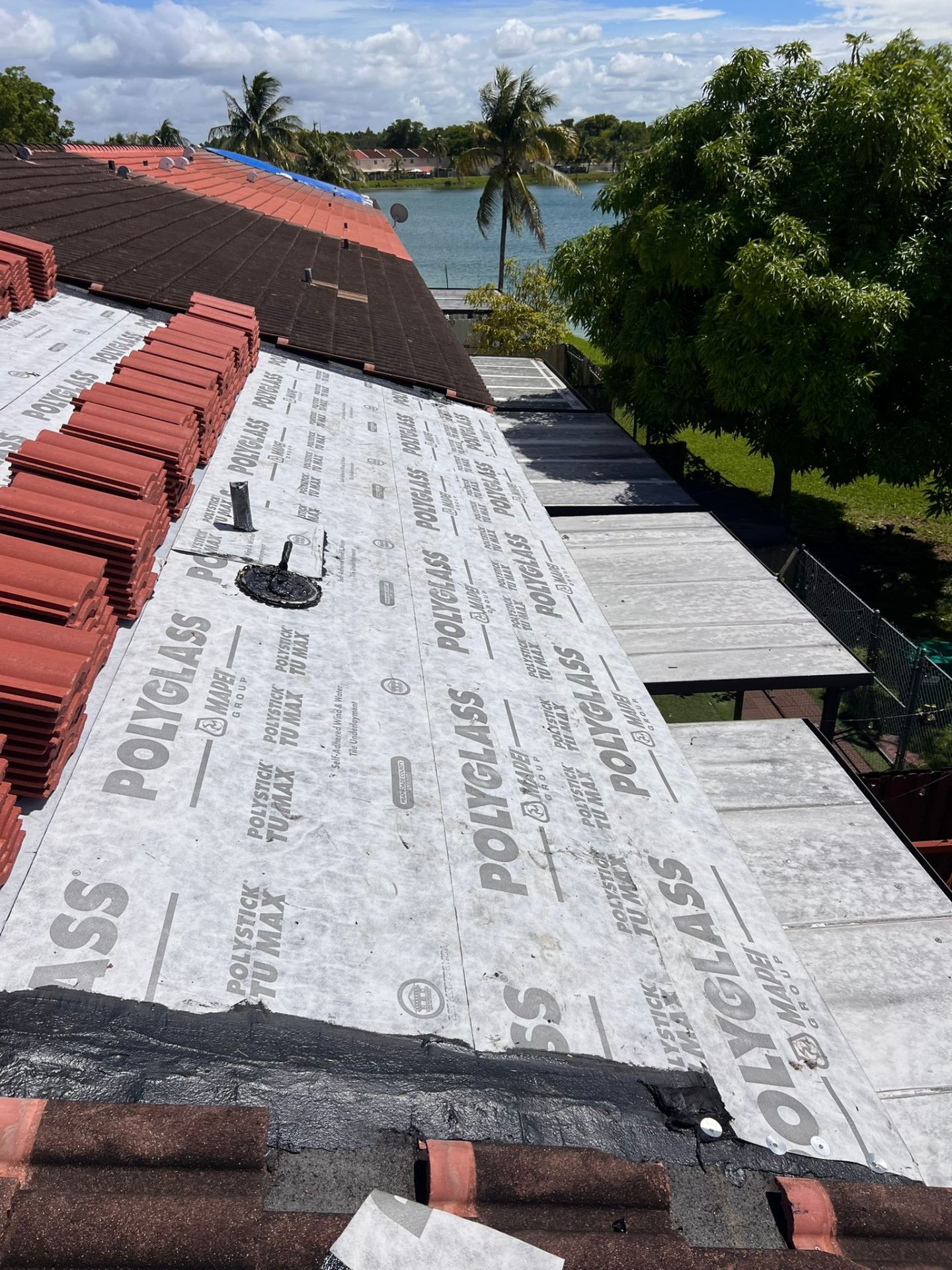
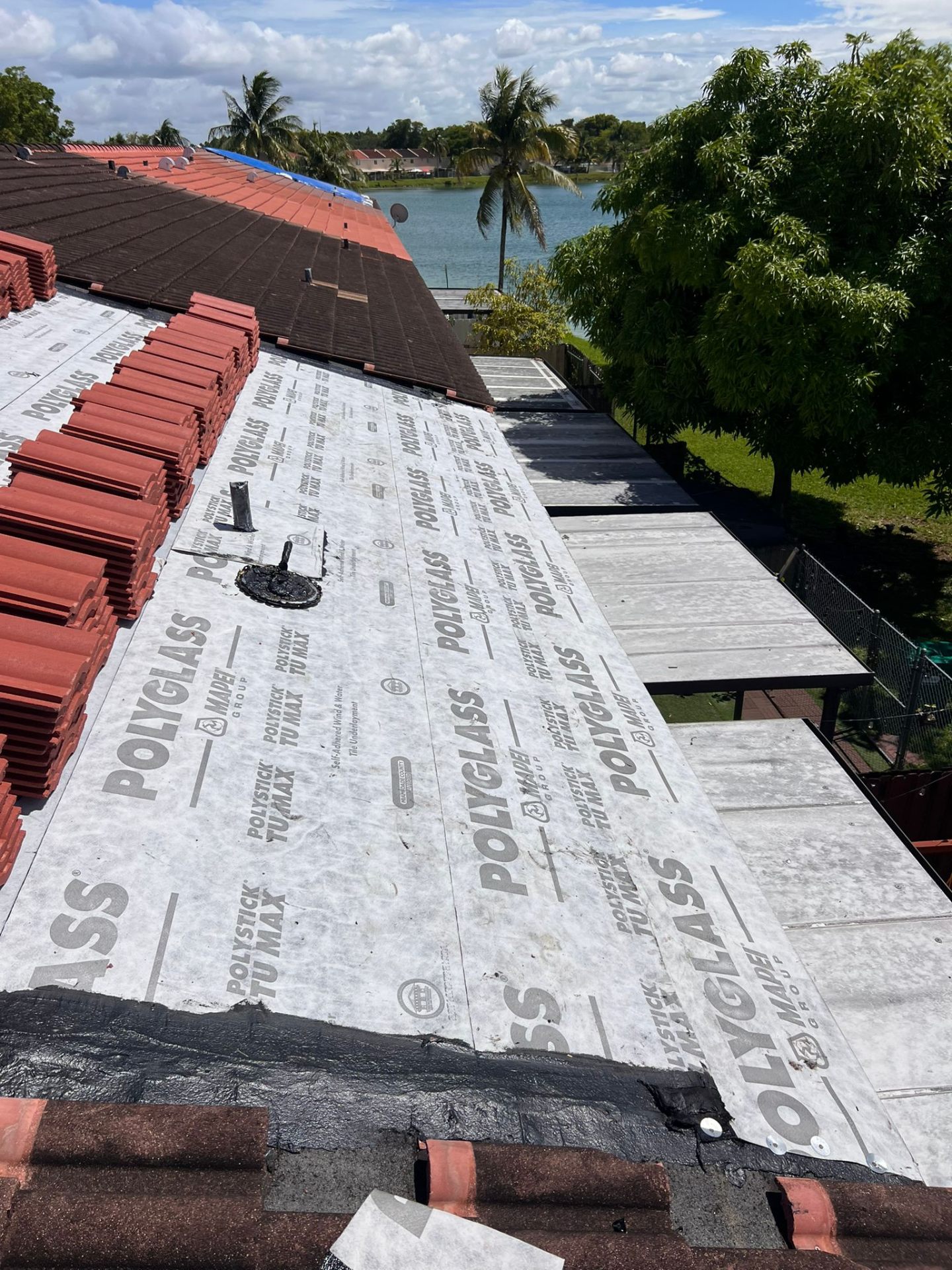
Underlayment is the water-resistant layer installed between the roof deck and the outer surface material. In Miami-Dade's HVHZ, the building code requires specific underlayment systems rated for high-wind exposure, including self-adhering modified bitumen products on many roof types. If your roof was installed before these requirements took effect, or if the underlayment has aged and cracked, wind-driven rain can penetrate even if the outer surface stays intact. During storm prep, a roofing professional can check whether the underlayment is still performing as intended or whether it has reached the end of its service life. This matters especially for flat and low-slope roofs, which are common throughout North Miami's older residential neighborhoods. Learn more about maintaining these systems in our guide to flat roof upkeep in North Miami.
How should gutters and drainage be addressed before a hurricane?
North Miami receives an average of more than 60 inches of rain per year, and a significant portion of that can fall in a matter of hours during a tropical system. Clogged gutters and blocked downspouts create standing water at the roofline, which can work its way under flashing and into the fascia. Before storm season, clear gutters of debris, check that downspouts discharge water at least a few feet away from the foundation, and inspect gutter hangers to make sure they are secure enough to handle the weight of heavy rainfall. Gutters that pull away from the fascia during a storm can damage the roof edge in the process. If your gutters are undersized or improperly pitched, this is the time to address it rather than after the first named storm of the season.
What specific steps apply to flat roofs common in North Miami?
Many North Miami homeowners rely on expert roof inspection in North Miami for exactly this.
A large share of North Miami's residential and commercial buildings use flat or low-slope roofing systems, including modified bitumen, built-up roofing (BUR), and single-ply membranes. These systems require different pre-storm attention than pitched shingle roofs. Key steps include inspecting all seams and flashings for separation, clearing roof drains and scuppers so water does not pond during heavy rain, checking that any rooftop equipment (HVAC units, satellite mounts) is properly secured and that penetrations around them are sealed, and looking for blisters or soft areas in the membrane that could tear under wind pressure. If you notice any of these issues, addressing them before storm season reduces the risk of a small problem becoming a full interior leak during a storm. Our flat roof maintenance checklist covers these steps in more detail.
How can homeowners tell if previous wind damage is already present?
Wind damage is not always obvious from the street. Lifted shingles sometimes reseal themselves in the heat, leaving granule loss and compromised adhesion that only becomes apparent when the next storm hits. Flashing that has pulled away slightly from a chimney, vent stack, or skylight may not leak during normal rain but will allow water intrusion under wind-driven conditions. Inside, look for water stains near exterior walls or in corners of ceilings, which can indicate that flashing has already been compromised. Knowing the difference between cosmetic weathering and structural damage is important when deciding how urgently to act. Our article on recognizing wind damage on North Miami roofs walks through the visual cues in detail.
When is the right time to schedule a professional roof inspection before storm season?
The practical window for pre-storm inspections in North Miami is late winter through mid-spring, roughly February through May. Scheduling during this period gives enough lead time to complete any recommended repairs before the June 1 start of hurricane season. Roofing contractors in South Florida get significantly busier once the first tropical systems appear, which can delay both inspections and repair work. A professional inspection also documents the current condition of your roof, which can be valuable if you need to file an insurance claim after a storm. Many homeowners also use the inspection report to support a wind mitigation certification, which can reduce annual insurance premiums. To understand exactly what a licensed inspector examines during this process, read our full roof inspection guide for North Miami.
Ready for the next step? Learn how roof inspection services in North Miami can help and reach out to the team.
What repairs are most urgent to complete before hurricane season?
Not every issue found during a pre-storm inspection carries the same urgency. Repairs that directly affect wind uplift and water intrusion should be prioritized. These include resealing or replacing lifted or cracked flashings around all penetrations, re-nailing or replacing loose or missing shingles, repairing any open seams on flat membrane roofs, securing loose fascia or soffit panels that could become projectiles or allow wind-driven rain into the attic, and correcting any drainage problems that could lead to ponding. Cosmetic issues like minor granule loss or surface oxidation on a metal roof are worth noting but are lower priority than structural vulnerabilities. A licensed roofing contractor can help you triage findings and focus resources where they will provide the most protection before the season begins. Contact PSR Roofing to schedule a pre-season assessment and get a clear picture of where your roof stands.
Does a wind mitigation inspection differ from a standard roof inspection?
Yes, and it is worth understanding the difference. A standard roof inspection assesses the physical condition of roofing materials, flashings, drainage, and structural connections. A wind mitigation inspection, conducted by a licensed inspector under Florida's Citizens Insurance program guidelines, specifically documents features that qualify for insurance discounts: roof shape, deck attachment method, roof-to-wall connection type, opening protections, and roof covering type. Many of the same areas are examined, but the wind mitigation report produces a standardized form submitted to your insurer. Some homeowners benefit from having both done at the same time. If you are weighing the two processes, our article on roof inspection versus appraisal in Miami explains how each one works and what it produces.
Getting your North Miami roof ready before storm season is not a single-afternoon task, but it does not have to be overwhelming. Working through the questions above, starting with a ground-level visual check and moving toward a professional inspection, gives you a clear picture of what your roof can handle and where it needs support. The earlier in the year you start, the more options you have. If you are ready to move from preparation to action, reach out to PSR Roofing for a professional evaluation of your roof before hurricane season arrives.
Continue reading
Need help with Roof Repair?
PSR Roofing is Miami's licensed & insured expert for roof repair. Free estimates, honest pricing, and 24/7 emergency response.