The Year-Round Roof Inspection and Maintenance Calendar Every Miami Home Needs
Most of the roof failures we get called out to in North Miami were not sudden. Somebody noticed a stain on a ceiling in April, decided it looked dry, and then a July downpour turned a two-hundred-dollar sealant job into a decking replacement. Roofs here rarely fail all at once. They fail on a schedule, and that schedule follows Miami's calendar closely enough that you can plan around it.
That is really the argument for treating roof inspection and maintenance as a recurring appointment rather than a reaction. Below is the calendar we actually use with homeowners in Miami Shores, Keystone Point, Biscayne Park, El Portal, and along the Aventura corridor — organized by what the weather is doing to your roof at that point in the year.
January Through March: The Dry-Season Window for Real Work
The dry season is when materials cooperate. Sealants cure properly, adhesives bond, and a crew can open up a section of roof without watching the radar every ten minutes. If a previous inspection flagged anything, this is when it should be corrected.
What belongs in this window:
- Full walkover inspection with photographs of every penetration, valley, and transition
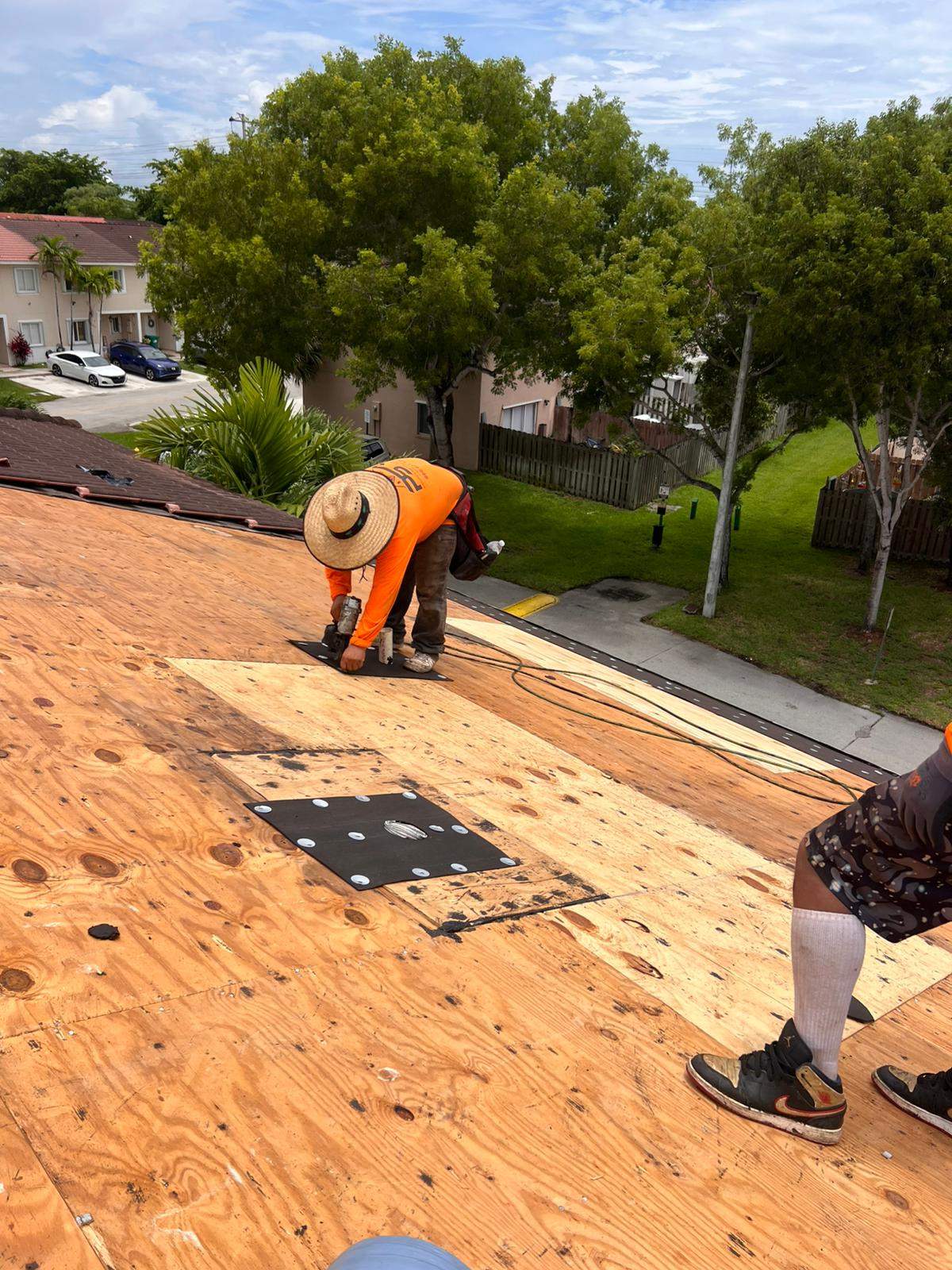
- Fastener and flashing correction on anything documented as loose or lifted
- Tile rebedding and repointing on mortar-set ridge and hip courses
- Sealant replacement at pipe boots, vent collars, and skylight curbs
- Attic check while conditions are dry, so any moisture you find is a real active problem rather than seasonal humidity
Homeowners often want to postpone dry-season work because nothing is leaking. That is precisely why it costs less right now.
April and May: Pre-Season Verification
By late spring you are no longer looking for problems to schedule. You are verifying that the roof is closed and ready. Wind and water arrive together in Miami-Dade, and the two failure paths are different: wind lifts edges and fasteners, water finds the lowest unsealed seam.
Priorities before June 1:
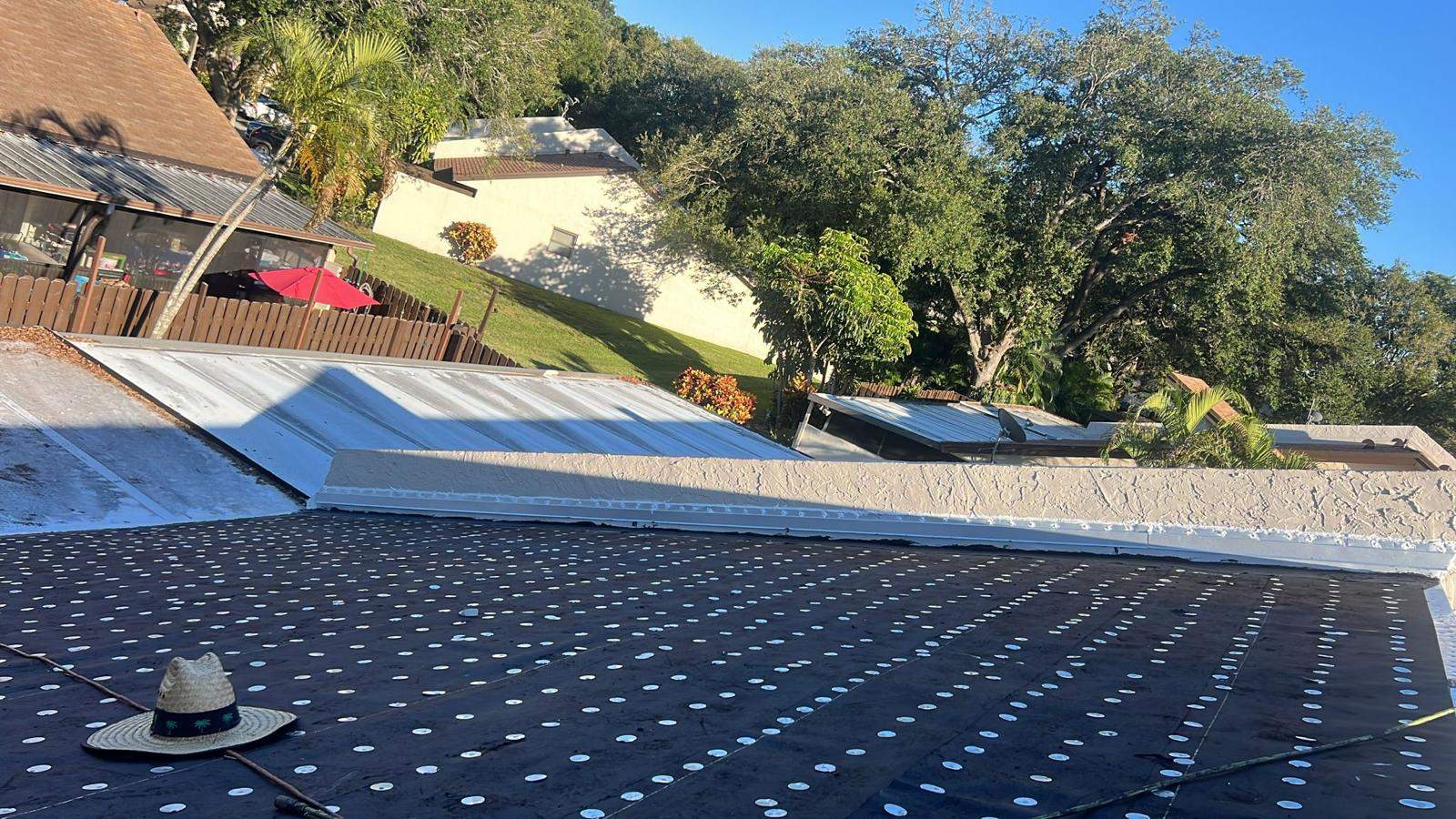
- Perimeter and edge metal — drip edge, eave, and rake terminations fastened to code spacing
- Rooftop equipment — HVAC curbs, solar mounts, and satellite anchors resealed and secured
- Drainage — gutters, downspouts, scuppers, and internal drains cleared and flowing
- Loose material inventory — any cracked tile or lifted shingle removed and replaced rather than left to become a projectile
- Documentation — a dated photo set stored somewhere you can retrieve after a storm
That last item does more for a future insurance conversation than anything else on the list. A dated pre-season condition report is the difference between "storm damage" and "pre-existing wear" when an adjuster walks your roof in September.
June Through November: Wet Season and Storm Response
During the wet season, the goal shifts from improvement to monitoring. You are not going to rebed tile in an August afternoon thunderstorm. You are watching for signs that water is getting in.
Check after any significant rain event:
- Ceiling and wall corners in the rooms directly under valleys or roof-to-wall transitions
- Attic sheathing for dark streaks radiating from a nail or seam
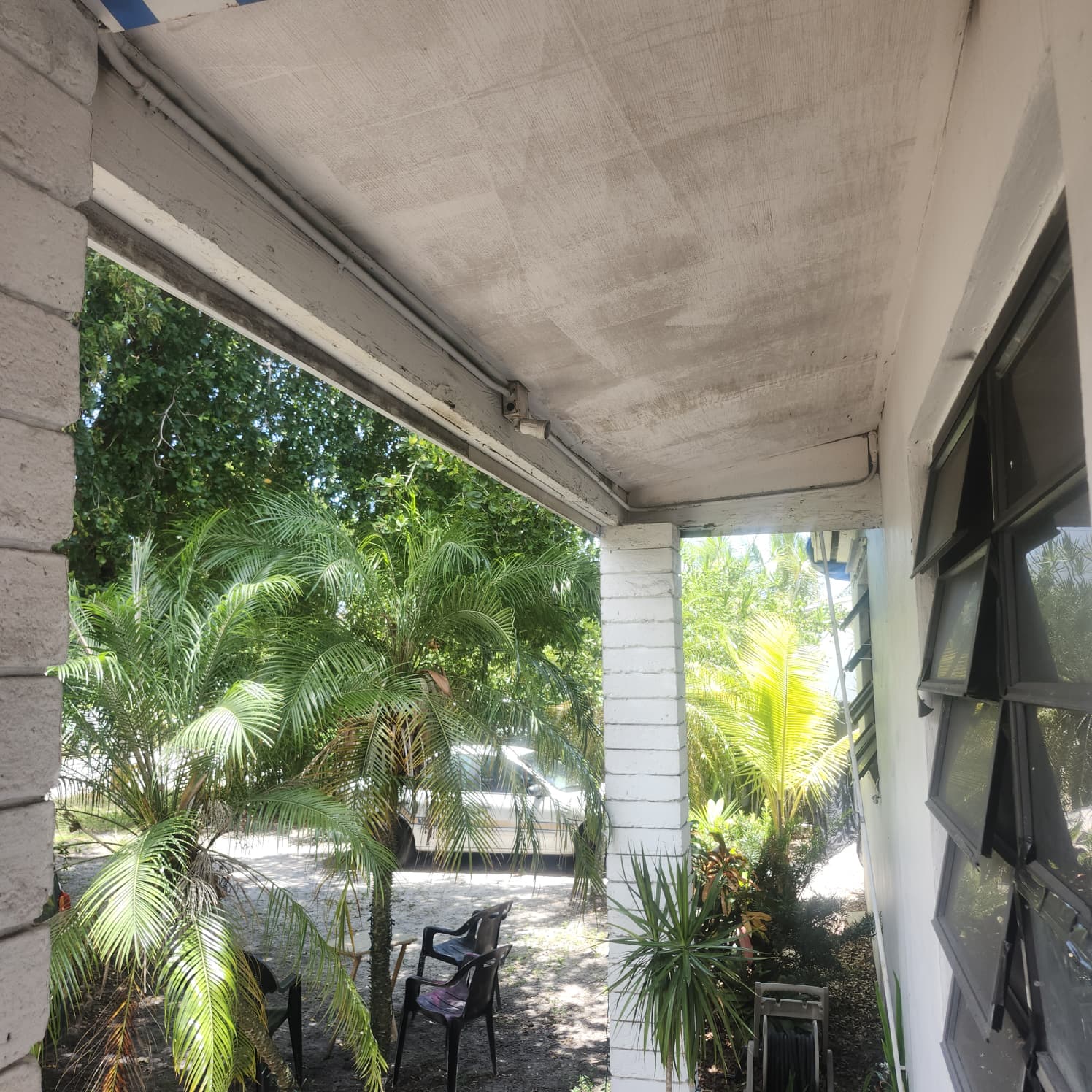
- A/C closet and soffit vents for staining or a musty smell that was not there last month
- Gutter overflow patterns during rain, which tell you where a blockage sits
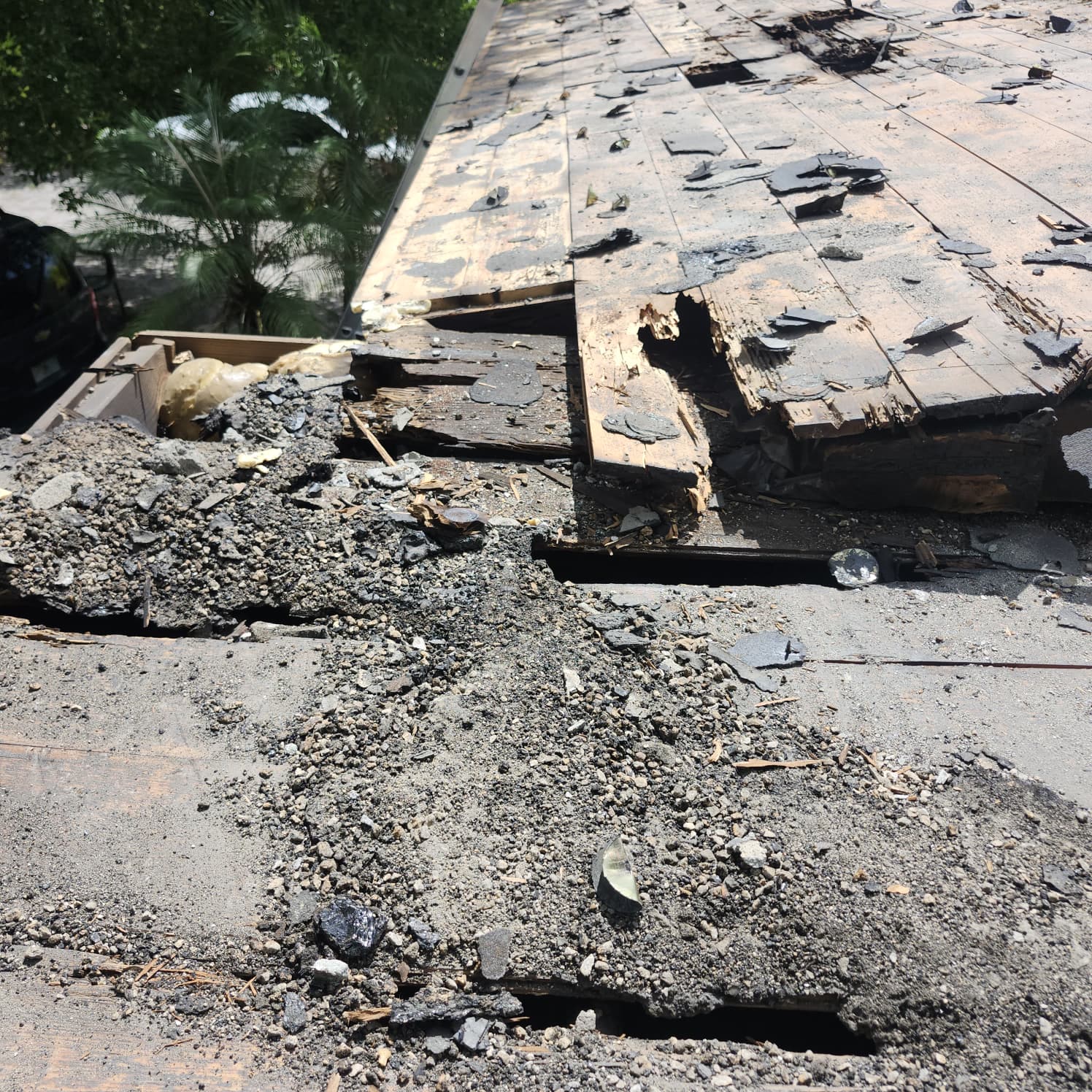
When something does show up mid-season, act on it as a repair, not as a full project. Targeted roof repair during the wet months keeps water out of your insulation and drywall until the dry season allows for a permanent correction. If a storm has already torn material loose and water is actively entering the structure, that is not a maintenance item — that is a call for emergency roofing service and a temporary dry-in.
December: The Honest Assessment
The end of the year is the right time to ask the harder question: is this roof still worth maintaining? A roof at year eight with two documented repairs is a maintenance candidate. A roof at year twenty-two with underlayment failure across multiple slopes is not — you are paying to postpone something that is going to happen anyway.
Signs that the conversation should shift toward roof replacement:
- Repairs in three or more separate areas within two seasons
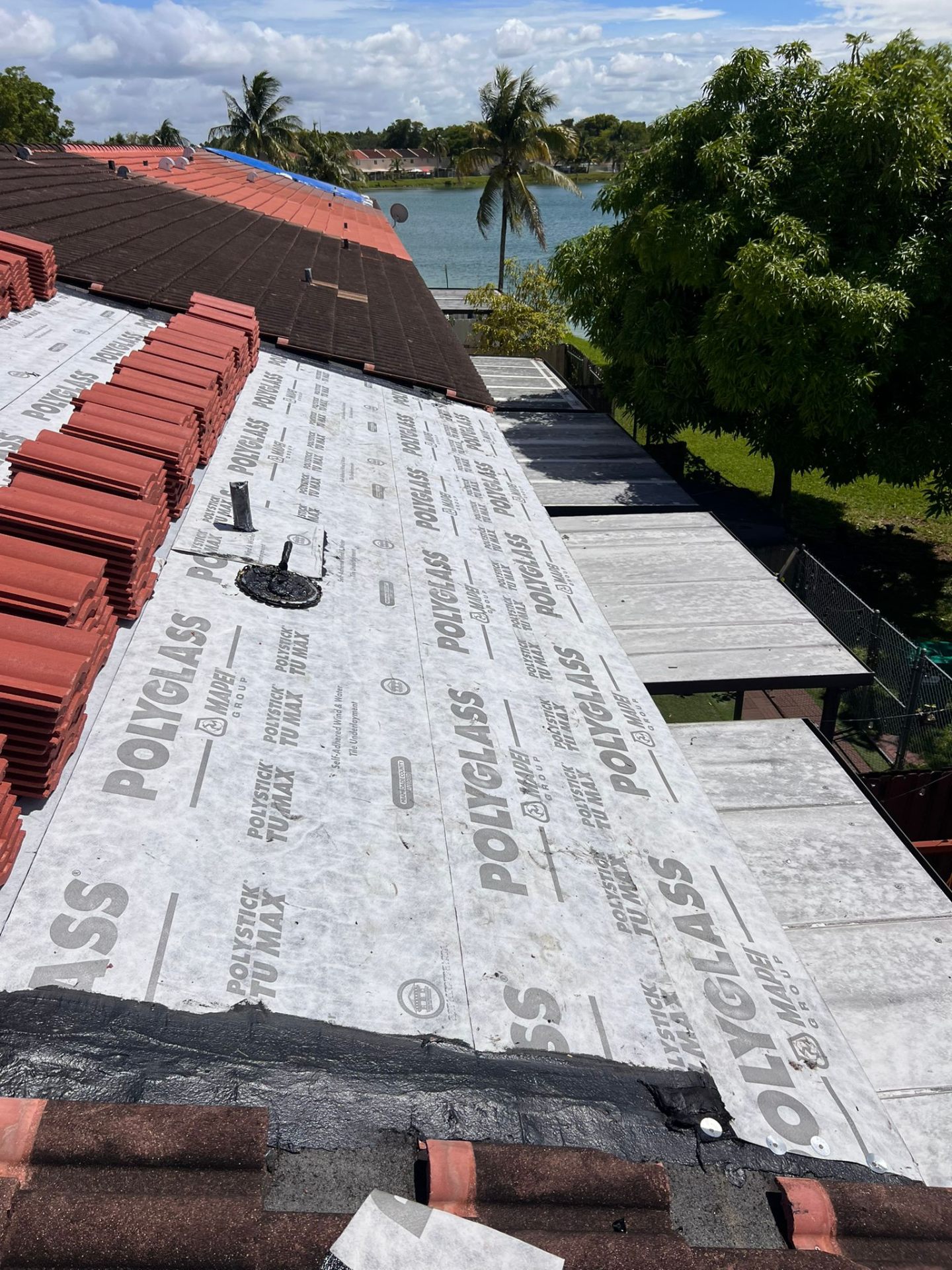
- Underlayment brittle or crumbling wherever it is exposed
- Decking that flexes underfoot in more than one location
- An insurer requesting documentation on a roof past its rated service life
There is no shame in maintaining an older roof for a few more years, but it should be a decision made with numbers in front of you rather than a default.
Why the Miami Calendar Is Different
Homeowners moving here from other states often keep their old habits — inspect once a year in the fall, clean gutters when the leaves drop. Neither maps onto South Florida.
Three local factors reset the schedule:
Salt air. In coastal pockets like Keystone Point, Bay Harbor Islands, and Sunny Isles, airborne chloride attacks fasteners and metal edge components on a much faster cycle than inland homes experience.
UV load. Miami sun degrades exposed sealants and membrane surfaces year-round, not seasonally. Anything relying on a bead of caulk is on a two-to-four-year replacement clock.
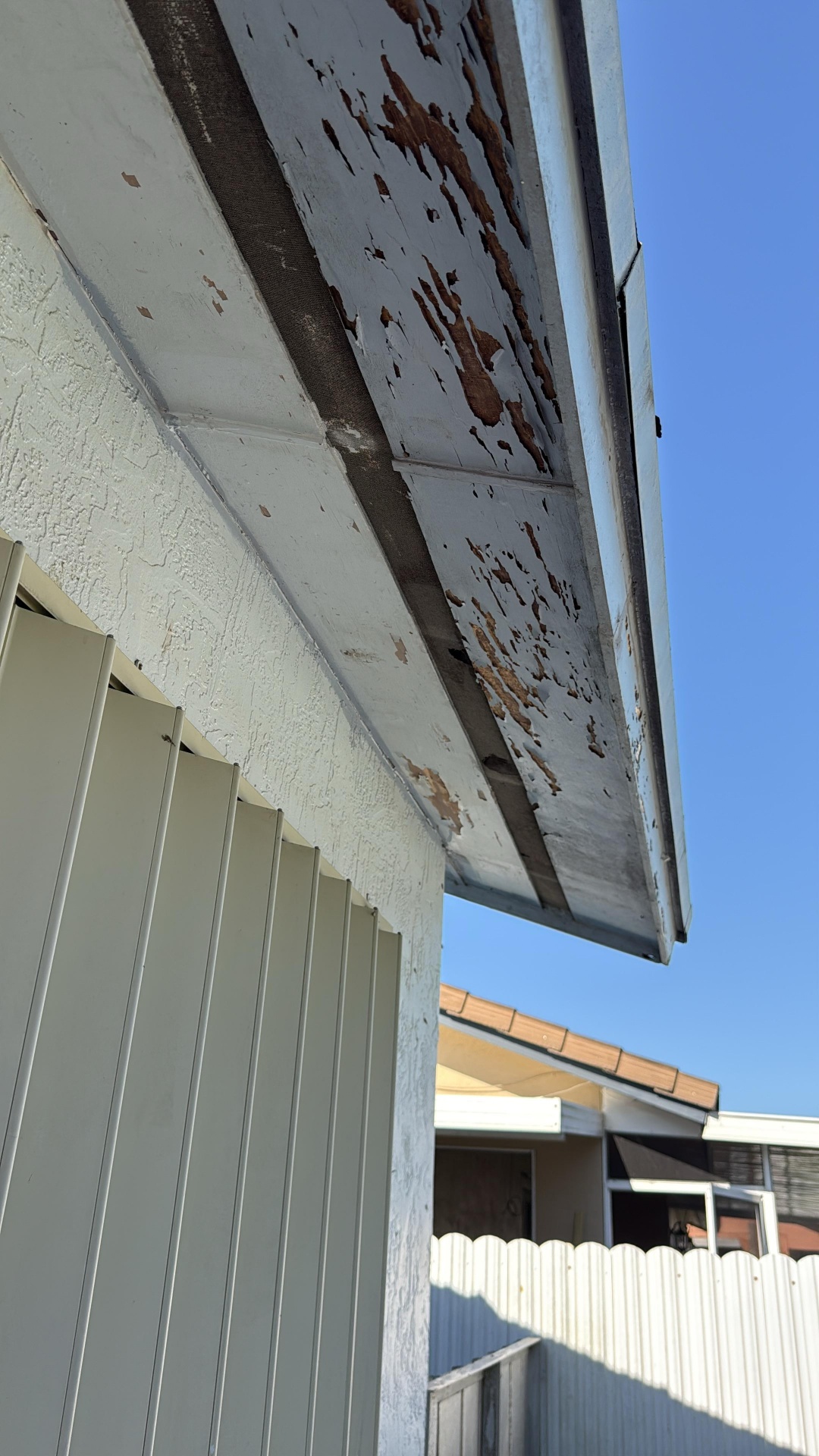
Rain intensity. It is not the annual total that matters, it is how much falls in ninety minutes. A drainage path that handles a normal rain fails under Miami volume, and the overflow finds fascia and soffit first.
Because of that, we treat two professional visits per year as the baseline in Miami-Dade, and add a post-storm visit whenever a named system passes close enough to produce sustained tropical-storm-force winds.
What Homeowners Can Do and What They Should Not
Ground-level observation, gutter clearing from a stable ladder, trimming branches back from the roof plane, and interior attic checks are all reasonable homeowner tasks. Walking a wet tile roof, pressure washing a shingle surface, or sealing a flashing detail without understanding the water path underneath are not — those three account for a meaningful share of the avoidable damage we see.
A professional roof inspection and maintenance visit exists to catch what you cannot reach or interpret: fastener backout, underlayment condition at penetrations, subtle deck movement, and the early-stage flashing separation that has not produced a stain yet.
Where to Go Next
This calendar covers the outside of the roof. The next article in this series looks inward, at what your attic and ventilation are telling you between inspections — the signals that usually appear weeks before a ceiling stain: reading the attic and ventilation clues that predict a roof leak.
Ready to put your roof on a schedule instead of a crisis timeline? Contact PSR Roofing Company Of Miami to book a roof inspection and maintenance visit, or call (786) 889-4090. You can also find us at 1811 NE 142nd St, Miami, FL 33181 — view our location on Google Maps.
Need help with Roof Inspection?
PSR Roofing is Miami's licensed & insured expert for roof inspection. Free estimates, honest pricing, and 24/7 emergency response.