Tile, Metal, Shingle, or Flat: Roof Inspection and Maintenance by Material in Miami
Generic maintenance advice does real damage in South Florida. Telling a tile-roof owner to walk the roof and clear debris produces cracked tile. Telling a metal-roof owner to seal every seam produces trapped moisture. Telling a flat-roof owner that annual attention is enough produces ponding water that finds a seam in August.
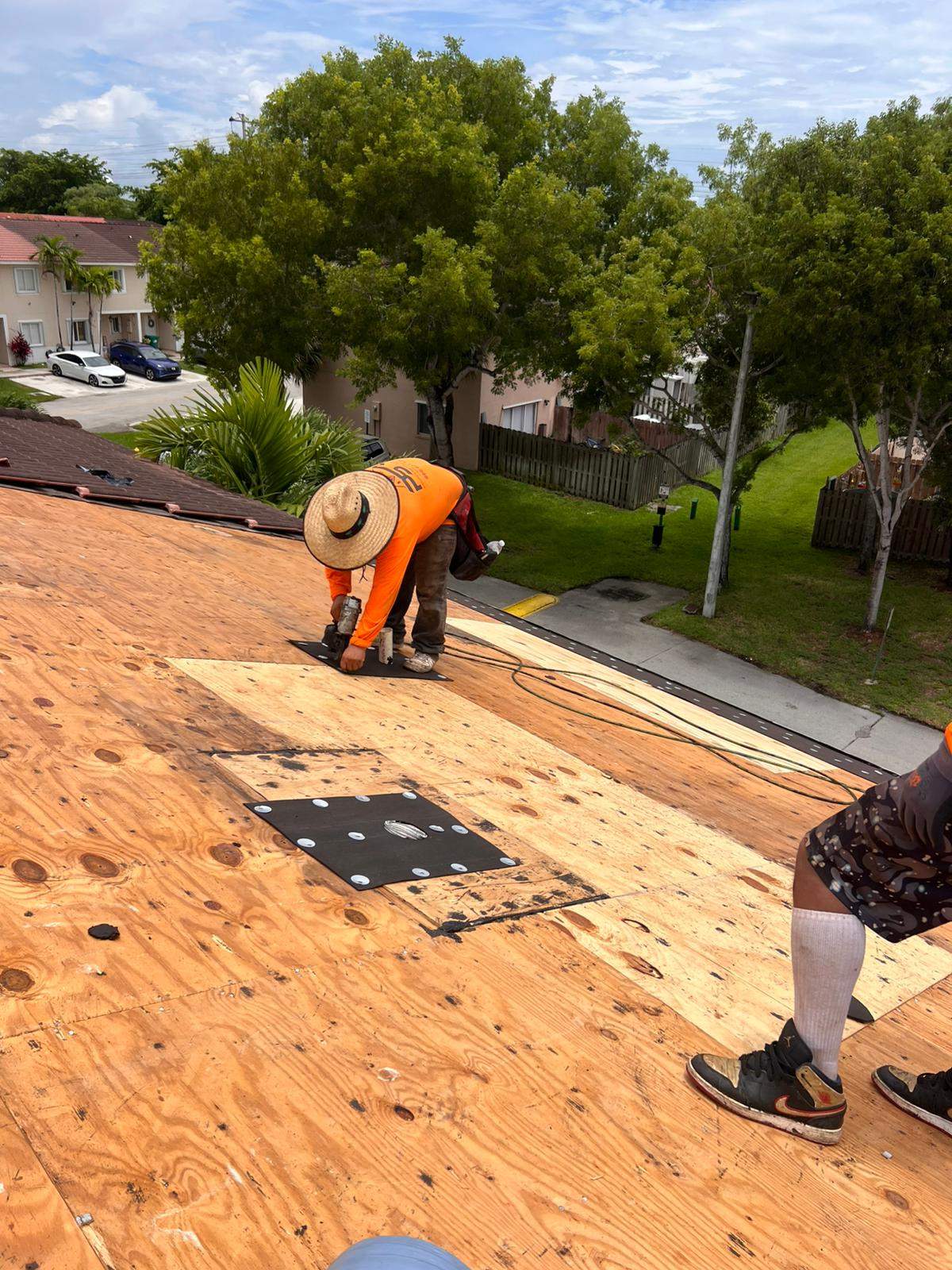
Material determines almost everything about how a roof deteriorates, and therefore what a competent roof inspection and maintenance visit should cover. Here is how the four systems we work on most across Miami-Dade differ in practice.
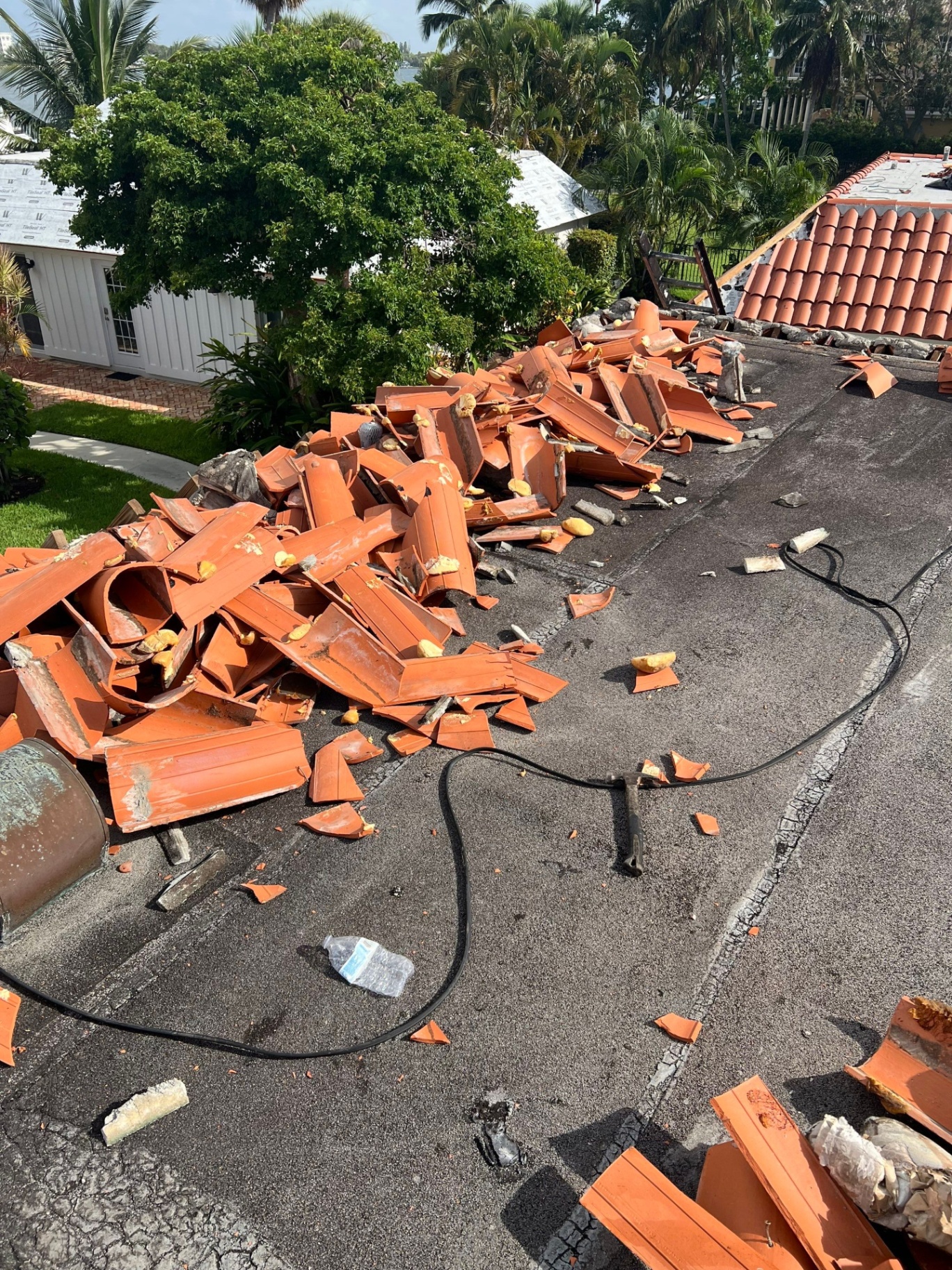
Concrete and Clay Tile
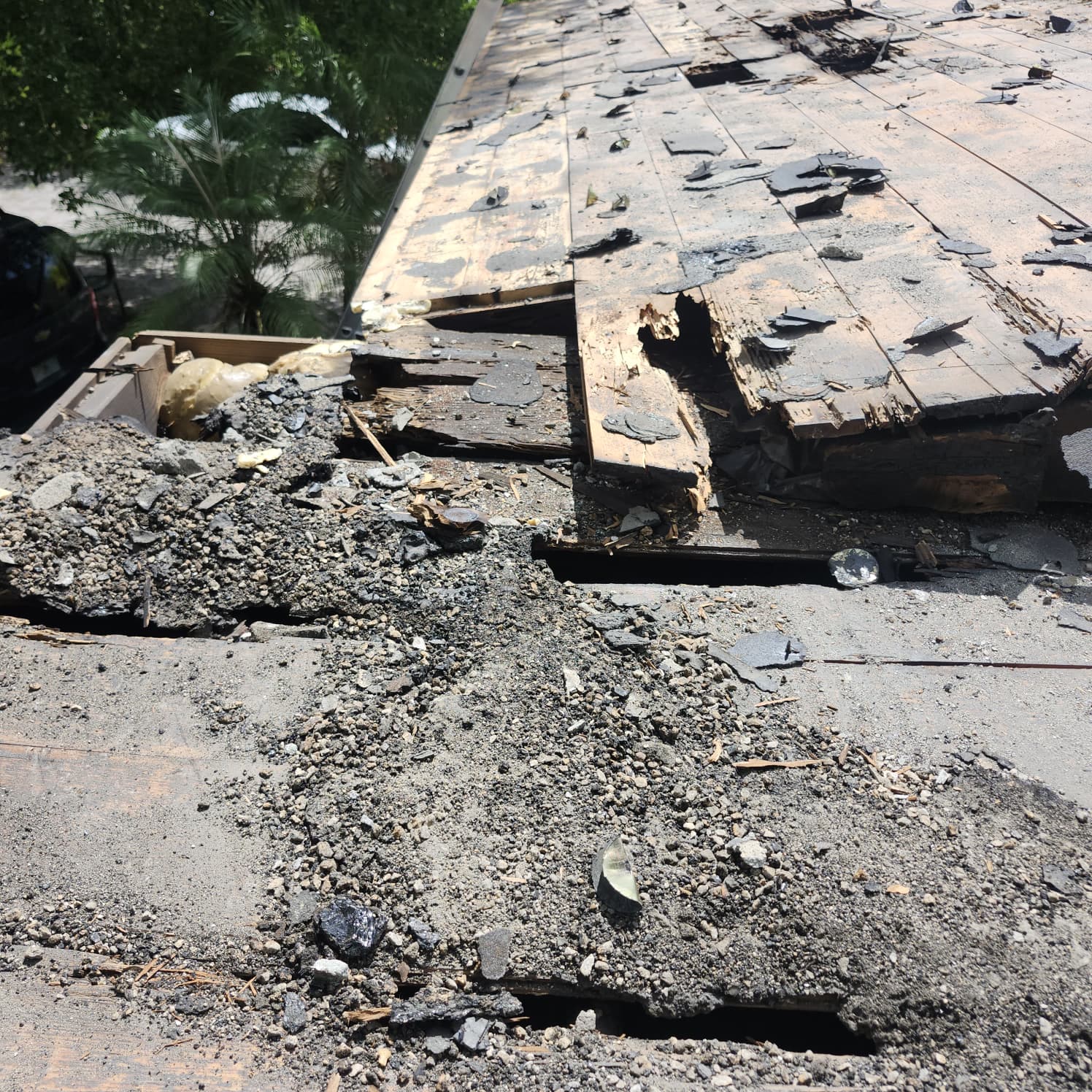
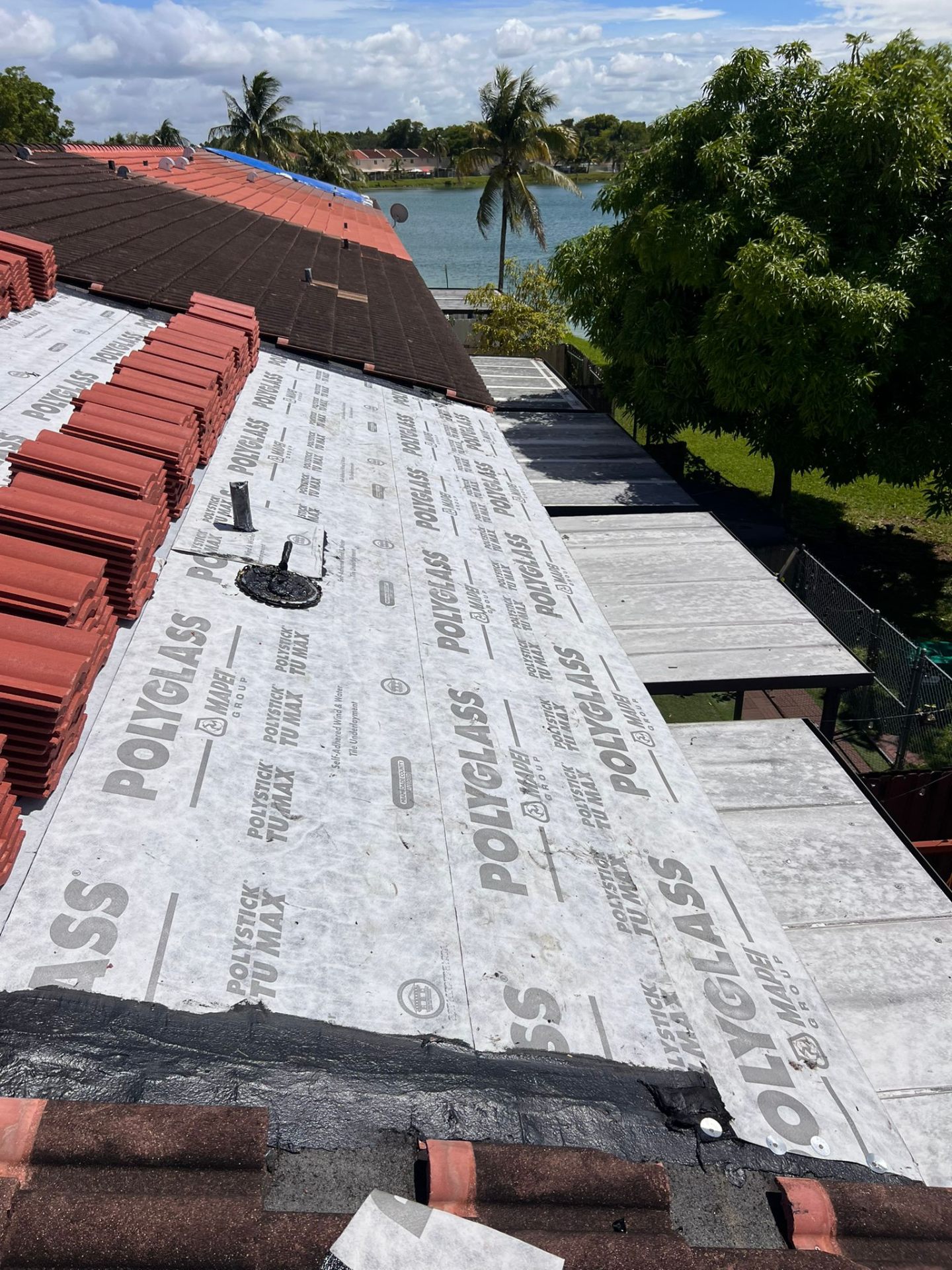
Tile is the dominant residential system in Miami Shores, Coral Gables, and much of Aventura, and it is the one most often misunderstood. The tile is not the waterproofing. The underlayment beneath it is. Tile is a wear surface and a wind-rated cover, which means a tile roof can look immaculate while being functionally near the end of its life.
What inspection focuses on:
- Underlayment condition at eaves, valleys, and penetrations, where it is accessible and where failure begins
- Cracked, slipped, or broken tile, especially in traffic paths from prior HVAC or solar work
- Mortar at ridge and hip courses — cracked, missing, or debonded pointing
- Attachment integrity on mechanically fastened systems, particularly for corrosion
- Valley metal for debris accumulation and corrosion
- Efflorescence and biological growth, which trap moisture against the surface
Maintenance rules that matter: never pressure wash tile at high pressure, never walk it without knowing the load path, and treat every removed tile as a tile to be replaced properly rather than reset loose. When underlayment is failing broadly, the correct answer is a re-roof with tile reuse where possible, not continued spot roof repair.
Metal Panel and Standing Seam
Metal performs extremely well in Miami wind, and poorly against neglect at its fasteners and terminations. The panels almost never fail. The connections do.
Inspection priorities:
- Exposed fastener condition — backed-out screws, degraded neoprene washers, rust rings
- Panel end laps and seam integrity on standing seam systems
- Terminations at ridge, hip, valley, and eave, where wind-driven rain gets pushed uphill
- Penetration flashing at pipes and curbs, which needs to accommodate thermal movement
- Galvanic contact — dissimilar metals touching, a frequent cause of premature localized corrosion
- Coating condition, chalking, and any scratch that has broken the finish through to substrate
Metal roofs expand and contract measurably in Miami's daily temperature swing. Rigid sealant applied across a moving joint fails within a season or two. Correct maintenance uses details designed to move.
Asphalt Shingle
Shingle is common in Biscayne Park, El Portal, and much of the 1950s–1970s housing stock in North Miami. It is the most forgiving material to inspect and the least forgiving of Miami UV.
What we look at:
- Granule loss, both on the surface and accumulating in gutters
- Sealant strip bond — shingles that lift by hand have lost their wind resistance
- Thermal cracking and curling at exposed southern and western slopes
- Nail pops telegraphing through the surface
- Valley and step flashing condition where shingles meet walls and chimneys
- Pipe boots, which typically fail years before the shingles do
The pipe boot point is worth emphasizing: on Miami shingle roofs, a fifteen-dollar component causes a disproportionate share of interior water damage. Replacing boots on a proactive cycle is one of the cheapest pieces of maintenance available.
Low-Slope and Flat Systems
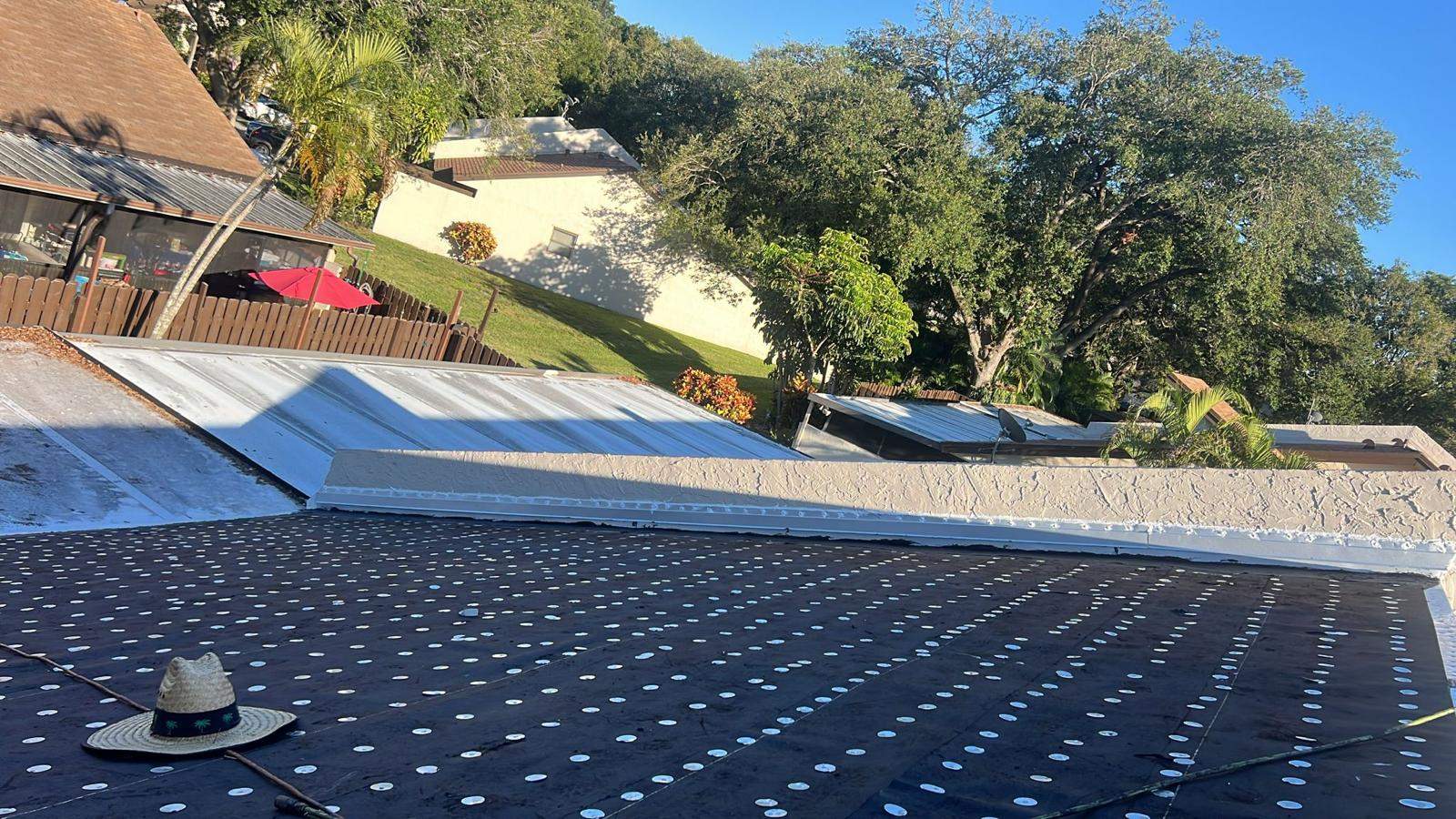
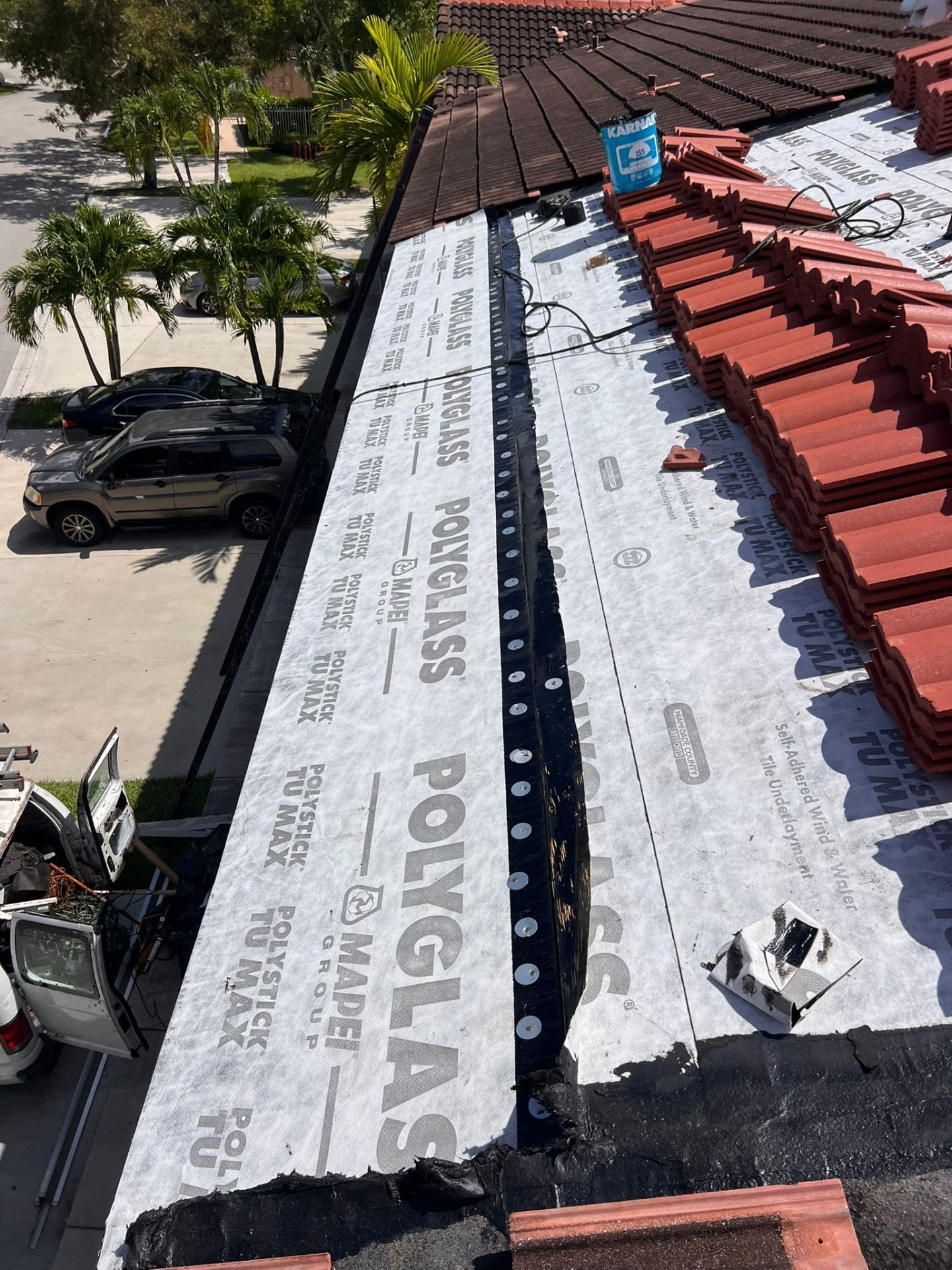
Flat roofs — modified bitumen, TPO, and older built-up assemblies — dominate on additions, carports, and commercial and multifamily buildings throughout the corridor. They need the most frequent attention because water does not leave them on its own.
Inspection covers:
- Drainage performance: drains, scuppers, and overflow paths, with attention to any ponding lasting more than 48 hours
- Seam and lap integrity, probed rather than eyeballed
- Blisters, ridging, and splits in the membrane
- Base flashing at parapets and curbs, the most common failure location
- Termination bars and counterflashing fastening and sealant condition
- Surface condition and reflectivity on coated systems
- Equipment areas, where foot traffic and condensate lines cause chronic damage
Twice-yearly professional attention is the minimum on a low-slope roof in Miami, plus clearing after any heavy debris event. Ponding is the primary aging accelerator, and it is usually correctable with drainage work rather than a new membrane.
Quick Comparison
| System | Inspection frequency | Primary failure point | Homeowner should never |
|---|---|---|---|
| Tile | Twice yearly | Underlayment, ridge mortar | Walk it or pressure wash it |
| Metal | Twice yearly | Fasteners, terminations | Seal moving joints rigidly |
| Shingle | Twice yearly | Pipe boots, sealant strip | Pressure wash or foot-traffic it hot |
| Low-slope | Twice yearly, plus post-storm | Base flashing, drainage | Ignore standing water |
Across all four, drainage is the common denominator. A roof of any material lasts longer when water leaves it quickly, which is why gutter installation and repair belongs in a maintenance conversation rather than being treated as a separate cosmetic project.
Matching the Plan to Your Roof
The practical takeaway is to stop asking how often a roof should be inspected and start asking what should be inspected on your roof. A maintenance visit on a tile roof in Keystone Point and a maintenance visit on a modified bitumen roof over an Aventura commercial building share almost no line items.
Documented, material-specific roof inspection and maintenance also holds up better with insurers and manufacturers, because it demonstrates the roof was serviced according to the system it actually is.
Continue the Series
Previous article: salt air, corrosion, and coastal roof inspection and maintenance.
Next: maintenance records are now part of keeping your policy — how roof inspection and maintenance documentation affects Florida insurance renewals.
Not sure what your roof system needs? Contact PSR Roofing Company Of Miami or call (786) 889-4090 for a material-specific assessment. Visit us at 1811 NE 142nd St, Miami, FL 33181 — directions on Google Maps.
Need help with Roof Inspection?
PSR Roofing is Miami's licensed & insured expert for roof inspection. Free estimates, honest pricing, and 24/7 emergency response.