Salt Air, Corrosion, and Coastal Roof Inspection and Maintenance in Miami
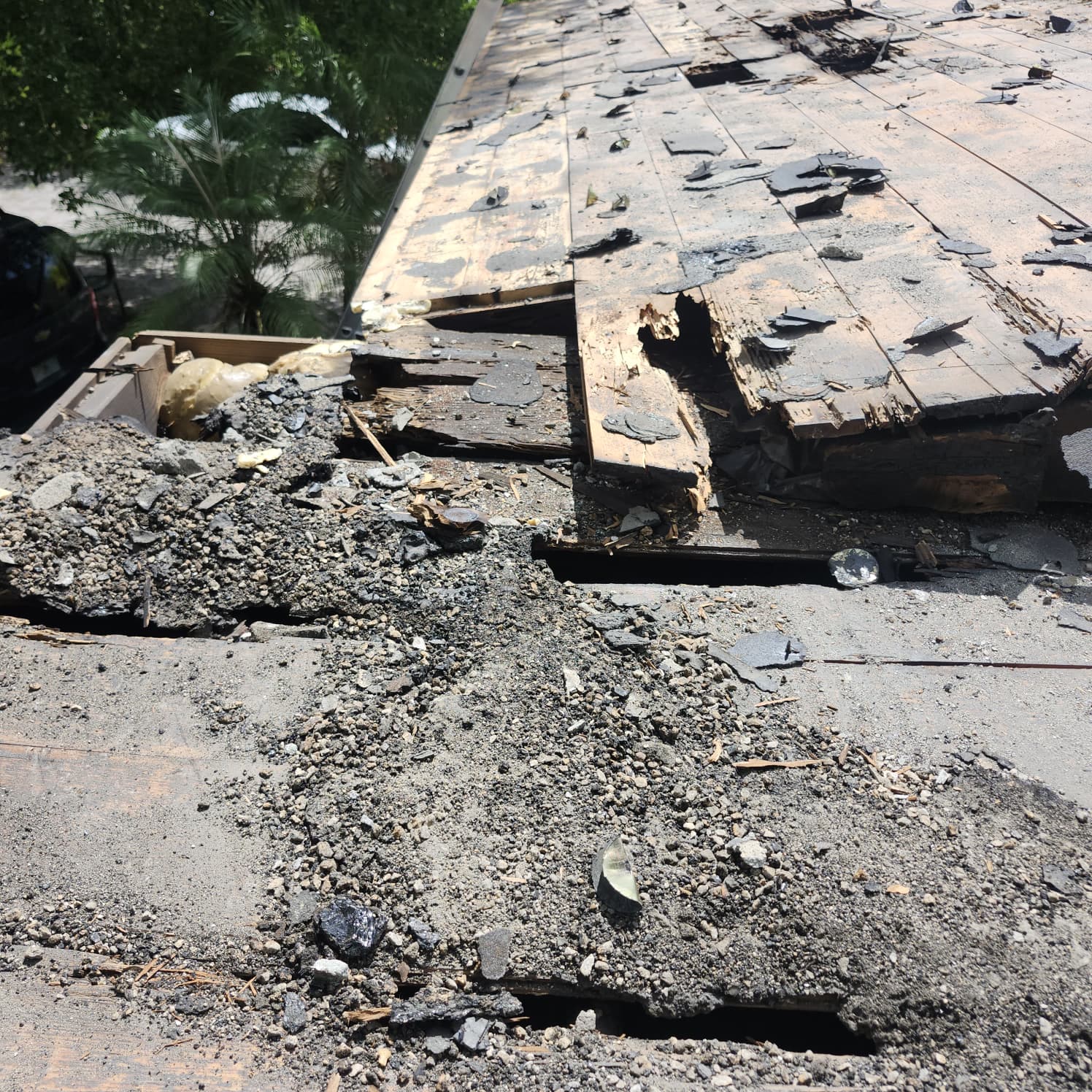
Two identical homes, built the same year by the same builder, with the same roof system. One sits in Miami Springs. The other sits on a canal in Keystone Point, four blocks from open water. At year twelve, the inland roof needs routine attention. The coastal roof has fastener heads corroded through, drip edge with perforation rust, and vent collars that crumble when touched.
The materials did not fail. The metal holding them together did. That is the central reality of coastal roof inspection and maintenance in Miami-Dade, and it changes what an inspector should be looking at.
How Chloride Exposure Actually Works
Salt does not need waves. Airborne chloride travels inland on the prevailing easterly breeze, settles on surfaces, and stays there until rain rinses it off. On a roof, it collects in exactly the places rain does not reach efficiently: under lifted tile edges, behind fascia, inside gutter seams, at the underside of drip edge, and around fastener heads recessed below the surface plane.
Once chloride sits on steel, it accelerates oxidation dramatically, and it keeps working through Miami's humid nights when surfaces stay damp for hours. The result is corrosion that starts hidden and progresses from the inside of an assembly outward.
Exposure severity generally tracks distance from open water:
- Within roughly a quarter mile — aggressive. Expect visible corrosion on unprotected metal within a few years.
- A quarter mile to about a mile — significant. Fasteners and edge metal need dedicated attention at every inspection.
- Beyond a mile — moderate, but never negligible in Miami-Dade. The breeze still carries.
Neighborhoods where we see the aggressive pattern consistently include Keystone Point, Bay Harbor Islands, Sunny Isles Beach, Indian Creek, and the bayfront stretches of North Miami and Aventura.
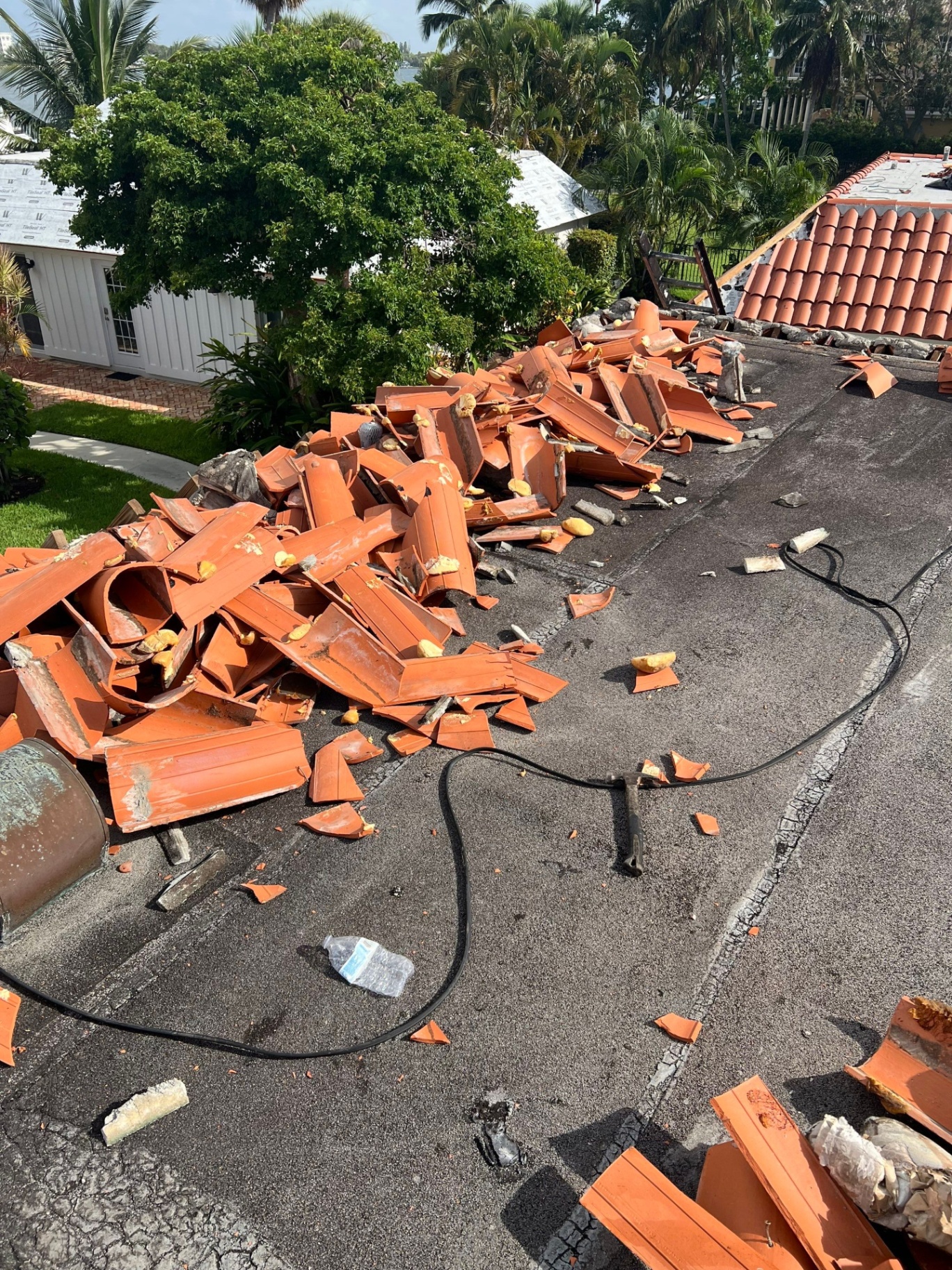
The Components That Fail First
A coastal inspection follows the metal, not the field of the roof.
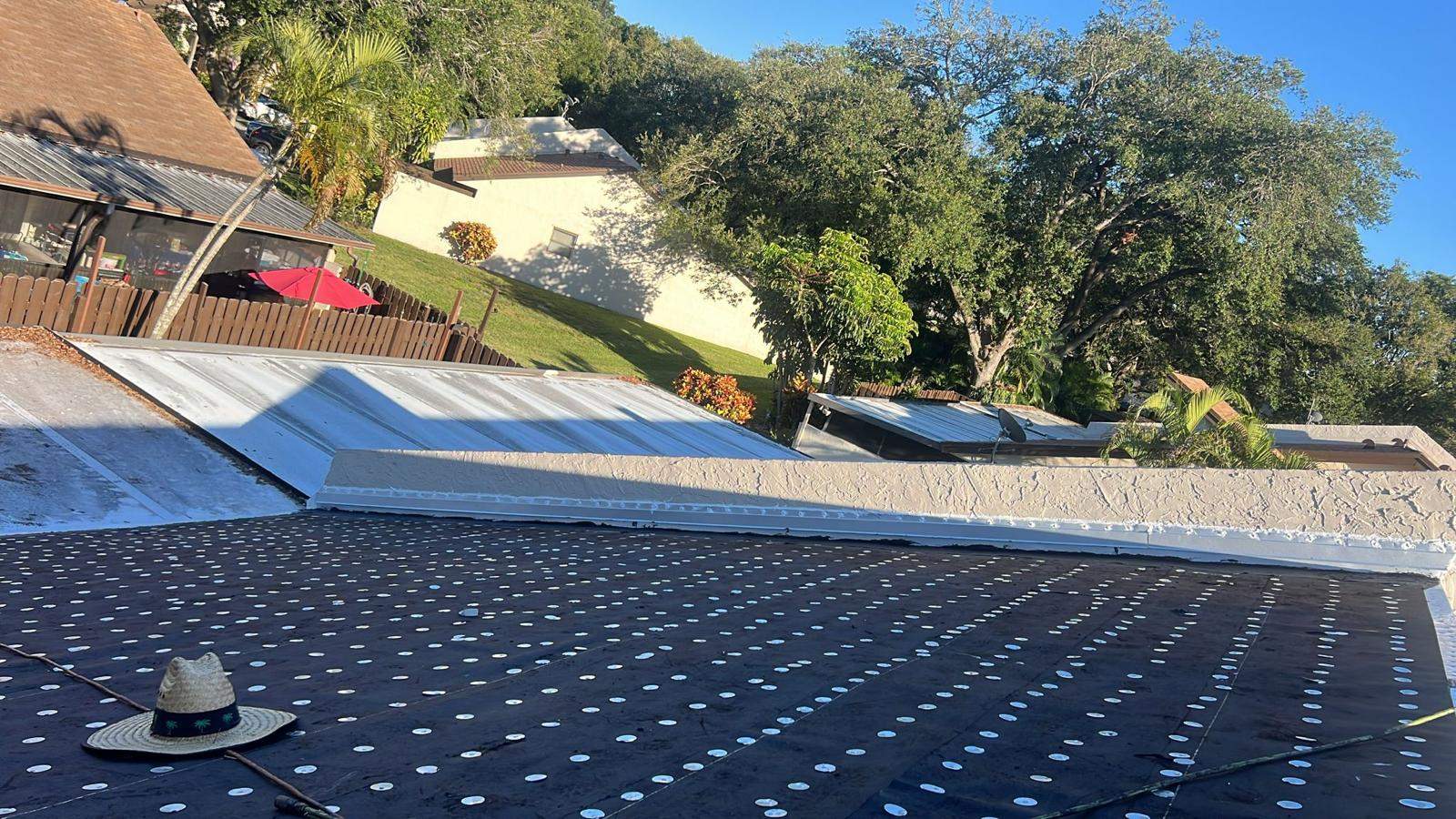
Fasteners. Electro-galvanized nails and screws have a very short coastal life. Hot-dip galvanized performs better; stainless performs best. When we find rust-stained streaks below a fastener line, the fastener is already compromised even if the surrounding material looks new.
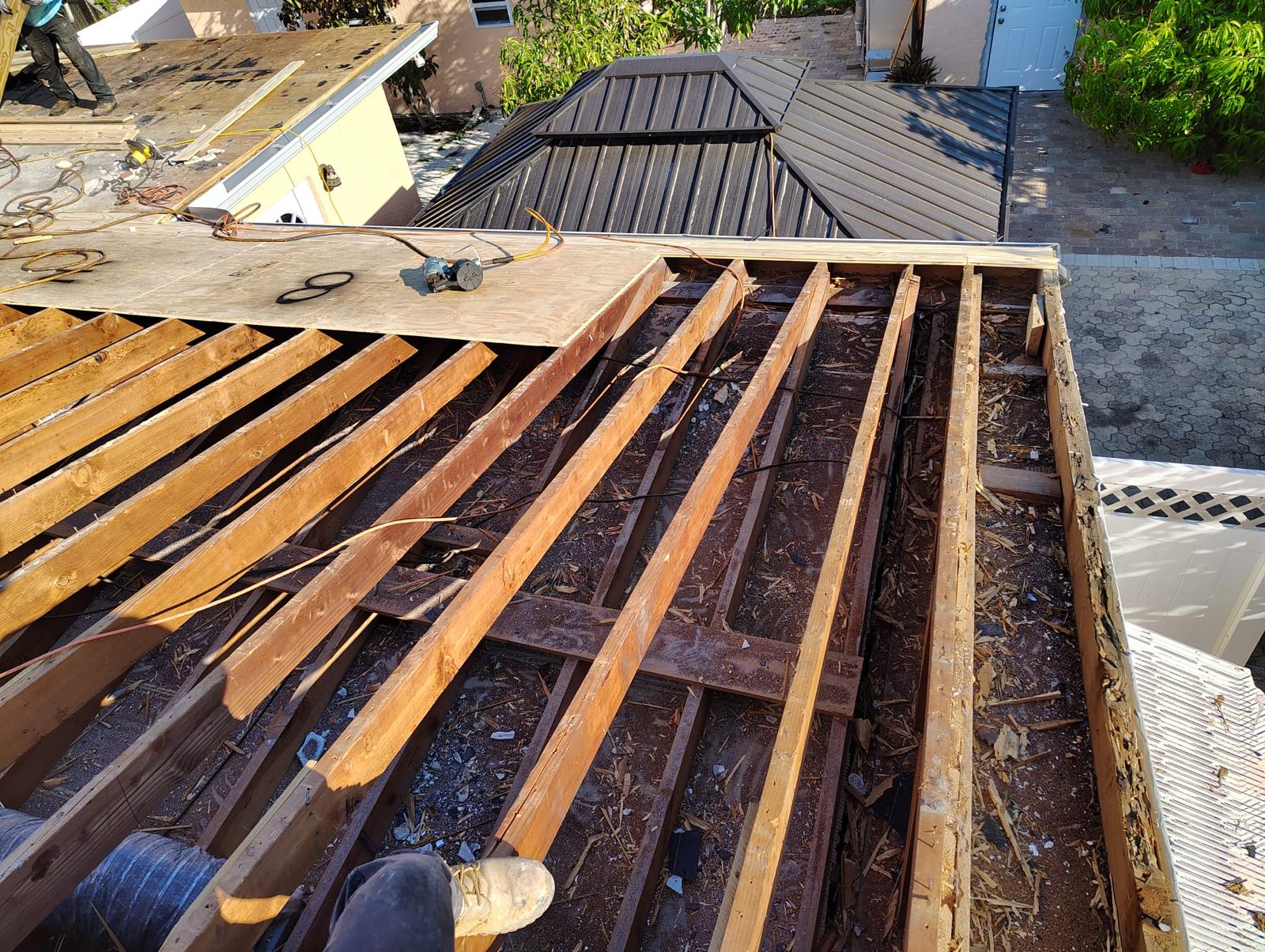
Drip edge and rake metal. These take direct spray and hold moisture against the underlying wood. Perforation here means water is entering the eave, which is where fascia rot begins.
Vent collars and pipe boots. Metal collars corrode at the base where they meet the deck. Combined with UV degradation of the sealant, this is the single most common coastal leak point we document.
Gutter hangers and fascia attachment. Hangers fail before the gutter itself does, which is why full gutters pull away from the house during heavy rain. When that shows up, gutter installation and repair is not cosmetic — it is protecting the wood behind it.
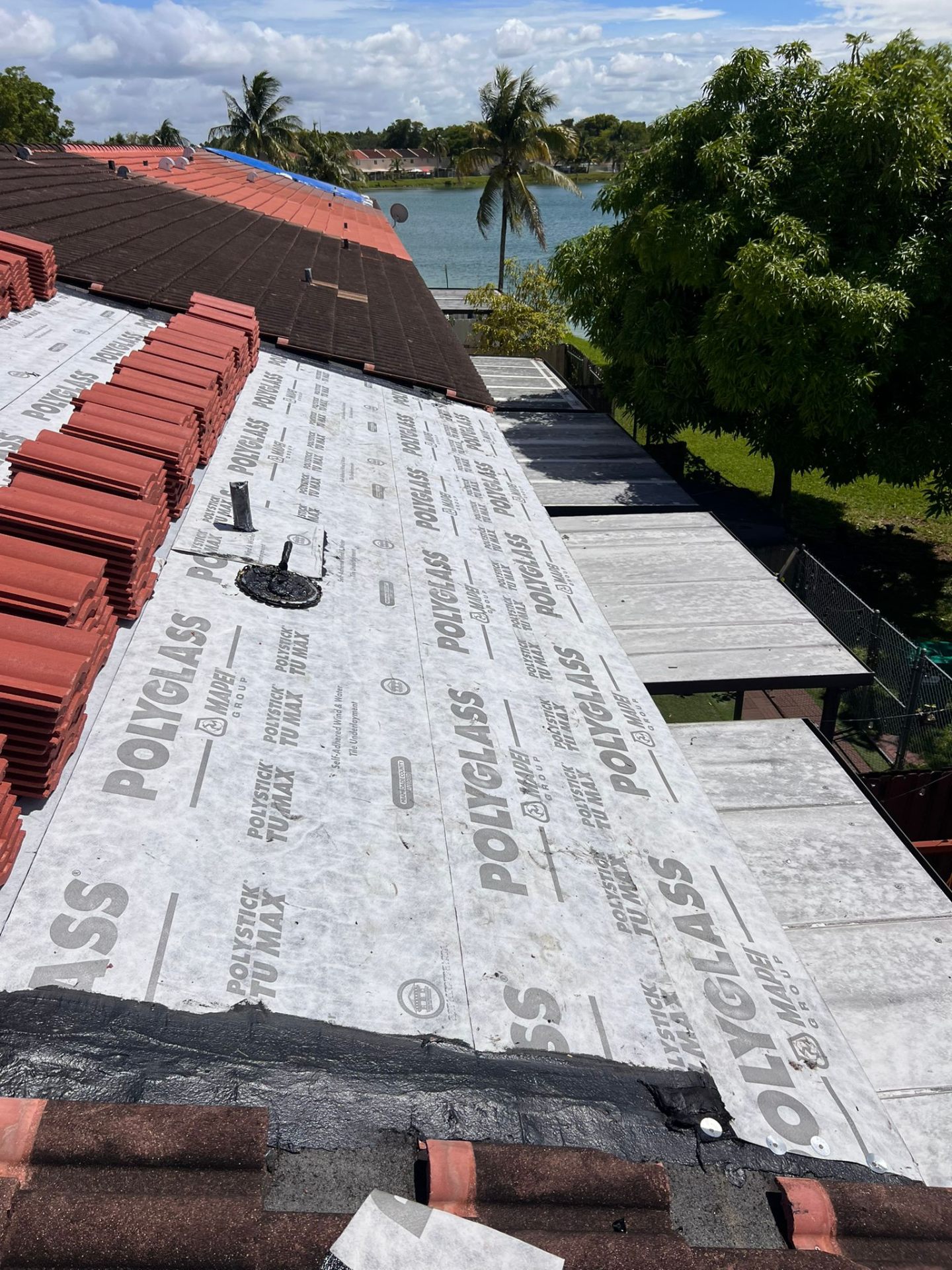
Tile fastening hardware and hurricane clips. On tile roofs, the mechanical attachment is what keeps material on the roof at design wind speed. Corroded attachment is a wind-uplift problem long before it is a leak problem.
Maintenance That Actually Slows Corrosion
You cannot stop chloride deposition, but you can manage it. The interventions that make a measurable difference on coastal roofs:
- Fresh-water rinsing of the roof surface, edge metal, and gutter interiors on a scheduled basis. This is the highest-value, lowest-cost coastal maintenance task and almost nobody does it.
- Keeping gutters and scuppers clear so salt-laden debris is not held permanently against metal and fascia.
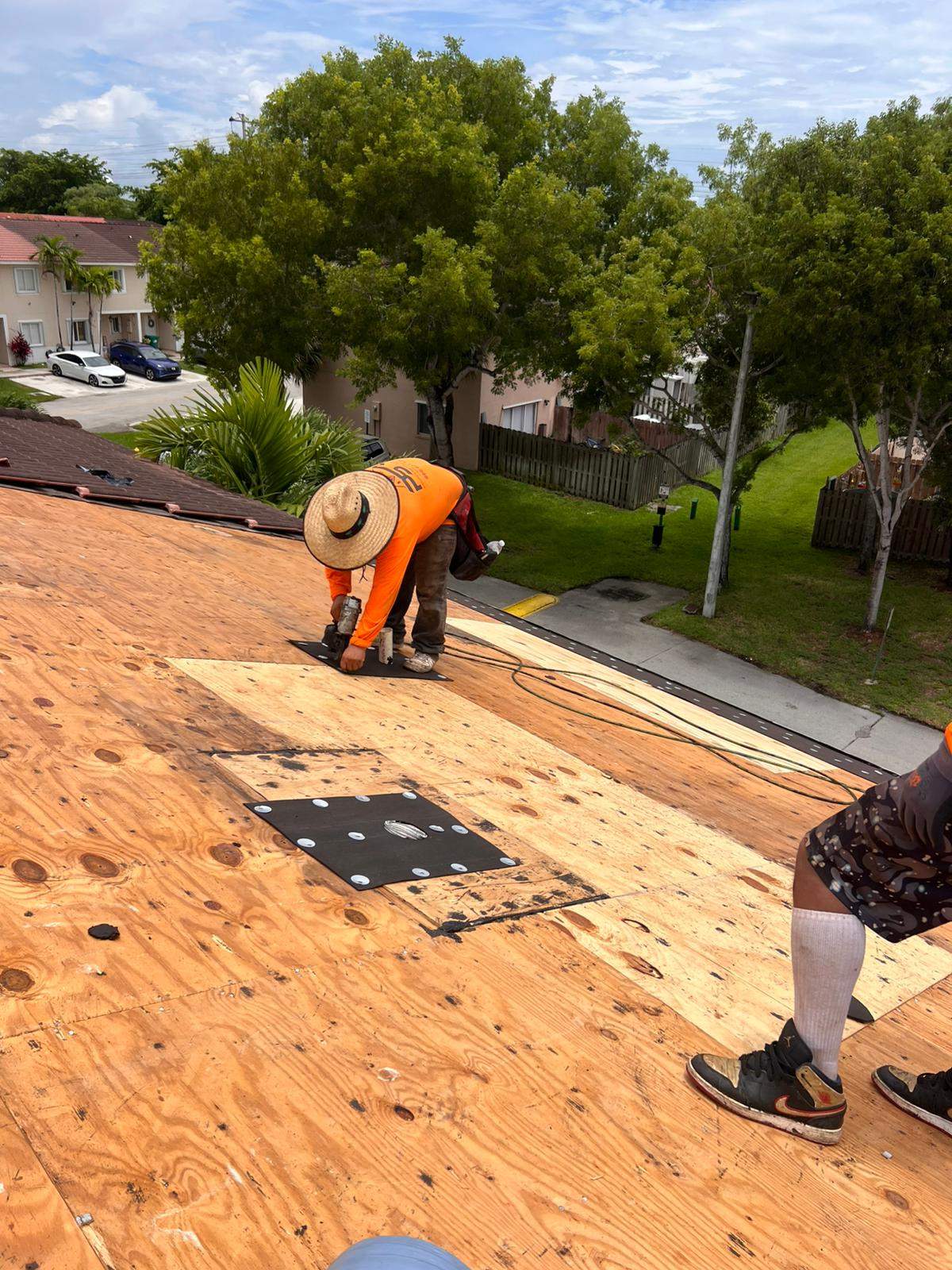
- Replacing corroded fasteners with stainless equivalents as they are found, rather than waiting for a whole-roof event.
- Renewing sealants on a defined cycle — coastal UV plus salt cuts sealant life short of the manufacturer's inland expectation.
- Specifying corrosion-appropriate hardware at every repair. A repair with the wrong fastener quietly resets the clock backward.
- Documented semi-annual inspection, because coastal deterioration is progressive and only visible if someone is comparing against last visit's photos.
That photo comparison is the part homeowners underestimate. A single inspection tells you the current condition. A series tells you the rate of change, which is what determines whether you are maintaining a roof or delaying a replacement.
Why Coastal Roofs Need Different Repair Standards
When corrosion is the driver, a repair done to ordinary standards will fail early. Coastal work should specify stainless or hot-dip galvanized fasteners, compatible metals at every junction to avoid galvanic reaction, and sealants rated for continuous UV and salt exposure.
This matters for warranty conversations too. A manufacturer's material warranty may exclude corrosion-related failure, and coastal exclusions are common. Any roof repair performed on a waterfront home should be documented with the specific materials used, so you know what you have when the question comes up years later.
When Corrosion Means the Roof Is Done
Localized corrosion is a maintenance item. System-wide corrosion is not. We recommend moving toward roof replacement when we find:
- Fastener failure distributed across multiple slopes rather than concentrated at one exposure
- Drip edge perforated along the majority of the perimeter
- Rusted attachment hardware on a tile roof, where re-securing the field is impractical
- Underlayment failure at the eaves combined with fascia deterioration
At that point, replacement with corrosion-appropriate components costs less over ten years than repeated repairs to an assembly whose hardware is at the end of its life.
What Coastal Homeowners Should Watch Between Visits
Rust-colored streaking on tile or shingle surfaces, staining down the fascia, gutter sections holding standing water, and screws visibly backing out of edge metal are all findings worth a phone call. So is any tile that shifts underfoot from the ground-level view — corroded attachment often shows itself as movement before it shows as damage.
Consistent roof inspection and maintenance does not make a coastal roof last as long as an inland one. It does mean you replace it on your schedule, after a storm season rather than during one.
Continue the Series
Previous article: what your attic reveals during roof inspection and maintenance.
Next: maintenance tasks are not universal — tile, metal, shingle, and flat roofs each need different inspection and maintenance work.
Own a home near the water? Contact PSR Roofing Company Of Miami for a coastal roof inspection and maintenance assessment, or call (786) 889-4090. Our office is at 1811 NE 142nd St, Miami, FL 33181 — find us on Google Maps.
Need help with Roof Inspection?
PSR Roofing is Miami's licensed & insured expert for roof inspection. Free estimates, honest pricing, and 24/7 emergency response.