How Roof Inspection and Maintenance Records Protect Your Florida Insurance Renewal
Over the last several years, the conversation between Miami homeowners and their insurers has changed. Carriers that once renewed policies without much thought now request roof documentation, dispute the age of roofs, apply actual-cash-value settlements to older systems, and in some cases decline renewal entirely on a roof that has not leaked once.
Homeowners who have documented roof inspection and maintenance records handle those conversations from a position of evidence. Homeowners who do not are left arguing from memory. That difference has real financial weight, and it is worth understanding before your next renewal notice arrives.
What Carriers Are Actually Evaluating
Underwriting decisions on Florida roofs tend to come down to four questions:
How old is the roof? Permit records and prior invoices establish this. When documentation is missing, an inspector estimates, and estimates skew conservative.
What condition is it in right now? Photographs of the surface, edges, penetrations, and any visible underlayment.
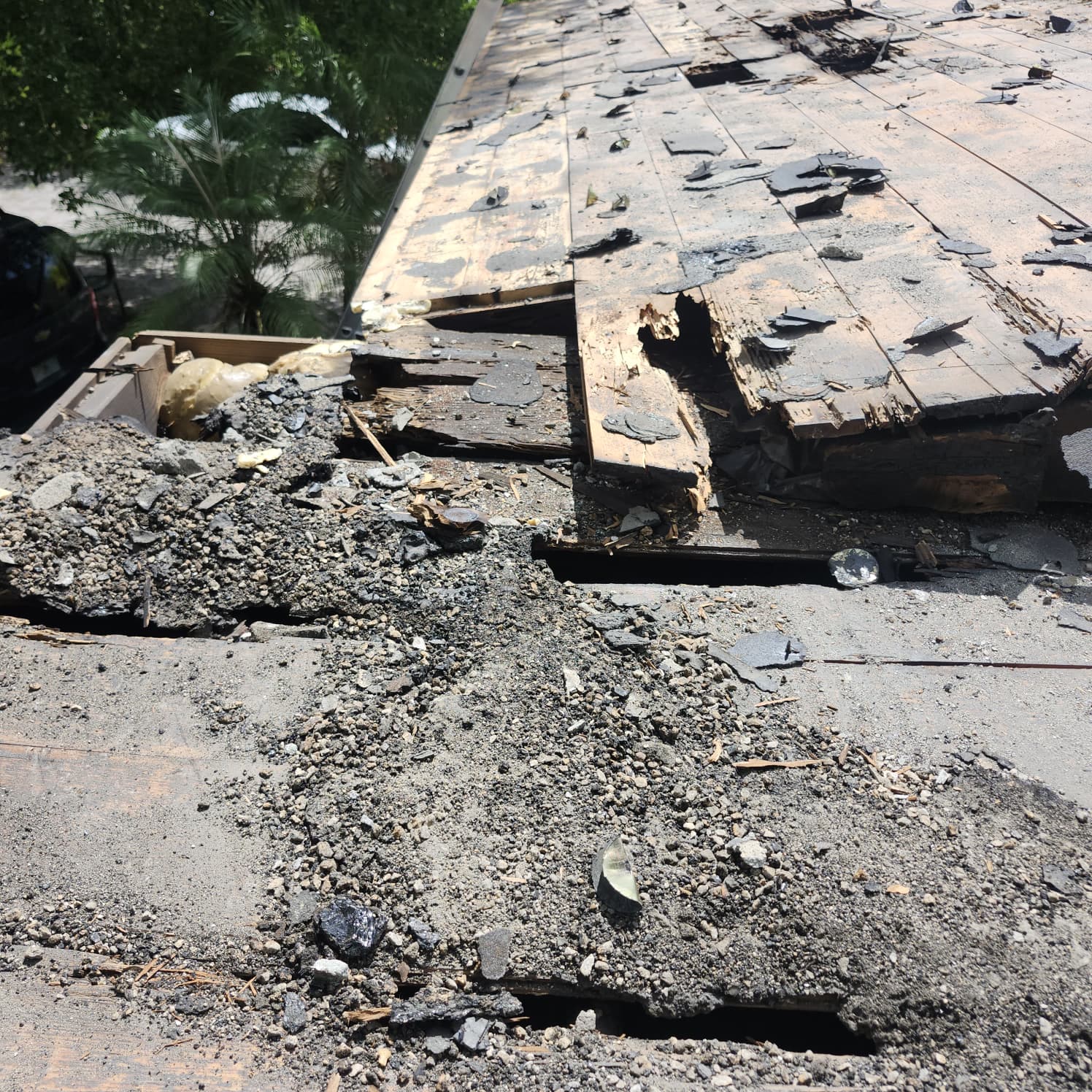
Is there evidence of deferred maintenance? Debris accumulation, biological growth, open sealant joints, and unrepaired damage all read as neglect, regardless of whether the roof is watertight.
Has prior damage been repaired properly and permitted? Unpermitted work is a recurring problem in Miami-Dade and a genuine liability at claim time.
Notice that only one of those four is about age. The other three are within your control, and all three are addressed by regular maintenance that leaves a paper trail.
The Difference Between Wear and Storm Damage
This is where most claim disputes actually live. An adjuster examining a roof after a storm has to decide whether what they are looking at was caused by that event or existed beforehand. Without a prior record, the default assumption tends to favor pre-existing wear, and pre-existing wear is not a covered loss.
A dated pre-season inspection report showing a sound roof turns that argument around. You are no longer describing what the roof looked like in May; you are showing it, with timestamped photographs of the same slopes the adjuster is now standing on.
This is also why we push homeowners to inspect before June 1 rather than after a storm. A post-storm inspection documents damage. A pre-storm inspection documents baseline, and baseline is what makes a claim defensible.
What a Useful Inspection Report Contains
Not every report is worth submitting. A single-page checklist with a signature does very little. A report that holds up should include:
- Date, property address, and the inspector's license information
- Roof system identification — material, approximate age, and slope areas
- Photographs keyed to locations, not a random gallery
- Condition findings organized by urgency, separating "repair now" from "monitor"
- Specific documentation of penetrations, flashings, and transitions, since these are where claims and denials concentrate
- Attic observations, including any moisture found or ruled out
- A record of maintenance performed during the visit, with materials specified
- A clear statement of remaining serviceability rather than a vague pass or fail
Keep every report, every repair invoice, and every permit closeout in one place. Digital copies stored off-site matter in Miami, where the same storm that damages your roof may soak your filing cabinet.
Wind Mitigation and Roof Condition Are Not the Same Form
Homeowners frequently conflate these. A wind mitigation inspection documents construction features — roof deck attachment, secondary water resistance, roof-to-wall connections, opening protection — for the purpose of premium credits. A roof condition report documents the current state of the system for underwriting and claim purposes.
You may need both, and they serve different ends. What is worth knowing is that some wind mitigation credits are only achievable at the time of installation. Secondary water resistance and improved deck attachment are decisions made during a re-roof, which is one reason roof replacement timing should be planned with your insurance situation in view rather than in isolation.
Deferred Maintenance Is a Coverage Risk, Not Just a Repair Risk
Most Florida policies exclude damage resulting from long-term wear, neglect, or failure to maintain. That language gives carriers a legitimate basis to deny a claim on a roof that was allowed to deteriorate, even when a covered event was the immediate trigger.
Practically, that means the small items matter more than homeowners expect:
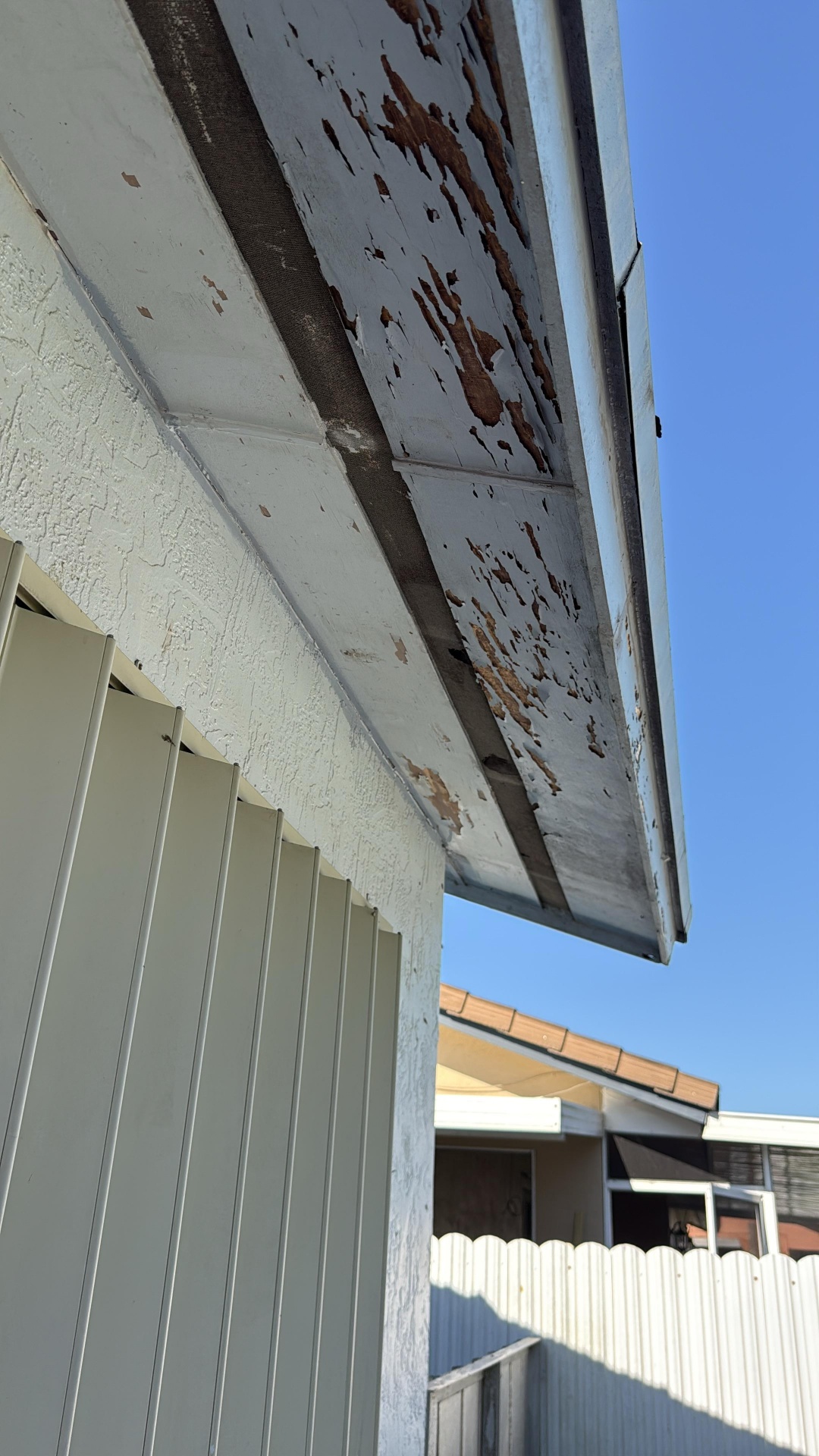
- Clogged gutters that cause fascia rot and eave saturation
- Failed pipe boots left in place for years
- Biological growth holding moisture on the surface
- Loose or cracked tile left unreplaced after prior work
- Ponding water on a low-slope section
Correcting these through timely roof repair is inexpensive relative to the exposure. Leaving them documented but uncorrected is worse than not inspecting at all, because it establishes that you knew.
A Practical Renewal Timeline for Miami Homeowners
Working backward from your renewal date:
- Ninety days out: schedule a professional inspection and request a written, photo-documented report.
- Sixty days out: complete any repairs the report flags as urgent, and get invoices that specify materials and locations.
- Forty-five days out: confirm permits on any work requiring them were properly closed.
- Thirty days out: assemble the packet — report, invoices, permit records, prior re-roof documentation.
- At renewal: provide documentation proactively rather than waiting to be asked.
Homeowners in North Miami, Miami Shores, Keystone Point, Biscayne Park, and Aventura who follow that sequence generally find the renewal conversation shorter and less adversarial. When a roof has documented roof inspection and maintenance history, there is simply less for an underwriter to guess about.
When the Answer Is a New Roof
Sometimes documentation confirms what a homeowner suspected. If a carrier is non-renewing on age, if underlayment has failed across multiple slopes, or if repairs have become annual, replacement is the financially rational move — and it typically improves both premium and insurability, especially when wind mitigation features are incorporated. If a storm has already compromised the roof and water is entering, address the immediate exposure first with emergency roofing service, then document everything before permanent work begins.
Where This Series Started
Previous article: roof inspection and maintenance by material — tile, metal, shingle, and flat.
Start from the beginning: the year-round roof inspection and maintenance calendar every Miami home needs.
Renewal coming up? Contact PSR Roofing Company Of Miami for a documented roof inspection and maintenance report, or call (786) 889-4090. Find us at 1811 NE 142nd St, Miami, FL 33181 — open in Google Maps.
Need help with Roof Inspection?
PSR Roofing is Miami's licensed & insured expert for roof inspection. Free estimates, honest pricing, and 24/7 emergency response.