
Tile vs Asphalt Shingle Roof in North Miami: A Homeowner's Checklist
When a roof is mismatched to South Florida's climate, the consequences show up quietly at first: granules washing into gutters after a storm, hairline cracks in mortar beds after a heat cycle, or a wind event that peels back what looked perfectly fine from the street. North Miami homeowners face a specific set of pressures, including hurricane-force winds, intense UV exposure, and the salt-laden air that drifts in from Biscayne Bay, that make the tile-versus-shingle decision more consequential than it would be almost anywhere else in the country. This checklist helps you weigh each option honestly before you commit.
1. Understand What Each Material Actually Is
Confirm whether "tile" means clay, concrete, or a lightweight composite tile, as each has different weight and maintenance profiles.
Verify that asphalt shingles are rated as architectural (dimensional) or impact-resistant, not three-tab, which performs poorly in high-wind zones.
Ask any roofing contractor to show you the specific product data sheet, not just a sample, so you can see wind and impact ratings side by side.
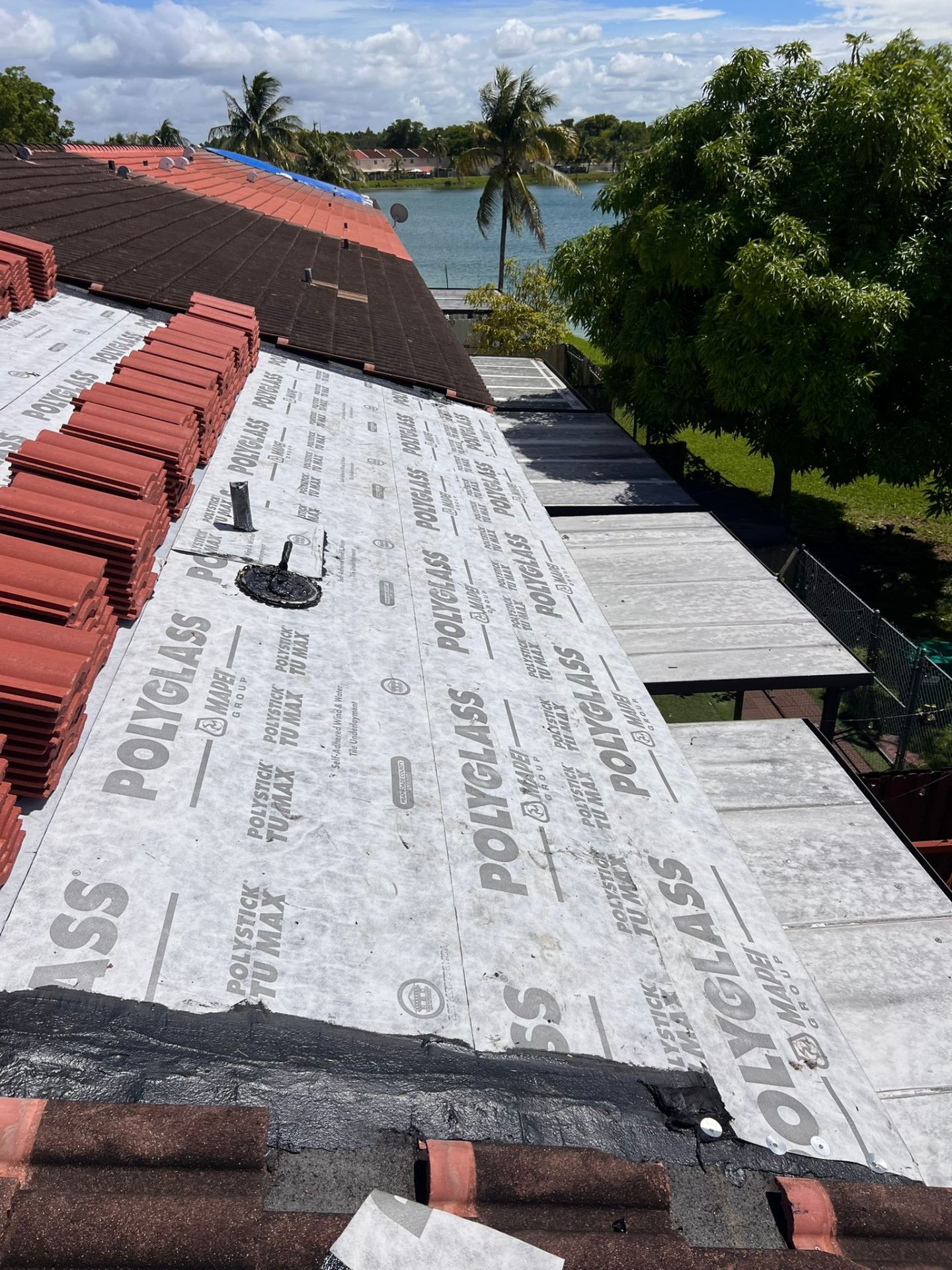
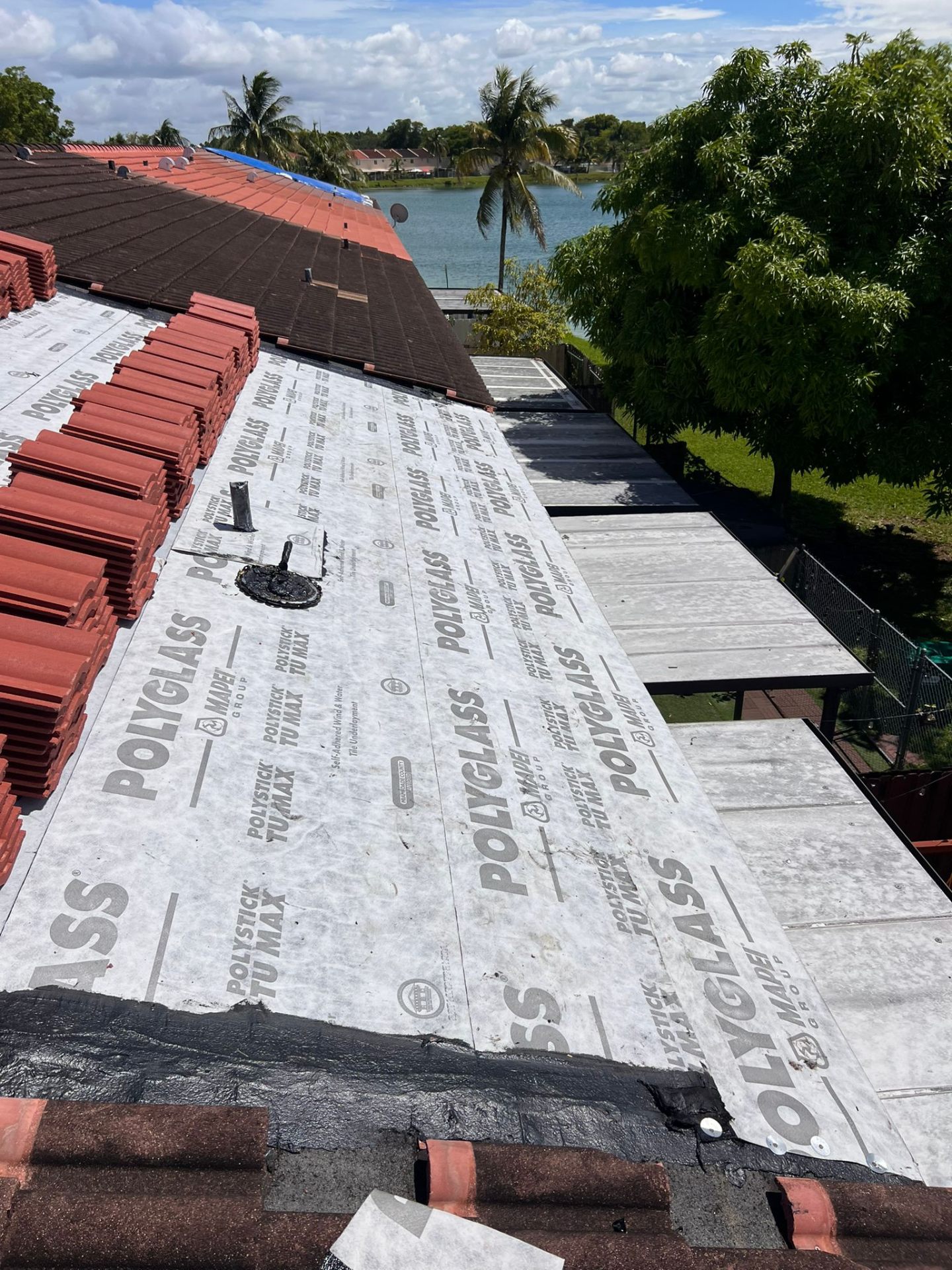
Recognize that both materials require a properly installed underlayment system beneath them; the visible surface is only part of the assembly.
Note that "metal roofing" is a separate category entirely; if a contractor pivots to it during your consultation, that is worth exploring separately rather than folding into this comparison.
2. Evaluate Hurricane and Wind Performance
Look for products tested to Miami-Dade County Notice of Acceptance (NOA) standards, which are among the most rigorous wind-uplift requirements in the United States.
Check that clay or concrete tiles carry a High-Velocity Hurricane Zone (HVHZ) approval, confirming they have been tested for the specific wind pressures common in South Florida.
Confirm that architectural shingles meet at minimum an ASTM D3161 Class F or ASTM D7158 Class H wind rating for North Miami installations.
Ask how tiles are fastened: mechanically fastened tiles (screwed or clipped) generally outperform mortar-set ridge and hip tiles in hurricane conditions.
Understand that even a well-rated tile can fail if the roof deck beneath it is deteriorated; request a deck inspection as part of any full replacement estimate.
Review your existing insurance policy before choosing a material, as some carriers in Florida offer different premium structures based on roof type and age.
For post-storm guidance on what to look for after a major weather event, see our post-hurricane roof maintenance checklist.
3. Compare Long-Term Durability in South Florida Conditions
If you want it handled correctly the first time, consider professional roof repair in North Miami.
Expect quality clay or concrete tile, properly installed and maintained, to last significantly longer than standard asphalt shingles in a tropical climate with relentless UV exposure.
Recognize that asphalt shingles degrade faster in extreme heat; the granule loss that signals aging accelerates when attic temperatures regularly spike, as they do in North Miami summers.
Factor in that tile is heavier and requires a roof structure engineered to support it; older North Miami homes built before current load requirements may need a structural assessment before a tile installation.
Note that individual broken tiles can often be replaced without disturbing the rest of the roof, while a shingle repair in a sun-bleached field can be visually obvious due to color mismatch.
Account for the underlayment beneath tile: even when the tile itself is intact, the underlayment has a finite lifespan and may need replacement before the tile does.
Consider that asphalt shingles, while shorter-lived, are lighter, faster to install, and more widely available, which matters for lead times after a major regional storm event when material supplies tighten.
4. North Miami-Specific Considerations
North Miami sits within Miami-Dade County's High-Velocity Hurricane Zone, which means both materials and installation methods are subject to stricter local building code requirements than most of the continental United States. Several factors are particular to this market:
Salt air corrosion: homes within roughly a mile of Biscayne Bay or the Intracoastal are exposed to salt-laden humidity that accelerates corrosion on metal flashings, fasteners, and gutters regardless of which roofing material covers the field.
Older housing stock: many North Miami neighborhoods, including parts of Keystone Point, Arch Creek, and the areas around NE 125th Street, feature homes built in the 1950s through 1970s with wood framing that may not be engineered for the weight of modern concrete tile without an upgrade.
HOA and deed restrictions: some North Miami communities have architectural guidelines specifying approved roof colors or materials; verify these before ordering product samples.
Permit requirements: Miami-Dade County requires a permit for roof replacements, and inspections are mandatory; any contractor who suggests skipping the permit process is not following local code, which creates liability for the homeowner at resale.
Flat and low-slope sections: many mid-century North Miami homes combine a pitched field with a flat or low-slope section over a carport, addition, or rear room; tile and shingles are not appropriate for truly flat sections, which require a membrane system, so confirm your contractor addresses each section of your roof separately.
Tree canopy: mature ficus, oak, and mahogany trees common in North Miami neighborhoods deposit debris and retain moisture against roofing surfaces; tile's harder surface resists biological growth somewhat better, but both materials benefit from regular seasonal roof maintenance to clear debris before it traps moisture.
5. Weigh the Cost Drivers (Without Fixating on a Number)
Many North Miami homeowners rely on expert roof repair in North Miami for exactly this.
Understand that tile carries a higher upfront material and labor cost than asphalt shingles, but that gap narrows when you account for the longer replacement cycle over a 30-plus-year homeownership horizon.
Factor in structural costs: if your home needs additional framing or blocking to support tile weight, that work is separate from the roofing contract and should be itemized clearly.
Ask for a written, itemized estimate that separates materials, labor, permit fees, tear-off and disposal, and any deck repair allowances; a single lump-sum figure makes comparison difficult.
Compare the cost of the full roofing system, including underlayment, flashings, ridge ventilation, and any gutter work, not just the visible surface material.
For a deeper breakdown of what drives replacement pricing in this market, see our North Miami roof replacement cost guide.
Recognize that the cheapest bid is rarely the complete picture; ask each contractor to clarify what is and is not included before comparing figures side by side.
6. Verify Contractor Qualifications Before Choosing a Material
Confirm that any contractor you consider holds an active Florida State Certified Roofing Contractor license (CCC prefix) or a Miami-Dade County registered license; verify this directly through the Florida DBPR online lookup, not just a contractor's website.
Ask specifically whether the contractor installs both tile and shingle systems; a contractor who only works with one material may not be giving you a fully objective recommendation.
Request proof of general liability insurance and workers' compensation coverage with your business named as an additional insured for the project duration.
Ask for references from projects completed in North Miami or adjacent communities within the last two to three years; local experience with HVHZ inspections and Miami-Dade permitting matters.
Confirm the contractor pulls the permit themselves; a homeowner-pulled permit shifts liability and often signals a contractor who cannot or will not meet licensing requirements.
For a full checklist of what to verify before signing anything, see our guide to hiring licensed roofing contractors in North Miami.
When you are ready to get a professional assessment of which system suits your specific home, connect with our North Miami roofing contractors for a no-obligation consultation.
7. Assess Your Home's Practical Fit
Measure or confirm your roof pitch: tile generally requires a minimum slope (often 4:12 or greater, depending on the product) to drain properly; low-slope sections need a different solution entirely.
Walk through your attic or ask your contractor to assess the current decking condition; soft spots, delamination, or prior water damage need to be addressed regardless of which material goes on top.
Consider your timeline: if you need a roof replaced quickly, especially after storm damage, shingles can often be sourced and installed faster than specialty tile, which may have longer lead times.
Think about resale context: in North Miami's market, tile roofs are common on higher-value homes and may be expected by buyers in certain price brackets, while a well-maintained shingle roof is entirely acceptable in others.
If you have noticed granule loss in your gutters, cracked or slipped tiles, or water stains on interior ceilings, get a professional inspection before deciding on a material; the underlying cause matters as much as the surface choice.
Review the warning signs of storm damage on a North Miami roof so you know what a thorough inspection should be checking for.
Ready for the next step? Learn how roof repair services in North Miami can help and reach out to the team.
Frequently Asked Questions
Is tile or shingles better for a North Miami home in a hurricane?
Both materials can perform well in hurricane conditions when they carry Miami-Dade NOA approval and are installed correctly to HVHZ standards. Tile that is mechanically fastened rather than mortar-set generally holds up better in high-wind events, but the quality of the underlayment, the deck condition, and the installation method matter as much as the surface material itself.
Can my North Miami home support a tile roof?
Many homes built before the 1990s were not framed to carry the weight of concrete or clay tile. A structural assessment by a licensed engineer or a qualified roofing contractor familiar with local construction practices can determine whether your existing framing is adequate or whether reinforcement is needed before installation begins.
How do I know which material is right for my specific home?
The right answer depends on your roof pitch, structural capacity, HOA requirements, budget horizon, and how long you plan to stay in the home. A site visit and inspection from a licensed North Miami roofing contractor gives you a starting point grounded in the actual condition of your roof, not a general rule of thumb. Reach out to our team to schedule a professional evaluation.
Both tile and asphalt shingles can serve a North Miami home well when the material is correctly specified, properly permitted, and installed to Miami-Dade's exacting standards. The checklist above gives you the questions to ask before you commit. When you are ready for a professional opinion on your specific home, our North Miami roofing team is available to walk through the options with you.
Continue reading
- Complete guideHow to Choose a Roofing Company in North Miami›
- RelatedStorm Damage Signs: Check Your North Miami Roof›
- Related7 Factors That Drive Roof Replacement Costs in North Miami›
- RelatedLicensed vs Unlicensed Roofers in North Miami: What to Know›
- RelatedPost-Hurricane Roof Maintenance Checklist North Miami›
Need help with Roof Repair?
PSR Roofing is Miami's licensed & insured expert for roof repair. Free estimates, honest pricing, and 24/7 emergency response.