
Storm Damage Signs: How to Check Your North Miami Roof After a Storm
South Florida sees roughly 60 named storm systems pass through or near the state each decade, and North Miami sits squarely in the path of Atlantic hurricane tracks. That means local roofs take a beating that most of the country never experiences. Knowing what to look for after a storm, before water infiltrates your home's structure, can be the difference between a straightforward repair and a full replacement.
What kinds of storms cause roof damage in North Miami?
North Miami homeowners deal with several distinct storm types throughout the year. Atlantic hurricanes and tropical storms bring sustained high winds and torrential rain from June through November. But severe thunderstorms, which can produce wind gusts exceeding 60 mph, happen year-round. Even brief pop-up afternoon storms, a daily summer fixture in South Florida, can drive water under aging shingles or dislodge tiles loosened by previous weather events. Hail is less common here than in the Midwest, but it does occur and can crack tile and dent metal flashing in ways that are easy to miss at ground level.
Is it safe to inspect my own roof after a storm?
A ground-level visual check is something any homeowner can do safely. Walk the perimeter of your home, scan the roofline from the street, and use binoculars if you have them. Check your yard and gutters for debris that fell from the roof. What you should avoid is climbing onto the roof yourself, especially on wet or wind-damaged surfaces where structural integrity may be compromised. Leave any on-roof inspection to a licensed professional. If you suspect serious damage, see how to verify a contractor's license before letting anyone up there.
What are the most visible signs of wind damage on a North Miami roof?
Wind damage often announces itself clearly if you know where to look. From the ground, watch for:
Missing shingles or tiles, visible as darker patches or bare decking.
Lifted or curling shingle edges, which signal the adhesive seal has failed.
Displaced ridge cap shingles along the peak of the roof.
Detached or bent metal flashing around chimneys, vents, and skylights.
Gutters pulled away from the fascia or filled with granules washed off asphalt shingles.
If you want it handled correctly the first time, consider professional roof repair in North Miami.
Even one missing shingle creates an opening for water, so these findings warrant a prompt professional assessment rather than a wait-and-see approach.
How does South Florida's climate make storm damage harder to spot?
North Miami's heat and humidity are year-round, not seasonal, and that changes how damage progresses. In cooler climates, a small roof breach might sit dormant for weeks. Here, a compromised area can develop mold, rot the underlying decking, and attract pests within days because moisture never fully dries out between storms. Algae and lichen growth, common on Miami roofs, can also mask hairline cracks in tile or obscure lifted shingle edges. The visual clutter of organic growth means damage that would be obvious on a clean surface can hide in plain sight. This is one reason regular post-storm maintenance checks matter more in South Florida than almost anywhere else in the country.
What interior signs suggest my roof was damaged in a storm?
Sometimes the clearest evidence of roof damage shows up inside the home. After any significant storm, walk through your attic with a flashlight and look for:
Water stains or wet insulation directly under the roof decking.
Daylight visible through the decking boards, indicating a gap or hole.
A musty smell, which can signal moisture infiltration even without visible staining.
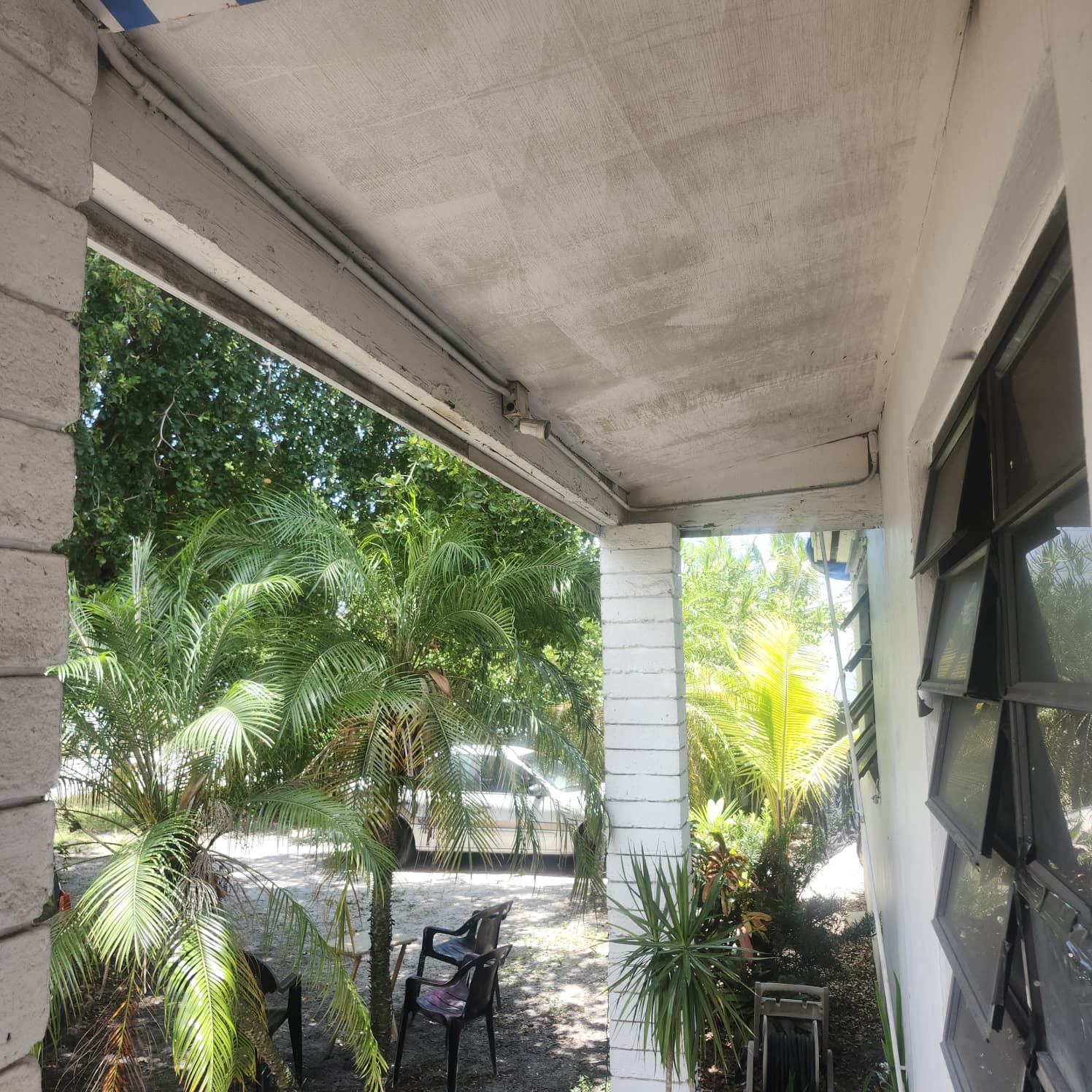
Inside the living spaces, brown or yellow ceiling stains, bubbling paint, or sagging drywall are all downstream indicators of a roof breach. These interior signs often appear hours or even days after the storm, so check again 24 to 48 hours after the weather clears.
Are concrete tile roofs in North Miami more or less vulnerable to storm damage?
Many North Miami homeowners rely on expert roof repair in North Miami for exactly this.
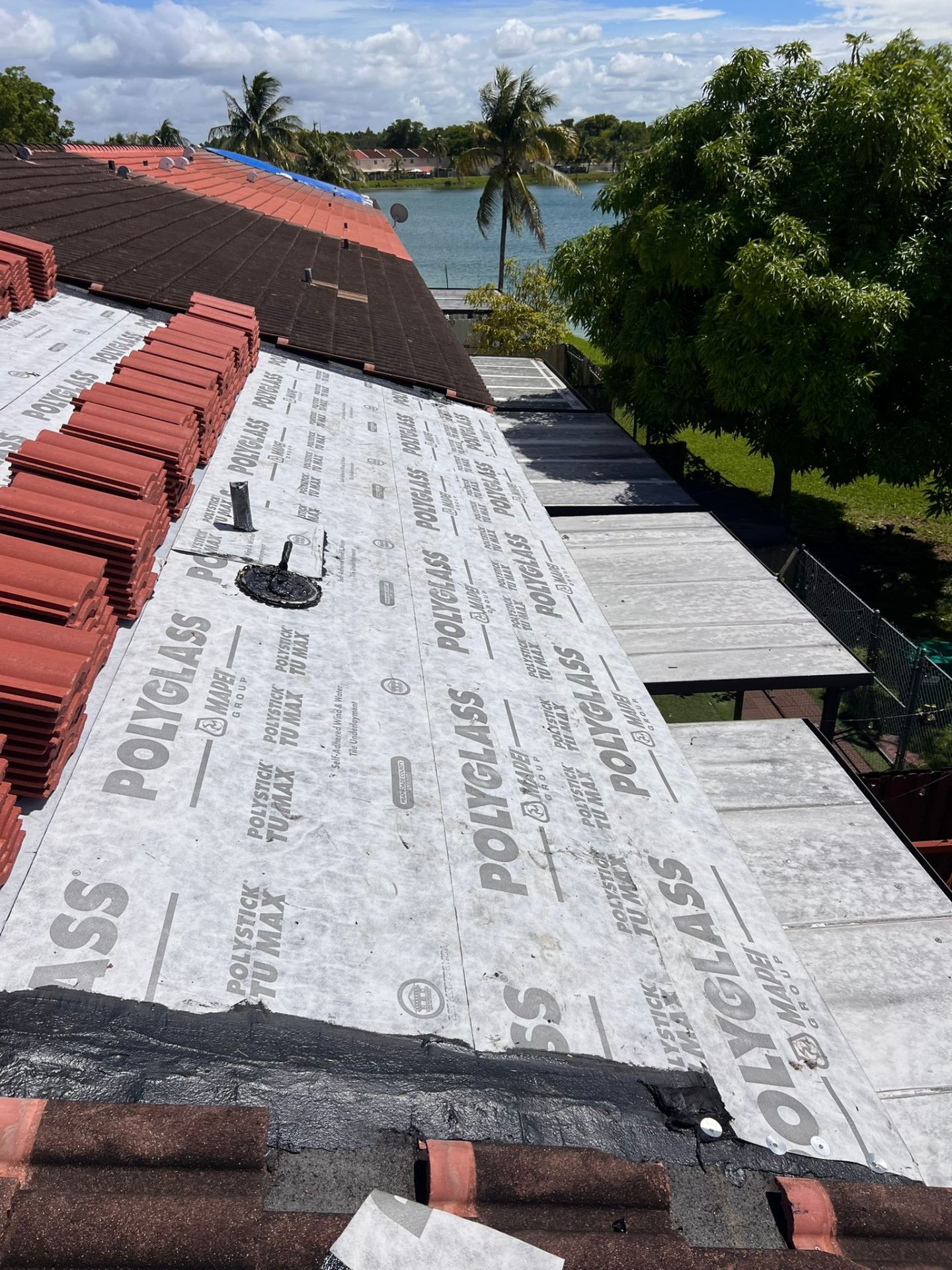
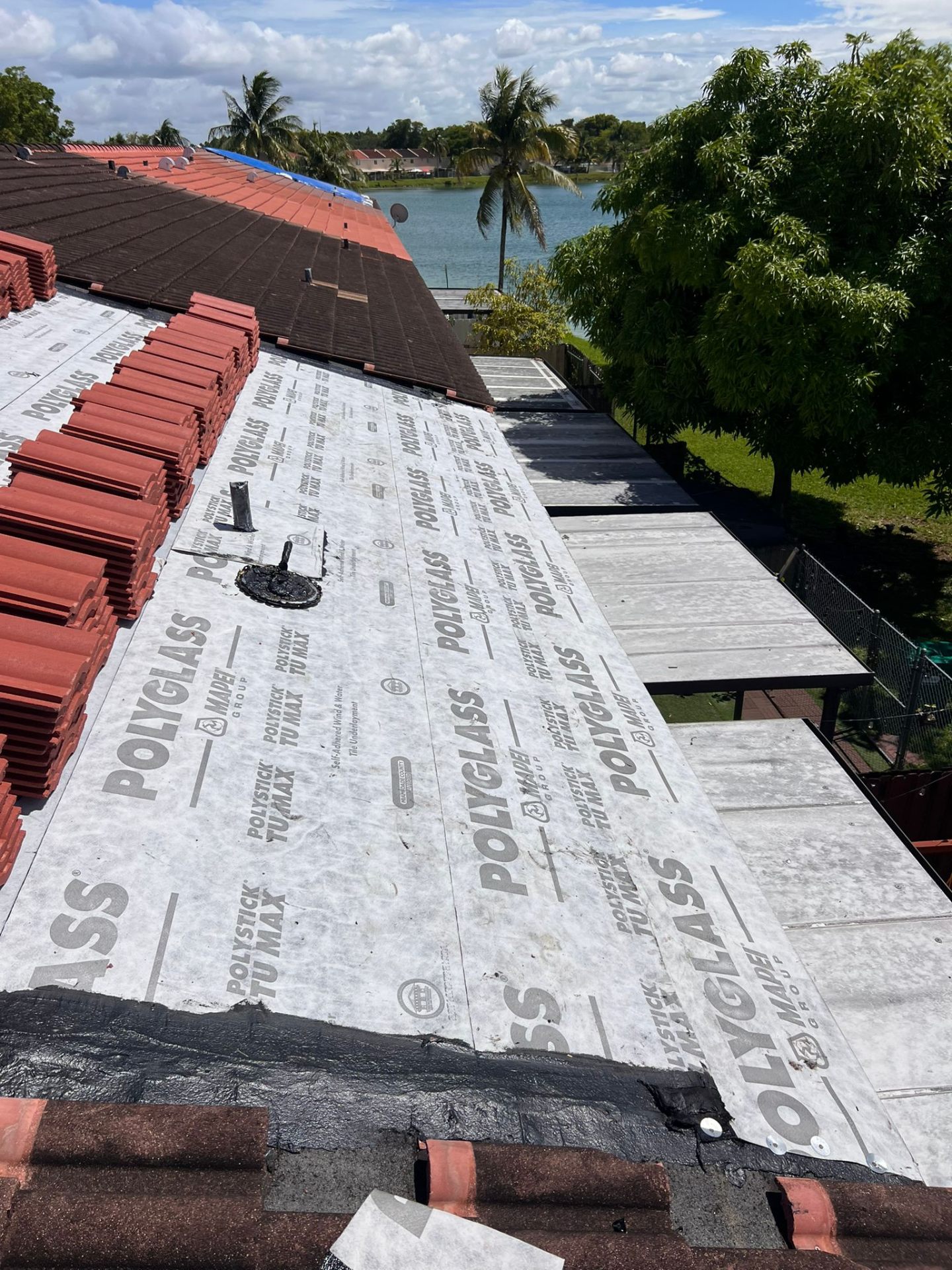
Concrete and clay tile roofs are extremely common in North Miami and throughout Miami-Dade County, partly because local building codes encourage impact-resistant materials and partly because tile handles the subtropical climate well. However, tile roofs have a specific vulnerability: individual tiles can crack or chip from flying debris without the whole roof appearing damaged from the street. A cracked tile still allows water to reach the underlayment beneath it, and if that underlayment is aging, a single cracked tile can lead to significant interior water damage. Tile roofs also rely on proper mortar at ridges and hips; storm winds can loosen that mortar without dislodging the tile itself. If your home has tile, a closer look by a professional is especially worthwhile after any storm with wind gusts above 50 mph. For a broader look at how tile compares to other roofing materials in this climate, see our guide to tile versus shingle roofs in North Miami.
What should I document before calling a roofing contractor?
Good documentation protects you both with your insurance company and when comparing contractor estimates. Before anyone arrives at your property:
Photograph the exterior from all four sides of the home, capturing any visible damage.
Take close-up shots of specific problem areas using a zoom lens or phone camera from the ground.
Photograph any debris in the yard, especially pieces of shingle, tile, or flashing that fell during the storm.
Take interior photos of any stains, wet spots, or damage to ceilings and walls.
Note the date and time of the storm and save any local weather alerts or news reports referencing the event.
This record helps establish that the damage is storm-related rather than pre-existing, which matters significantly during the insurance claims process.
How do I know if the damage requires repair or full replacement?
The answer depends on the age of your roof, the extent of the damage, and the condition of the underlying decking and underlayment. A roof with isolated damage, a few missing shingles, one cracked tile, a bent flashing section, can often be repaired effectively if the rest of the system is structurally sound. A roof that was already near the end of its service life, or one where the decking shows widespread moisture damage, may be more cost-effective to replace entirely. A professional inspection is the only reliable way to make that call. If you want to understand what drives the cost difference between the two options, this breakdown of roof replacement cost factors in North Miami covers the key variables. When you are ready to bring in a professional, working with an experienced roofing company in North Miami ensures the assessment is thorough and the recommendation is based on the actual condition of your roof, not a sales agenda.
Ready for the next step? Learn how roof repair services in North Miami can help and reach out to the team.
When does storm damage become an emergency roofing situation?
Some storm damage can wait a few days for a scheduled inspection. Other situations require immediate action. Call for emergency roofing service if you see any of the following:
Active water dripping or flowing into the home during or after rain.
A large section of roofing material missing, exposing the decking to the elements.
A tree limb or other debris that has punctured or is resting on the roof surface.
Visible sagging in the roofline, which can indicate structural compromise.
In these cases, temporary protective measures, like a professional tarp installation, can prevent a manageable situation from escalating. PSR Roofing offers emergency roofing services for exactly these scenarios, providing a rapid response when North Miami homeowners cannot afford to wait.
How soon after a storm should I have my roof professionally inspected?
The general guidance from roofing professionals is to schedule an inspection within a few days to two weeks after a significant storm, even if you see no obvious damage from the ground. Some types of damage, particularly to underlayment and decking, are not visible without getting on the roof. In North Miami, where the next storm system is rarely far off, an undetected vulnerability can compound quickly. A professional roof inspection gives you a clear picture of the roof's condition, documents any storm-related findings for insurance purposes, and identifies minor issues before they develop into major ones. If you are unsure what to ask when you call a contractor, our guide to choosing a roofing company in North Miami walks through the right questions to ask before you book anyone for an inspection.
Storms are a fact of life in North Miami, but roof damage does not have to become a crisis. A ground-level check after every significant weather event, combined with periodic professional inspections, keeps small problems from becoming structural ones. If your last storm left you with questions about your roof's condition, PSR Roofing is ready to take a closer look and give you an honest assessment of what, if anything, needs attention.
Continue reading
- Complete guideHow to Choose a Roofing Company in North Miami›
- Related7 Factors That Drive Roof Replacement Costs in North Miami›
- RelatedLicensed vs Unlicensed Roofers in North Miami: What to Know›
- RelatedTile vs Shingle Roofs for North Miami Homes›
- RelatedPost-Hurricane Roof Maintenance Checklist North Miami›
Need help with Roof Repair?
PSR Roofing is Miami's licensed & insured expert for roof repair. Free estimates, honest pricing, and 24/7 emergency response.