Signs Your North Miami Home Needs a Roof Replacement
According to building safety data, residential roofing systems in coastal environments experience up to thirty percent faster degradation than those in inland climates due to intense ultraviolet radiation, high humidity, and salt-mist exposure. For homeowners in North Miami, this accelerated wear means that structural vulnerability can develop long before water begins dripping through your ceiling. Recognizing the early warning signs you need a new roof is essential for preventing extensive structural rot and maintaining the safety of your property during active storm seasons.
Understanding when your home transitions from needing minor maintenance to requiring a complete structural upgrade helps protect your investment. If you are experiencing persistent issues, scheduling a professional roof installation is the most reliable way to secure your home against the elements. Below are the primary indicators that your North Miami roof has reached the end of its serviceable lifespan.
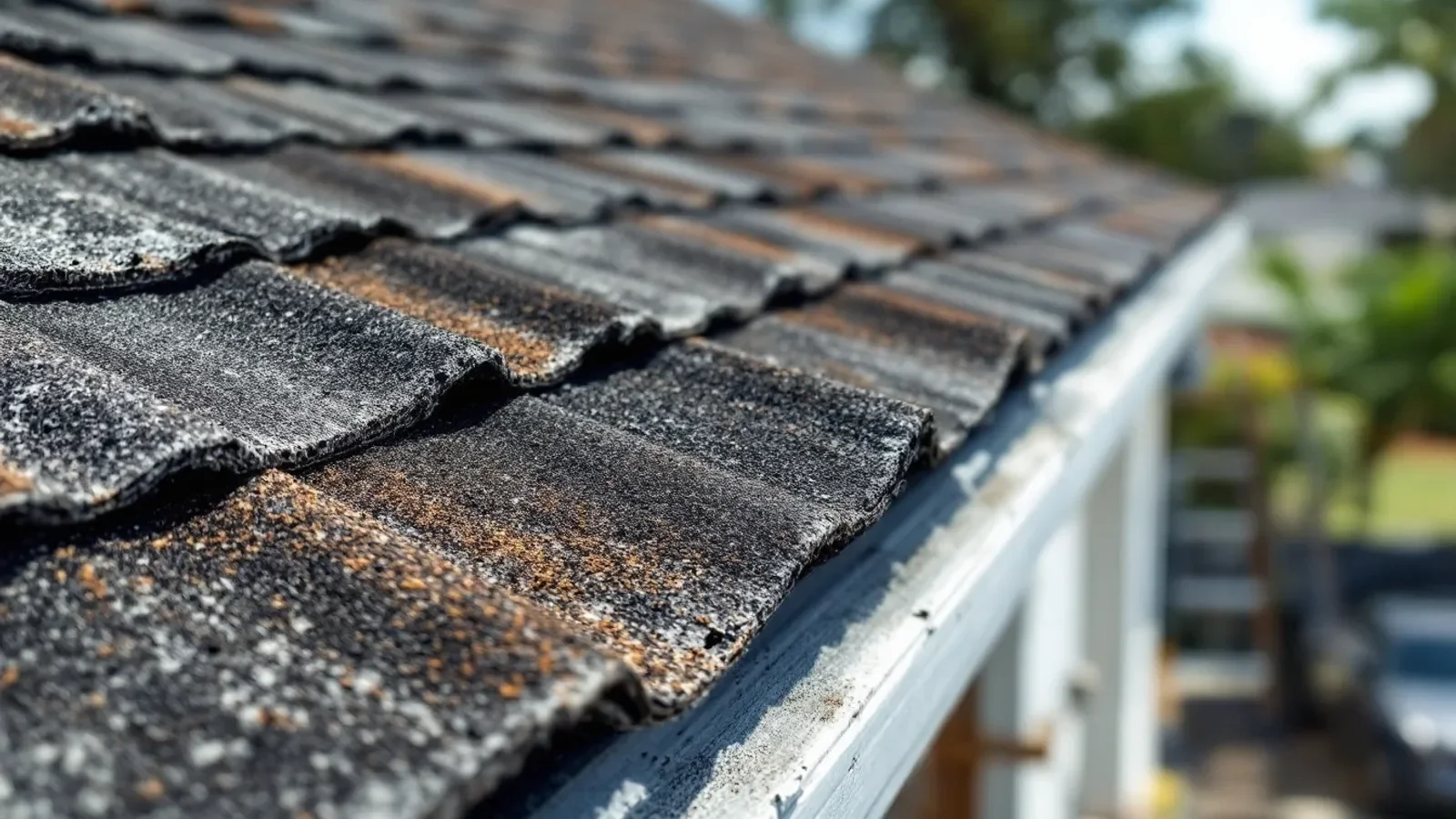
1. Cracked, Curled, or Missing Shingles
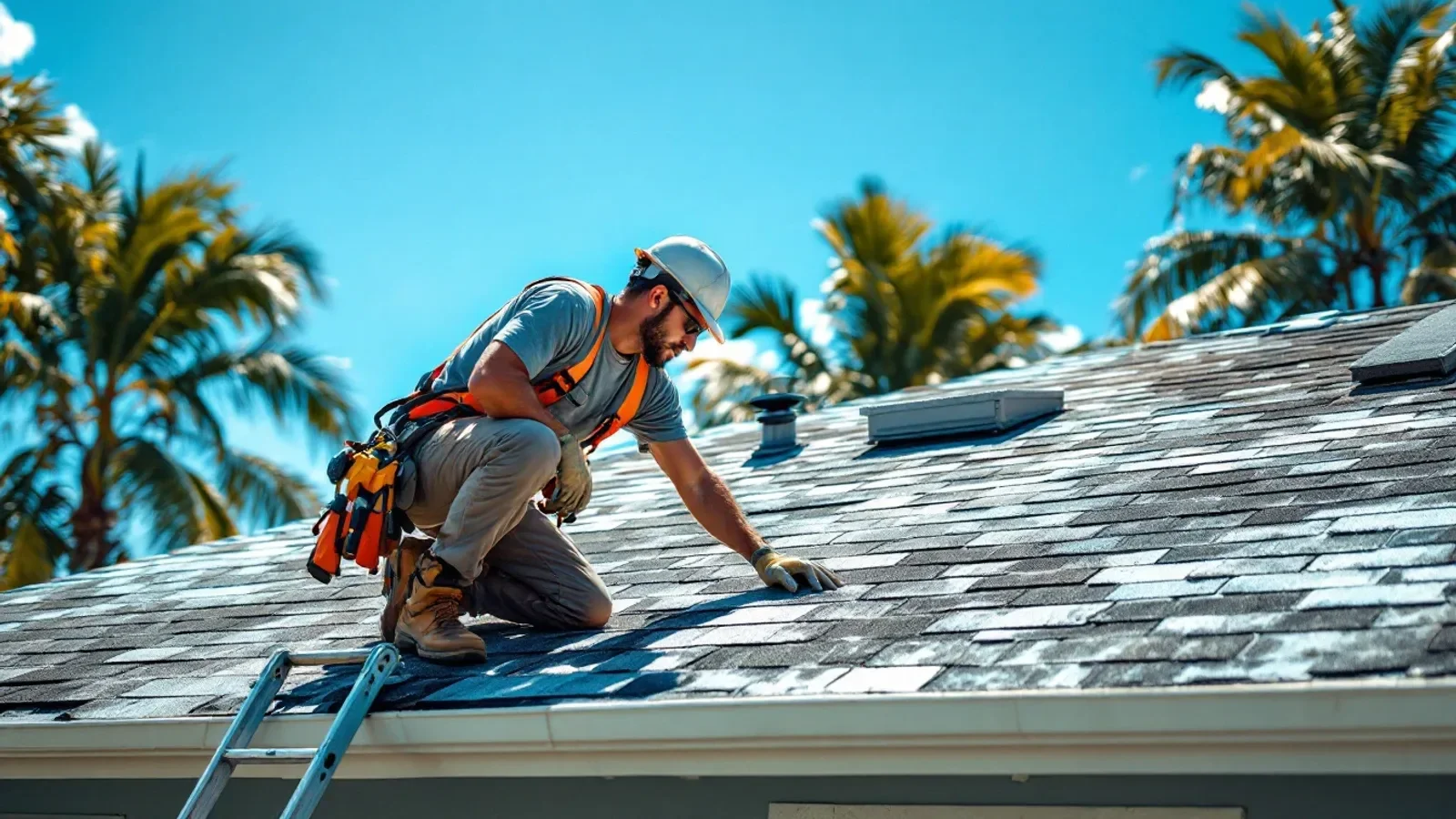
The intense South Florida sun cooks asphalt shingles daily, causing them to lose their natural flexibility over time. When shingles dry out, they begin to curl upward at the edges or buckle in the middle. This physical distortion leaves the underlying roof deck vulnerable to wind uplift and direct water intrusion. If you notice shingles that are cracked, split, or entirely missing after a typical summer afternoon thunderstorm, the protective outer layer of your home is compromised. Once shingles lose their structural integrity, they can no longer shed water effectively, making a complete replacement necessary to prevent deck rot.
2. Granule Loss and Bald Spots on Asphalt Shingles
Asphalt shingles are coated with mineral granules that shield the underlying asphalt from destructive ultraviolet rays. As a roof ages, these granules loosen and wash away into your gutter system. If you clean your gutters and find piles of dark, sand-like debris, your shingles are rapidly losing their protective coating. Without granules, the sun bakes the exposed asphalt, causing it to crack, bubble, and fail. Bald patches on your roof indicate that the material has reached a advanced state of decay, and simple repairs will no longer suffice to protect the structure.
3. Cracked or Displaced Clay and Concrete Tiles
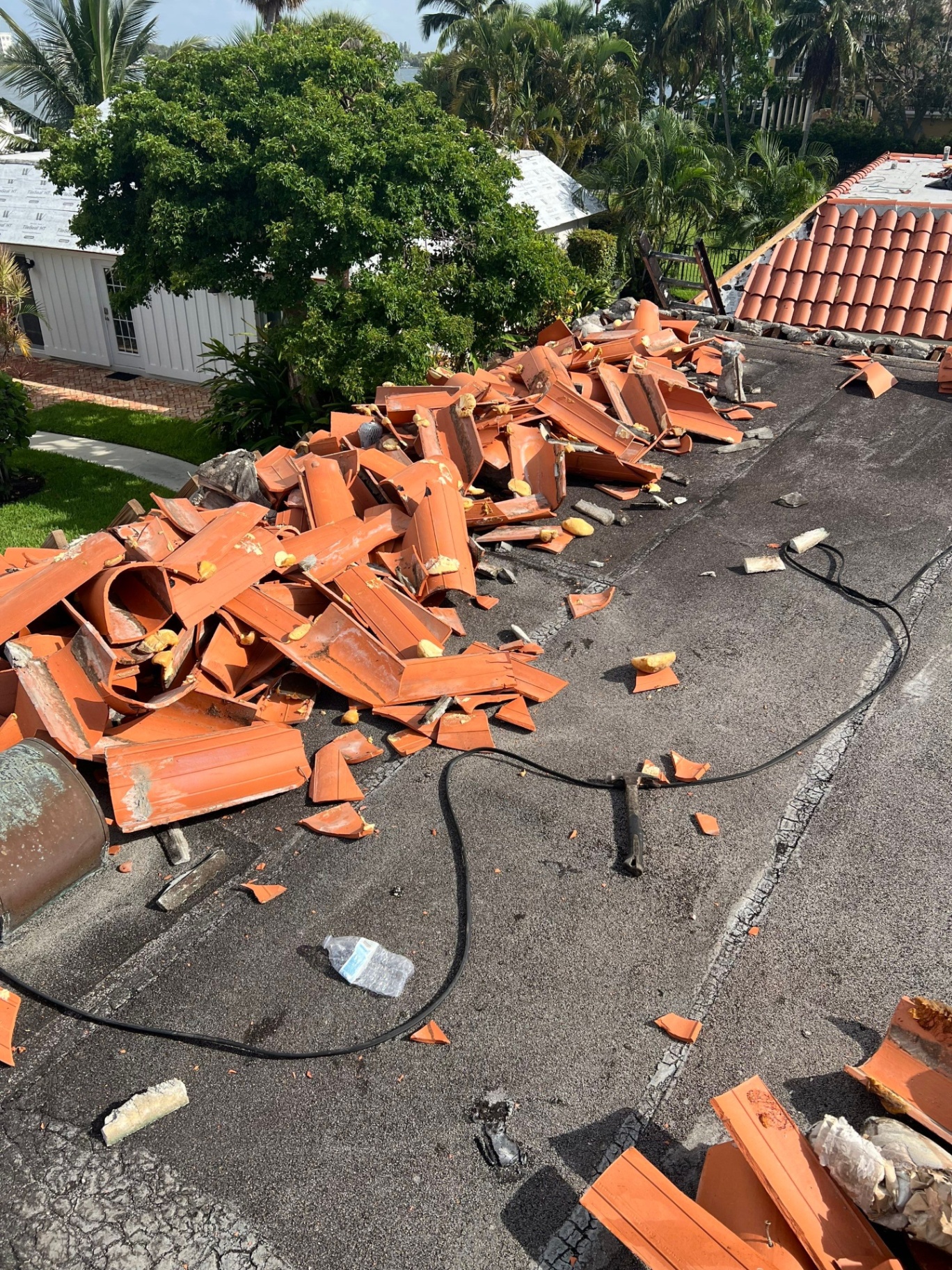
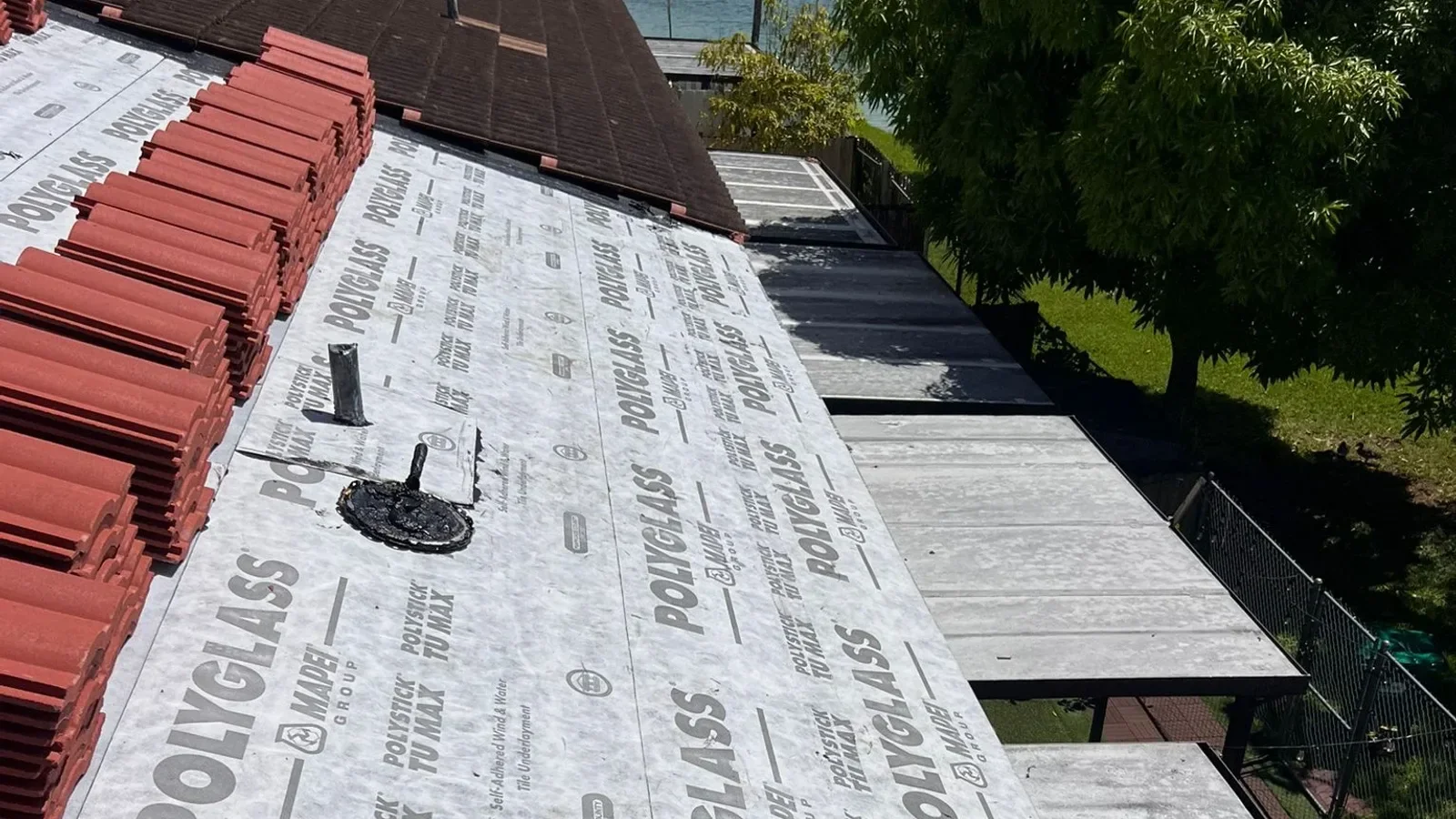
Many classic residences in our local neighborhoods feature beautiful clay or concrete tile systems designed to withstand heavy weather. However, these heavy materials are still susceptible to thermal expansion, physical impacts, and structural settling. Cracked tiles, displaced pieces, or gaps in the tile pattern allow water to penetrate directly to the underlayment below. In South Florida, the tile itself acts as a water-shedding shield, but the water barrier underneath is what actually keeps your home dry. When tiles break or shift, the underlayment degrades rapidly under direct sun exposure, requiring systematic replacement rather than superficial patching.
If you want it handled correctly the first time, consider professional roof installation in North Miami.
4. Accelerated Wear from the North Miami Coastal Environment
The unique geography of North Miami introduces specific environmental stressors that do not affect inland communities. Homes located near Biscayne Bay and the surrounding coastal waterways are constantly subjected to high-salinity air, persistent humidity, and localized wind currents. The salt air accelerates the corrosion of metal flashing, valley liners, and fastening nails, leading to hidden structural weak points. Additionally, the region’s high humidity levels foster rapid organic growth, such as algae and moss, which trap moisture against the roof surface. This constant dampness softens wood decking and speeds up the decay of organic roofing components, making regular assessments by a professional roofing contractor highly beneficial.
5. Spongy, Sagging, or Bouncy Roof Decking
A healthy roof should feel completely solid underfoot. If you walk on your roof, or if a technician notes that certain areas feel spongy, bouncy, or soft, the underlying wood decking is likely saturated with moisture and rotting. This softening is a critical structural warning sign that indicates long-term water infiltration. Sagging sections along the ridgeline or between the rafters suggest that the structural supports are failing under the weight of the roofing materials. Ignoring a sagging roof deck poses a serious safety hazard, especially during periods of high wind pressure.
6. Pervasive Water Stains and Interior Wall Moisture
While a single isolated leak might be solved with a targeted repair, widespread water stains across your ceilings or along interior walls point to systemic roof failure. Water often travels along rafters and ceiling joists before dripping down, making the source of the leak difficult to pinpoint. If you notice dark spots, peeling paint, or bubbling plaster in multiple rooms, water has bypassed the external shingles or tiles and penetrated the structural envelope of your home. Addressing these leaks promptly with a comprehensive roof replacement prevents moisture from damaging your drywall, ceiling framing, and electrical systems.
7. Age of the Roof System Exceeding Industry Standards
Many North Miami homeowners rely on expert roof installation in North Miami for exactly this.
Even if a roof looks acceptable from ground level, its age is often the most telling factor. Most standard asphalt shingle roofs in South Florida are designed to last between fifteen and twenty years, while tile underlayment systems typically require replacement every twenty to twenty-five years. If your roof is approaching or has passed these thresholds, the materials are likely operating on borrowed time. Older roofing materials lack the advanced wind-resistance and water-shedding technologies found in modern systems, making them highly vulnerable to sudden failure during severe weather events.
Frequently Asked Questions
How can I tell if my roof has storm damage or is just old?
Storm damage typically presents as sudden, localized issues such as missing shingles, cracked tiles from flying debris, or lifted sections along the roof edges. Normal age-related wear is more uniform across the entire roof surface, characterized by widespread granule loss, overall brittleness, curling edges, and faded materials.
Can I install new shingles over my existing shingle roof?
While some regional building codes permit a second layer of shingles, doing so is highly discouraged in South Florida due to high wind risks and the necessity of inspecting the underlying wood deck for rot. A complete tear-off is the safest practice to ensure the roof deck is fully sound and properly nailed to meet local wind-uplift standards.
How does attic ventilation affect the lifespan of my roof?
Poor attic ventilation traps extreme heat and humidity directly beneath your roof deck, effectively baking the shingles or tiles from the inside out. This accelerated thermal stress causes premature cracking, curling, and underlayment degradation, which significantly shortens the overall lifespan of your roofing system.
Protecting Your South Florida Home
Postponing a necessary roof replacement can lead to progressive structural damage, compromised electrical systems, and weakened framing. If your home is showing these classic signs of wear, taking action before the next major storm season is the safest choice. Contact PSR Roofing Company of Miami today to schedule a thorough professional inspection and explore your options for a durable, weather-resistant roof.
Continue reading
- Complete guideResidential Roof Installation North Miami | Step-by-Step Guide›
- RelatedHow to Choose a Roofing Contractor in North Miami›
- From the blogEvaluating Roof Quotes: North Miami Roof Installation Cost | PSR Roofing Miami›
- From the blogRoof Repair & Installation After North Miami Hurricanes | PSR Roofing Miami›
- From the blogGutter Installation North Miami: Protect Your Roof & Home | PSR Roofing Miami›
Need help with Roof Replacement?
PSR Roofing is Miami's licensed & insured expert for roof replacement. Free estimates, honest pricing, and 24/7 emergency response.