Deposits, Draws, and Lien Waivers: Paying a Roofing Contractor Safely in Florida
There is a scenario Florida homeowners rarely see coming. You pay your roofing contractor in full. The work looks good. Two months later a letter arrives from a supply house saying the materials on your roof were never paid for, and a lien has been recorded against your property. You paid once. Legally, you may be asked to pay again.
This is not exotic. It is the predictable result of Florida's construction lien statute meeting a contractor with cash flow problems. The protections are straightforward once you know they exist, and they cost nothing to use.
How Payment Should Be Structured
A fair payment schedule ties money to progress. For a typical residential re-roof in Miami-Dade, a reasonable structure looks like this:
- Deposit at contract signing: a modest percentage to secure scheduling and begin permitting. Small enough that walking away is survivable.
- Material delivery draw: paid when the materials are physically on site, not when they are ordered.
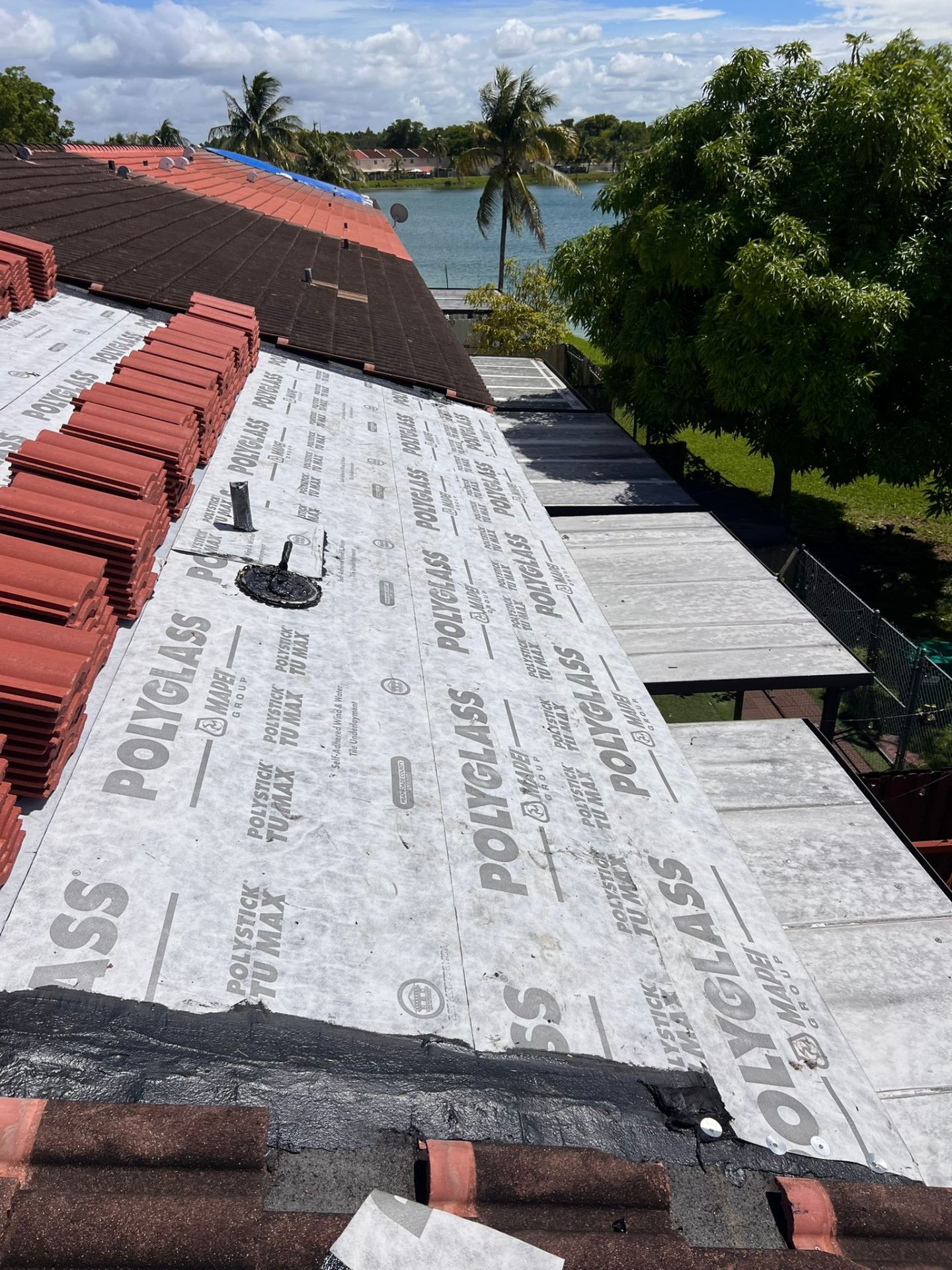
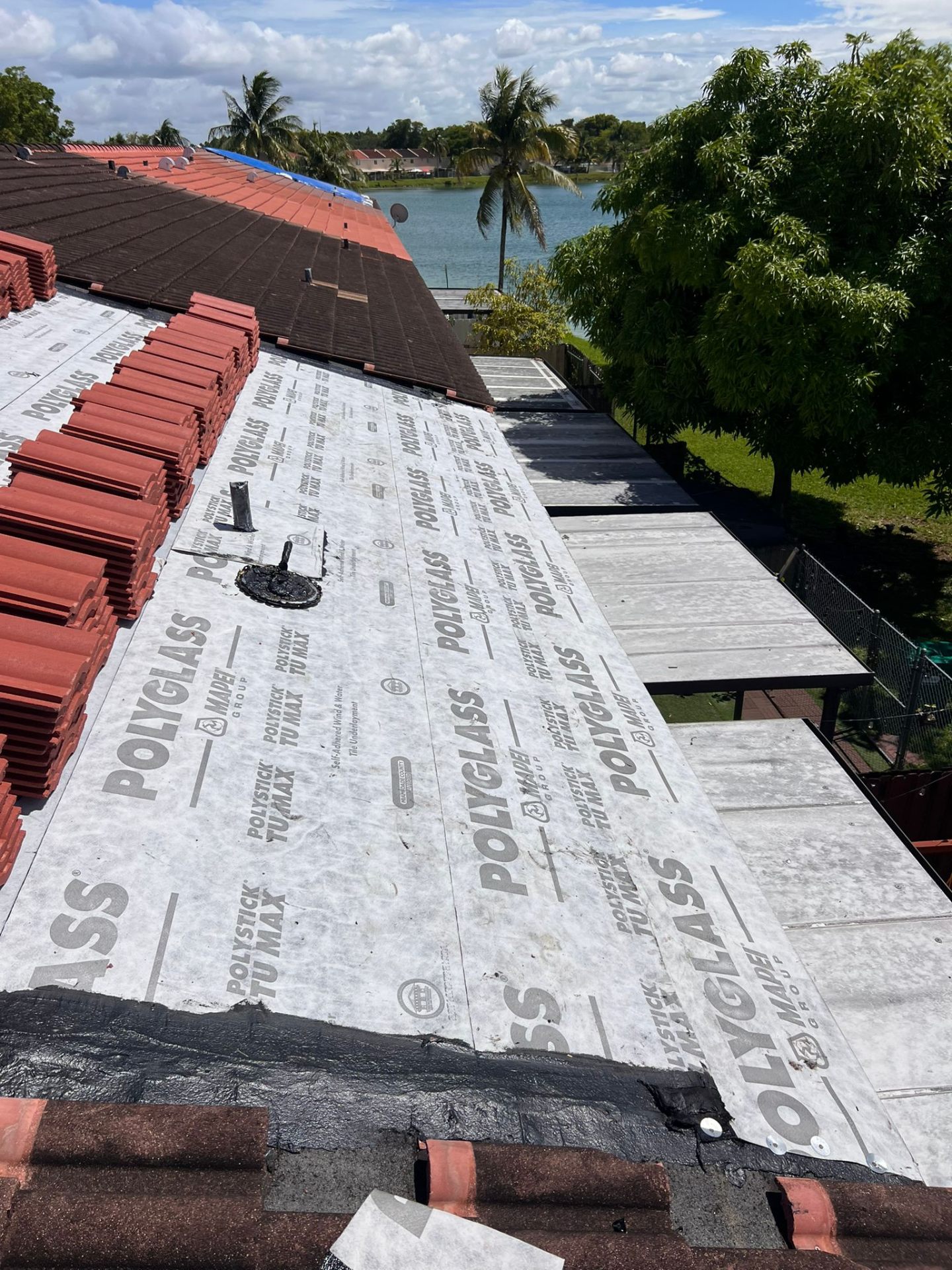
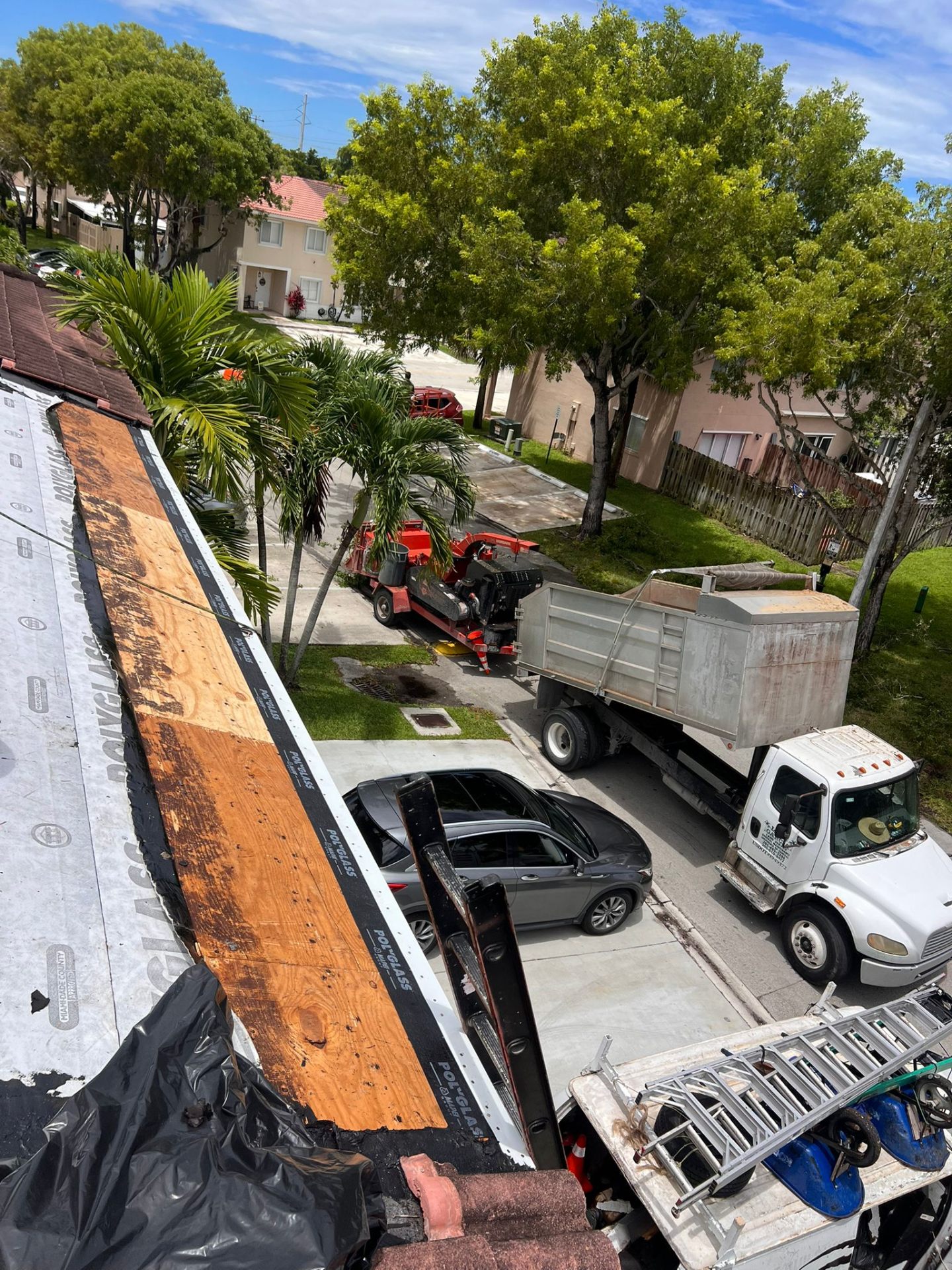
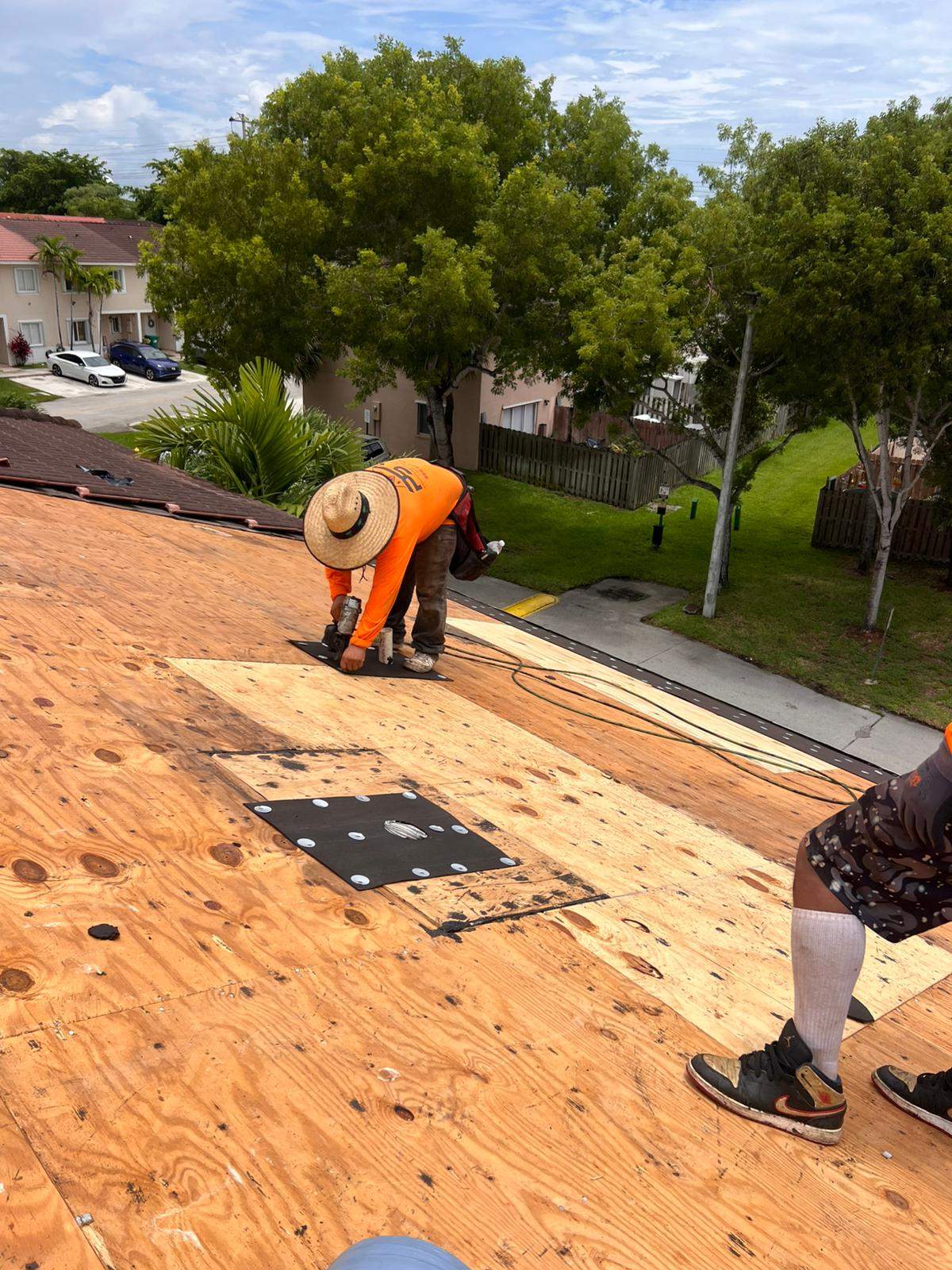
- Dry-in draw: paid after tear-off, deck repair, and approved underlayment are complete and the in-progress inspection has passed.
- Final payment: paid after the final inspection passes, the permit is closed, cleanup is complete, and warranty documents are in your hands.
Notice what anchors each stage: something verifiable. Materials you can see. An inspection you can confirm with the building department. That is the whole principle.
What to push back on. Half or more of the contract demanded before any work begins. Cash-only terms. A request to make the check out to an individual rather than the licensed company. Pressure to release final payment before the permit is closed — once you have paid in full, your leverage to get the paperwork finished is gone.
Florida Lien Law in Plain Terms
Under Florida's construction lien law, parties who supply labor or materials to your project can record a lien against your property if they are not paid — even when you have already paid your contractor in full. The people with that right include your roofing contractor, subcontracted crews, and material suppliers.
The Notice to Owner
You may receive a Notice to Owner from a supplier or subcontractor early in the project. Homeowners often panic at this letter or throw it away. Do neither. It is simply a required notification that this party has a potential lien right. Keep every one you receive. It tells you exactly who must be paid before you release final payment.
Release of Lien: The Document That Protects You
Before each draw, and absolutely before final payment, request a partial release of lien for the amount being paid — and at completion, a final release of lien from the contractor plus releases from any supplier or subcontractor who sent you a Notice to Owner. A contractor who handles residential work properly in Miami-Dade produces these without friction, because it is standard practice.
If you never receive lien releases and a supplier later records a lien, resolving it becomes your problem, on your title, at your expense. Ten minutes of paperwork prevents it.
Statutory Warnings and Timelines
Florida requires specific statutory disclosure language in residential contracts above a threshold amount, and lien claimants operate under statutory deadlines for recording and enforcing claims. Rather than tracking those dates yourself, use the practical rule: no final payment until you hold final lien releases and a closed permit. That single condition neutralizes most of the risk.
Financing and Insurance Proceeds
Financing. Many contractors offer third-party financing. Read the terms as you would any loan: rate, term, whether there is a deferred-interest promotional period, and any dealer fee folded into the project price. Compare it against a home equity option before assuming the convenience is free.
Insurance claims. When a roof is covered by a storm claim, the carrier typically releases funds in stages — an initial actual cash value payment, then the depreciation holdback after work is completed and documented. That structure should line up with your draw schedule, and your contractor should provide the invoices and photo documentation the carrier requires for release. Be cautious of anyone offering to inflate a scope or absorb your deductible; in Florida that exposes you as well as them.
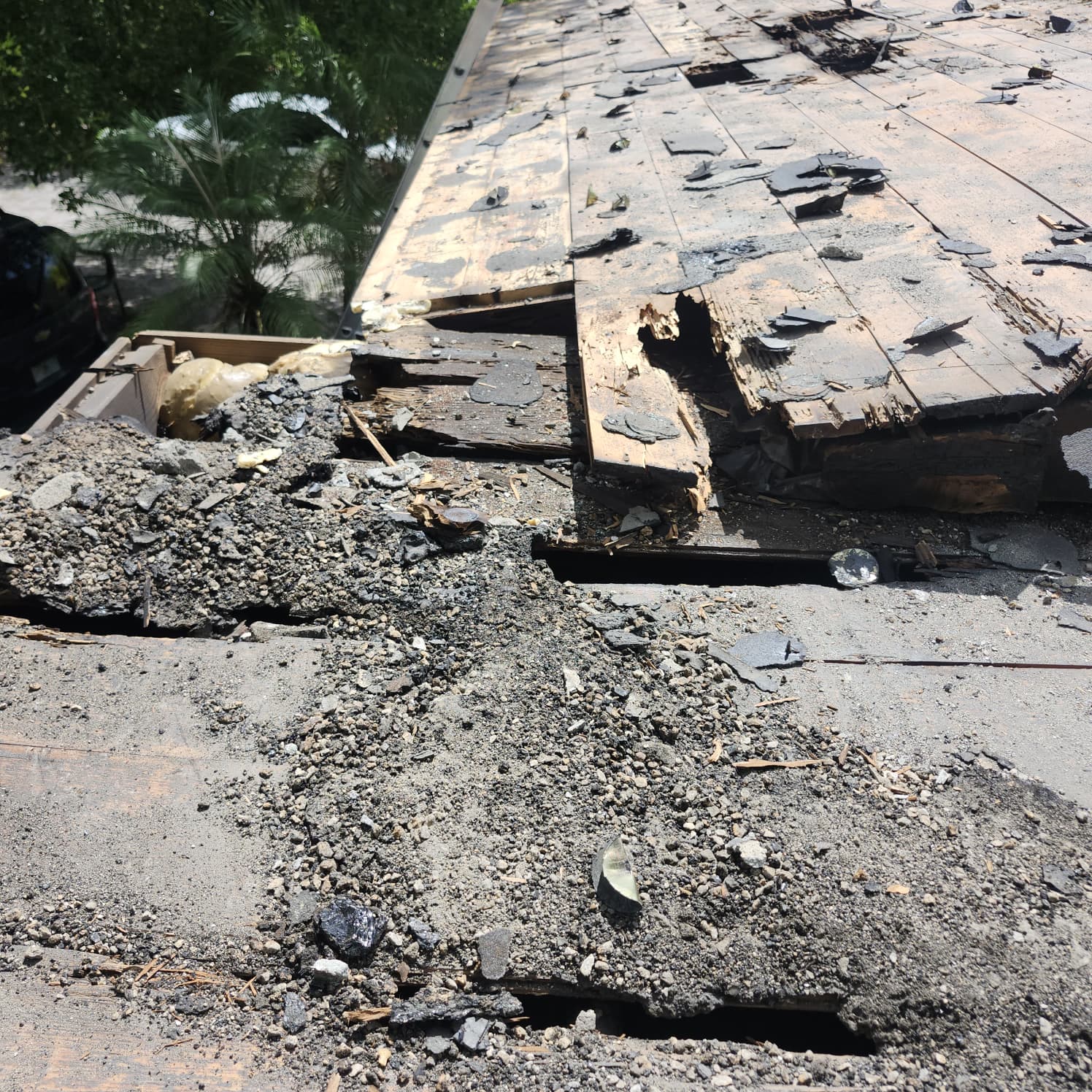
If storm damage is the reason you are here, temporary protection often happens before any claim decision. Emergency mitigation is typically a separate, smaller invoice from the permanent repair — keep those documents distinct so the carrier can process each. See how emergency roofing services are scoped and billed when a roof is opened up by weather.
Payment Safety Checklist
| Stage | Before You Pay, Confirm |
|---|---|
| Deposit | Contract signed, license verified, permit application in motion |
| Material draw | Materials physically delivered to your address |
| Dry-in draw | Deck repairs done, approved underlayment installed, in-progress inspection passed |
| Final payment | Final inspection passed, permit closed, lien releases in hand, warranty issued, site cleaned |
Frequently Asked Questions
Is a deposit ever unreasonable?
A deposit itself is normal — permitting and material ordering carry real up-front cost. What is unreasonable is a deposit large enough that its loss would hurt, paid before a permit application exists.
What if I receive a Notice to Owner from a company I have never heard of?
That is common and usually benign; it is typically the supply house behind your contractor. File it, then require that party's lien release before final payment.
Can I hold back a small amount until the permit closes?
Yes, and it is a sensible practice. Tie the final portion to permit closeout in the contract from the beginning so it is an agreed term rather than a dispute at the end.
Does paying by credit card add protection?
It can add a dispute mechanism, but it does not affect lien rights. Lien releases remain the real protection.
Should the same standards apply to a small repair?
Scale the process, not the principles. Even for a modest roof repair, pay on completion, get an invoice marked paid in full, and keep the documentation for resale and warranty purposes.
Continue the Series
Previous in the series: reading a roofing contractor's proposal line by line. Next: what actually happens during permits, inspections, and closeout in Miami-Dade.
Work With a Contractor Who Documents Everything
PSR Roofing Company Of Miami provides milestone-based payment schedules, lien releases, and closed-permit documentation on every project across North Miami, Miami Shores, Keystone Point, Biscayne Park, Aventura, and Miami-Dade County.
Call (786) 889-4090 or request a written estimate.
Visit us: 1811 NE 142nd St, Miami, FL 33181 — view on Google Maps
Need help with Roof Repair?
PSR Roofing is Miami's licensed & insured expert for roof repair. Free estimates, honest pricing, and 24/7 emergency response.