Local Roofing Contractor vs. Storm Chaser: How Miami Homeowners Tell the Difference
Within seventy-two hours of a storm passing over Miami-Dade, the door knocking starts. Out-of-state plates, branded polo shirts, a tablet with drone photos already loaded, and a message built entirely on urgency: your neighbors have signed, the good crews are booking out, sign today.
Some of these companies are legitimate operations expanding into the market. Many are not. The difference does not show up during the sales conversation — it shows up eighteen months later when you have a leak and the phone number is disconnected. Here is how to tell them apart before you sign.
The Storm Chaser Playbook
Recognize the pattern and it stops working on you.
- Unsolicited door knocking immediately after a storm, often with a claim that they "noticed damage from the street."
- Urgency framing. Limited slots, price good today, adjuster deadlines that do not actually exist as described.
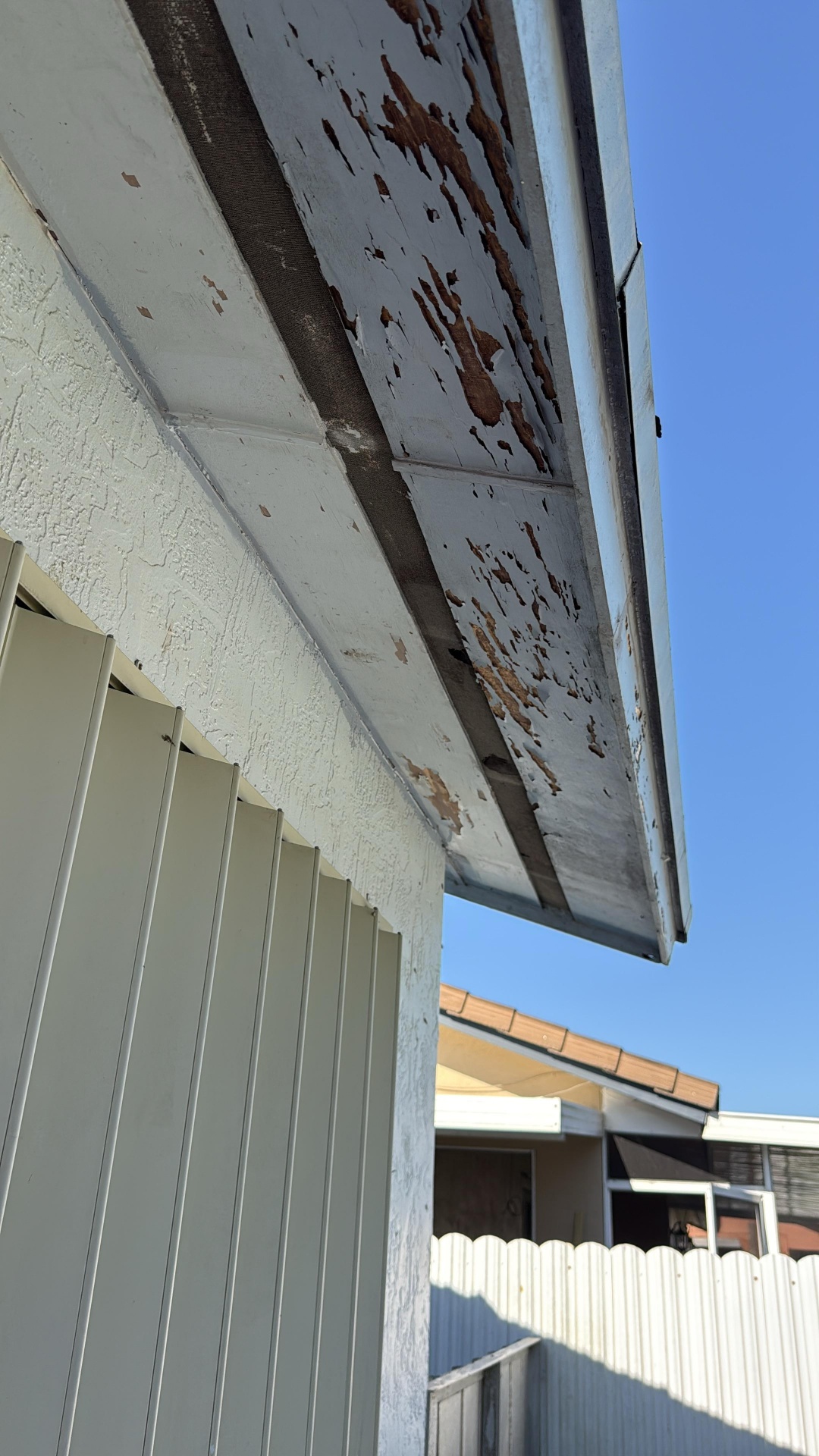
- Free inspection that becomes an unauthorized roof walk. Some crews create damage. Never let anyone on your roof unsupervised, and never let anyone lift tile or shingles "to check."
- A contract presented as an "inspection authorization." Read every line before signing anything on a doorstep. Some of these documents assign your claim or bind you to the company if the claim is approved.
- Offers to cover, absorb, or "eat" your deductible. In Florida this is legally fraught, and the cost inevitably reappears as an inflated scope submitted to your carrier.
- No local address. A rented mailbox, a hotel, or an out-of-state headquarters means the workmanship warranty is theoretical.
- Pressure to sign before the adjuster inspects, so the company controls the narrative and the scope.
What a Genuinely Local Contractor Looks Like
A local roofing contractor is verifiable in ways a temporary operation cannot fake.
- A physical address you can drive to in Miami-Dade, and a years-long permit history in your municipality.
- Permits pulled under their own Florida license, with a searchable record of closed jobs in North Miami, Miami Shores, Biscayne Park, Aventura, and unincorporated county areas.
- Named crews rather than rotating subcontracted labor brought in for a season.
- Willingness to say the roof is fine. The most reliable signal in this business is a contractor who tells you the damage is cosmetic and does not justify a claim.
- Reviews that span years and reference specific projects, not a cluster of five-star reviews posted in one month.
- Someone who answers next hurricane season, because their reputation lives in the same zip codes as your home.
Handling the Claim Correctly After a Storm
The order of operations protects you more than any single decision.
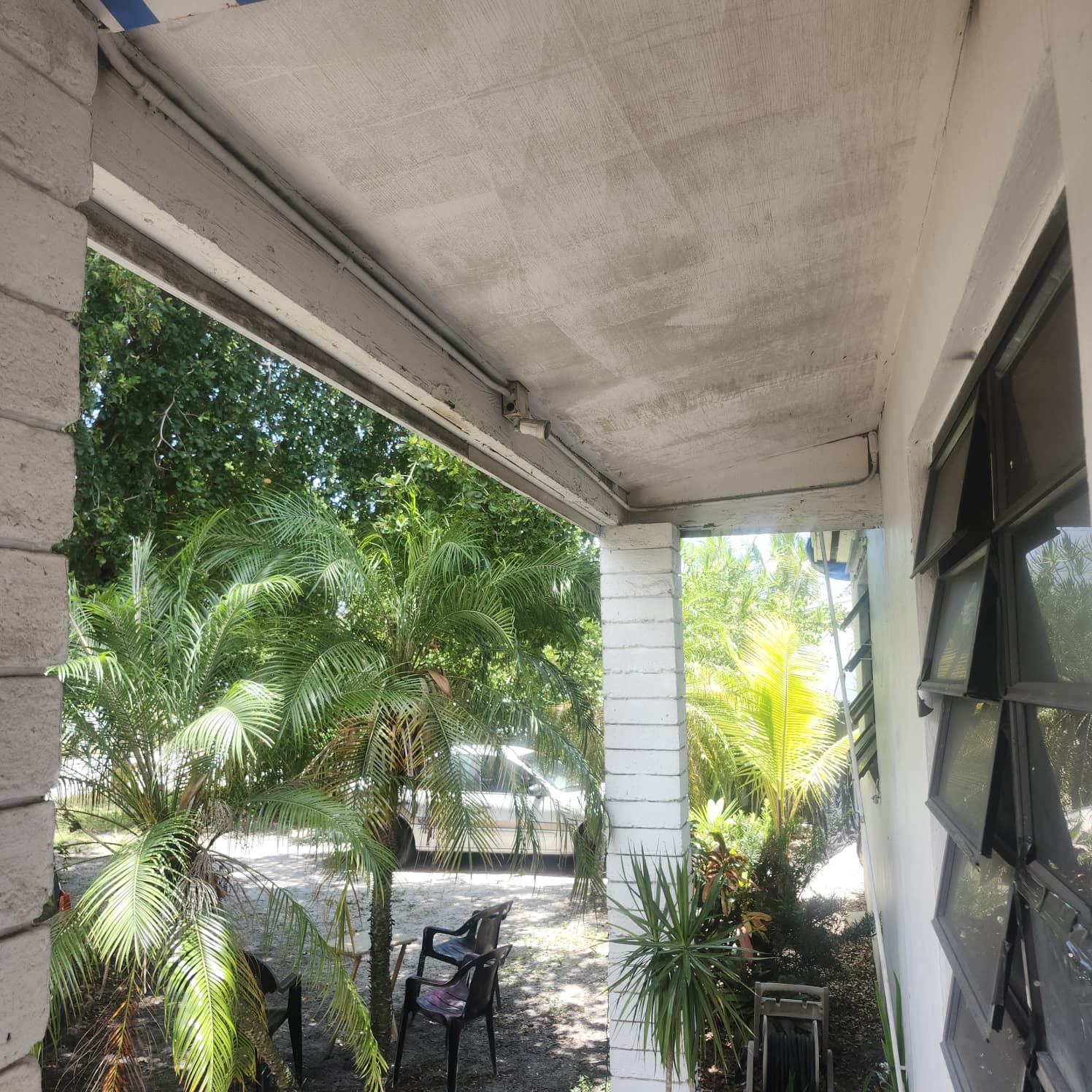
1. Document before anything is disturbed. Photograph the roof from the ground, interior staining, and any displaced material. Time stamps matter.
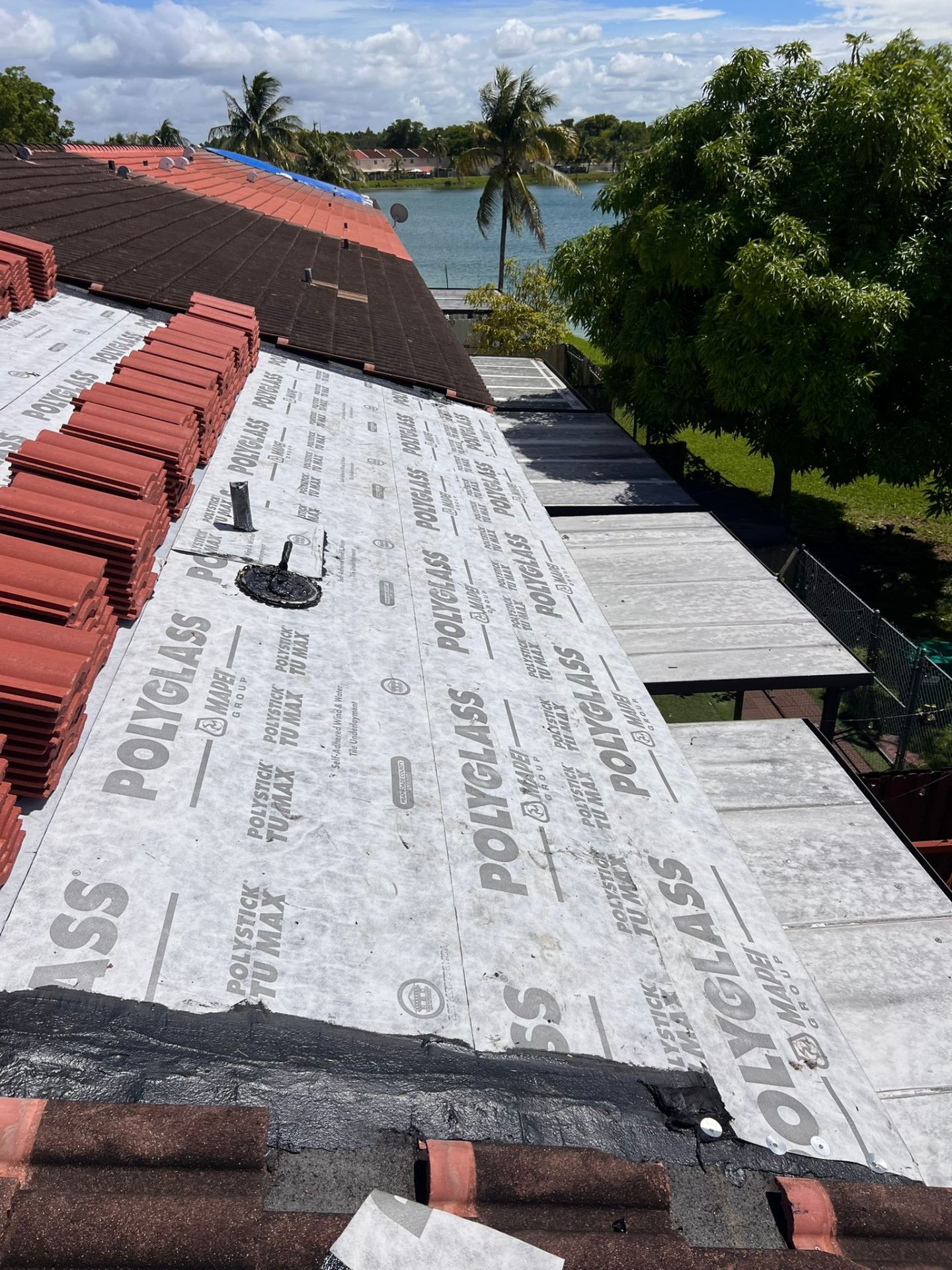
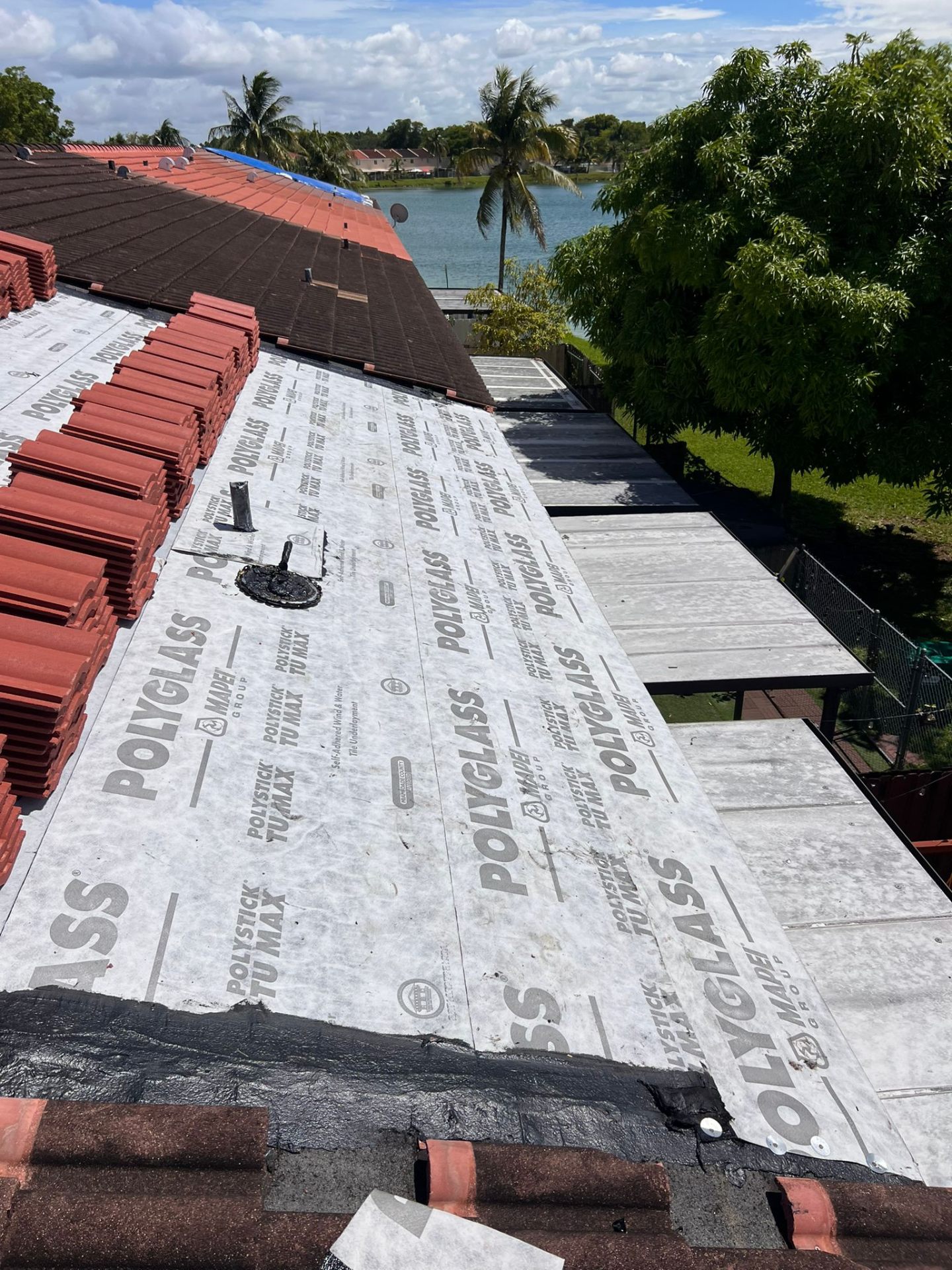
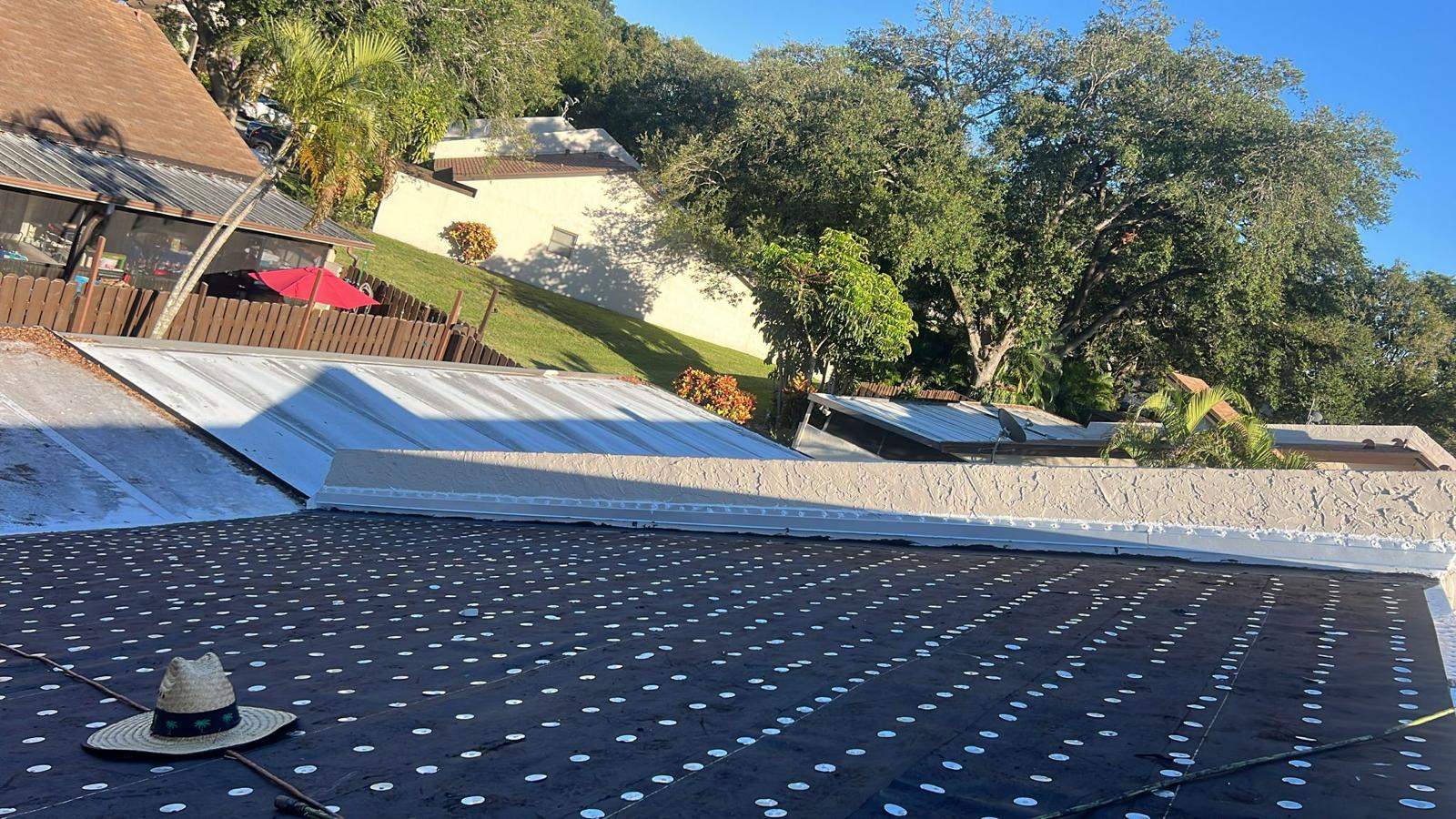
2. Get temporary protection if the roof is open. Mitigation is your responsibility under most policies, and delay makes the interior damage worse. Tarping and dry-in through emergency roofing services is a distinct, documented step — keep that invoice separate from the permanent repair.
3. Notify your carrier yourself. You do not need a contractor to open a claim, and doing it directly keeps you in control of the file.
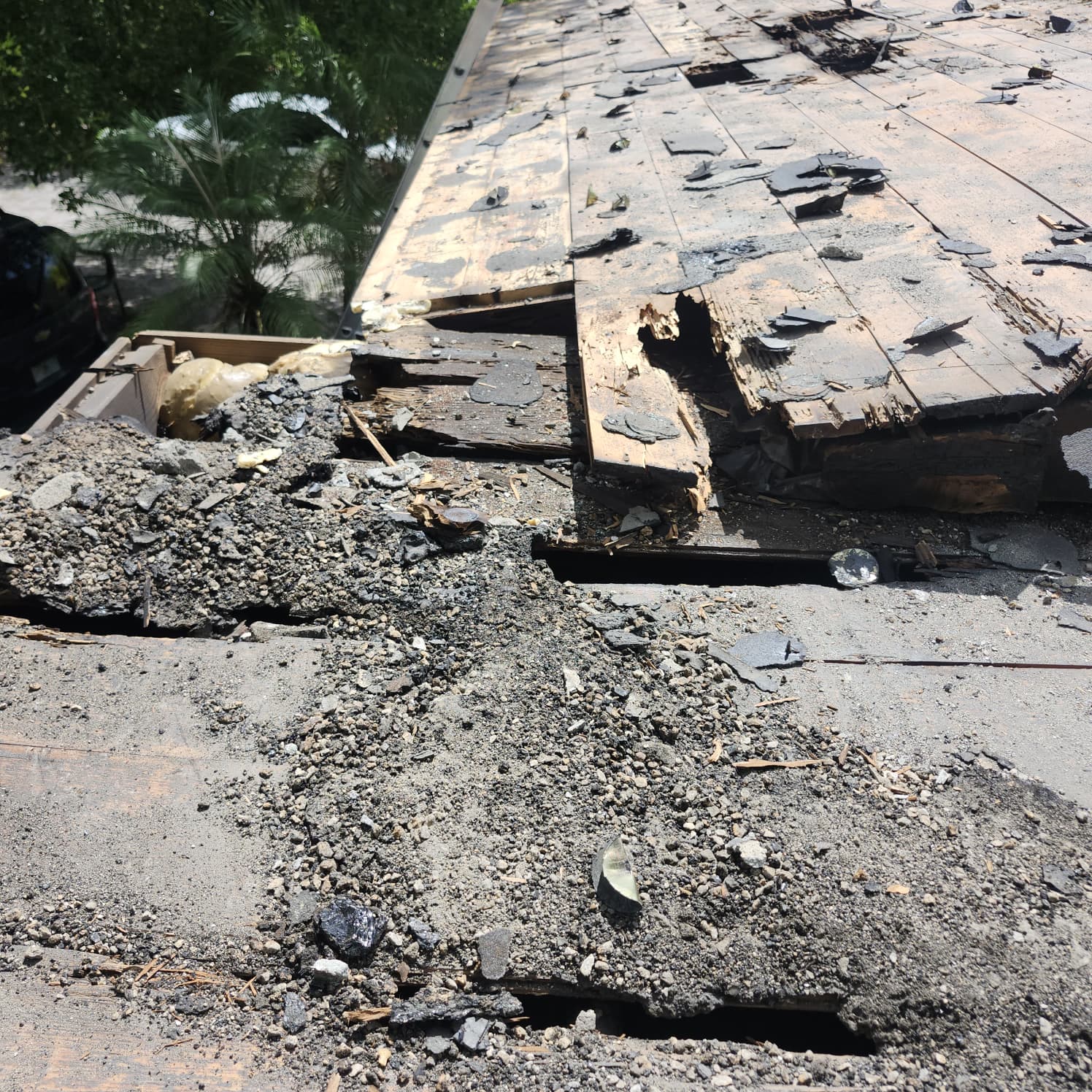
4. Get an independent assessment. A written scope from a licensed local contractor gives you something concrete to compare against the adjuster's estimate. Photos of specific conditions — lifted courses, failed flashing, wet decking — carry more weight than adjectives.
5. Understand assignment of benefits. Florida law has significantly restricted post-loss assignment of residential property insurance benefits in recent years. If any document asks you to transfer your claim rights or name a contractor as your representative, do not sign it on a doorstep. Have it reviewed.
6. Never inflate the scope. Insurance fraud exposure runs to the homeowner as well as the contractor, and it can void coverage you will need later.
Side-by-Side Comparison
| Signal | Storm Chaser | Local Contractor |
|---|---|---|
| First contact | Unsolicited knock after a storm | Referral, search, or repeat client |
| Address | Out of area, mailbox, or none | Physical Miami-Dade location |
| Permit history | None locally | Years of closed permits in your municipality |
| Deductible | Offers to absorb it | States plainly that you owe it |
| Timeline pressure | Sign today | Take your time, compare bids |
| Warranty | Corporate promise, distant entity | Local workmanship warranty, reachable crew |
| After the season | Gone | Still answering the phone |
Protecting Your Roof Before the Next Storm
The best position to be in when a storm forms is already documented. A pre-season roof inspection gives you dated photos of your roof's condition, which makes causation obvious afterward and makes a claim far harder to dispute. Fixing small things first also matters: undersized or clogged drainage causes more wet-season interior damage in Miami than dramatic wind events do, which is why gutter installation and drainage correction are worth handling before June.
Frequently Asked Questions
Is every out-of-state roofing company a scam?
No. Some hold valid Florida licenses and operate properly. The test is not geography — it is verifiable Florida licensing, local permit history, and whether the workmanship warranty is enforceable by someone who will still be here.
Should I let a door-to-door company inspect my roof for free?
If you allow it, be present, do not sign anything on the spot, and do not let anyone lift or remove material. A better path is to request an assessment from a contractor you selected.
My neighbor's claim was approved. Does that mean mine will be?
Not necessarily. Claims turn on your policy language, your roof's condition and age, and documented storm causation. A blanket "everyone on this street is getting a new roof" pitch is a sales line, not an insurance outcome.
How long do I have to file a storm claim in Florida?
Florida has tightened notice deadlines for property insurance claims in recent years, and they are shorter than many homeowners assume. Report promptly and confirm the current deadline with your carrier rather than relying on old advice.
What if I already signed something I regret?
Read the cancellation terms immediately — many contracts include a short rescission window — and consider legal review before work begins.
Continue the Series
Previous: permits, inspections, and closeout in Miami-Dade. Return to the beginning of the series: how to verify a roofing contractor before you sign.
Talk to a Contractor Who Lives Where You Do
PSR Roofing Company Of Miami has served North Miami, Miami Shores, Biscayne Park, Keystone Point, Aventura, and greater Miami-Dade for years — the same neighborhoods we will still be working in next hurricane season. We will document what your roof actually needs, including when the honest answer is nothing.
Call (786) 889-4090 or request a post-storm roof assessment.
Visit us: 1811 NE 142nd St, Miami, FL 33181 — view on Google Maps
Need help with Roof Repair?
PSR Roofing is Miami's licensed & insured expert for roof repair. Free estimates, honest pricing, and 24/7 emergency response.