How to Verify a Roofing Contractor in Miami Before You Sign Anything
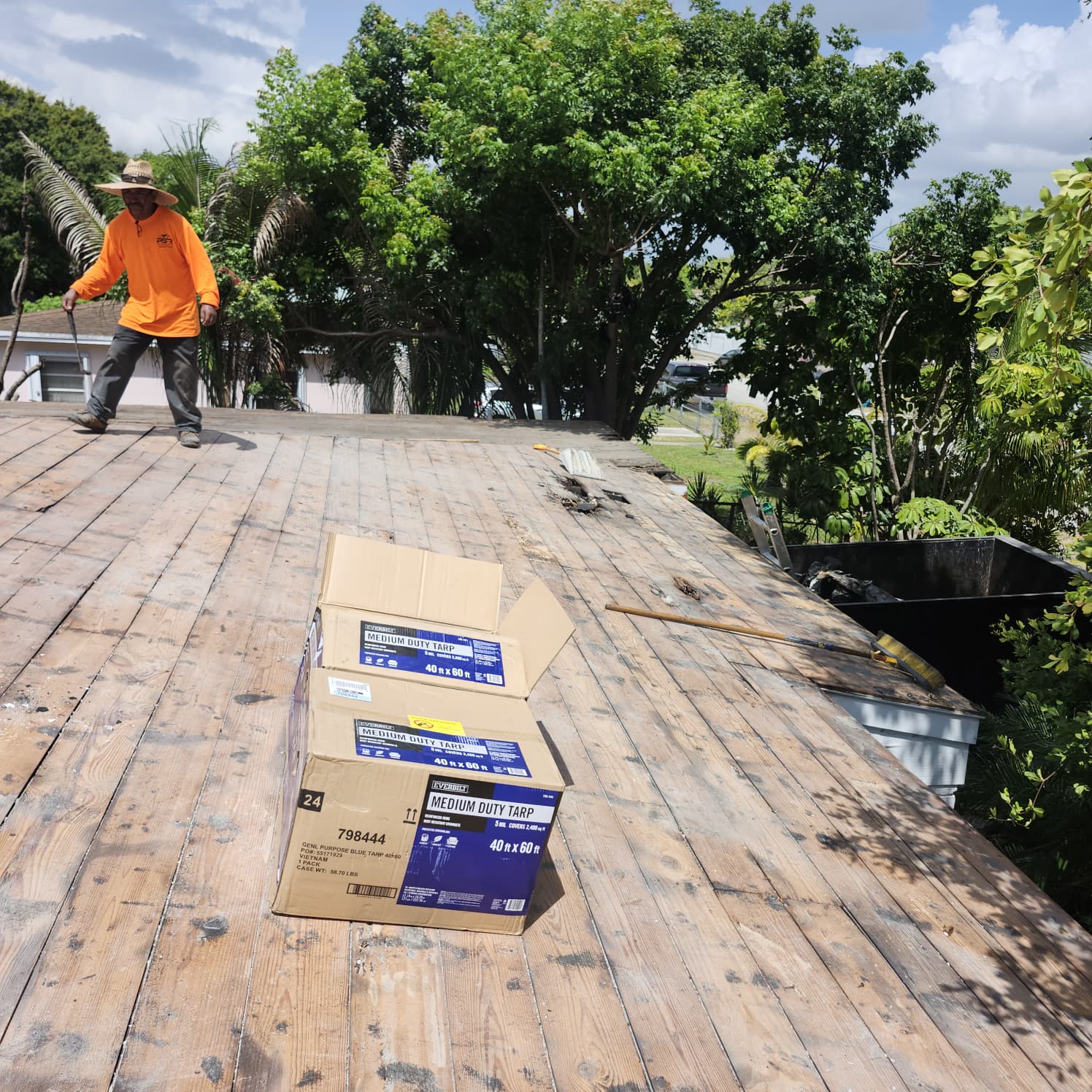
Most roofing problems we get called to fix a year later were not caused by bad materials. They were caused by who was on the roof. A homeowner in Biscayne Park hands over a deposit to someone with a truck and a magnet sign, and eighteen months later there is no permit on record, no warranty to claim, and no company left to call.
Verification takes about twenty minutes and it is the highest-return time you will spend on the entire project. Here is exactly what to check, in the order we would check it ourselves before hiring anyone to work on our own home.
Step One: Confirm the License Is Real, Current, and the Right Type
Florida licenses roofing work at the state level. A roofing contractor must hold either a Certified Roofing Contractor license (valid statewide) or a Registered Roofing Contractor license (valid in specific local jurisdictions). A general handyman license, a "home improvement" registration, or an occupational business tax receipt is not a roofing license.
Ask for the license number in writing, then verify it yourself through the Florida Department of Business and Professional Regulation license lookup. You are checking four things:
- Status is active, not expired, delinquent, or null and void.
- The license category covers roofing — CCC (roofing) or CGC/CBC with a qualifying roofing scope.
- The name on the license matches the company name on your proposal. This is the one homeowners skip. If the proposal says one LLC and the license belongs to a different individual or entity, you are dealing with license borrowing, which is illegal in Florida and leaves you unprotected.
- Complaint and disciplinary history is clean or explained.
If someone hesitates to give you a number, the conversation is over. Legitimate contractors give it before you ask.
Step Two: Verify Two Separate Insurance Policies
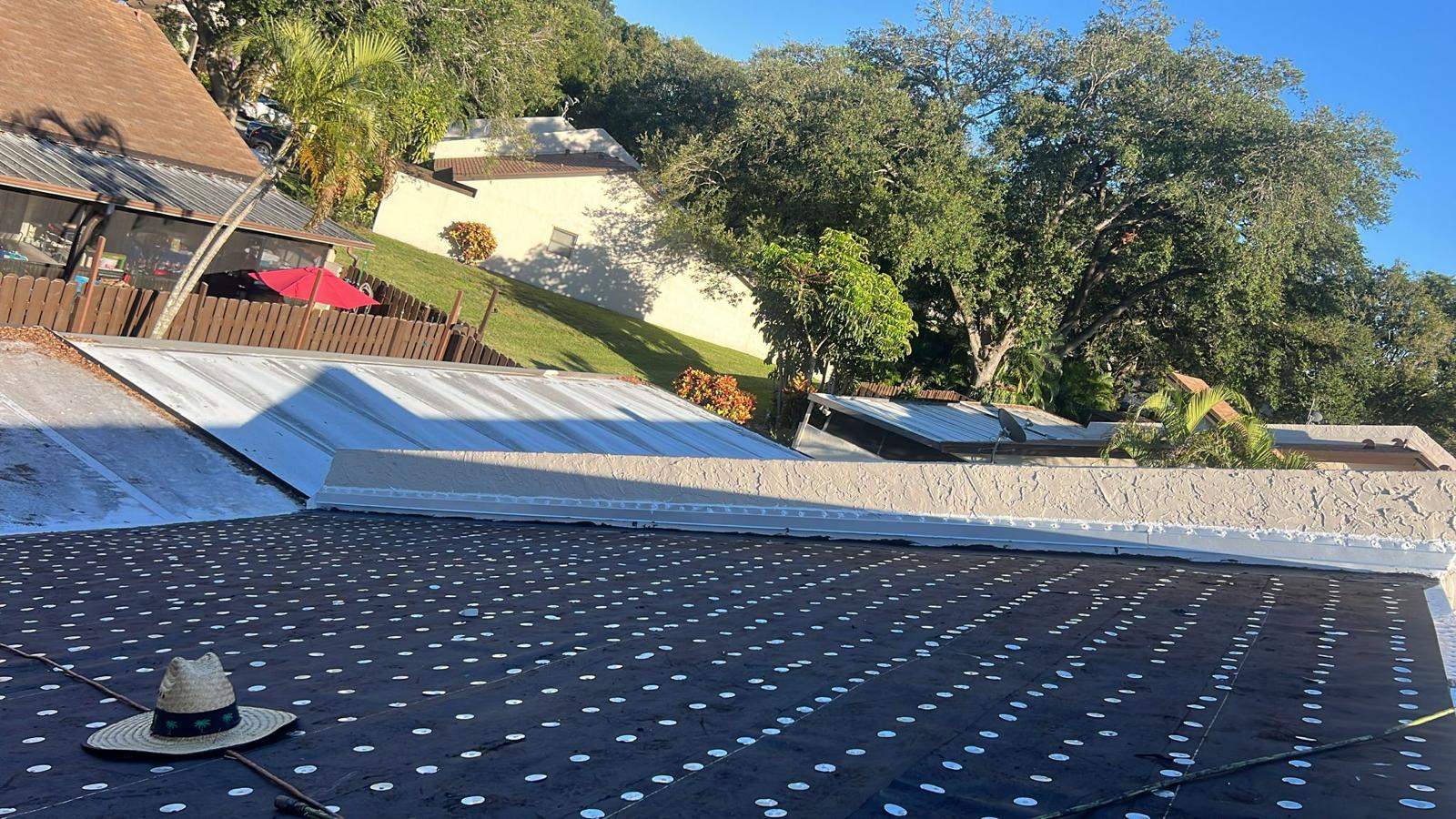
There are two coverages and you need proof of both, sent to you directly from the insurance agent, not forwarded as a PDF by the salesperson. Certificates are easy to alter; a certificate emailed from the agency is not.
General liability covers damage the crew causes to your property — a foot through a soffit, a dropped bundle through a skylight, water intrusion during an open tear-off. Confirm the policy period covers your scheduled work dates and that the coverage limit is realistic for the value of your home.
Workers' compensation covers injuries to the crew. This is the coverage that most often turns out to be missing, because some contractors classify crews as subcontractors to avoid the premium. If an uninsured worker is hurt on your roof, your homeowner's policy can become the target. Ask directly: "Is workers' compensation carried on every person who will be on my property, including subcontracted crews?" Get the answer in writing.
Ask to be listed as a certificate holder so you are notified if the policy lapses mid-project.
Step Three: Check Permit History in Your Jurisdiction
This is the step almost nobody takes, and it tells you more than any review site. Miami-Dade County and its municipalities maintain searchable permit records. Look up the contractor's name and you can see whether they actually pull permits, how many roofing permits they have closed, and whether they leave permits open and expired.
An open, expired permit means a job that never passed final inspection. A pattern of them means the paperwork discipline is not there — and in Miami-Dade, paperwork discipline is what protects your warranty and your future closing.
Requirements differ by municipality. North Miami, Miami Shores, Aventura, and unincorporated Miami-Dade each have their own building department procedures, and a contractor who works this area daily will know which one applies to your address without looking it up. Ask them who pulls the permit and whose name it goes under. The correct answer is always the contractor's license, never yours. A permit pulled in the homeowner's name transfers liability for code compliance to you.
Step Four: Test Local Knowledge With Three Questions
Credentials confirm legitimacy. These questions confirm competence in this specific climate and code environment.
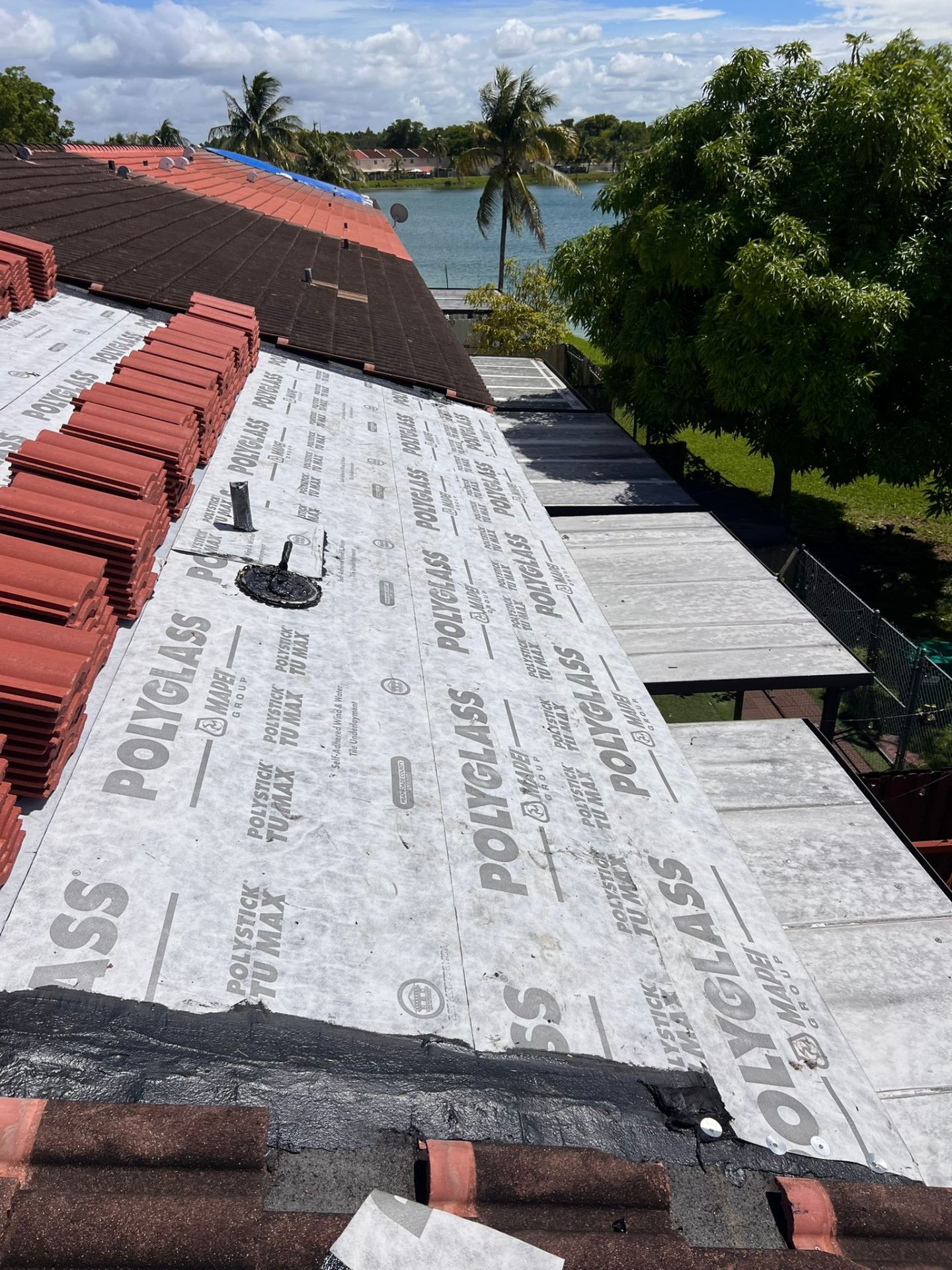
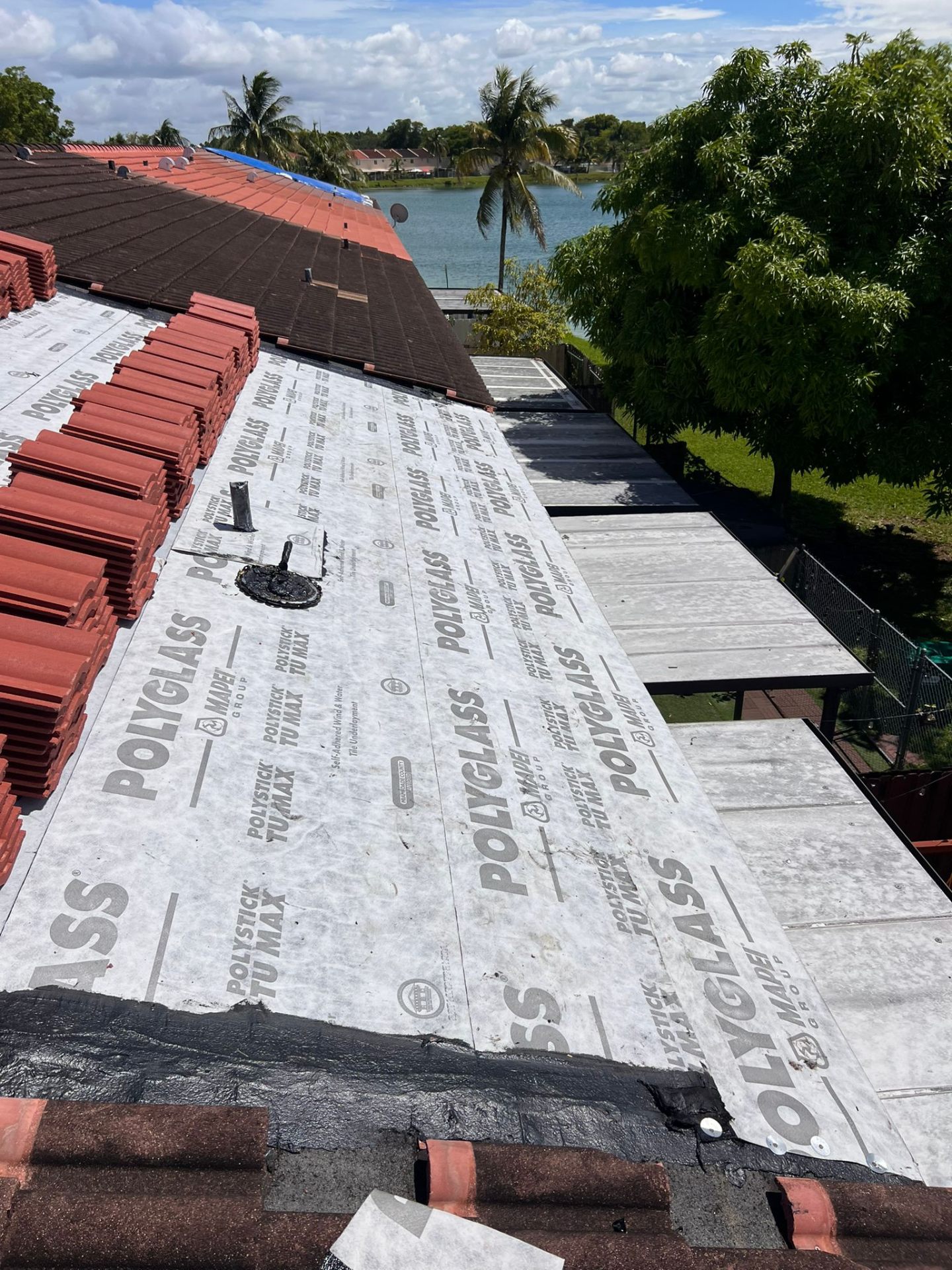
- "What underlayment are you specifying and why?" In High-Velocity Hurricane Zone territory, the answer should reference Miami-Dade Notice of Acceptance approved products and self-adhering membrane, not "standard felt."
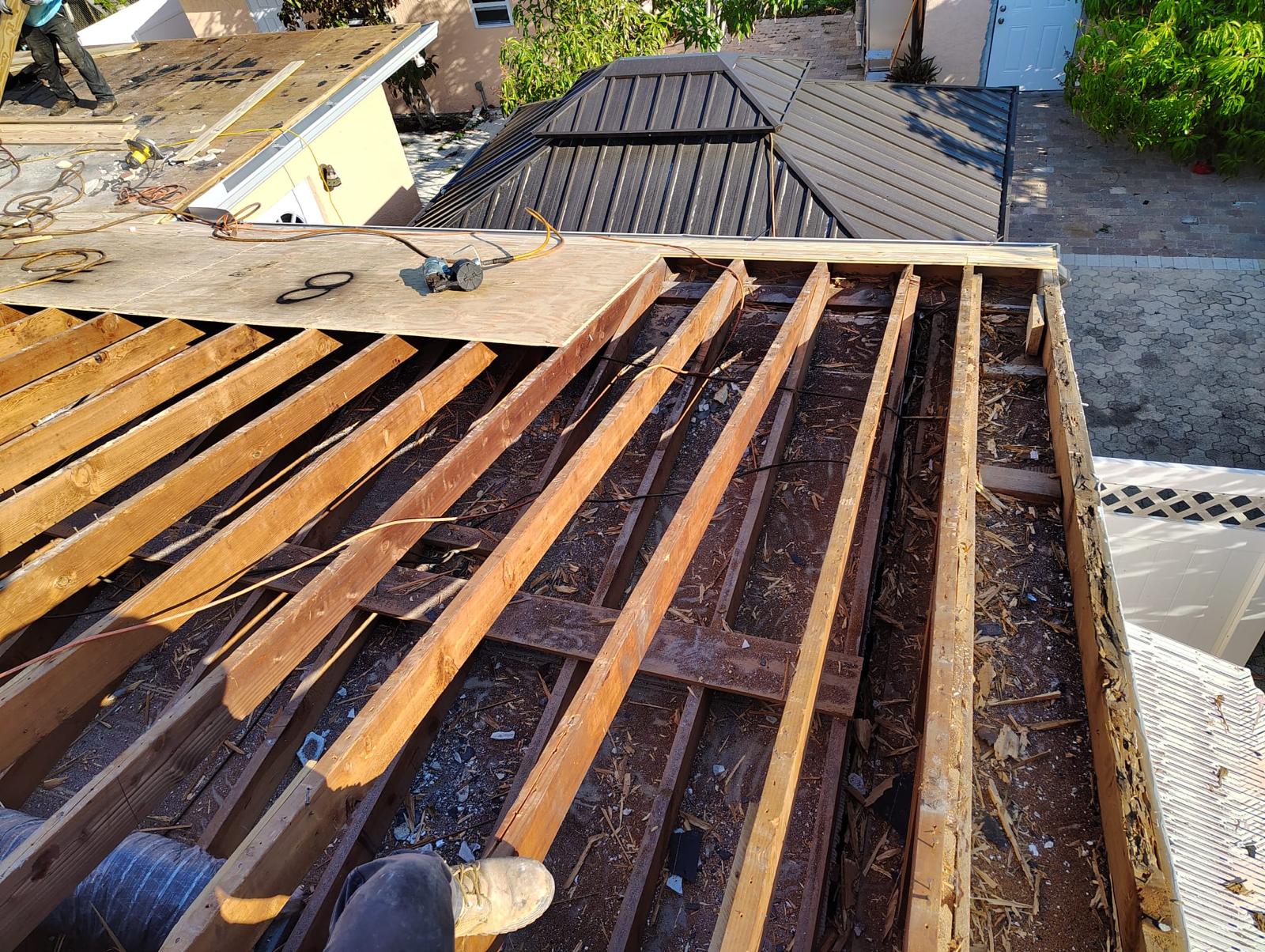
- "What happens if you find rotted decking during tear-off?" You want a stated unit price per sheet in the contract, not "we will let you know." Deck replacement is common in South Florida and open-ended pricing is where budgets break.
- "Which inspections does this job require and who schedules them?" A qualified roofing contractor in Miami-Dade names them — typically a dry-in or in-progress inspection and a final — without hesitating.
If you want a documented starting point before you compare anyone, a professional roof inspection gives you an independent picture of what your roof actually needs so you can evaluate proposals against reality instead of against each other.
Red Flags That Should End the Conversation
- Pressure to sign today, or a price that expires at the end of the visit.
- Large cash deposit demanded before materials are ordered or a permit is applied for.
- An offer to "handle" or waive your insurance deductible. In Florida this raises real legal exposure for both parties.
- No physical local address, only a cell number and a P.O. box.
- A proposal with no material manufacturer or product line named — just "new roof, one price."
- Unwillingness to be listed on the permit.
Verification Checklist at a Glance
| What to Verify | Where to Check | What Disqualifies |
|---|---|---|
| Roofing license | Florida DBPR lookup | Expired, wrong category, name mismatch |
| General liability | Certificate direct from agent | Expired dates, unrealistic limits |
| Workers' compensation | Certificate direct from agent | Missing or excludes subcontractors |
| Permit history | Miami-Dade / municipal records | Open expired permits, no roofing history |
| Physical presence | Address, years in operation | Out-of-area or no verifiable address |
| Written scope | The proposal itself | No products named, no deck unit pricing |
Frequently Asked Questions
Can I hire an out-of-state contractor after a storm if they are cheaper?
Only if they hold an active Florida roofing license. Out-of-state licensing does not transfer, and post-storm crews that leave the state take your workmanship warranty with them.
Does a manufacturer certification prove a contractor is licensed?
No. Manufacturer certifications are training and volume credentials issued by material companies. They are useful — they often unlock stronger material warranties — but they are not a substitute for state licensing and insurance.
Should I verify all this again for a small repair?
Yes. Licensing and insurance exposure do not scale down with job size. A single fall on an uninsured crew costs the same whether they came for a full replacement or a flashing repair. The same standards apply to a straightforward roof repair.
Who is responsible if work fails inspection?
The licensed contractor who pulled the permit. That is precisely why the permit should never be in your name.
Continue the Series
Once a contractor clears verification, the next thing that protects you is the document itself. Read the next article: what a roofing contractor's proposal must include, line by line.
Get a Straight Answer From a Licensed Local Contractor
PSR Roofing Company Of Miami is a licensed and insured roofing contractor serving North Miami, Miami Shores, Biscayne Park, Keystone Point, Aventura, and greater Miami-Dade. We hand over license and insurance documentation before we quote, not after.
Call (786) 889-4090 or request a free roof evaluation.
Visit us: 1811 NE 142nd St, Miami, FL 33181 — view on Google Maps
Need help with Roof Repair?
PSR Roofing is Miami's licensed & insured expert for roof repair. Free estimates, honest pricing, and 24/7 emergency response.