Spotting Silent Roof Water Damage in North Miami Homes
According to building physics data, a single roof leak can migrate more than fifteen feet horizontally from its original point of entry before pooling and dripping through your ceiling. In the subtropical climate of North Miami, this hidden moisture path creates a silent countdown. By the time a wet spot finally darkens your drywall, wood rot and biological growth may have already taken hold in your attic space. Recognizing the early, subtle warnings of water intrusion is the most effective way to avoid extensive structural restoration.
For homeowners in North Miami, the constant cycle of heavy downpours, high humidity, and intense sun accelerates the wear and tear on roofing materials. A small breach in your roof system can quickly escalate, allowing gallons of water to enter your home during our frequent afternoon storms. Understanding the warning signs of roof leaks allows you to take action before minor moisture issues become major structural problems, requiring the assistance of a specialist in professional roof repair in North Miami.
The Silent Intrusion: Why North Miami Roofs Leak Long Before You See Drips
Many homeowners associate roof damage with a sudden, dramatic drip during a tropical storm. In reality, the vast majority of water intrusion begins as a slow, quiet seep. Water is opportunistic. It exploits tiny cracks in sealant, compromised flashing, or lifted shingles, slowly working its way downward under the influence of gravity.
Once water gets past the outer roofing material, it hits the underlayment. If the underlayment has degraded due to age or heat, the water reaches the wooden roof decking. The decking absorbs the moisture like a sponge, swelling and gradually losing its structural integrity. It is only after the decking is completely saturated that the water begins to travel along rafters, eventually pooling on the top side of your ceiling drywall. This process can take weeks or even months to manifest as a visible stain, meaning that silent damage is occurring long before you put a bucket on the floor.
The Local Environment: How Coastal Heat and Heavy Rain Stress North Miami Roofs
The housing stock in North Miami, ranging from mid-century concrete block homes to newer multi-story properties, faces unique environmental pressures. Our local climate features a punishing combination of intense ultraviolet radiation, high humidity, and salt-laden air from Biscayne Bay. This environment accelerates the aging process of roofing materials in specific ways.
First, the relentless Florida sun bakes asphalt shingles and tile underlayments, causing them to dry out, turn brittle, and crack. This thermal stress is compounded by rapid cooling during sudden summer afternoon downpours, causing materials to expand and contract quickly. Second, salt air can accelerate the corrosion of metal flashing, valley liners, and roofing nails. When these metal components degrade, they leave behind small gaps that invite wind-driven rain. Finally, North Miami is subject to high-velocity winds during tropical depressions and hurricanes. These winds can lift shingles or tiles just enough to break their sealant bonds, creating entry points for water that lay flat and look perfectly normal during a casual ground-level inspection.
How to Identify Hidden Water Damage Inside Your Living Space
If you want it handled correctly the first time, consider professional roof repair in North Miami.
Spotting water damage early requires looking beyond the obvious puddle on the floor. There are several subtle indoor warning signs that indicate water is bypassing your roof system and entering your living areas.
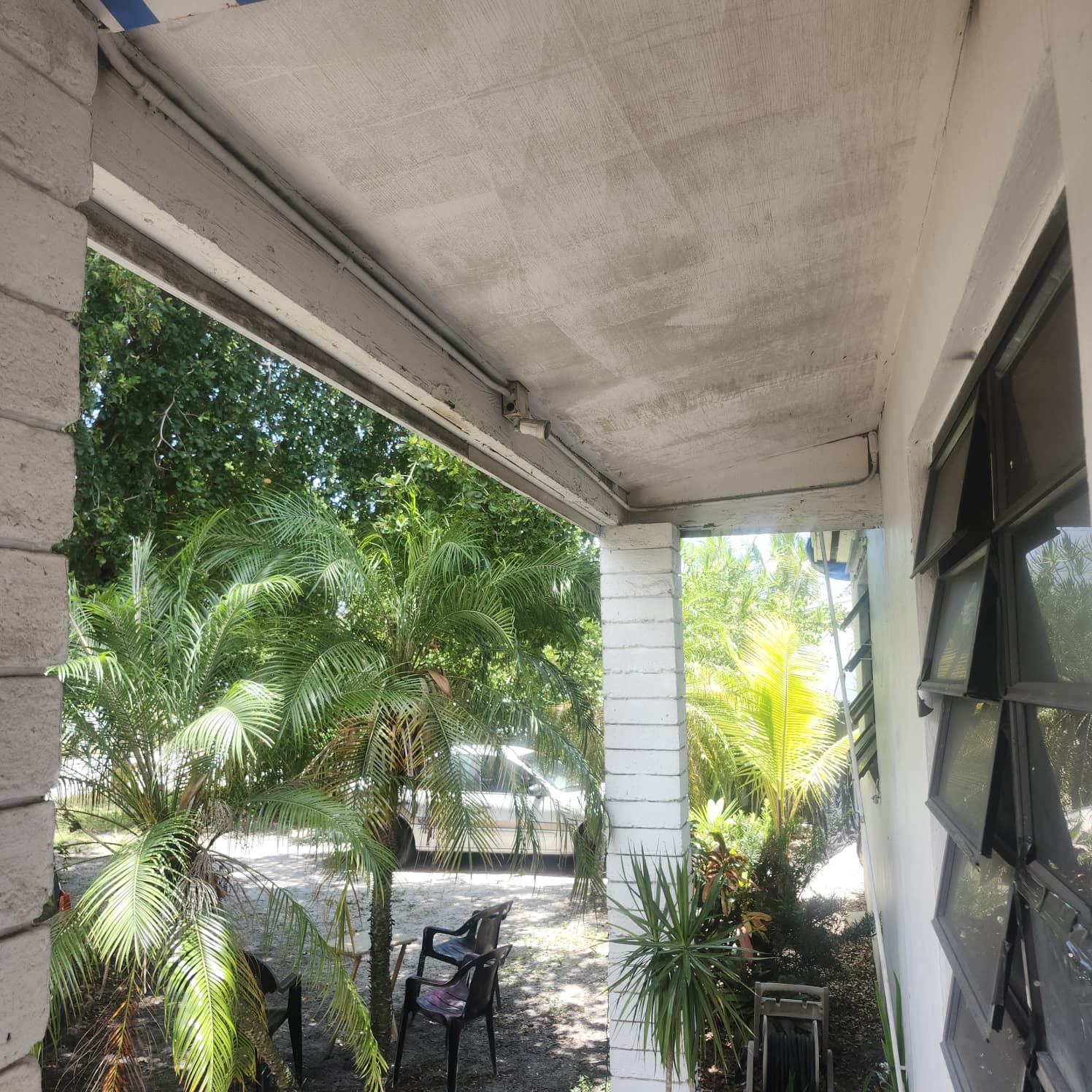
Pay close attention to the texture of your drywall. Water pooling on the backside of a ceiling will cause the paint to bubble, peel, or blister. You might notice a slight sagging in the ceiling board or a soft, spongy texture when pressed gently with a broom handle. Discoloration is another key indicator, often presenting as faint yellow, light brown, or rust-colored rings that slowly expand over time.
Another common indoor indicator is the sudden peeling of wallpaper or cracking of joint tape along the seam where your walls meet the ceiling. In homes with crown molding, moisture can cause the wood trim to warp, pull away from the wall, or show dark staining along its edges. If you notice a persistent musty odor in a specific room or closet that does not go away with ventilation, it is highly likely that moisture is trapped behind the drywall or within the ceiling joists.
Inspecting Your Attic: The First Line of Defense Against Hidden Leaks
Your attic space holds the truest record of your roof's health. Performing a periodic visual check of this space can reveal water intrusion months before it affects your finished living areas.
When inspecting your attic, safety should always come first. Only step on secure joists, wear a dust mask, and use a bright flashlight. Look closely at the underside of the roof decking. Dark stains, black streaks, or white powdery mineral deposits on the wood are clear indicators of active or past water flow. Check the vertical rafters for water tracking marks, which look like dark run lines leading down from the peak of the roof.
Examine the insulation as well. Wet fiberglass insulation will clump together, compress, and lose its loft, while wet cellulose insulation will turn gray and clump into soggy masses. Feel the insulation in areas directly beneath roof penetrations, such as plumbing stacks, attic fans, or chimneys. If the insulation feels damp or cold to the touch, or if you notice rust staining on the nails protruding through the roof deck, water is actively finding its way inside.
Exterior Warning Signs: Spotting the Trouble Spots on Your Roof
Many North Miami homeowners rely on expert roof repair in North Miami for exactly this.
While safety dictates that homeowners should avoid climbing onto steep or high roofs, many key exterior signs of damage can be spotted from the ground using a pair of binoculars.
Look for any shingles that are cracked, curled at the edges, or altogether missing. On tile roofs, look for cracked, chipped, or displaced tiles that expose the dark underlayment underneath. Pay close attention to the valleys of your roof, where two slopes meet. These areas carry a high volume of water during rainstorms, and any buildup of leaves, branches, or organic debris can trap water and force it under the roofing materials.
Examine the flashing around your chimney, dormers, and vent pipes. Flashing should be flush against the roof and vertical walls. If you see lifted edges, cracked caulking, or rusted metal, water can easily slide behind these barriers. Additionally, check your gutters and downspouts. If you notice a heavy buildup of dark, sandy granules in your gutters, it is a sign that your asphalt shingles are losing their protective coating, leaving them vulnerable to UV degradation and subsequent leaks.
The Professional Diagnostic Process: How Leaks Are Pinpointed and Remedied
When a homeowner suspects a leak, a professional inspection is the next logical step. Identifying the exact source of water intrusion requires a systematic approach, as the entry point on the outer roof rarely aligns perfectly with where the water drips inside.
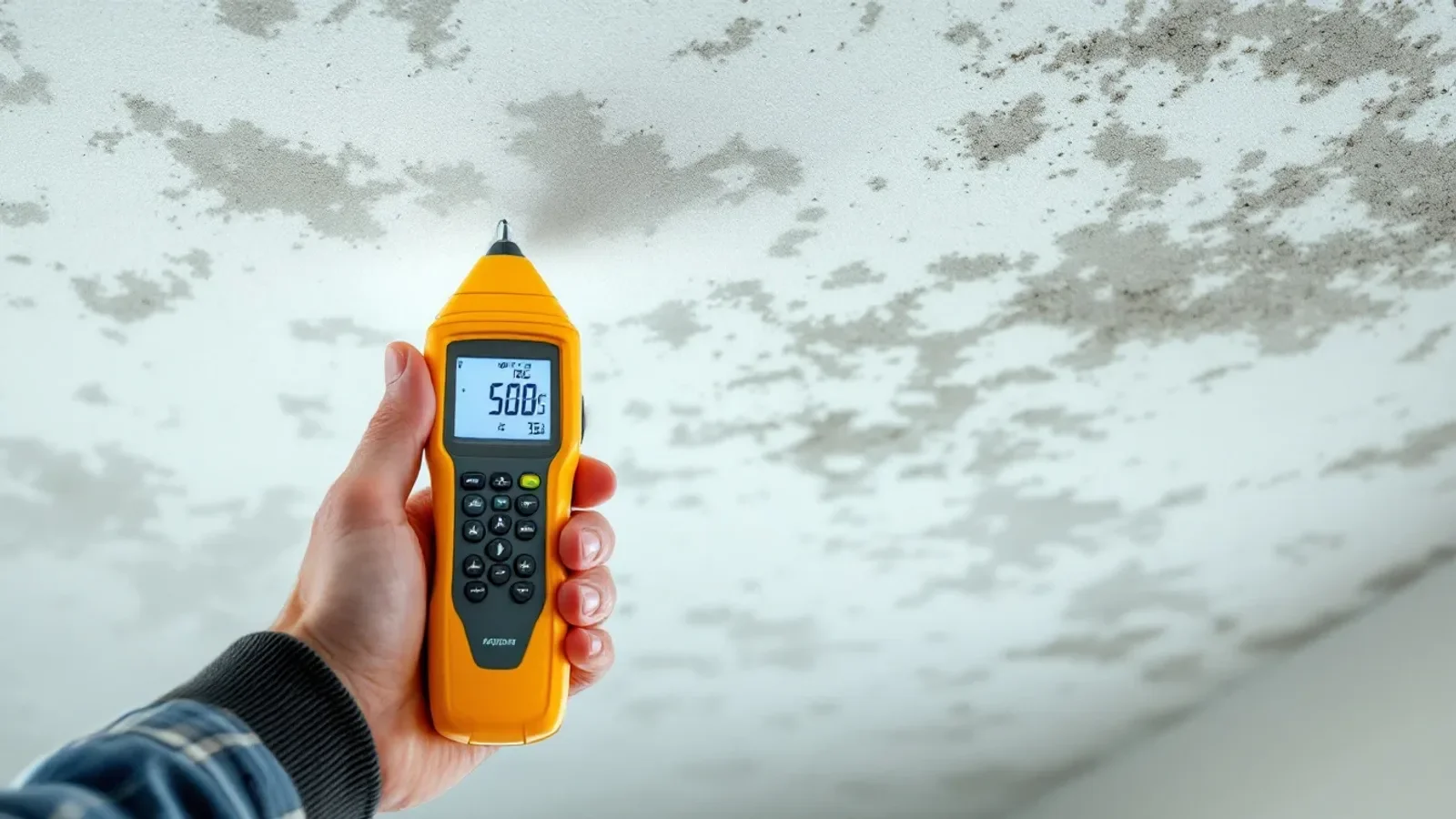
A professional roof technician begins by mapping the interior stains and tracing them back to the attic. Specialized moisture meters are used to measure the moisture content of the drywall, plaster, and wood framing, helping to define the boundaries of the wet area. In some cases, thermal imaging cameras are utilized to detect temperature differences caused by evaporative cooling, pinpointing damp insulation and hidden water paths behind finished walls without invasive tearing.
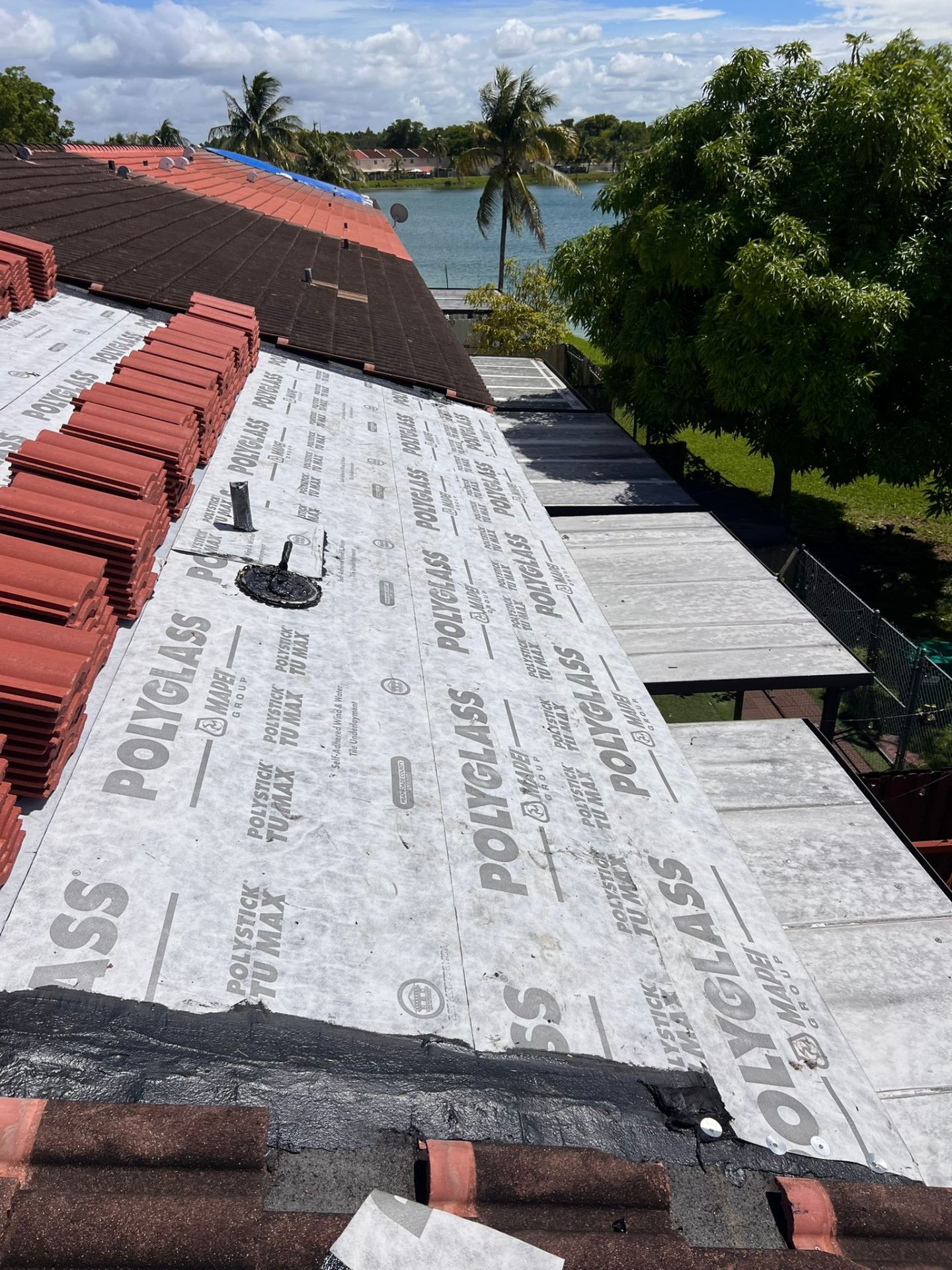
Once the general entry path is identified, the technician inspects the corresponding area on the roof exterior. Remedying the leak involves removing the damaged shingles or tiles, cutting away rot-compromised wood decking, and replacing it with fresh exterior-grade plywood. A high-quality self-adhering ice and water shield is then installed, followed by new underlayment and matching roofing materials. Flashing is resealed or completely replaced with durable metal to ensure a watertight barrier that can withstand future heavy rains.
Ready for the next step? Learn how roof repair services in North Miami can help and reach out to the team.
Before moving forward with any repairs, it is highly beneficial to review our comprehensive guide on evaluating Miami roof repair estimates to understand what to look for in a professional service proposal.
Frequently Asked Questions
Can a roof leak dry out on its own?
No, a roof leak will not dry out on its own. While the water may temporarily evaporate between rainstorms, the physical breach in your roofing system remains open, and subsequent rains will continue to introduce moisture, leading to progressive wood rot and structural damage.
Is a small brown spot on my ceiling an emergency?
While it may not require immediate emergency tarping, a brown spot indicates that water has already fully saturated your attic insulation and ceiling drywall. It should be evaluated by a professional as soon as possible to prevent the damage from spreading and compromising a larger area of your ceiling.
How long does it take for mold to grow after a roof leak?
Under the warm, humid conditions typical of North Miami, biological growth can begin to develop on wet drywall, wood, and insulation within 24 to 48 hours of exposure to moisture. This is why prompt detection and dry-out are critical to preserving your home's indoor air quality.
Protect Your North Miami Home from Hidden Water Intrusion
Catching roof water damage early is the key to preserving your home's structural integrity and keeping repair costs manageable. By keeping a close eye on your ceilings, monitoring your attic, and checking your roof exterior after major storms, you can address minor issues before they turn into major headaches.
If you have noticed bubbling paint, musty odors, or faint brown stains on your ceiling, do not wait for the next heavy downpour to confirm your suspicions. The experienced team at PSR Roofing Company of Miami is ready to help you locate and resolve hidden leaks. Contact us today to schedule a comprehensive roof inspection and protect your North Miami home from silent water damage.
Continue reading
- Complete guideRoof Repair in North Miami FL | Expert Local Roofing Services›
- RelatedCompare North Miami Roof Repair Estimates Fairly›
- From the blogFlat Roof Maintenance Guide | Roofing Contractor North Miami | PSR Roofing Miami›
- From the blogHow to Prepare for a Roof Inspection | North Miami Roofing | PSR Roofing Miami›
- From the blogEvaluating Roof Quotes: North Miami Roof Installation Cost | PSR Roofing Miami›
Need help with Roof Repair?
PSR Roofing is Miami's licensed & insured expert for roof repair. Free estimates, honest pricing, and 24/7 emergency response.