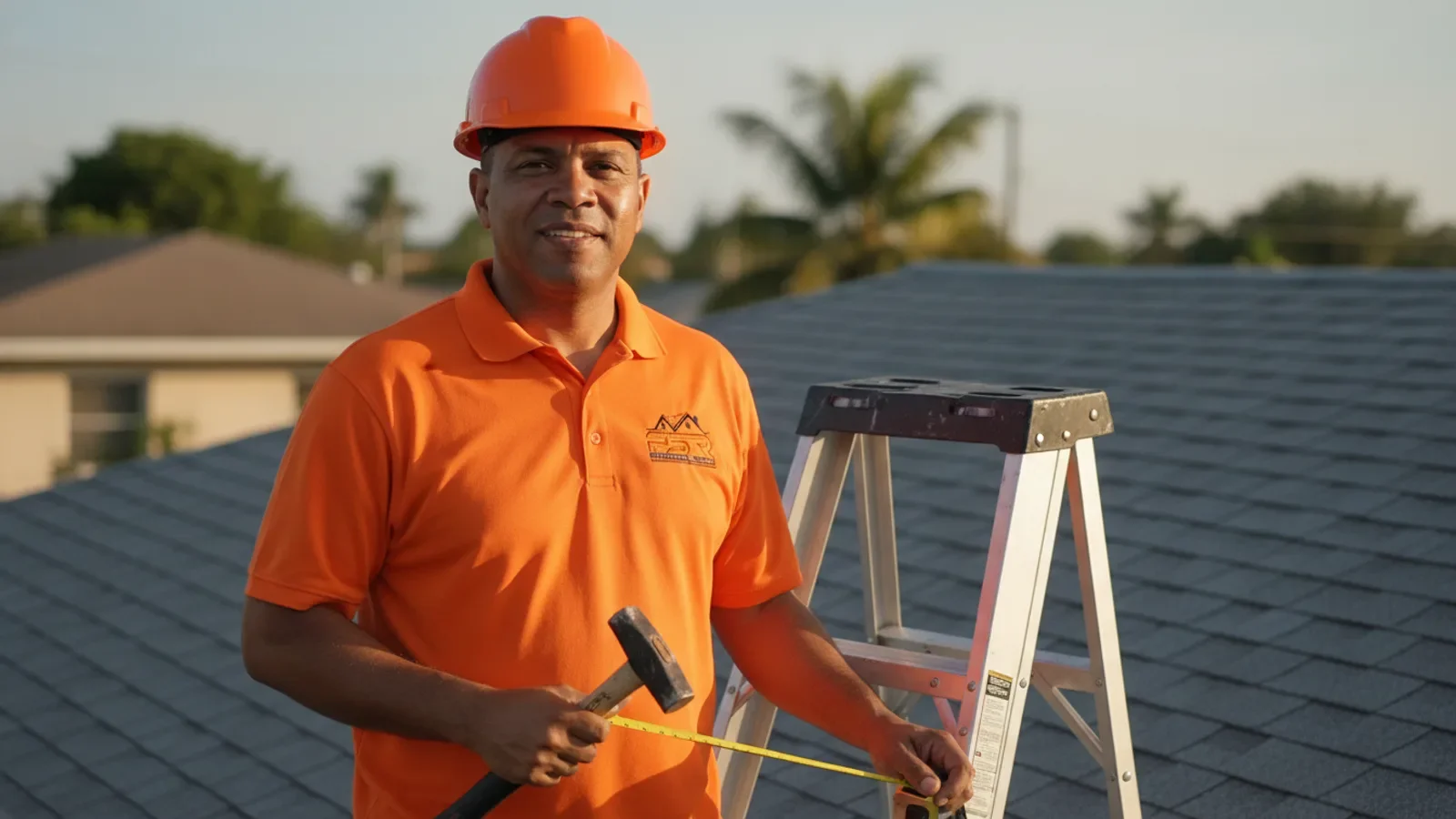
Professional Roof Repair in North Miami: The Complete Homeowner Guide
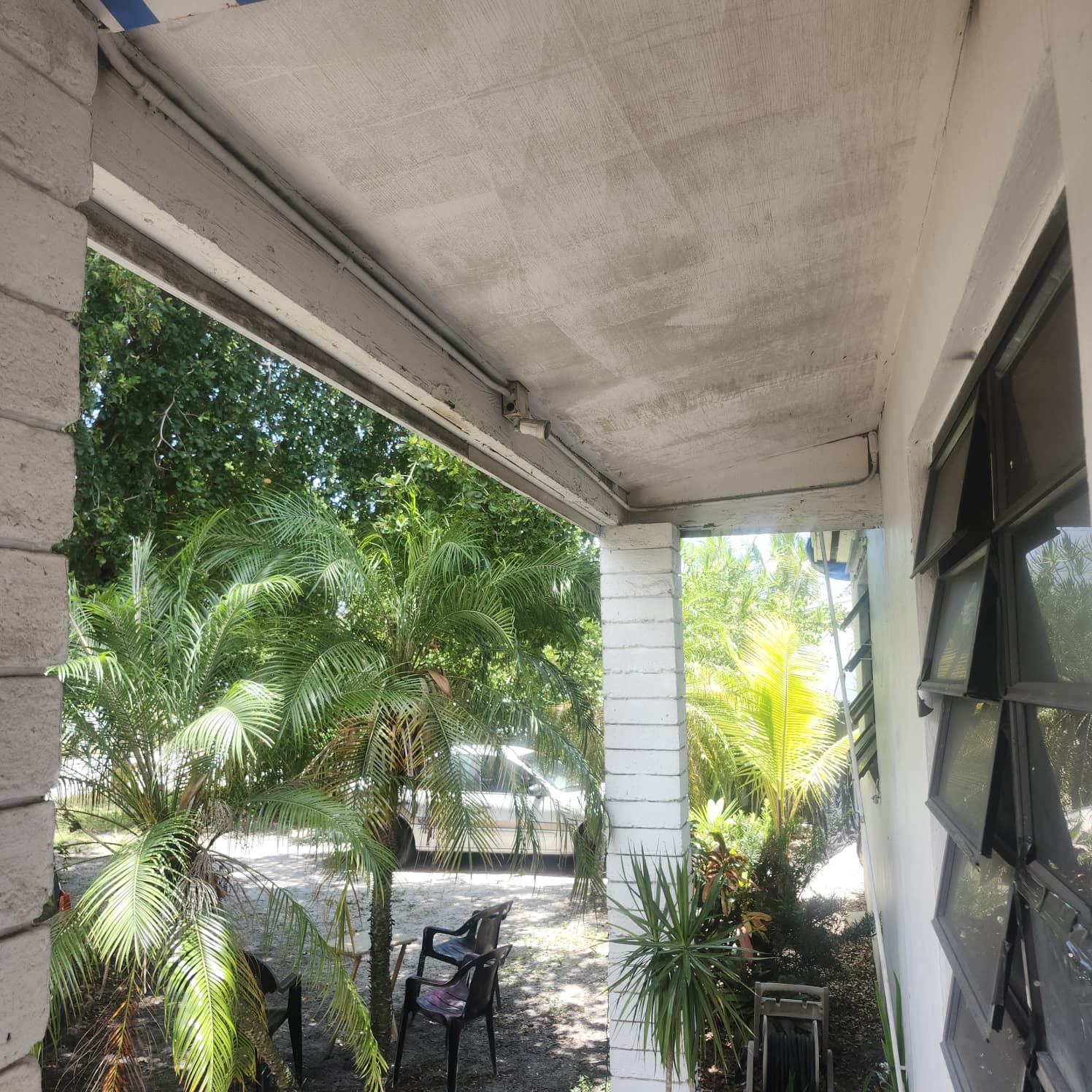
You step into your living room after a heavy afternoon downpour and notice a faint, damp odor. When you look up, a small, yellowish ring has formed on your ceiling, with a single drop of water clinging to the plaster. In North Miami, where intense tropical rains and high humidity are daily realities, even a minor leak can quickly compromise your home's structural integrity. Addressing these issues early with professional roof repair in North Miami is the most effective way to protect your property and avoid costly, premature replacements.
PSR Roofing Company of Miami specializes in diagnosing and correcting roofing issues before they escalate. Whether you are dealing with minor wind displacement or the aftermath of a major storm, understanding how to approach the repair process helps you make informed decisions for your home.
The Essential Stages of Professional Roof Repair
A reliable roofing fix is never a matter of simply spreading mastic over a visible crack. To ensure a long-lasting seal, professional contractors follow a systematic process designed to identify the root cause of the failure and rebuild the damaged section of the roof system from the deck up.
1. Comprehensive Assessment and Diagnostics
The process always begins with a detailed physical inspection. Water is highly opportunistic, often entering the roof at one point and traveling along rafters before finally dripping through your ceiling. Technicians inspect the attic space, examine the exterior shingles or tiles, check the flashing, and assess the condition of the underlayment to pinpoint the exact source of intrusion.
2. Preparation and Area Protection
Before any physical repair begins, the work area must be secured. This involves protecting your landscaping, pool screens, and patio furniture from falling debris. Contractors place tarps around the perimeter of the home and set up safety equipment to ensure the project complies with local safety standards.
3. Removal of Damaged Materials
To fix a leak properly, the damaged surface materials (such as cracked shingles or broken concrete tiles) must be carefully removed. This exposes the underlying components, including the water-resistant underlayment and the wooden roof decking. If the wood is soft, rotted, or showing signs of water damage, that section of the deck must be cut out and replaced with clean, structurally sound plywood.
4. Installing Barrier Layers and Flashing
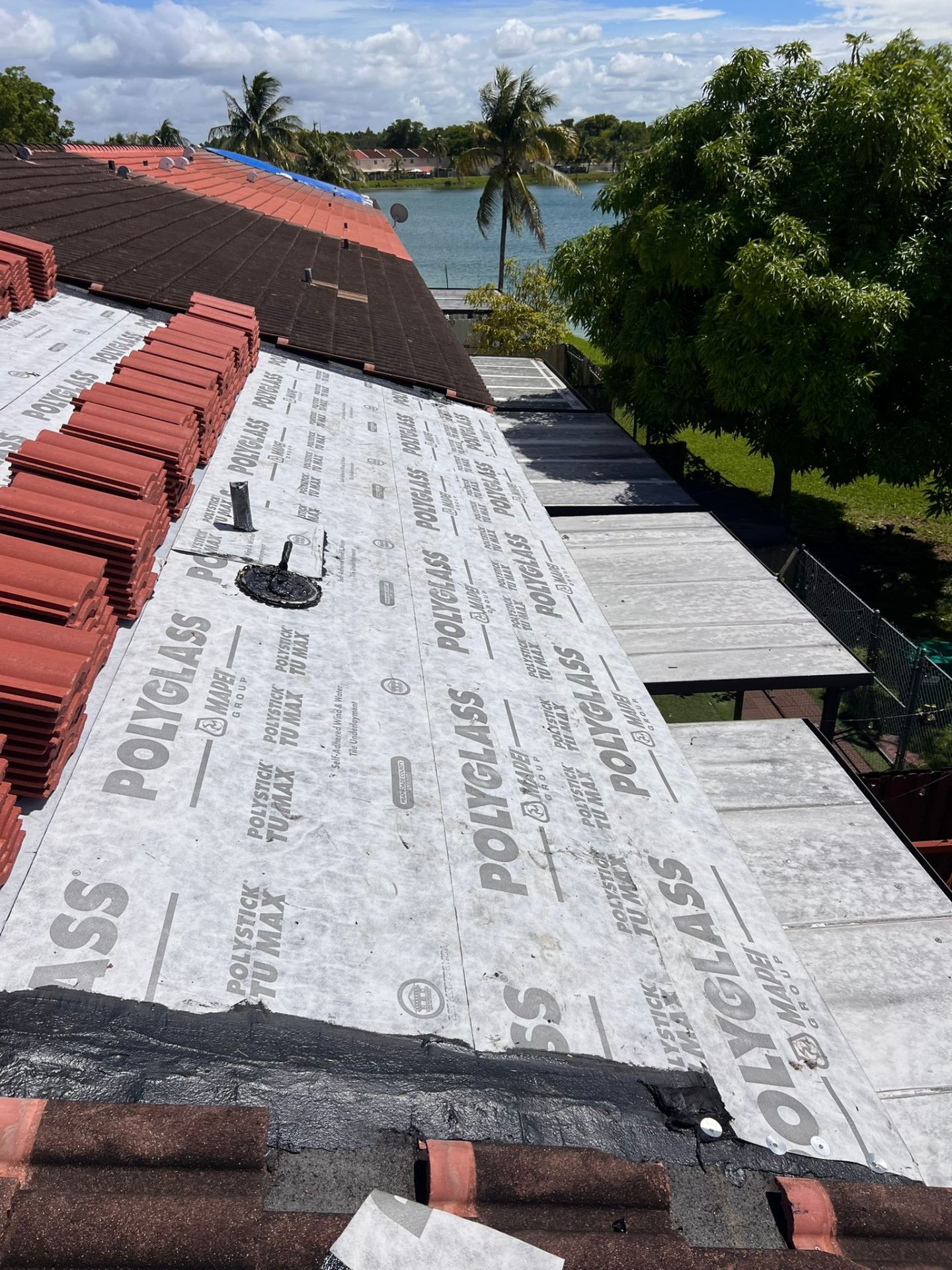
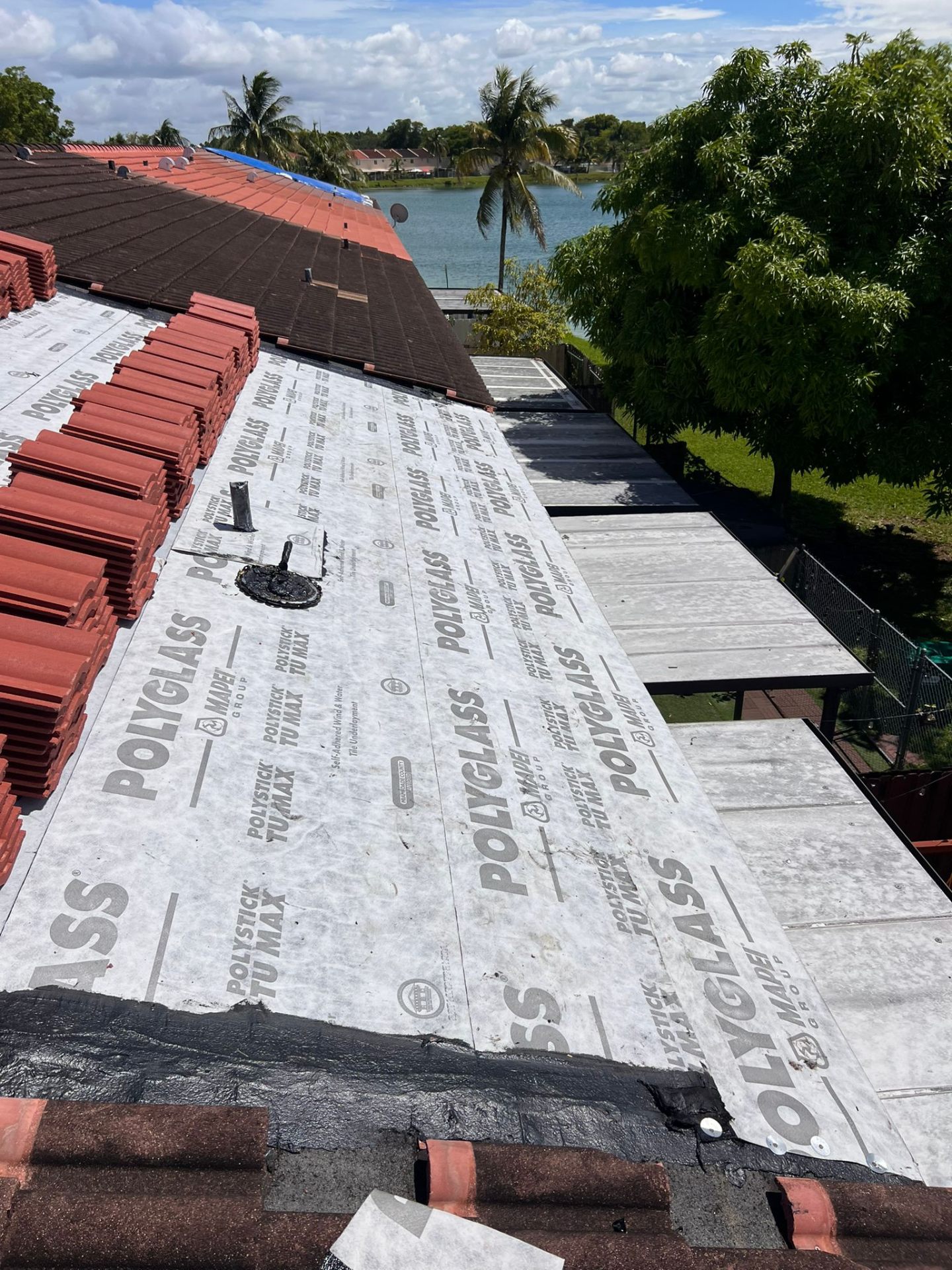
Once the decking is secure, a new water-resistant underlayment is applied. In our coastal environment, self-adhering polymer-modified bitumen membranes (commonly known as peel-and-stick underlayment) are highly recommended because they seal tightly around nail penetrations. Next, metal flashing is installed in high-risk areas like valleys, chimney bases, and walls to direct water safely into the gutters.
5. Reinstalling the Outer Roof Covering
The final step is the installation of the outer roofing material, whether that means nailing down wind-resistant asphalt shingles or securing heavy concrete tiles. The new materials are integrated seamlessly with the surrounding, undamaged areas to ensure a uniform appearance and a watertight seal.
To understand the specific visual indicators that point to these underlying issues, you can read our guide on signs of roof leaks in North Miami.
The Impact of the North Miami Climate on Local Roofing Systems
If you want it handled correctly the first time, consider professional roof repair in North Miami.
North Miami homes face unique environmental stressors that accelerate wear and tear on roofing materials. Our sub-tropical marine climate is characterized by intense ultraviolet (UV) radiation, high relative humidity, salt-laden coastal air, and sudden, severe weather events. Understanding these local factors is crucial when scheduling repairs or assessing the lifespan of your roof.
The intense South Florida sun causes constant thermal expansion and contraction. During the day, roofing materials absorb heat, reaching temperatures far higher than the ambient air. At night, the roof cools rapidly. Over time, this daily thermal cycle causes shingles to dry out, warp, and lose their protective mineral granules. For tile roofs, this expansion can crack the mortar beds or adhesive foam holding the tiles in place.
Additionally, our proximity to Biscayne Bay introduces salt spray into the atmosphere. This salty air can accelerate the corrosion of metal flashing, valley liners, and exposed fasteners. When fasteners rust and fail, entire sections of your roof become vulnerable to lifting during high winds. Regular inspections are necessary to identify these micro-failures before they allow water to breach your home during a sudden tropical downpour.
Comparing Common Roofing Materials: Repair Profiles and Durability
Different roofing materials respond differently to wear, tear, and storm damage. When planning repairs, it is helpful to understand the characteristics, vulnerabilities, and maintenance needs of each material type.
The following table outlines the key performance factors for the most common roofing materials used in our region:
| Material Type | Common Repair Triggers | Wind Resistance Level | Average Lifespan (South Florida) |
|---|---|---|---|
| Asphalt Shingles | Granule loss, curling, wind uplift, cracked tabs | Moderate (Up to 110-130 mph with high-wind ratings) | 15 to 20 Years |
| Concrete/Clay Tiles | Broken or slipped tiles, degraded underlayment, mortar cracking | High (Excellent aerodynamic profile) | 30 to 50 Years (Underlayment requires replacement sooner) |
| Metal Roofing | Backing out screws, loose flashing, rust on cut edges | Very High (Superior resistance to wind uplift) | 40 to 60 Years |
| Flat/Low-Slope (Modified Bitumen) | Ponding water, open seams, blistering, flashing separation | Moderate to High (Depends on edge-metal installation) | 10 to 15 Years |
Identifying Vulnerable Areas on Your Roof
While a leak can manifest anywhere, certain architectural features and areas of your roof are naturally more prone to failure than others. Knowing where these trouble spots are can help you monitor your roof more effectively between professional inspections.
Many North Miami homeowners rely on expert roof repair in North Miami for exactly this.
Roof Valleys and Water Runoff Paths
A valley is formed where two sloping roof planes meet. These areas act as natural channels, carrying thousands of gallons of water during a typical storm. Because of the volume of water they handle, any compromise in the valley flashing or the protective valley lining will rapidly result in a major internal leak.
Plumbing Boots and Roof Vents
Every home has pipes that exhaust air and waste gases through the roof. These pipes are sealed using rubber, plastic, or lead boots. The intense South Florida sun degrades rubber and plastic boots within a few years, causing them to crack and split. Once the seal around the pipe fails, water runs directly down the outside of the pipe and into your ceiling.
Chimney and Wall Junctions
Wherever a vertical surface meets a sloped roof (such as a chimney, dormer, or two-story wall transition), flashing must be installed. This metal barrier is woven between shingles and embedded into the wall joints. If the caulking or mortar sealing this flashing deteriorates, water will seep behind the barrier and enter the interior walls of your home.
Why Delaying Repairs Leads to Severe Secondary Damage
It is tempting to put off addressing a small water stain on the ceiling, especially during drier seasons. However, water damage is progressive. In our warm, humid climate, even a minor leak can create a host of expensive secondary problems long before the roof structure itself completely fails.
When water bypasses your shingles or tiles, it saturates the wooden roof decking and attic insulation. Wet insulation loses its thermal resistance, driving up your cooling bills. More importantly, damp wood becomes a breeding ground for wood-decaying fungi, which can weaken the structural strength of your rafters and trusses.
Furthermore, persistent moisture in an attic space combined with warm temperatures can foster indoor air quality issues. Mold can begin to grow on damp drywall and wooden framing within 24 to 48 hours of exposure to moisture. Addressing repairs promptly is the single best way to preserve your home's structural integrity and maintain a clean, dry indoor environment.
Understanding and Evaluating Estimates for Your Roof Work
When you receive an estimate for repairs, it should be clear, detailed, and itemized. A professional proposal should explain exactly what work is being performed, what materials are being used, and what warranties are provided. This transparency ensures there are no surprises once the crew begins dismantling your roof.
A comprehensive estimate should outline the scope of demolition, specifying how many layers of old roofing will be removed. It should also include a clear provision for how damaged decking wood will be handled, typically priced per sheet of plywood. It must also list the specific brands and types of underlayment, flashing, and shingles or tiles to be installed, along with confirmation of building permits and clean-up services.
Ready for the next step? Learn how roof repair services in North Miami can help and reach out to the team.
For a detailed breakdown of what to look for when reviewing these documents, read our resource on evaluating Miami roof repair estimates.
Frequently Asked Questions
How long does a typical roof repair take to complete?
Most minor to moderate repairs can be completed in a single day. Larger projects involving structural decking replacement or extensive tile matching may take two to three days, depending on weather conditions.
Can you repair a roof that has multiple leaks, or do I need a replacement?
If the leaks are isolated to specific areas with sound surrounding materials, targeted repairs are highly effective. However, if the roofing material has reached the end of its natural lifespan and is failing globally, a replacement is usually more cost-effective.
Do I need a permit for minor roof repairs in North Miami?
Permit requirements vary depending on the scope of the repair. While very minor maintenance might not require a permit, replacing decking or larger sections of roofing material typically does. A licensed contractor will handle the permitting process for you.
How do I know if my roof leak is an emergency?
A leak is considered an emergency if water is actively pouring into living spaces, threatening electrical systems, or causing structural sagging. In these cases, immediate professional tarping is required to prevent catastrophic damage.
Protect Your Home with Trusted Local Roofing Experts
Your roof is your home's primary defense against the elements. If you have noticed signs of wear, active leaks, or storm damage, taking action now can save you from costly structural repairs in the future. PSR Roofing Company of Miami provides thorough inspections, honest assessments, and durable repair solutions tailored to the unique demands of our coastal climate.
Do not wait for the next storm to test your roof's integrity. Contact us today to schedule a professional roof inspection and keep your home safe, dry, and secure year-round.
Explore this guide
- In this guideCompare North Miami Roof Repair Estimates Fairly›
- In this guideSigns of Roof Leaks in North Miami FL | Wet Spot Detection›
- From the blogFlat Roof Maintenance Guide | Roofing Contractor North Miami | PSR Roofing Miami›
- From the blogHow to Prepare for a Roof Inspection | North Miami Roofing | PSR Roofing Miami›
- From the blogEvaluating Roof Quotes: North Miami Roof Installation Cost | PSR Roofing Miami›
Need help with Roof Repair?
PSR Roofing is Miami's licensed & insured expert for roof repair. Free estimates, honest pricing, and 24/7 emergency response.