
How to Evaluate Roof Leaks After Heavy Rain in North Miami
A South Florida downpour can go from clear skies to torrential in under an hour. When the storm passes and you spot a water stain spreading across your ceiling, the clock starts ticking. Acting quickly, and correctly, is what separates minor repairs from major structural damage. This guide walks you through exactly how to assess what happened to your roof, what you can safely check yourself, and when to hand things off to a qualified roofing contractor in North Miami.
Why South Florida Rain Is Especially Hard on Roofs
The Unique Pressure of Tropical Weather Systems
North Miami sits in one of the most weather-intense roofing environments in the country. Summer squalls, tropical storms, and the occasional hurricane deliver rain that falls sideways, driven by sustained winds that force water into gaps no one expects. Standard rainfall hits a roof at a relatively steep angle; South Florida storms can push water horizontally under shingles, into ridge caps, and through flashings that would otherwise hold just fine.
The sheer volume matters too. When several inches of rain fall in a short window, gutters overflow, drainage paths back up, and water pools on low-slope sections of a roof longer than the materials were designed to handle. That sustained saturation is what turns a small vulnerability into an active leak.
How Humidity Accelerates Existing Damage
Even between storms, North Miami's year-round humidity keeps roofing materials under stress. Asphalt shingles lose granules faster in high-UV, high-humidity climates. Wood decking absorbs ambient moisture, swells, and contracts repeatedly until fasteners loosen. Sealants around pipe boots, skylights, and HVAC curbs dry out and crack. By the time a major rain event arrives, these small degradations have often been building quietly for months or years. The storm doesn't create the problem; it reveals it.
Flat and Low-Slope Roofs: A Special Concern
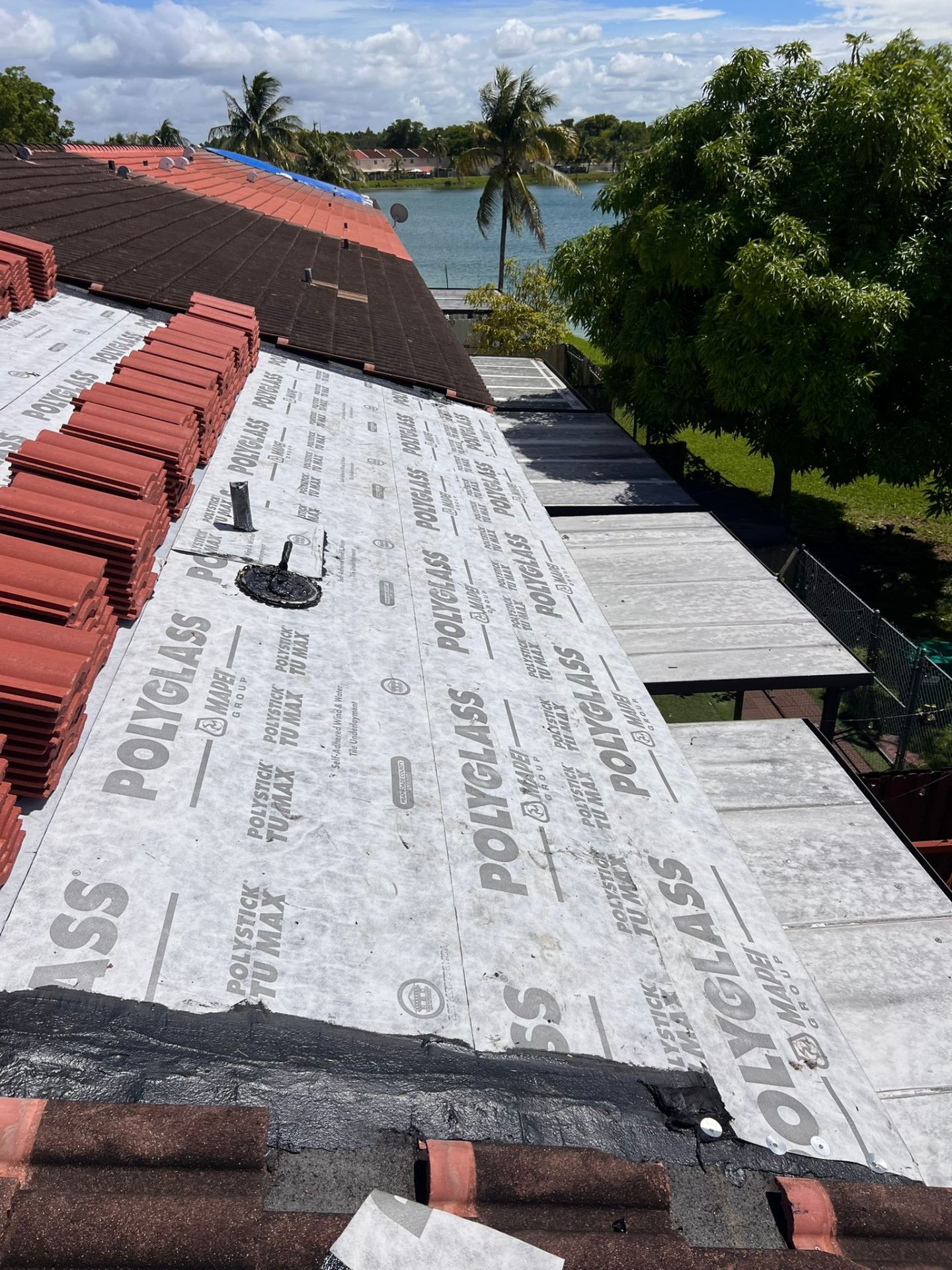
Many North Miami homes and commercial properties feature flat or low-slope roofs covered in modified bitumen, TPO, or built-up roofing systems. These materials rely almost entirely on membrane integrity and proper drainage to stay watertight. A small puncture, a seam that has separated, or a single blocked drain can lead to standing water that eventually finds a path indoors. After any significant rain, flat roofs deserve a closer look than their pitched counterparts.
Immediate Steps to Take Right After the Storm
Start Inside, Not on the Roof
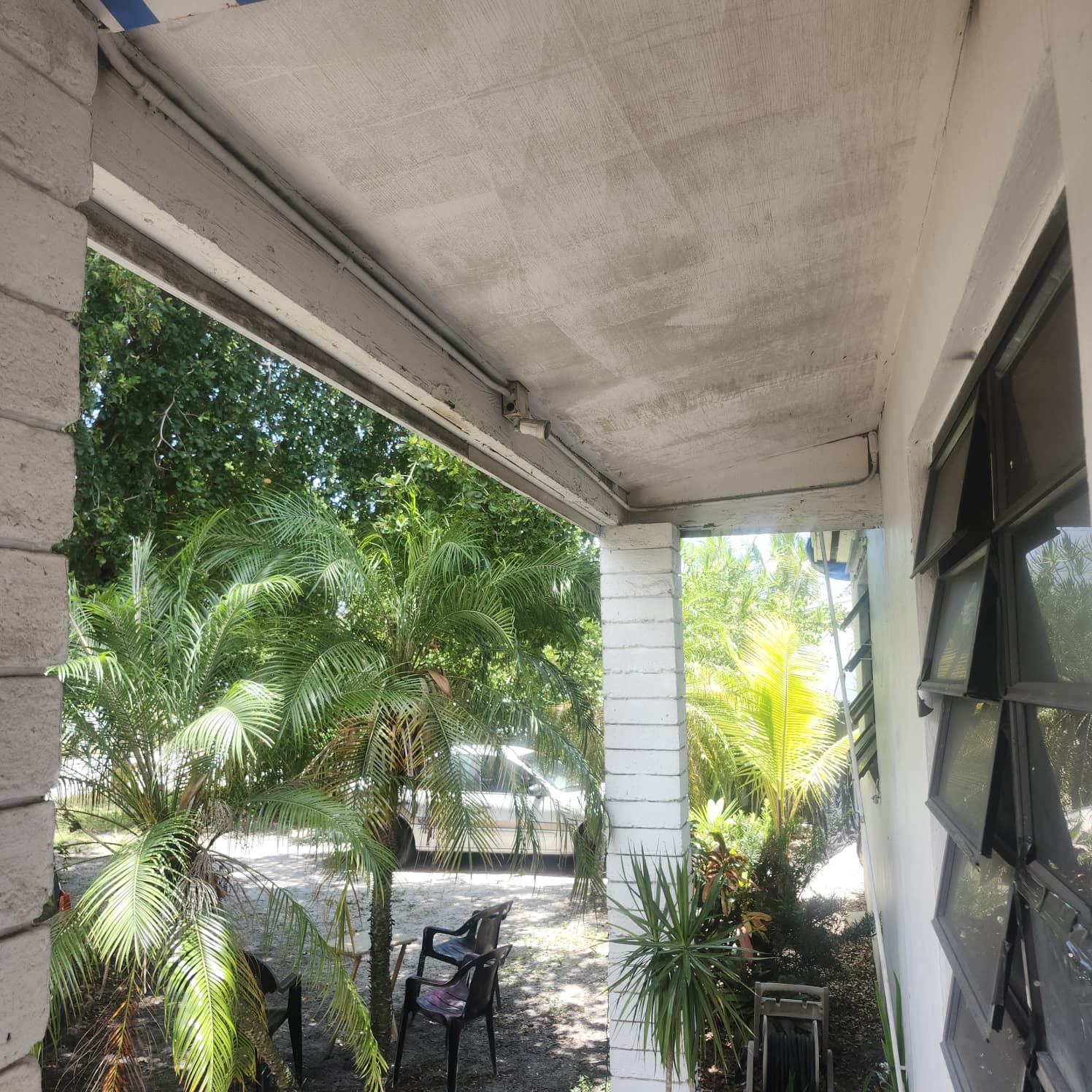
Before anyone goes outside, walk through every room of your home with a flashlight. Look at ceilings, the tops of walls near exterior edges, and the interior of closets that back up to exterior walls. Water rarely drips straight down from where it entered; it follows the path of least resistance along rafters, insulation batts, and ceiling drywall before appearing as a stain or drip. Noting where you see moisture inside helps a roofing professional trace the entry point much faster.
Check your attic if you can access it safely. Wet insulation, dark staining on the underside of the roof deck, or visible daylight through the decking are all clear indicators that water has breached the outer membrane. Take photos of everything you find. Date-stamped images are useful for insurance documentation.
Safe Exterior Observations From the Ground
You do not need to climb onto a wet roof to gather useful information. From the ground, scan the roofline for shingles that are visibly lifted, missing, or curled at the edges. Look at the valleys (the angled channels where two roof planes meet) for any debris accumulation or gaps in the flashing. Check the gutters: are they still attached, or has a section pulled away from the fascia? Overflowing or detached gutters can direct water behind the fascia board and into the wall cavity below.
If you have a single-story section with a low slope visible from a window or a second-floor vantage point, look for standing water, bubbles in the membrane, or debris blocking roof drains. All of this information is valuable before a professional arrives.
Temporary Measures While You Wait for Help
If water is actively dripping inside, place buckets and lay down towels, but also relieve pressure on a bulging ceiling by carefully poking a small hole at the lowest point of the bulge. This sounds counterintuitive, but a controlled drip is far less damaging than a ceiling collapse. Move furniture, electronics, and valuables out of the affected area.
Inside the attic, you can sometimes slow active water intrusion by repositioning insulation away from wet areas so the decking can dry slightly. Do not attempt to apply any roofing sealant or tarps yourself while the roof is wet and slippery. That work belongs to a licensed roofing company with proper safety equipment.
The Most Common Leak Sources Found After Heavy Rain
Flashing Failures Around Penetrations
Flashings are the metal or rubberized strips that seal the junction between the roof membrane and anything that penetrates it: chimneys, vent pipes, skylights, HVAC curbs, and satellite dish mounts. These joints are the most common source of leaks because they rely on sealants and mechanical fasteners that degrade over time. When high winds drive rain at unusual angles, even flashings that were performing adequately under normal rainfall can allow water entry.
Chimney step flashing and counter-flashing are particularly vulnerable. If the mortar that holds counter-flashing into masonry has cracked, water can travel behind the metal and into the wall assembly below without ever appearing as a ceiling stain directly under the chimney.
Shingle and Membrane Damage
Wind uplift during a storm can crack, crease, or completely remove shingles. Even shingles that remain in place can have their sealant strips broken, allowing them to lift slightly in future winds. A shingle that looks intact from the ground may have a cracked tab or a compromised underlayment beneath it.
On flat roofs, the storm itself may not be the direct cause of membrane failure, but the weight of standing water after heavy rain stresses seams and any existing repairs. Blisters or bubbles in modified bitumen that were stable when dry can rupture under hydrostatic pressure.
Gutters, Soffits, and Fascia
Clogged or overflowing gutters are a frequently overlooked leak source. When gutters fill with debris and water backs up, it can push under the drip edge and soak the fascia board. Rotted fascia creates a gap between the roof deck and the gutter, and that gap becomes a direct path for water into the eave area. Soffit vents that have lost their screening can also allow wind-driven rain into the attic space directly.
What a Professional Roof Inspection Actually Covers
The Systematic Assessment Process
A thorough post-storm inspection by a qualified roofing contractor covers far more than a visual scan of the surface. The inspector checks the decking for soft spots that indicate moisture absorption, examines the underlayment condition where shingles are lifted, and tests flashings by probing sealant edges. On flat roofs, the inspection includes checking drain sumps, verifying that scuppers are clear, and looking for membrane separation at perimeter edges and seams.
Inside the attic, the inspector looks for moisture staining patterns on rafters and the underside of the deck, checks ridge and soffit ventilation for blockages (poor ventilation accelerates moisture damage), and notes any insulation that has become saturated. A proper inspection produces a written report with photographs, not just a verbal estimate.
PSR Roofing Company of Miami performs detailed post-storm assessments for North Miami homeowners. If you want a professional set of eyes on your roof before the next rain arrives, schedule a roof inspection with PSR Roofing and get a documented assessment you can share with your insurance carrier.
Distinguishing Storm Damage From Pre-Existing Wear
This distinction matters enormously for insurance claims. A roofing professional can identify the difference between a shingle that was torn by wind uplift (clean break, exposed nail pattern, fresh granule loss at the break point) and one that failed due to age and weathering (granule loss spread across the surface, cracking consistent with UV degradation, brittle tabs). Insurance adjusters look for these same markers, and having a roofing company's documented assessment in hand before the adjuster visits strengthens your claim considerably.
When the Inspection Reveals More Than Expected
Post-storm inspections sometimes uncover damage that predates the storm but was masked until water found a new path. A roof that has been performing adequately for years may have had compromised flashings or marginal shingles that the most recent storm finally pushed past their limit. In these cases, the contractor will outline which damage is storm-related and which represents deferred maintenance, giving you a clear picture of the full scope of work needed.
Repair vs. Replacement: How to Think Through the Decision
Not every post-storm leak requires a full roof replacement, and not every leak can be resolved with a spot repair. The right answer depends on several factors working together.
Factors That Point Toward Targeted Repair
The roof is less than halfway through its expected service life and the damage is isolated to a specific section or penetration.
The decking beneath the damaged area is structurally sound, with no soft spots or rot.
The leak source is a flashing failure or a small number of displaced shingles rather than widespread membrane degradation.
The rest of the roof surface shows consistent granule coverage, no widespread cracking, and intact sealant at all other penetrations.
Factors That Point Toward Full Replacement
The roof is at or beyond its expected service life (asphalt shingles in South Florida's UV environment often perform for 15 to 20 years rather than the 25 to 30 years quoted in cooler climates).
Multiple areas of the roof show damage or degradation simultaneously, suggesting systemic failure rather than isolated storm damage.
The decking has widespread soft spots, rot, or structural compromise that a surface repair cannot address.
Previous repairs have been layered over existing damage, and the underlying substrate is no longer sound.
The insurance settlement covers replacement based on the adjuster's assessment of damage scope.
The Leaking Roof Repair Decision in Practice
A good roofing contractor will not push you toward replacement when a repair is genuinely sufficient, and will not recommend a repair that leaves you vulnerable to the next storm. The honest answer requires seeing the actual condition of the decking, underlayment, and framing, not just the surface. That is why a thorough inspection precedes any repair recommendation from a reputable roofing company.
Comparison: Roof Damage Warning Signs vs. Signs You Can Wait
| Warning Sign | Urgency Level | Recommended Action |
|---|---|---|
| Active water dripping inside during or after rain | Immediate | Call for emergency roofing service; protect interior |
| Ceiling stain that is wet to the touch | High, within 24-48 hours | Schedule professional inspection promptly |
| Missing or visibly displaced shingles | High, within 48 hours | Professional assessment before next rain event |
| Ceiling stain that is dry and old-looking | Moderate | Inspection to confirm whether leak is active or sealed |
| Granules in gutters after storm | Monitor | Include in next scheduled inspection; note volume |
| Gutters pulling away from fascia | Moderate | Gutter inspection and reattachment; check fascia for rot |
| Minor granule loss visible from ground | Low | Document and include in annual inspection |
Working With Your Insurance Company After Storm Damage
Document Before You Repair
One of the most common mistakes North Miami homeowners make after a storm is rushing to repair visible damage before filing an insurance claim. Temporary protective measures are fine and necessary, but permanent repairs made before an adjuster inspects the property can complicate or reduce your claim. Photograph everything, get a written assessment from your roofing contractor, and notify your insurance carrier before authorizing full repairs.
What to Expect From the Adjuster Visit
Insurance adjusters work from specific damage criteria. Having your contractor's written inspection report ready when the adjuster arrives means the assessment is grounded in a professional's findings rather than starting from scratch. A reputable roofing company can often meet with the adjuster on-site to walk through the documented damage, which helps ensure nothing is missed during the adjuster's evaluation.
Understanding Your Policy's Coverage Terms
Homeowner policies vary considerably in how they handle roof damage. Some policies cover actual cash value (depreciated value of the roof at time of loss), while others cover replacement cost value (what it costs to replace with comparable materials today). The distinction affects your out-of-pocket costs significantly. Review your policy's declarations page and ask your insurance agent to clarify which coverage applies before the adjuster visit. Requirements vary by policy and insurer; a licensed public adjuster can help if the claim becomes complex.
Choosing the Right Roofing Contractor in North Miami
Licensing, Insurance, and Local Knowledge
Florida requires roofing contractors to hold a state-issued license. Before any work begins, ask for the contractor's license number and verify it through the Florida Department of Business and Professional Regulation. Also confirm they carry general liability insurance and workers' compensation coverage. An unlicensed or uninsured crew creates direct liability for the homeowner if an accident occurs on the property.
Local experience matters in South Florida specifically. A contractor who understands Miami-Dade County's wind load requirements, the specific performance of roofing materials under sustained UV and humidity exposure, and the permit process for the area will deliver better outcomes than a crew that traveled in from out of state after a storm event.
Red Flags to Avoid After a Storm
Storm-chasing contractors appear in force after significant weather events. Common warning signs include demanding large cash deposits upfront before work begins, offering to waive your insurance deductible (which is insurance fraud in Florida), providing only verbal estimates with no written scope of work, and pressuring you to sign immediately without time to review documents. A trustworthy roofing company will provide a written estimate, explain the scope clearly, and give you time to make an informed decision.
Getting a Written Scope and Timeline
Any legitimate repair or replacement contract should specify the materials to be used (including manufacturer and product line), the scope of work in plain language, the timeline for completion, the warranty terms covering both materials and labor, and the process for handling any additional damage discovered once work begins. If a contractor cannot or will not provide this in writing, that is a clear signal to look elsewhere.
PSR Roofing Company of Miami has served North Miami homeowners through South Florida's demanding storm seasons, providing transparent assessments and documented repair scopes. When you need a roofing company you can rely on after the rain stops, learn more about our roof repair services and see how we approach every project.
Frequently Asked Questions
How quickly should I call a roofing contractor after a storm leak?
If water is actively entering your home, treat it as an emergency and call immediately. For staining or suspected damage without active dripping, aim to have a professional inspection within 48 to 72 hours. Delays allow moisture to migrate further into the structure and can complicate insurance claims.
Can I temporarily patch a leaking roof myself?
Interior measures like buckets and ceiling relief holes are safe and appropriate. Applying roofing materials on a wet, sloped roof is dangerous and should be left to professionals with proper safety equipment. A roofing company can apply emergency tarping or temporary sealants safely while permanent repairs are planned.
Will my homeowner's insurance cover the roof repair?
Coverage depends on your specific policy and the cause of damage. Storm-related damage (wind, hail, falling debris) is typically covered, while damage attributed to lack of maintenance or normal wear may not be. Document everything and contact your insurer promptly; policy terms vary widely.
How do I know if the leak is coming from the roof or somewhere else?
HVAC condensation lines, plumbing penetrations, and window frame failures can all produce ceiling stains that look like roof leaks. A qualified roofing contractor can distinguish roof-related entry points from other sources during a systematic inspection, which is why a professional assessment is more reliable than guesswork.
How long does a typical roof repair take after storm damage?
Simple flashing repairs or shingle replacements on a small section can often be completed in a single day. Larger repairs involving decking replacement or significant membrane work may take two to three days. Full replacement timelines vary by roof size and material availability. Your contractor should provide a specific timeline in writing before work begins.
Does PSR Roofing Company of Miami handle emergency calls after storms?
Yes. PSR Roofing Company of Miami offers emergency roofing services for North Miami homeowners when active leaks or significant storm damage cannot wait for a standard appointment. Contact us directly for urgent situations.
Conclusion
A roof leak after heavy rain in North Miami is stressful, but the steps you take in the first 24 to 48 hours shape how the situation resolves. Document damage thoroughly, protect your interior, avoid permanent repairs before an insurance inspection, and put the actual roof assessment in the hands of a licensed professional who knows South Florida's specific demands. The sooner a qualified eye evaluates the damage, the clearer your path forward becomes. Contact PSR Roofing Company of Miami to schedule your post-storm roof inspection and get a written assessment from a local roofing contractor you can trust.
Need help with Roof Repair?
PSR Roofing is Miami's licensed & insured expert for roof repair. Free estimates, honest pricing, and 24/7 emergency response.