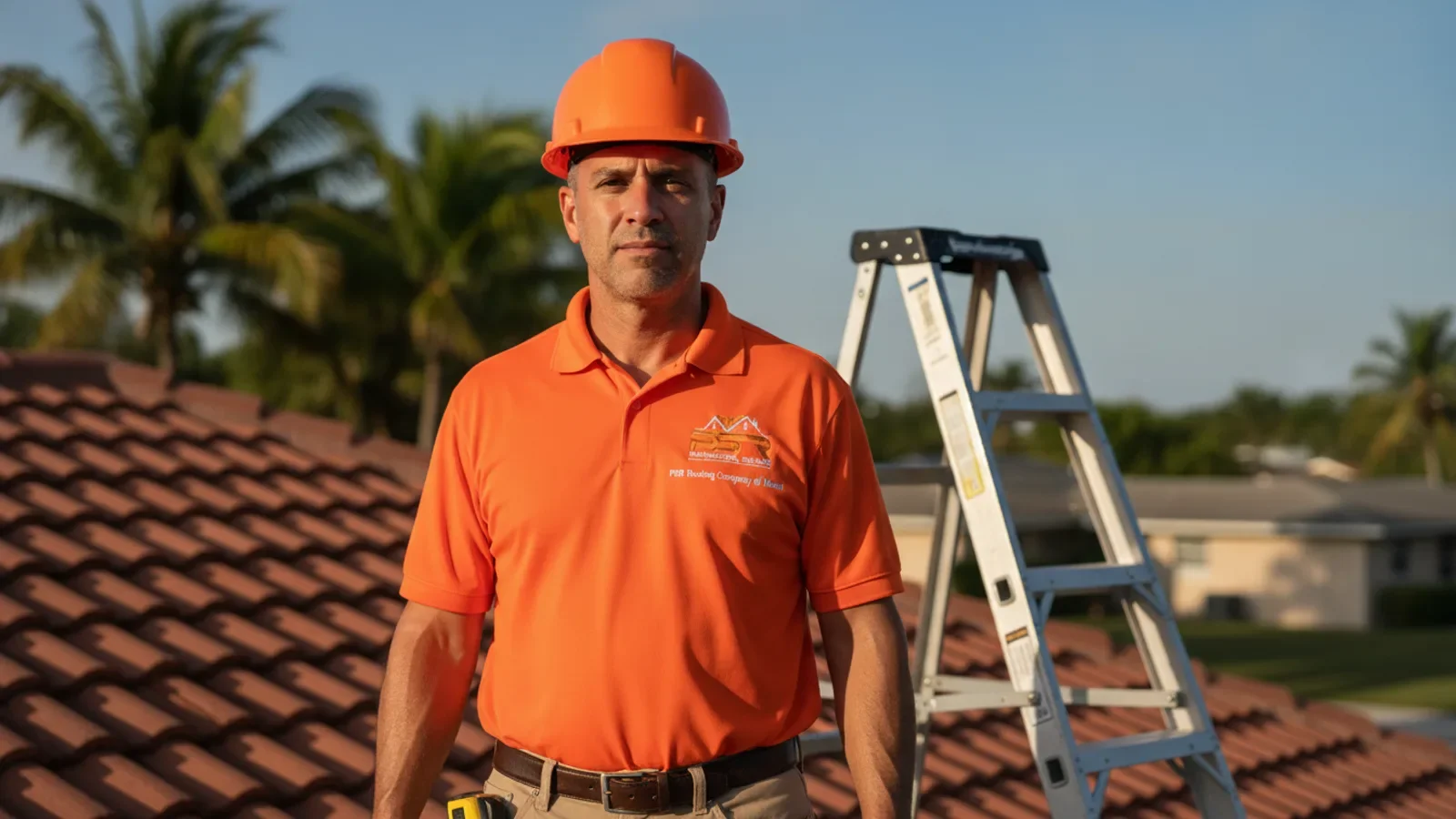
Evaluating Roof Integrity: What to Expect During a Professional Roof Inspection in North Miami
South Florida homeowners face a unique set of environmental challenges. From intense UV exposure and high humidity to the high-velocity hurricane zones (HVHZ) defined by the Florida Building Code, your roof is your home’s primary defense system. Undergoing a regular roof inspection is not just a recommended maintenance task; it is a critical strategy to preserve your property's structural integrity and maintain compliance with strict local regulations. Whether you are preparing for hurricane season, dealing with an insurance milestone, or buying a new property, understanding the exact steps of a professional assessment will help you make informed decisions about your home's safety.
The High Stakes of Roofing in South Florida's Climate
The Impact of High-Velocity Hurricane Zones (HVHZ)
North Miami operates under some of the most stringent building regulations in the United States. The Florida Building Code designates Miami-Dade County as a High-Velocity Hurricane Zone. This means every component of your roofing system, from the underlayment to the outermost tiles or shingles, must meet specific wind-uplift resistance standards. During a professional assessment, an experienced examiner evaluates whether your existing materials and fastening patterns comply with these rigorous structural demands.
How Intense Sun and Salt Air Degrade Roofing Materials
Even when there are no active storms, the climate in North Miami, Florida, wages a quiet war on your rooftop. Constant exposure to intense solar radiation breaks down the chemical compounds in asphalt shingles and metal coatings, leading to thermal shock, expansion, and contraction. Additionally, salt-laden moisture from nearby Biscayne Bay can accelerate the corrosion of metal flashing, fasteners, and structural connectors. An expert assessment identifies this slow-moving degradation before it turns into a major failure during a storm.
The Connection Between Roof Health and Homeowners Insurance
Insurance companies in South Florida are increasingly vigilant about the age and condition of residential roofs. Many carriers require a specialized wind mitigation inspection or a four-point inspection before renewing policies for homes with roofs over a certain age. A documented evaluation by a professional roofing contractor provides the objective evidence you need to satisfy insurance underwriting requirements, potentially qualifying your home for wind mitigation discounts on your premiums.
Unexpected Aspects of a Professional Roof Inspection
Why Inspectors Start Inside Your Attic
Many homeowners assume that a roof assessment begins on the shingles, but starting inside the attic is actually the most effective way to locate hidden issues. A qualified inspector begins by examining the underside of the roof deck. By looking up, they can spot dark water stains, active dampness, rusted structural nails, and pinpricks of daylight that signal a compromised exterior barrier. This interior deep dive reveals the exact location of slow leaks that have not yet stained your living room ceiling.
Evaluating Ventilation Systems to Prevent Secret Rot
Attic temperature and moisture control directly impact how long your roofing materials last. In our humid climate, inadequate ventilation traps hot, damp air just beneath your roof deck. This heat can literally bake asphalt shingles from the inside out, causing premature curling, blistering, and loss of protective granules. During an inspection, professionals verify that your soffit, ridge, or turbine vents are completely clear of obstructions and balanced correctly to allow proper airflow.
The Role of Truss Connections and Hurricane Straps
Under the surface of your ceiling sits the structural skeletal system of your roof. Inspectors do not just look at the wood; they examine how the roof trusses connect to the exterior walls of your home. In South Florida, checking the presence and condition of metal hurricane straps or clips is a vital step. These connectors keep the roof anchored to the house when extreme wind pressure tries to lift the entire structure off its foundation.
The Step-by-Step Exterior Assessment Process
1. Surface Material and Shingle Analysis
The inspector carefully walks the roof, or uses specialized visual tools, to evaluate every square foot of your primary roofing material. For shingle roofs, they check for granule loss, cracking, lifting, and missing pieces. If your home features concrete tile, clay tile, or metal panels, the focus shifts to checking for cracked tiles, loose fasteners, failing sealants, and rust spots. The goal is to determine the remaining service life of the material and identify areas vulnerable to wind and rain.
2. Flashing, Valleys, and Penetrations Check
The areas where different roof planes meet, or where pipes and vents slice through the roof surface, are the most common leak sites. Inspectors closely examine the metal flashing installed around chimneys, skylights, dormers, and plumbing vents. They check the valleys, which channel massive volumes of rainwater during tropical downpours, ensuring the valley metal or lining is completely sound and free of debris that could back up water under the shingles.
3. Perimeter and Gutter System Evaluation
Your gutters and roof edges work together to shed water safely away from your home. An examiner inspects the drip edge, which is a metal flashing installed along the eaves to guide water directly into the gutters rather than letting it seep behind the fascia board. They also look at the overall health of your drainage system, ensuring gutters are securely mounted, properly sloped, and free of clogs that could cause water to pool along the roofline.
| Inspection Component | What the Inspector Looks For | Why It Matters in North Miami |
|---|---|---|
| Roof Decking & Plywood | Sagging, soft spots, water stains, mold growth | Must hold up against extreme wind pressures without flexing or pulling apart. |
| Underlayment Barrier | Tears, degradation, proper self-adhering secondary water barrier | Acts as the secondary line of defense if shingles or tiles blow off in a major storm. |
| Drip Edge & Fascia | Corrosion, wood rot, secure mechanical fastening | Prevents wind-driven rain from pushing upwards under the perimeter of the roof. |
| Flashings & Seals | Cracked caulk, rusted metal, loose rubber boots around vents | These high-risk penetrations are the most frequent entry points for sudden leaks. |
Deciphering Your Roof Inspection Report
Understanding the Condition Ratings
After completing the physical assessment, a professional roofing company provides a comprehensive written report. This document detail-catalogs the condition of each component, usually using rating scales like "Satisfactory," "Fair," or "Needs Immediate Attention." These ratings help you prioritize what needs to be addressed immediately to prevent home damage, versus what can be monitored over the next few years as part of your home's ongoing upkeep.
The Difference Between a Standard Inspection and a Wind Mitigation Inspection
A standard assessment is designed to identify leaks, wear, and tear for repair purposes. A wind mitigation inspection is a specialized, formalized evaluation that focuses strictly on how well your home can withstand strong wind forces. This process documents specific features like your roof shape (such as a wind-resistant hip roof design), the deck attachment nail spacing, and the presence of verified impact-resistant opening protections. The state-standardized wind mitigation form is what you submit to your insurance agent to potentially secure lower rates.
How Inspectors Determine Remaining Useful Life
One of the most valuable pieces of information in your report is the estimate of your roof’s remaining useful life. To calculate this, examiners look at the age of the materials, the rate of current weathering, the quality of the initial installation, and the local microclimate. If you live closer to the coast in North Miami, weathering may progress slightly faster. This timeline helps you plan ahead and budget for a future roof replacement without being caught by surprise.
Choosing the Right Local Professional for Your Assessment
Verify Florida Licensing and Insurance
Never hire an unlicensed contractor to evaluate your roof. In Florida, a certified roofing contractor must hold an active state license, which requires rigorous testing, proven experience, and carrying liability and workers’ compensation insurance. Working with a fully licensed local expert ensures your completed inspection reports are legally valid for real estate transactions, building permits, and insurance filings.
The Value of Local Knowledge and Experience
A national corporate company might not understand the specific micro-climatic issues of South Florida or the precise amendments in the Miami-Dade building code. Working with a locally based business like PSR Roofing Company of Miami ensures that the professionals analyzing your home have deep, daily experience working directly with the unique building practices, permitting offices, and weather conditions native to the North Miami area.
What to Avoid: Inspection Warning Signs
Be cautious of anyone who offers a high-pressure, incredibly brief visual check from the driveway without looking inside your attic or climbing up to check the details. A thorough evaluation takes time, methodical physical checking, and clear photographic documentation. A trustworthy professional will explain their findings clearly, present clear photos of any damaged areas, and provide transparent advice without resorting to aggressive sales tactics.
Frequently Asked Questions about North Miami Roof Inspections
How often should I get a roof inspection in North Miami?
It is best practice to have your roof professionally inspected once a year, preferably before the start of the Atlantic hurricane season in June. You should also schedule an assessment after any major storm event with high wind gusts to catch minor uplift damage before it leads to water intrusion.
Can a roof inspection help lower my home insurance premium?
Yes. If your assessment includes a certified wind mitigation report proving your roof has strong deck attachments, hurricane clips, and a secondary water barrier, your insurance company may apply significant wind-mitigation credits to your policy premium.
How long does a professional roof inspection take?
For an average-sized single-family home in North Miami, a comprehensive assessment takes between one and two hours. This time allows the inspector to thoroughly check the attic space, evaluate all exterior surfaces, examine drainage pathways, and take detailed photographs.
What happens if the inspector finds damage?
If the report reveals areas of wear, cracked seals, or storm damage, the inspector will outline your options. In many cases, localized issues can be resolved with prompt repairs, which can extend the overall lifespan of the system and prevent the need for an early replacement.
Taking Action to Protect Your South Florida Property
Regularly assessing your home's roof is the single most effective way to prevent costly interior water damage, keep your insurance policy active, and ensure your family remains safe during severe weather. If you want to know the true condition of your system, contact PSR Roofing Company of Miami to schedule your professional roof inspection today and gain total peace of mind.
Need help with Roof Inspection?
PSR Roofing is Miami's licensed & insured expert for roof inspection. Free estimates, honest pricing, and 24/7 emergency response.