The North Miami Guide to Roof Replacement Timelines and Weather Delays
Planning a residential roof replacement in North Miami involves far more than simply choosing your shingles or tile style. In South Florida, our unique coastal climate dictates exactly when, how, and how quickly a roofing contractor can safely complete a project. From sudden afternoon downpours to high wind warnings, local weather patterns play a massive role in your project schedule. Understanding the steps of a typical installation and how seasonal weather shifts impact labor helps you plan ahead, protect your home, and set realistic expectations for your upcoming home improvement project.
The Myth of the Single-Day South Florida Roof Installation
Many homeowners believe a standard crew can tear off and replace an entire residential roofing system in a single day. While this might happen in regions with simpler building styles and milder climates, it is rarely the case in South Florida. The strict building codes in Miami-Dade County require rigorous inspection intervals that naturally extend the project duration.
The Reality of Miami-Dade County Building Codes
Miami-Dade County has some of the strictest building codes in the nation to ensure homes can withstand hurricane-force winds. A reputable local roofing company must obtain specific permits and schedule official municipal inspections at key points during the process. For example, inspectors must verify the deck fastening (nailing pattern) before the underlayment is fully covered. This structural verification process adds necessary days to the overall schedule that cannot be bypassed.
How Material Choice Dictates Your Schedule
The type of material you select for your home directly impacts the installation duration. Asphalt shingles are generally the fastest to install, often taking three to five days depending on the size of the home. Concrete or clay tiles require a far more intensive process, including specialized underlayment, adhesive foaming or mechanical fastening, and precision cutting around valleys and hips. A tile installation can easily span two to three weeks, even in perfect weather conditions.
The Structural Inspection Intermission
Once the old materials are removed down to the plywood deck, your local roofing contractor must inspect the wood for rot or water damage. If damaged sheathing is found, it must be replaced to ensure structural integrity. This phase requires a dedicated roof sheathing inspection from the city. Work must pause until the city inspector signs off on the deck fastening, meaning your roof will remain under temporary water-resistant underlayment for a brief period.
Breaking Down the Step-by-Step Roof Replacement Timeline
To help you prepare for the process, let us break down the physical steps of a standard residential project. This sequence assumes favorable weather conditions and standard permitting timelines in the North Miami area.
Phase 1: Permitting and Material Delivery (2 to 4 Weeks)
Before a single shingle is removed, substantial administrative work takes place. Your contracted specialist must pull the correct municipal permits, submit engineering documents, and order materials. Once the permits are issued, heavy delivery trucks will drop off materials, such as underlayment, drip edges, and shingles or tiles, placing them on your driveway or carefully loading them directly onto the roof deck.
Phase 2: Tear-Off and Deck Preparation (1 to 2 Days)
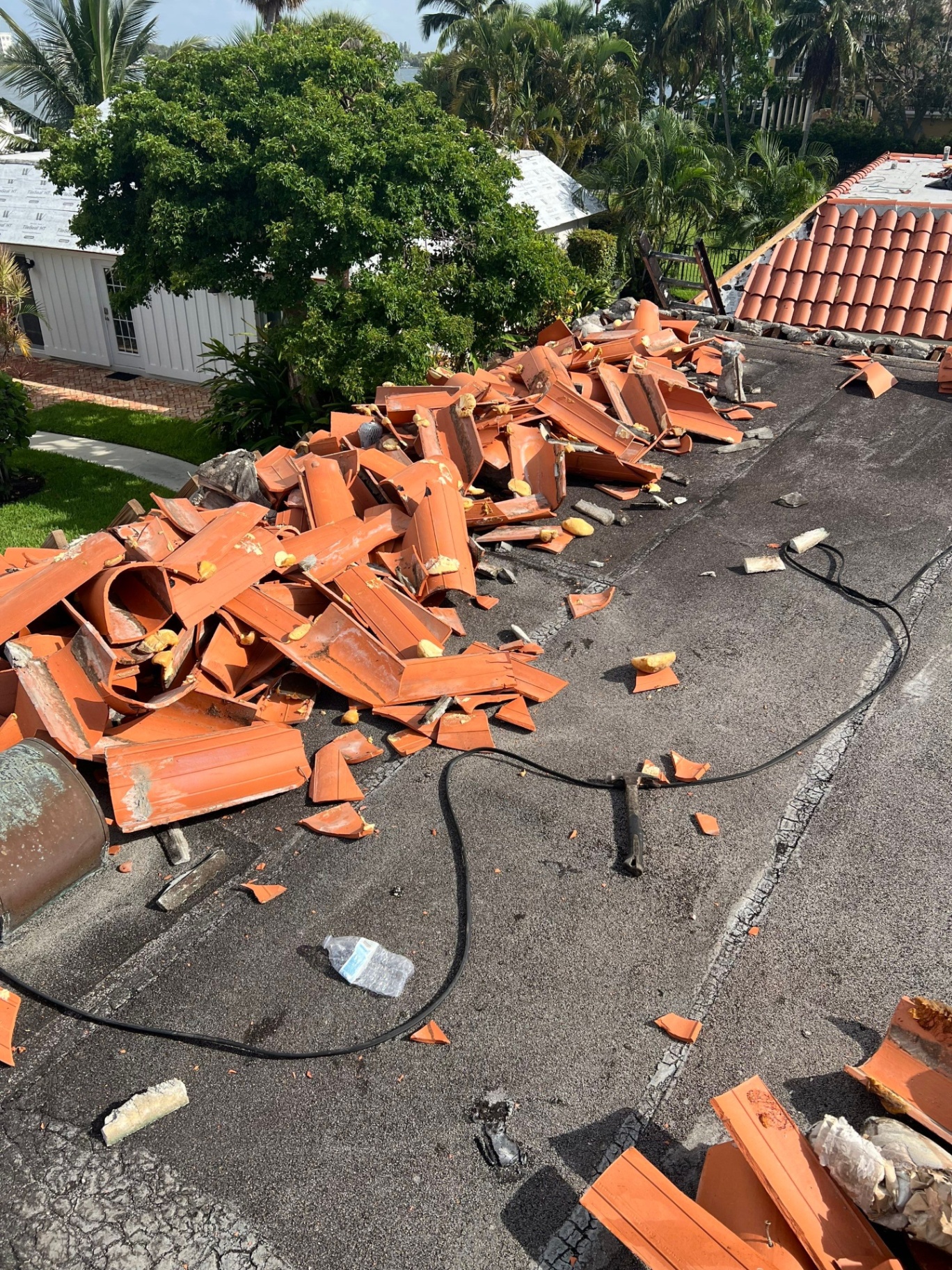
The active construction phase begins with the removal of your existing roofing material. Shingles, old underlayment, and rusted flashing are stripped away to reveal the bare wood deck beneath. This is often the loudest and messiest part of the process. Crews will place protective tarps around your landscaping to catch falling debris and nails, keeping your property clean.
Phase 3: Re-nailing, Underlayment, and Mid-Phase Inspection (2 to 4 Days)
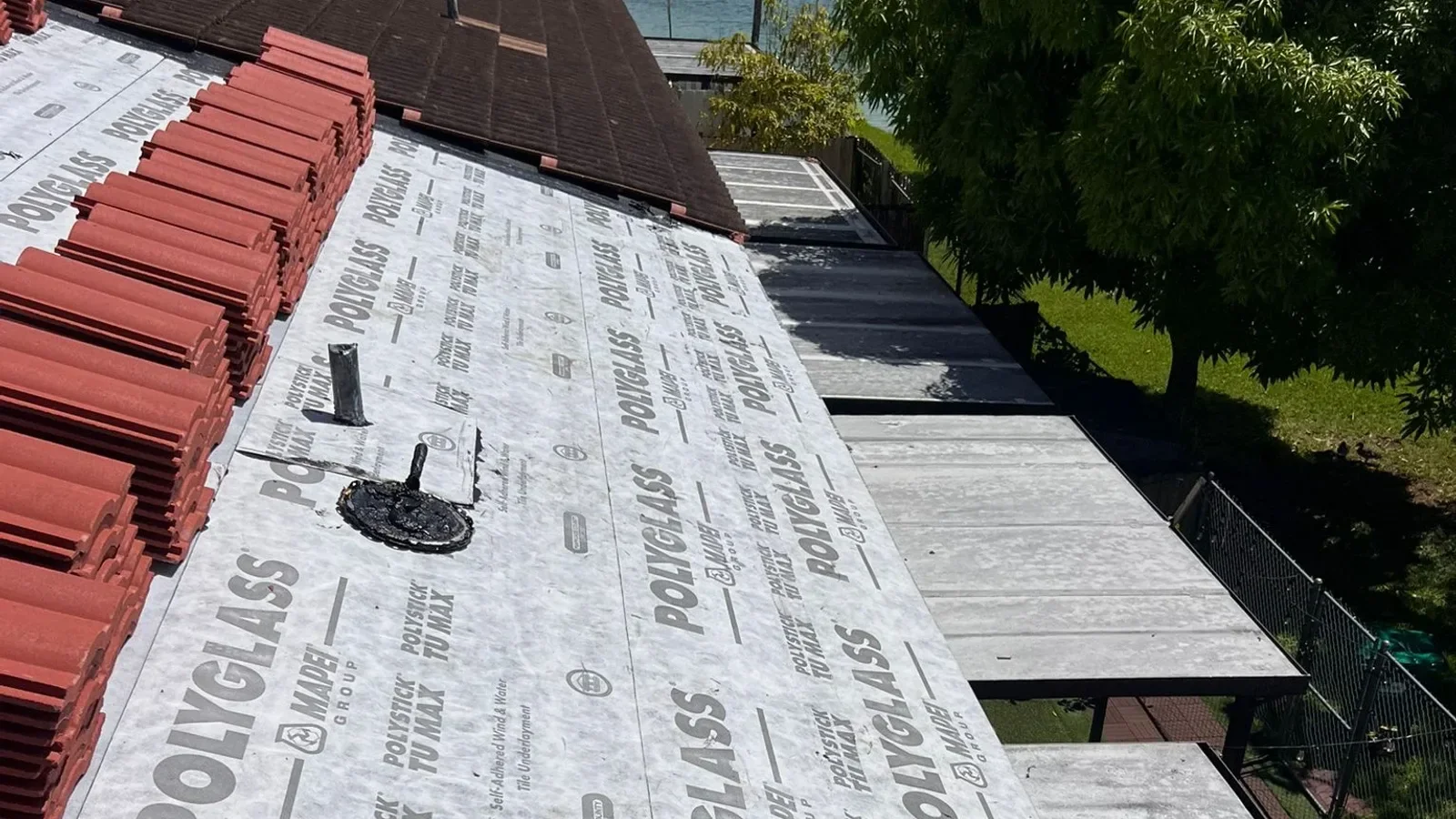
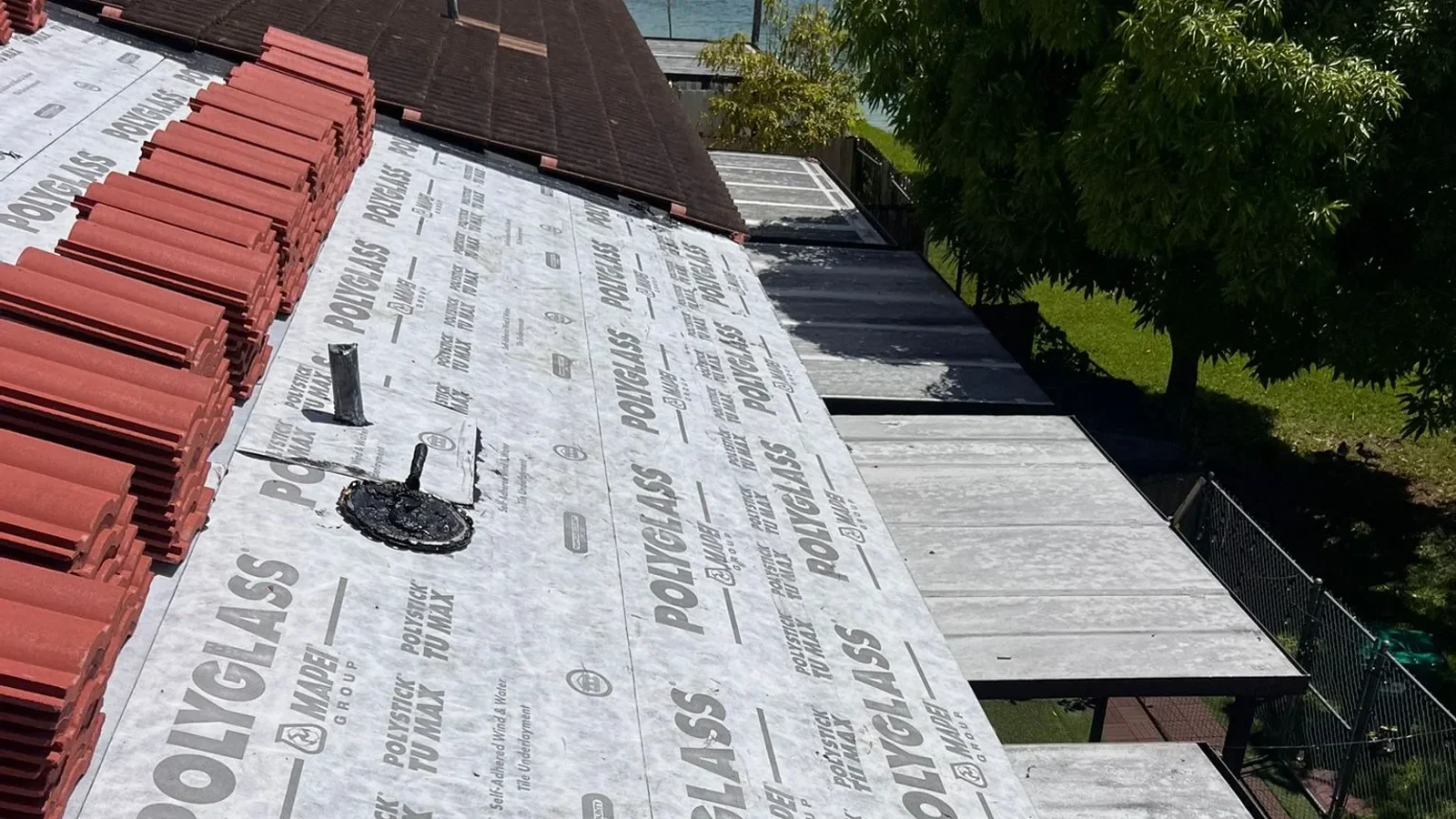
With the deck exposed, the crew replaces any rotted plywood. Next, they re-nail the deck to meet current wind-mitigation codes. Once the city inspector approves the deck nailing, the crew installs a high-grade, self-adhering secondary water barrier (underlayment). This layer seals the home from water penetration, acting as a temporary shield against unexpected rain showers while the final surface material is applied.
| Project Phase | Estimated Duration | Key Milestone & Focus |
|---|---|---|
| Permitting & Logistics | 2 - 4 Weeks | Permit approval, material selection, and site delivery. |
| Tear-Off & Deck Repair | 1 - 2 Days | Removal of old materials, rotten wood replacement. |
| Underlayment & Inspection | 2 - 4 Days | Deck re-nailing to code and official city inspection. |
| Final Material Installation | 2 - 10 Days | Laying shingles, metal panels, or tiles; final inspection. |
How North Miami Weather Shifts Impact Your Project Schedule
South Florida weather is famously volatile. In North Miami, we experience two distinct seasons: the dry season and the wet (hurricane) season. Knowing how these seasons interact with a major roof installation helps homeowners select the ideal time of year to schedule their project.
The Challenges of Summer Wet Season (June to November)
Summer in South Florida brings daily, unpredictable afternoon thunderstorms. A sudden downpour can quickly flood an exposed roof deck if the crew is caught unprepared. During these months, experienced roofing crews work in small, manageable sections. They tear off only as much material as they can dry-in with protective underlayment before the afternoon storms arrive. This cautious approach naturally extends the project duration but keeps your home safe.
The Hurricane Season Factor
Running from June 1st through November 30th, hurricane season introduces the risk of severe tropical systems. If a tropical storm or hurricane approaches the coast, local building departments often pause inspections, and suppliers halt deliveries. Additionally, a roofing crew must spend valuable time securing open project sites, strapping down loose materials, and ensuring your home is watertight before the high winds arrive.
The Winter Dry Season Advantage (December to April)
The winter months offer the most predictable weather for a major home exterior project. With lower humidity, cooler working temperatures, and minimal rainfall, a roofing contractor can work more efficiently. Because the risk of rain delays is low, projects are completed faster, and crews can safely open up larger sections of your roof deck at one time.
Proactive Measures to Protect Your Home During Construction
A professional crew will take extensive precautions to keep your household safe and comfortable. However, because a replacement is a major construction event, homeowners should take a few steps to prepare their property.
Interior Preparation for Vibrations
The physical removal of old materials and the constant hammering of new nails create significant vibrations throughout your home. We recommend removing hanging picture frames, mirrors, and delicate decor from your interior walls. Additionally, secure loose items stored on high shelves or in your attic space to prevent them from shifting or falling.
Clearing the Perimeter and Driveway
Your driveway will serve as the primary staging area for heavy equipment, trash dumpsters, and material deliveries. Move your personal vehicles, boats, or trailers to the street or a neighbor's property before work begins. This protects your vehicles from falling debris and gives the crew unimpeded access to the roofline.
Managing Pets and Children
The noise of a replacement can be highly stressful for pets, and the active job site presents safety hazards for curious children. Consider keeping pets indoors in a quiet, central room with background music playing, or arrange for them to stay at a boarding facility during active working hours. Ensure children understand that the yard and driveway are off-limits while construction is underway.
How to Select a Reliable North Miami Roofing Partner
The success of your project depends heavily on the planning, communication, and professionalism of your chosen company. Working with an experienced local contractor ensures your project complies with all regional building codes and stands up to local coastal weather.
Verifying Local Licensing and Insurance
Always verify that your contractor holds an active license with the state of Florida and carries comprehensive general liability and workers' compensation insurance. A qualified local company will gladly provide proof of these credentials, protecting you from liability in the event of an accident on your property.
Evaluating Communication and Emergency Protocols
Before signing a contract, ask the company how they handle unexpected weather changes. A professional team should have clear, documented emergency protocols. This includes having heavy-duty, commercial-grade tarps on-site and a dedicated crew ready to secure your roof if a sudden rainstorm approaches during the tear-off phase.
Reviewing Local Project Histories
Ask for references or look at completed projects in the North Miami area. A contractor familiar with local municipal building departments, permitting processes, and inspectors can navigate the paperwork far more efficiently than an out-of-town provider, reducing overall project downtime.
Frequently Asked Questions About Roof Replacements
How long does a typical roof replacement take in North Miami?
A standard asphalt shingle replacement usually takes between three to five active working days, while a clay or concrete tile project can take two to three weeks. These timelines can vary based on weather conditions, structural repairs, and local municipal inspection schedules.
What happens if it rains while my roof is off?
Experienced crews monitor radar closely and only expose sections of the roof they can quickly cover. If rain approaches, the team immediately installs water-resistant underlayment or heavy-duty tarps to seal the exposed wood deck and prevent water from entering your home.
Can I stay inside my home during the replacement process?
Yes, you can remain inside your home during construction. However, please be prepared for significant noise from hammers, nail guns, and debris removal. If you work from home or have pets sensitive to loud noises, you may find it more comfortable to stay elsewhere during active working hours.
How does wind mitigation affect my home insurance?
Replacing your roof to meet current Miami-Dade wind-mitigation building codes often makes you eligible for substantial discounts on your homeowner's insurance policy. The upgraded deck nailing patterns and secondary water barriers provide superior protection against tropical storms, which insurers reward with lower premiums.
Secure Your Home with a Professional Inspection
A high-quality, professionally installed roof is your home's primary defense against South Florida's heavy rains and high winds. If your current roofing system is showing signs of aging, wear, or storm damage, taking action before the rainy season arrives can save you from costly interior repairs. Contact our experienced local team at PSR Roofing Company of Miami to schedule your roof inspection today and get an accurate, professional assessment of your home's needs.
Need help with Roof Replacement?
PSR Roofing is Miami's licensed & insured expert for roof replacement. Free estimates, honest pricing, and 24/7 emergency response.