The North Miami Guide to Roof Installation for High Wind Zones
Preparing for a new roof installation in North Miami involves much more than selecting an appealing shingle or tile color. Because South Florida sits in one of the most active hurricane corridors in the United States, local structural demands are exceptionally rigorous. Homeowners must understand how building materials, local wind dynamics, and strict county codes interact to protect their properties. Working with a knowledgeable roofing contractor who understands the unique engineering requirements of our coastal region is the most critical step in securing a durable home.
The Realities of the High Velocity Hurricane Zone (HVHZ)
Defining the HVHZ Boundaries and Wind Speed Demands
Miami-Dade and Broward counties fall entirely within the High Velocity Hurricane Zone (HVHZ). This specific regulatory zone enforces the most stringent building standards in the nation. While general Florida building codes require structures to withstand significant winds, the HVHZ mandates that any new roof must be engineered to resist ultimate design wind speeds starting at 170 to 180 miles per hour, depending on the precise exposure category of the building. Coastal properties face even higher risk profiles due to open water exposure.
How High Winds Create Uplift Forces on Your Home
Many homeowners assume that wind damage only occurs when debris strikes a structure or when gusts rip materials off directly. However, the primary threat during a tropical storm is aerodynamic uplift. As strong winds rush over a sloped roof, they behave like air moving over an airplane wing, creating a powerful upward suction. If your roof deck attachment, underlayment, or outer material is weak, this uplift can tear the entire assembly away from the wood framing, exposing the interior to torrential rain.
The Role of Local Code Enforcement in North Miami
Municipalities in Miami-Dade County require strict permitting and multi-stage inspections during any new installation. This ensures that every layer, from the initial deck nailing pattern to the final ridge cap, complies with the Product Control Division standards. A licensed roofing company must secure these permits before any work begins, documenting each stage of construction to verify compliance with local safety regulations.
Selecting Materials Engineered for Hurricane Resistance
Metal Roofing Systems: The Premium Wind-Resistant Option
Metal roof installations have grown significantly in popularity across North Miami due to their exceptional performance in high wind conditions. Standing seam metal panels are particularly effective because the fasteners are concealed and protected from the elements. The continuous interlocking panels run from the ridge to the eaves, leaving very few edges where high winds can gain leverage. Additionally, aluminum and galvanized steel panels provide excellent impact resistance against flying debris.
Clay and Concrete Tiles: Weight and Interlocking Strength
Tiles are a signature aesthetic in South Florida, but their installation in high-wind zones requires specialized techniques. Concrete and clay tiles are heavy, which naturally helps resist uplift, but they must be anchored using heavy-duty screws or specialized adhesive foam systems rather than simple nails. Modern tile installations must meet strict testing guidelines to ensure that individual tiles do not detach and become dangerous projectiles during a storm.
High-Performance Asphalt Shingles: Practical and Compliant
Asphalt shingles remain a common choice because of their balance of cost and performance. However, standard shingles will not suffice in North Miami. Homeowners must select dimensional or architectural shingles that carry a Class H wind rating, indicating they have been tested to withstand winds up to 150 miles per hour or more when installed with the correct nail pattern. Self-sealing adhesive strips on these shingles must also be rated for the high heat and humidity of our coastal climate to prevent premature seal failure.
The Importance of Advanced Underlayment and Deck Attachment
Upgrading to Synthetic and Self-Adhering Underlayment
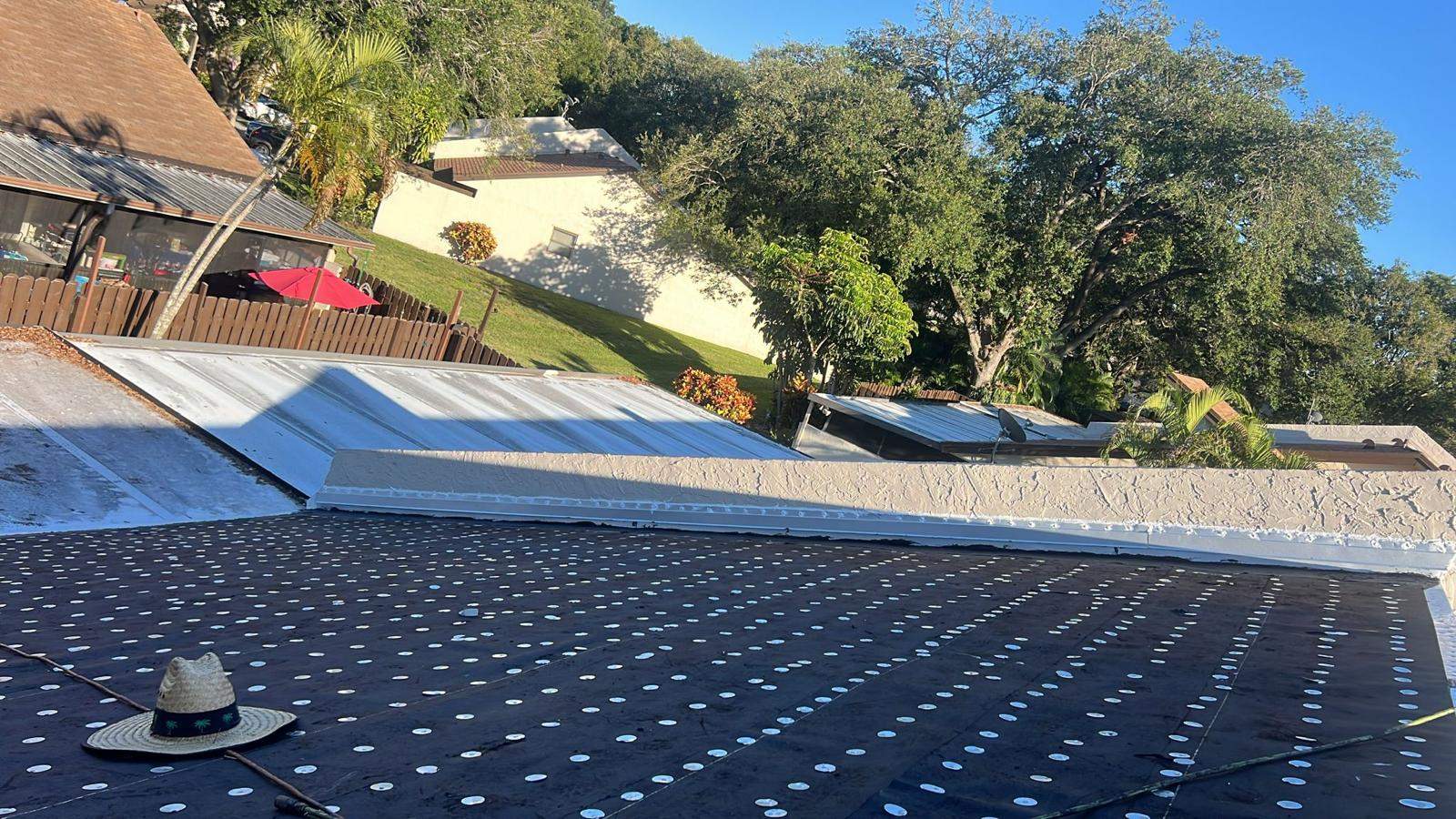
The underlayment acts as your secondary water barrier, protecting your home if the primary roof covering is damaged or blown away. Traditional felt paper can easily tear or rot when exposed to wind-driven rain. Modern standards favor synthetic underlayment, which offers vastly superior tear resistance. For maximum protection, a self-adhering modified bitumen membrane, often referred to as "peel-and-stick," is applied directly to the clean wood deck, creating a watertight seal that keeps water out even if shingles or tiles are lost.
Re-Nailing the Roof Deck to Modern Standards
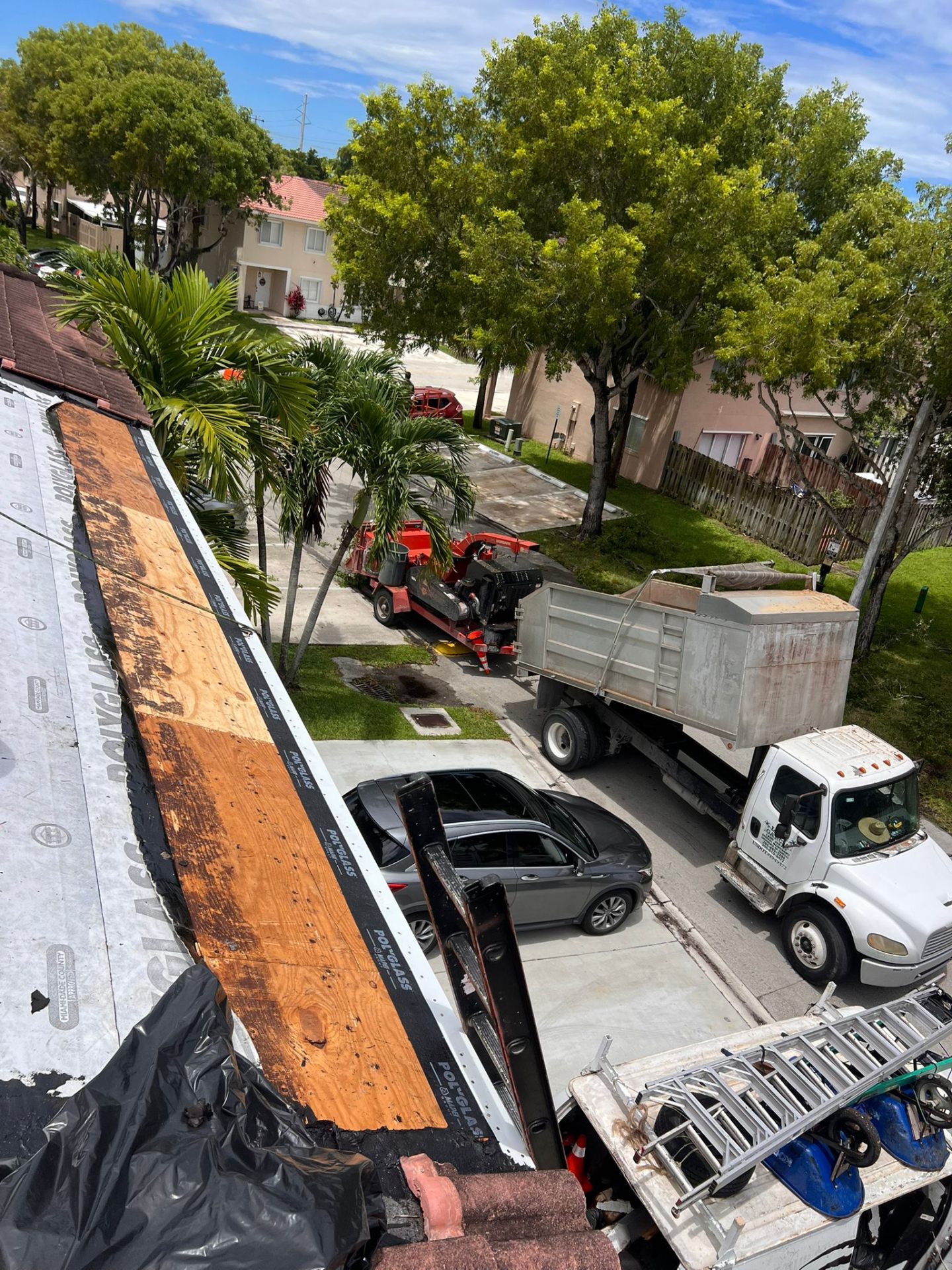
Before any new underlayment is installed, the wood deck panels must be inspected and secured. Older homes in North Miami were often built using staples or thin nails spaced far apart. Under current HVHZ codes, the wood sheathing must be secured using ring-shank nails. These specialized nails feature ridges along the shank that grip the wood fibers, doubling the deck's resistance to uplift forces compared to smooth-shank nails. Inspectors will physically verify the spacing of these nails before allowing the installation to proceed.
Sealing the Plywood Joints for Added Insurance
In addition to securing the sheathing, sealing the joints between individual plywood sheets provides an extra layer of defense. This is accomplished by applying a self-adhesive flashing tape over all horizontal and vertical seams in the deck. If storm winds manage to strip away both the outer material and the primary underlayment, these sealed joints prevent water from dripping down into your attic, ceiling, and living spaces.
The Permitting and Inspection Journey in North Miami
Why You Need a Miami-Dade Product Control Notice of Acceptance (NOA)
Every product used in a North Miami installation, from the nails and underlayment to the metal panels or shingles, must have a valid Miami-Dade County Notice of Acceptance (NOA). This document proves that the product has undergone rigorous laboratory testing for wind resistance, water infiltration, and impact. A reputable north miami roofing project cannot utilize generic materials purchased out-of-state; every component must be verified and listed on the building permit application.
The Standard Inspection Sequence
A professional installation involves several distinct inspection phases performed by local building officials. Skipping an inspection can result in costly delays or the requirement to tear off newly installed materials. The typical sequence includes:
The Deck Inspection: Verified after the old roofing material is removed, dry rot is repaired, and the deck has been re-nailed with ring-shank nails.
The Underlayment and Flashing Inspection: Confirms that the secondary water barrier, valley metal, and drip edges are correctly applied and sealed.
The In-Progress/Final Inspection: Ensures the outer material is fastened according to the specific manufacturer guidelines and NOA requirements.
Understanding Wind Mitigation Inspections
Once your new roof is fully installed, it is highly beneficial to hire a licensed home inspector to perform a wind mitigation inspection. This assessment documents all the wind-resistant features of your new system, including the deck nailing pattern, underlayment type, and the presence of roof-to-wall connectors like hurricane clips. This official report is submitted to your homeowner's insurance company and frequently results in substantial premium discounts.
Comparing Roof Material Performance in High Wind Zones
Selecting the right material requires weighing long-term durability, wind resistance, and upfront investment. Below is a comparative overview of how the three primary roofing materials perform under high-wind conditions in South Florida.
| Roofing Material | Wind Resistance Rating | Debris Impact Resistance | Typical Lifespan in South Florida |
|---|---|---|---|
| Standing Seam Metal | Exceptional (Up to 180+ MPH) | High (Resists cracking and puncturing) | 40 - 70 Years |
| Concrete or Clay Tile | Very High (Up to 150+ MPH when foam-set) | Moderate (Can crack under heavy impacts) | 30 - 50 Years |
| Architectural Shingles | Moderate to High (Up to 110 - 130 MPH) | Moderate (Can tear or lose granules) | 15 - 20 Years |
Critical Installation Details That Prevent Wind Failures
Drip Edge Installation and Eave Flashing
The edges of a roof are the most vulnerable to high winds. If the drip edge is not securely fastened, wind can get underneath it, peel it back, and lift the adjacent shingles or metal panels. In North Miami, drip edges must be nailed tightly to the deck using a staggered pattern, and the underlayment must overlap the metal flange to prevent water from backing up under the roof edge during a storm.
Ridge Vents and Ventilation Durability
Attic ventilation is crucial for controlling heat and humidity, but standard ridge vents can easily be ripped off or allow water to blow inside during a hurricane. High-wind zones require specialized baffle-style ridge vents that are explicitly rated for the HVHZ. These vents feature internal designs that block horizontal, wind-driven rain while still allowing hot attic air to escape under normal weather conditions.
The Flashing Around Chimneys, Skylights, and Valleys
Valleys and roof penetrations are natural collection points for rainwater. In high wind zones, simple caulking or thin flashing will quickly fail under pressure. Installers must use heavy-gauge metal flashing, properly sealed with high-grade elastomeric sealants, to ensure these intersections remain completely watertight when subjected to high-velocity winds and heavy downpours.
Frequently Asked Questions
What makes a roof HVHZ compliant?
A roof is HVHZ compliant when all its materials have active Miami-Dade Notice of Acceptance (NOA) approvals and the installation strictly follows the specialized fastening, nailing, and underlayment guidelines designed to withstand wind speeds of 170 MPH or higher.
How often should a roof be inspected in North Miami?
It is wise to have your system professionally inspected at least once every two years, and always immediately following any major tropical storm or hurricane, to check for subtle wind damage, loose flashing, or compromised seals.
Can I install a new roof over my old one to save money?
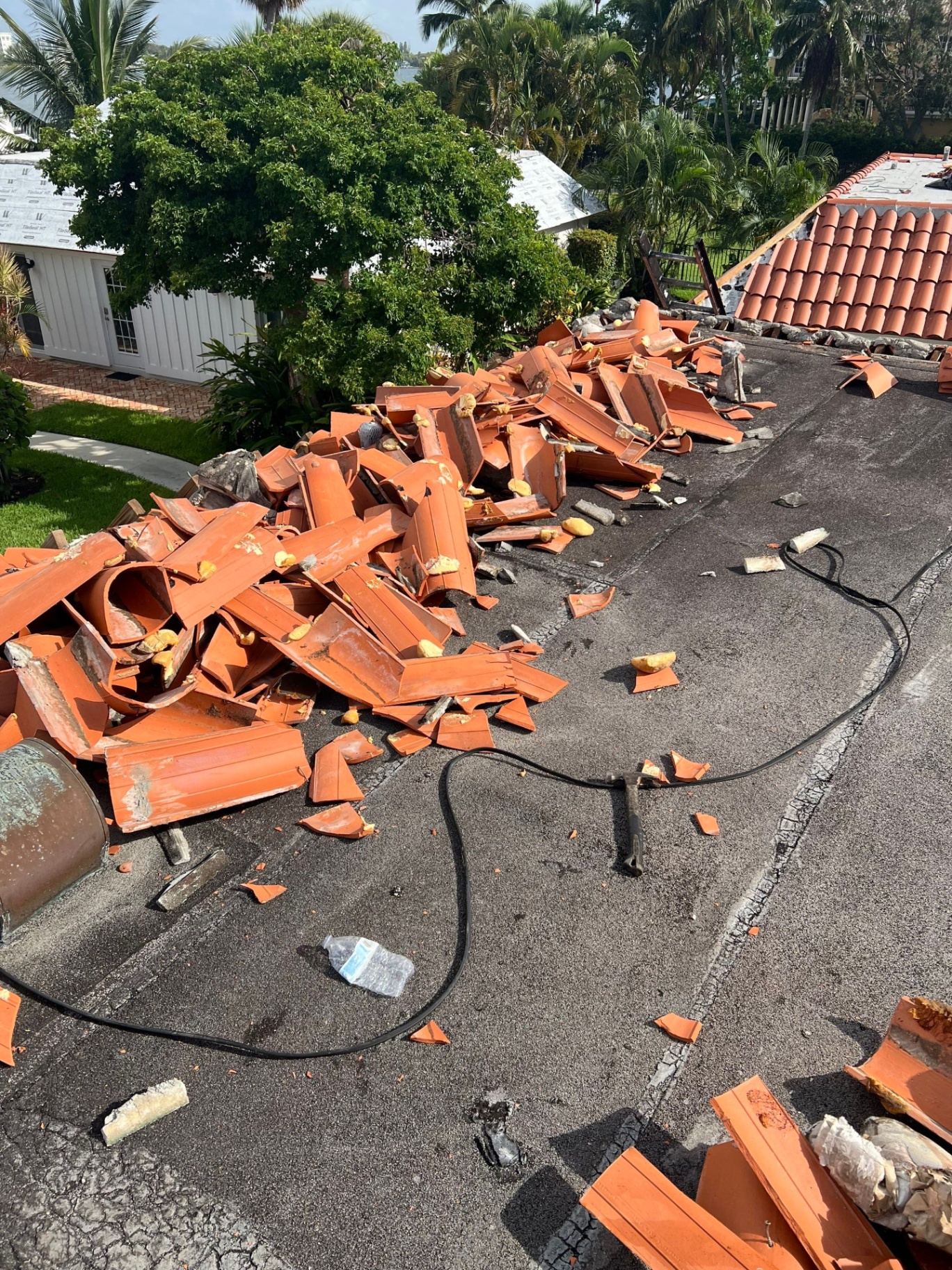
No. Under Miami-Dade building codes, a complete tear-off of all old roofing materials down to the bare wood deck is required. This ensures the structural deck can be inspected for rot and re-nailed to meet modern wind-resistance standards.
How do hurricane clips affect my roof installation?
Hurricane clips or straps connect your roof rafters directly to the concrete or wood walls of your home. While these are usually installed during initial home construction, their presence and condition are verified during a roof replacement to ensure your home has a continuous load path to resist extreme wind uplift.
Protecting Your North Miami Home for the Long Haul
Investing in a high-wind rated roof is the single most important step you can take to safeguard your South Florida property and family. Partnering with a licensed and insured local professional ensures your project meets all current safety standards, utilizes approved Miami-Dade materials, and protects your investment for decades to come. When you are ready to secure your home against the elements, contact our local team to schedule your roof installation consultation today.
Need help with Roof Installation?
PSR Roofing is Miami's licensed & insured expert for roof installation. Free estimates, honest pricing, and 24/7 emergency response.