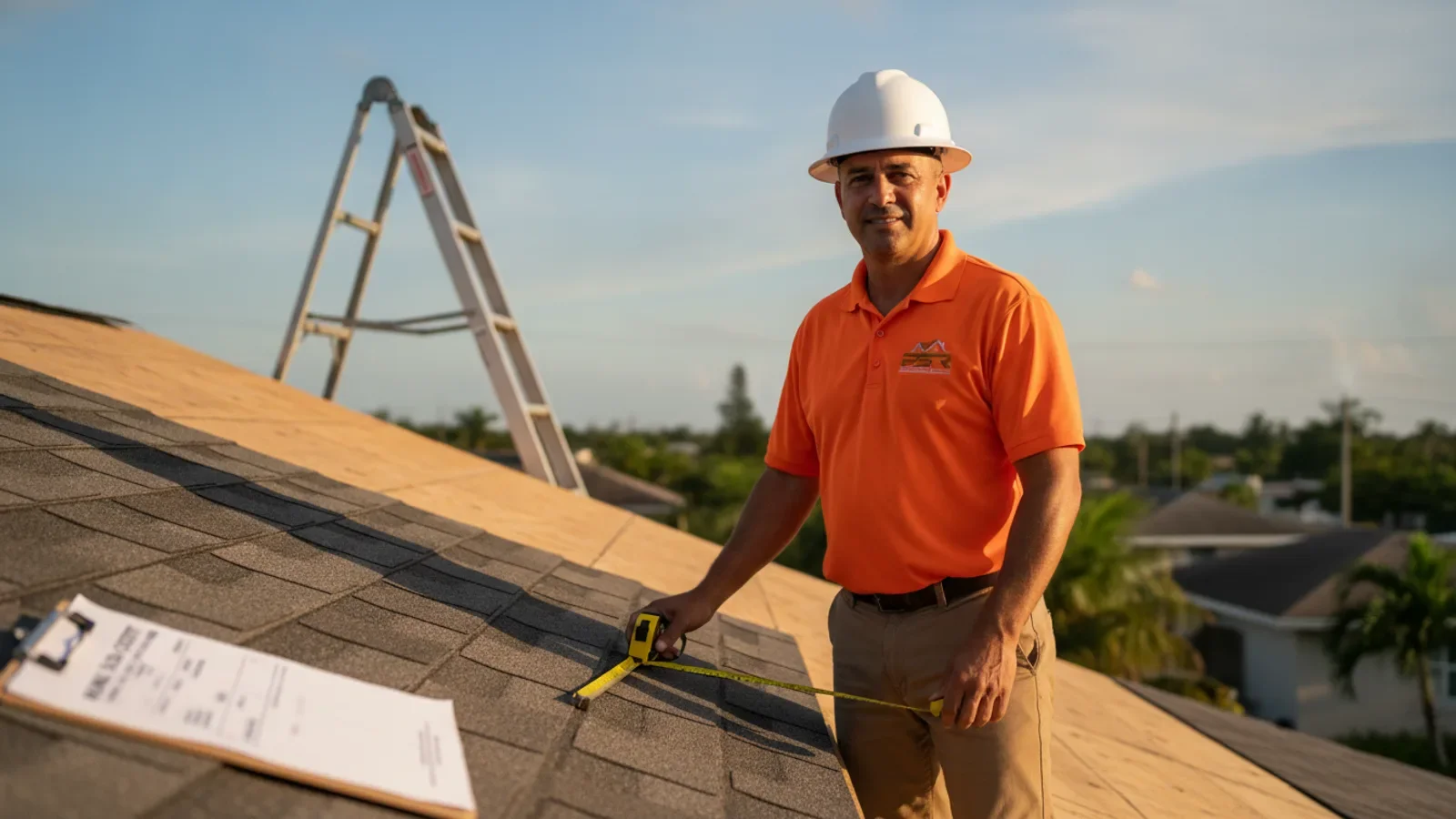
North Miami Roof Installation Codes: Navigating HVHZ and Permit Requirements
Planning a new roof installation in North Miami requires much more than simply picking out your favorite shingle color or metal panel style. Because South Florida faces some of the most extreme weather conditions in the country, the structural standards here are among the strictest in the world. Navigating these building codes, particularly the High Velocity Hurricane Zone (HVHZ) requirements, is a critical step for any homeowner. Working with an experienced local contractor ensures your home stays protected, legal, and fully insured through every storm season.
The Critical Reality of the High Velocity Hurricane Zone
What Exactly is the HVHZ?
The High Velocity Hurricane Zone, or HVHZ, is a specific geographical designation within the Florida Building Code. It primarily encompasses Miami-Dade and Broward counties. This zone mandates the absolute highest standards for wind resistance, structural integrity, and material testing. While other parts of Florida must build to withstand high winds, North Miami roofing projects must meet strict design pressures capable of withstanding winds exceeding 170 to 180 miles per hour. This means every component of your roof, from the deck fasteners to the outermost shingles or tiles, must be engineered to resist immense uplift forces.
Why Standard Building Materials Do Not Cut It
Off-the-shelf roofing materials purchased from a standard home improvement store in another state often fail to meet the rigorous Miami-Dade Product Approval guidelines. Every piece of material used in an HVHZ roof installation must possess an active Notice of Acceptance (NOA) or a valid state product approval. This documentation proves the material has undergone rigorous testing, including high-velocity wind testing, wind-driven rain penetration tests, and missile impact tests. If a material lacks this certification, the North Miami building department will reject the permit application immediately.
The Impact of HVHZ on Your Homeowners Insurance
Compliance with HVHZ standards is not just about avoiding fines; it directly affects your wallet. Insurance carriers in South Florida scrutinize the structural integrity of your roof more than almost any other home feature. A properly permitted and constructed roof that adheres to the latest Florida Building Code qualifications can qualify you for substantial wind mitigation discounts. Conversely, having an unpermitted roof or one installed using sub-standard methods can lead to policy non-renewal or incredibly high premiums. A qualified local roofing contractor can help document these compliance measures to make your insurance process seamless.
The North Miami Permitting Process Demystified
Why You Must Never Bypass the Permit
Some homeowners wonder if they can bypass the city permit process to save time or initial costs. This is a risky decision that almost always backfires. Unpermitted roofing work in North Miami will result in severe code enforcement penalties, stop-work orders, and potential liens on your property. Furthermore, when you eventually try to sell your home, home inspectors and title companies will uncover the lack of a permit, which can completely stall or ruin the sale. It is always best to work with a licensed roofing company that handles all municipal paperwork on your behalf.
The Steps to Securing a Roof Permit in North Miami
Obtaining a permit from the City of North Miami Building Department involves several precise steps. First, your chosen contractor must prepare a comprehensive permit package. This package includes a completed permit application, proof of ownership (such as a recorded Notice of Commencement), a signed contract, and specific engineering documents. Crucially, the package must contain the exact Miami-Dade Product Approval numbers for the underlayment, fasteners, flashing, and primary roofing materials. Once submitted, municipal plan reviewers examine the documents to ensure compliance with the latest Florida Building Code before issuing the physical permit.
The Importance of the Notice of Commencement
For any residential project valued over a certain threshold, Florida law requires the property owner to sign and record a Notice of Commencement (NOC) with the Miami-Dade County Clerk of Courts. This document formally establishes the start of the project and protects both the homeowner and the subcontractors. The physical permit and a copy of the recorded NOC must be posted visibly on your property before any physical teardown or installation begins. A reputable contractor will guide you through this legal step to ensure your property remains protected throughout the construction phase.
Understanding Roofing Material Requirements Under Miami-Dade Code
Tile Roofs: Weight and Fastening Protocols
Tile roofing is highly popular in South Florida due to its classic aesthetic and longevity, but its weight and wind profile require specific engineering. Under the HVHZ code, tiles cannot simply be laid down; they must be secured using specialized mechanical fasteners, approved adhesive foams, or a combination of both. Additionally, the underlying structure of your home must be strong enough to support the substantial dead load of clay or concrete tiles. Prior to a tile roof installation, a professional analysis of your roof trusses is often necessary to verify structural capacity.
Metal Roofing: Uplift Resistance and Seam Types
Metal roofing offers exceptional wind resistance when installed correctly. However, the HVHZ codes require specific fastening patterns to resist wind uplift. Whether you choose standing seam panels or exposed fastener systems, the metal sheets must be anchored into the decking according to precise engineering schedules. Standing seam systems are highly recommended in North Miami because the fasteners are concealed, minimizing the risk of water intrusion over time. The gauge of the metal, the spacing of the clips, and the type of metal (such as aluminum or steel) must all align with Miami-Dade Product Approvals.
Shingle Roofing: High-Wind Adhesives and Nail Patterns
Asphalt shingles are an affordable and versatile option, but standard installation practices used in northern states will fail under South Florida conditions. For an HVHZ-compliant shingle roof, installers must use specialized architectural shingles rated for high-wind environments. Additionally, the nailing pattern is strictly regulated. Instead of the standard four nails per shingle, the code often requires six nails placed in specific locations to prevent wind uplift. The underlayment beneath the shingles must also be a heavy-duty, tear-resistant material, often requiring a self-adhering "peel-and-stick" barrier applied directly to the wood deck.
What to Expect During City Inspections
The Sheathing/Nailing Inspection
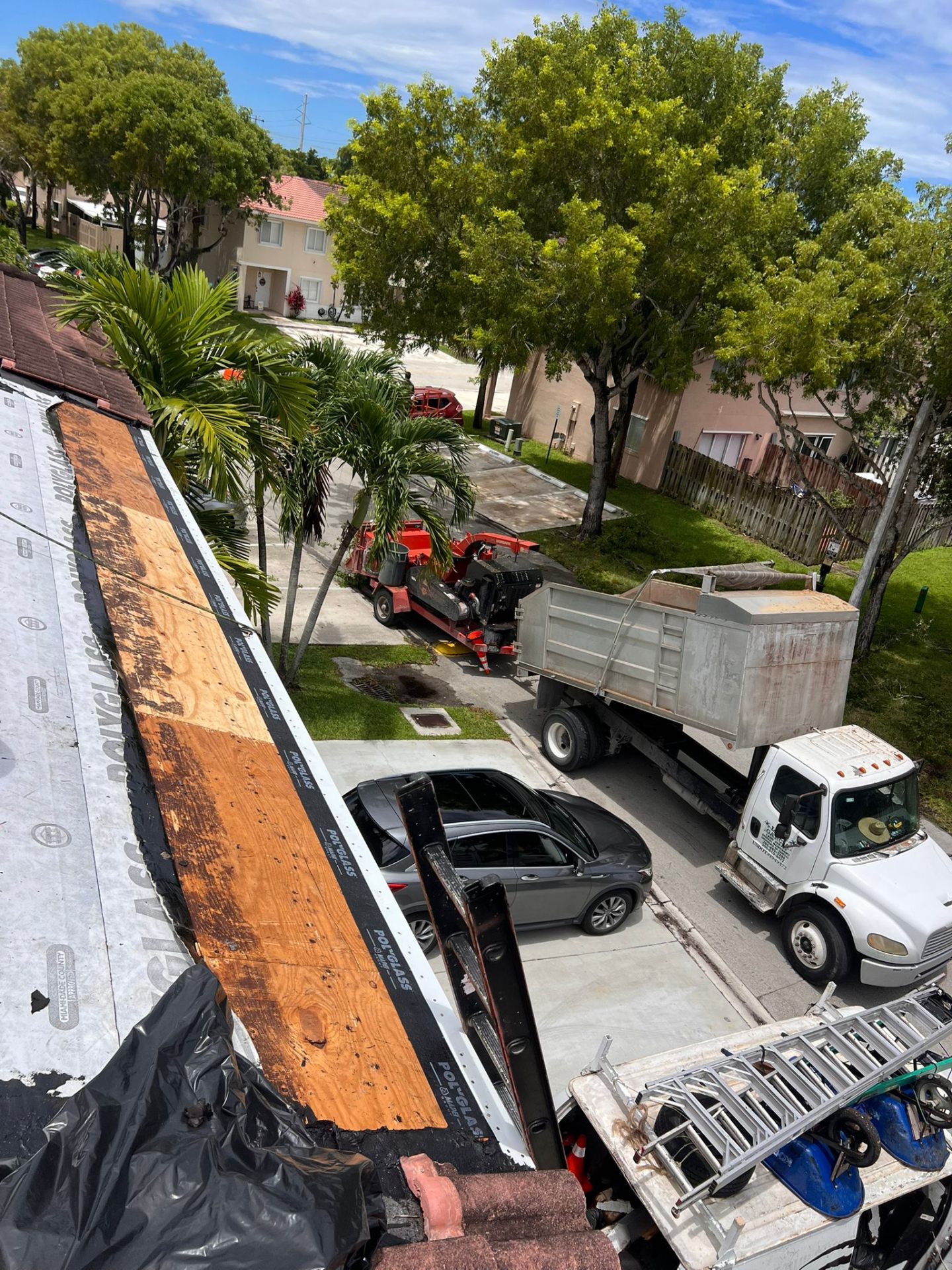
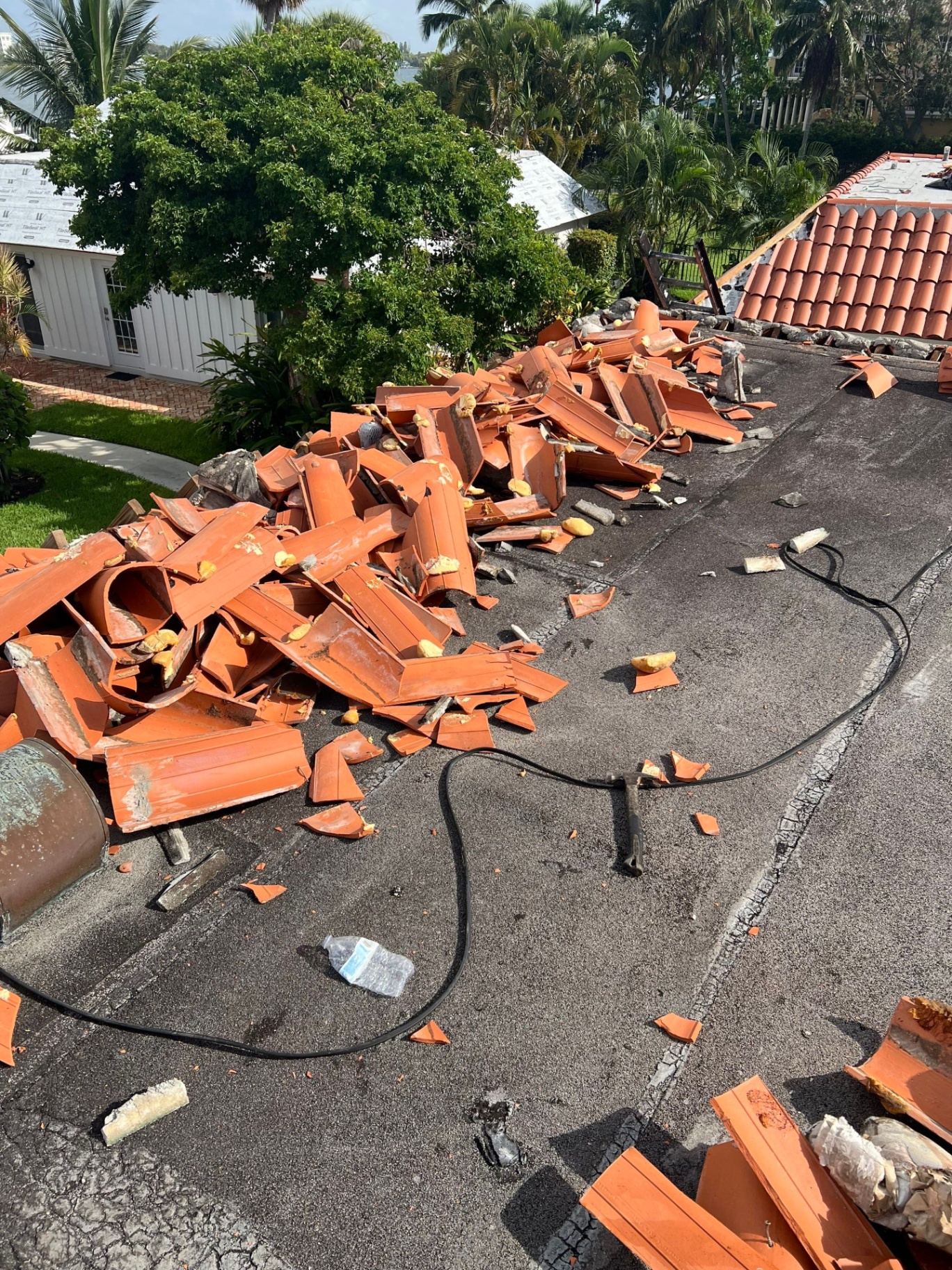
Once the old roofing material is completely removed, the contractor must schedule a sheathing and nailing inspection. This is a critical step where a city inspector visits your home to examine the bare wood deck. The inspector checks for dry rot, water damage, and structural weakness in the plywood panels. Any damaged wood must be replaced. The inspector also measures the spacing of the nails securing the deck to the rafters, ensuring it meets the strict wind-uplift requirements of the Florida Building Code.
The In-Progress/Underlayment Inspection
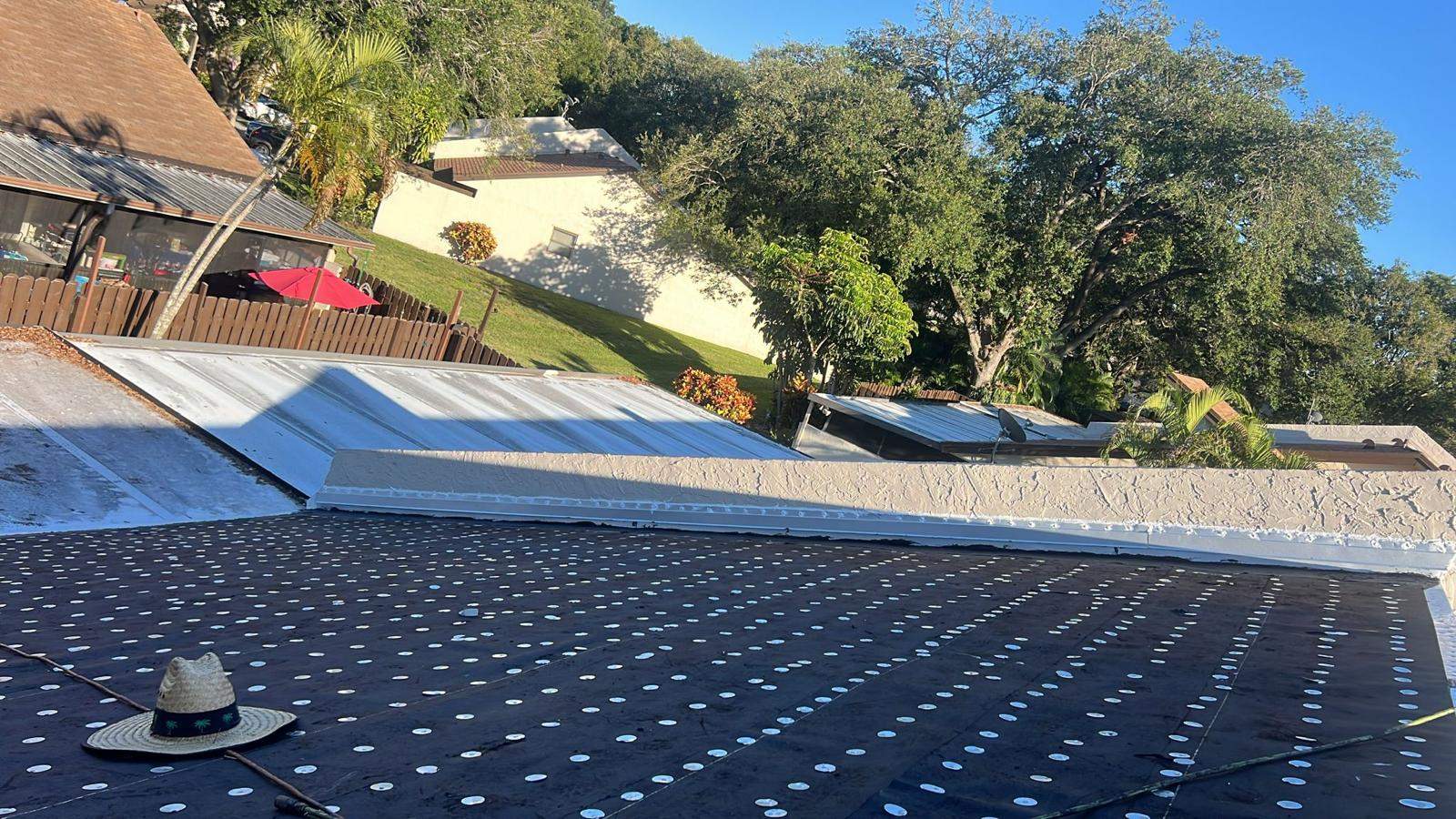
The next inspection occurs after the underlayment is installed but before the final roofing material is applied. The inspector examines the water-resistant barrier, checking for proper overlaps, secure fastening, and correct flashing around valleys, chimneys, and vents. In North Miami, this step is vital because the underlayment acts as your home's secondary water barrier. If hurricane winds ever tear away your primary shingles or tiles, a properly installed underlayment is what keeps water from pouring into your living space.
The Final Inspection
The final inspection occurs after the entire project is complete. The inspector will check the overall quality of the roof installation, the securing of ridge vents, the sealing of penetrations, and the proper disposal of construction debris. They will also verify that the materials used match the product approvals submitted in the original permit application. Once the inspector signs off on the final inspection, the permit is officially closed, providing you with peace of mind and the necessary documentation for your insurance provider.
| Inspection Stage | Key Focus Areas | Why It Matters |
|---|---|---|
| Decking & Sheathing | Nail spacing, wood rot, deck thickness | Ensures the foundation of the roof can withstand wind uplift forces. |
| Underlayment (Mop/In-Progress) | Waterproof barrier, lap dimensions, flashing | Guarantees a secondary line of defense against severe water intrusion. |
| Final Inspection | Completed installation, ventilation, cleanup | Closes the permit, ensuring full compliance and qualifying you for insurance discounts. |
Choosing the Right Contractor for North Miami Roofing
Verifying Licenses and Local Credentials
Never hire a contractor who cannot immediately produce an active state license and comprehensive general liability and workers' compensation insurance. In Florida, roofing contractors must hold a license from the Department of Business and Professional Regulation (DBPR). You can easily verify this license online. Additionally, look for a contractor who has a deep understanding of local municipal processes. A contractor based far outside the Miami area may not be familiar with the specific paperwork, inspector preferences, and rapid timeline requirements of the City of North Miami.
Red Flags to Watch Out For
When searching for a partner to handle your roof, watch out for red flags. Be wary of anyone who asks you, the homeowner, to pull the building permit. This is often a sign that the contractor is unlicensed or has lost their permitting privileges. Another red flag is a contractor who demands a massive down payment before any materials are delivered or permit applications are filed. A reputable local business will provide clear milestones, a transparent contract, and will never pressure you into making immediate cash payments.
Why PSR Roofing Company of Miami is the Trusted Choice
At PSR Roofing Company of Miami, we understand the complexities of North Miami roofing. We specialize in managing the entire process, from the initial inspection and structural engineering to securing permits and navigating the rigorous HVHZ inspection process. Our team treats your home with the utmost respect, ensuring that every nail, underlayment sheet, and tile is installed to exceed code requirements. Read more about choosing the right partner on our blog page.
Frequently Asked Questions About North Miami Roofing Codes
What is an NOA in Miami-Dade roofing?
An NOA stands for Notice of Acceptance. It is a document issued by the Miami-Dade County Product Control Section certifying that a specific building material or system has been thoroughly tested and approved for use in the High Velocity Hurricane Zone (HVHZ).
Can I install a new roof over my old one in North Miami?
Generally, no. Under the HVHZ building code, "re-roofing" or installing a second layer of shingles or tiles over an existing roof is not permitted. The old roofing materials must be completely removed down to the bare wood decking to allow for a full inspection of the sheathing.
How long does the roof permit process take in North Miami?
The permitting process typically takes anywhere from two to several weeks, depending on the current backlog of the city building department and the completeness of the submitted permit package. Working with an experienced contractor helps prevent delays.
What is a wind mitigation inspection?
A wind mitigation inspection is a specialized home inspection that documents the wind-resistant features of your roof, such as the shape, deck attachment type, and water barriers. This inspection report is submitted to your insurance company to help lower your premiums.
Your Next Steps to a Secure Roof
Protecting your North Miami home from the unpredictable Florida weather starts with a durable, code-compliant roof. Contact us at PSR Roofing Company of Miami today to schedule your roof inspection and take the first step toward a secure, beautifully engineered home.
Need help with Roof Installation?
PSR Roofing is Miami's licensed & insured expert for roof installation. Free estimates, honest pricing, and 24/7 emergency response.