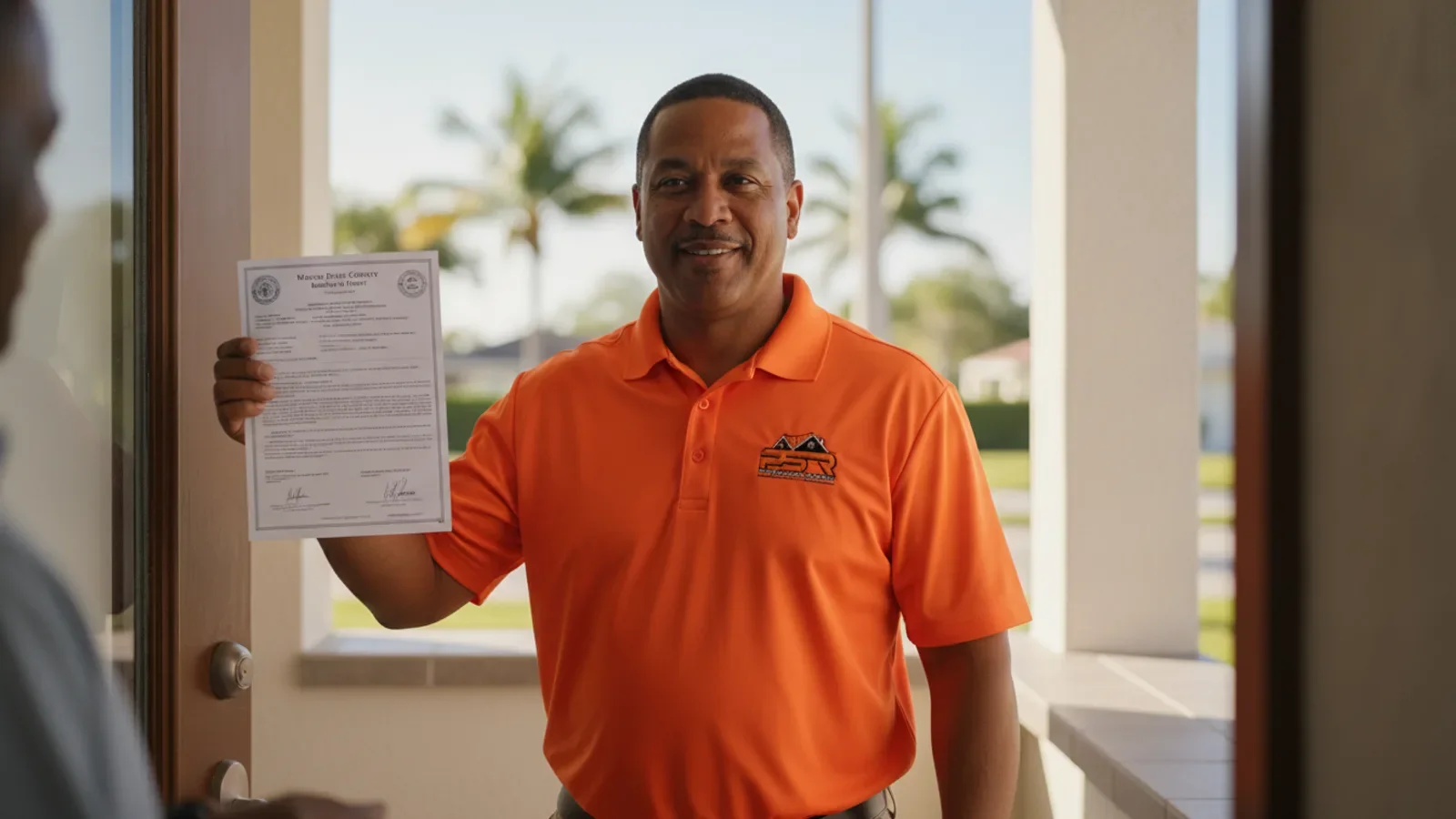
The Essential Checklist for Choosing a Roofing Contractor in North Miami
Selecting a local roofing contractor is one of the most critical decisions you will make for your property. In South Florida, your roof is your primary defense against intense sun, heavy tropical downpours, and seasonal hurricane winds. A single mistake in hiring can lead to code violations, active leaks, and expensive correction bills. This guide provides a practical, highly localized checklist designed to help North Miami homeowners evaluate regional roofing companies and make a secure, informed decision.
The Myth of the Standard Florida Roofing Estimate
Many property owners assume that all local roofing estimates are created equal, believing that a lower price simply means a better deal. In reality, a cheap estimate often indicates omitted costs, subpar materials, or a lack of proper insurance coverage. In Miami-Dade County, building codes are among the strictest in the nation. Any compromise on material quality or fastening methods will eventually show up as failed inspections or premature wear.
Uncovering Hidden Material Substitutions
Some providers keep their initial bids low by using thin underlayments or standard nails instead of ring-shank nails. In North Miami, the High Velocity Hurricane Zone (HVHZ) regulations require specific fastening patterns and heavy-duty materials. When reviewing a proposal, check that the contractor explicitly lists the brand and grade of underlayment, drip edge metal thickness, and the specific wind rating of the shingles or tiles.
The Danger of Missing Permit Costs
A common tactic is omitting the cost of municipal building permits from the initial quote, leaving the homeowner to deal with unexpected fees later. The permitting process in North Miami requires detailed engineering documents, product control approvals (NOAs), and multiple progress inspections. A reputable roofing contractor will always handle the permit process from start to finish and include these administrative costs clearly in the written agreement.
Evaluating Subcontractor Disclosures
Some businesses operate primarily as sales offices, outsourcing the actual labor to unsupervised crews. Ask directly who will be on your roof. You want a team that is directly managed by the company, ensuring consistent quality control and adherence to safety guidelines during your roof installation.
1. Verify Local Licensing and HVHZ Compliance
Florida law requires all roofing professionals to hold an active license from the Department of Business and Professional Regulation (DBPR). However, working in South Florida requires an additional layer of expertise due to local weather extremes. You must ensure your contractor is fully qualified to work within the High Velocity Hurricane Zone (HVHZ).
Checking DBPR and Local Licensing Portals
Before signing any contract, look up the contractor's license number on the Florida DBPR website. The license should be active and registered under a "Certified Roofing Contractor" (CCC) or "Certified General Contractor" (CGC) designation. Verify that the qualifying agent listed on the license is an active manager within the business, rather than an inactive third party renting out their credentials.
Understanding Miami-Dade Product Control and NOAs
To pass inspection in North Miami, every material installed on your roof must have a current Miami-Dade Notice of Acceptance (NOA). This document proves the product has been tested to withstand specific wind loads and impact forces. Your chosen roofing company must provide these NOA numbers during the permitting phase. If a contractor cannot immediately explain how their products comply with local wind codes, they are not equipped for South Florida projects.
Local Municipal Registration Requirements
Even with a state license, a contractor must register with the building department of North Miami to pull permits. This registration confirms they have met local bond requirements and possess active liability insurance. A delay in municipal registration can stall your project before the first nail is even driven.
2. Inspect General Liability and Workers' Compensation Insurance
Roofing is inherently hazardous work. If an uninsured worker is injured on your property, or if a sudden rainstorm damages your home's interior during construction, you could be held financially liable. Never accept a simple verbal assurance that a company is insured.
Requesting Certificates of Insurance (COI) Direct from the Agency
Do not rely on a photocopy of an insurance card provided by a salesperson. Request that the contractor's insurance agency email a Certificate of Insurance directly to you, listing your name and address as the certificate holder. This ensures the policy is currently active and has not lapsed due to non-payment.
Verifying Workers' Compensation Coverage
Florida law requires roofing businesses to carry workers' compensation insurance for all employees. You can verify this coverage instantly using the Florida Chief Financial Officer's online database. If a contractor claims they are exempt because they have very few employees, be cautious; this exemption often does not apply to roofing work, or they may be using uninsured subcontractors.
Assessing General Liability Limits
A professional company should carry at least one million dollars in general liability coverage. This policy protects your structure, landscaping, and personal belongings from accidental damage during the project. It also covers structural water damage if an unexpected storm rolls in while your roof is uncovered.
3. Evaluating Local Reputation and Community Presence
A long-term presence in the South Florida area is one of the strongest indicators of a reliable business. Contractors who travel from out of state after major storms often disappear when warranty issues arise a few months later.
The Value of Local References
Ask for a list of recently completed projects specifically within North Miami or nearby neighborhoods like Biscayne Park and Miami Shores. A reliable local contractor should easily provide addresses where you can view their work from the street. This allows you to inspect the clean lines of the drip edge and the overall neatness of the installation.
Analyzing Online Reviews Beyond the Rating
When reading reviews for PSR Roofing Company of Miami on platforms like Google, look closely at how the business handles challenges. A high rating is excellent, but the substance of the feedback is what matters. Look for comments mentioning clean workspaces, on-time arrivals, and prompt communication during rainy afternoons.
Physical Office vs. P.O. Box
Ensure the contractor operates from a physical local office rather than a temporary post office box. A permanent office demonstrates that the business is rooted in the community, employs local staff, and has a dedicated space to store materials, trucks, and safety equipment. This physical presence gives you a clear place to go if you need to resolve any administrative issues.
Comparing Roofing Contractor Options in North Miami
To help you organize your search, use this comparison table to evaluate potential contractors during your initial consultations:
| Evaluation Criteria | Red Flag Warning | Industry Best Practice |
|---|---|---|
| Licensing Verification | License registered to a different business name or expired. | Active state CCC or CGC license matching the company name exactly. |
| Insurance Delivery | Printed copy provided directly by the salesperson. | COI emailed directly from the independent insurance agency to you. |
| Permitting Approach | Asks the homeowner to pull an "owner-builder" permit. | Contractor pulls all municipal permits and schedules all inspections. |
| Material Specifications | Generic terms like "30-year shingle" without manufacturer names. | Specific manufacturer names, product lines, and Miami-Dade NOA numbers. |
| Payment Structure | Demands a massive cash deposit before any materials are delivered. | Balanced progress payment schedule tied to clearly defined project milestones. |
4. Understanding the Permitting and Inspection Process
In North Miami, skip-permitting is not just illegal; it can make your home impossible to insure or sell. A professional installation requires rigorous oversight from municipal inspectors who verify that every layer of the system meets safety standards.
The Danger of Owner-Builder Permits
If a contractor asks you to pull the permit as an "owner-builder," this is a major warning sign. It often means they lack a valid license, carry no insurance, or are blacklisted by the local building department. When you pull an owner-builder permit, you assume all financial and legal liability for the jobsite, including any injuries that occur on your property.
Required Roofing Inspection Milestones
A compliant installation involves multiple inspections. First is the tin-tag or sheathing inspection, where the inspector verifies the wood deck is securely nailed to the rafters using the correct spacing. Next is the underlayment inspection, which checks the water-resistant barrier before the final surface material is applied. Finally, a building official conducts a final inspection to sign off on the finished project.
The Role of Wind Mitigation Certificates
Once your project is completed and passes final inspection, your contractor should provide a completed wind mitigation form. This document, signed by a licensed inspector, verifies that your home features modern hurricane-resistant installations. Presenting this certificate to your homeowner's insurance company can lead to significant premium discounts in South Florida.
5. Written Contracts, Warranties, and Financial Milestones
A professional business relationship is built on clear, written documentation. Verbal agreements have no standing when issues arise during or after construction. Ensure every detail discussed is explicitly written into your final contract.
Deconstructing the Milestone Payment Plan
A standard, professional payment plan is structured around actual progress. Typically, a modest deposit is paid upon signing to secure a slot on the schedule. A second payment is due when materials are delivered to your property and the permit is posted. A third payment may be scheduled after the underlayment passes inspection, with the final balance held until the municipal building inspector signs off on the completed project.
Distinguishing Between Workmanship and Manufacturer Warranties
It is important to understand that you are dealing with two separate warranties. The manufacturer's warranty covers defects in the physical materials, such as shingles or metal panels. The contractor's workmanship warranty covers installation errors, such as improper flashing or fastening. Ensure both warranties are clearly outlined in writing, specifying their duration and what actions could void them.
Inclusion of Property Protection and Cleanup
Your contract should explicitly state how the crew will protect your landscaping, driveway, and pool from falling debris. It should also specify that a magnetic sweep will be conducted daily to collect loose nails from your lawn and driveway, protecting your family and vehicle tires from injury and damage.
Frequently Asked Questions
How can I verify if a roofer is licensed in North Miami?
You can verify a license by visiting the Florida Department of Business and Professional Regulation (DBPR) website and searching the contractor's name or license number. Additionally, check that they are registered to pull permits with the City of North Miami building department.
What is a Miami-Dade NOA and why is it important?
A Miami-Dade Notice of Acceptance (NOA) is a document certifying that a building material has passed testing for high-velocity hurricane winds and impact. In North Miami, building inspectors require these NOAs to approve your permit and sign off on your installation.
Should I pay a deposit before my roofing materials arrive?
A small deposit to secure your position on the contractor's schedule is normal. However, you should never pay a large portion of the total cost upfront. The next major payment should only occur when the physical materials are delivered to your property and the building permit is officially posted.
How long does a typical roof installation take in South Florida?
For an average single-family home, the physical tear-off and installation typically take three to five days. However, the overall process, including waiting for municipal inspections and permit approvals, can extend the timeline over several weeks. Weather delays can also affect this schedule.
Partner with a Trusted Local Professional
Choosing the right team to protect your property is a decision that impacts your home's safety and value for decades. If you are preparing for a new installation or suspect your property has storm damage, please reach out to schedule your roof inspection today with our team at PSR Roofing Company of Miami.
Need help with Roof Inspection?
PSR Roofing is Miami's licensed & insured expert for roof inspection. Free estimates, honest pricing, and 24/7 emergency response.