
How to Evaluate Roof Warranties With Your North Miami Roofing Company
A new roof is one of the largest investments a homeowner makes, and the warranty attached to that roof is what protects it for decades to come. Yet most homeowners sign off on a replacement without fully reading the coverage documents. This guide walks you through exactly what to look for in both manufacturer and workmanship guarantees, what common exclusions to watch for in South Florida's climate, and the questions worth asking any roofing contractor before work begins.
Two Warranties, One Roof: Understanding the Difference
Every roof replacement actually comes with two separate layers of protection, and confusing them is one of the most common mistakes homeowners make.
Manufacturer Product Warranties
The shingle or membrane manufacturer backs the materials themselves. These warranties cover defects in the product, such as premature granule loss, cracking under normal conditions, or lamination failures. Coverage periods vary widely depending on the product line, but the key detail is this: a manufacturer warranty does not cover installation errors. If a shingle fails because it was nailed incorrectly, the manufacturer is not responsible. That responsibility falls entirely on the contractor.
Workmanship Warranties from Your Roofing Contractor
The workmanship warranty, sometimes called a labor warranty or contractor guarantee, covers the quality of the installation itself. Leaks at flashing points, improper underlayment sealing, or fastener blow-outs caused by technique errors fall under this coverage. Workmanship warranty periods vary significantly between contractors, and this is one of the clearest signals of a contractor's confidence in their own crew.
Why Both Matter in North Miami
North Miami sits in a high-velocity hurricane zone, which means roofing systems face wind loads, UV intensity, and humidity levels that accelerate wear in ways not common in northern states. A warranty that looks strong on paper may include exclusions for "wind events above X mph" or "salt-air environments" that effectively nullify coverage after a single hurricane season. Reading the fine print with a South Florida lens is not optional.
Manufacturer Warranty Tiers: What the Labels Actually Mean
Most major roofing material manufacturers offer multiple warranty tiers, and the upgrade from a standard limited warranty to an enhanced or "system" warranty can make a meaningful difference in coverage scope.
Standard Limited Warranties
A standard limited warranty typically covers the cost of replacement materials only, and often on a prorated basis. That means the older the roof, the less the manufacturer contributes toward a claim. A roof that fails at year 15 of a 30-year warranty might only receive materials valued at 50% of their original cost, leaving the homeowner to cover labor and the remainder.
Enhanced or System Warranties
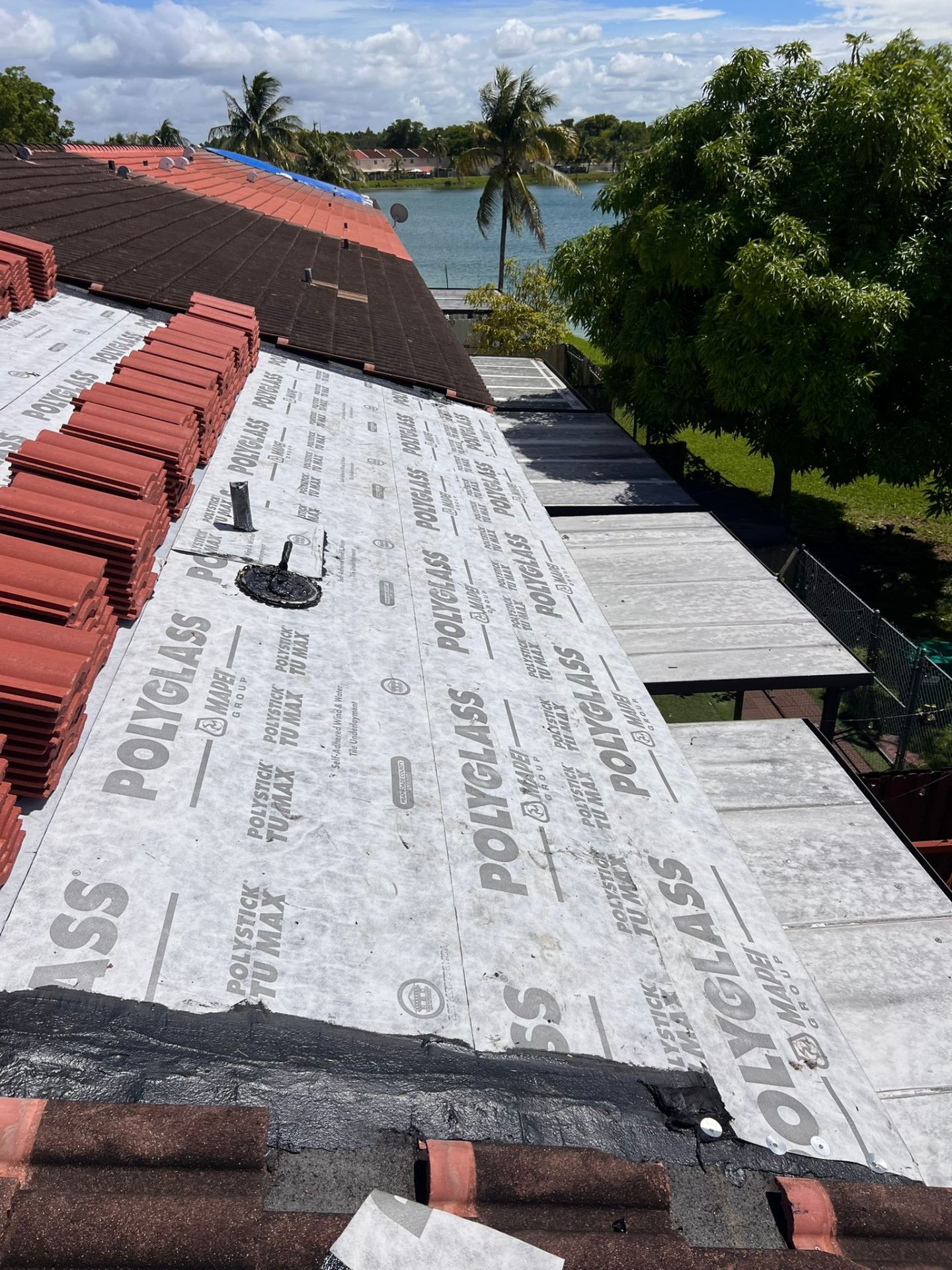
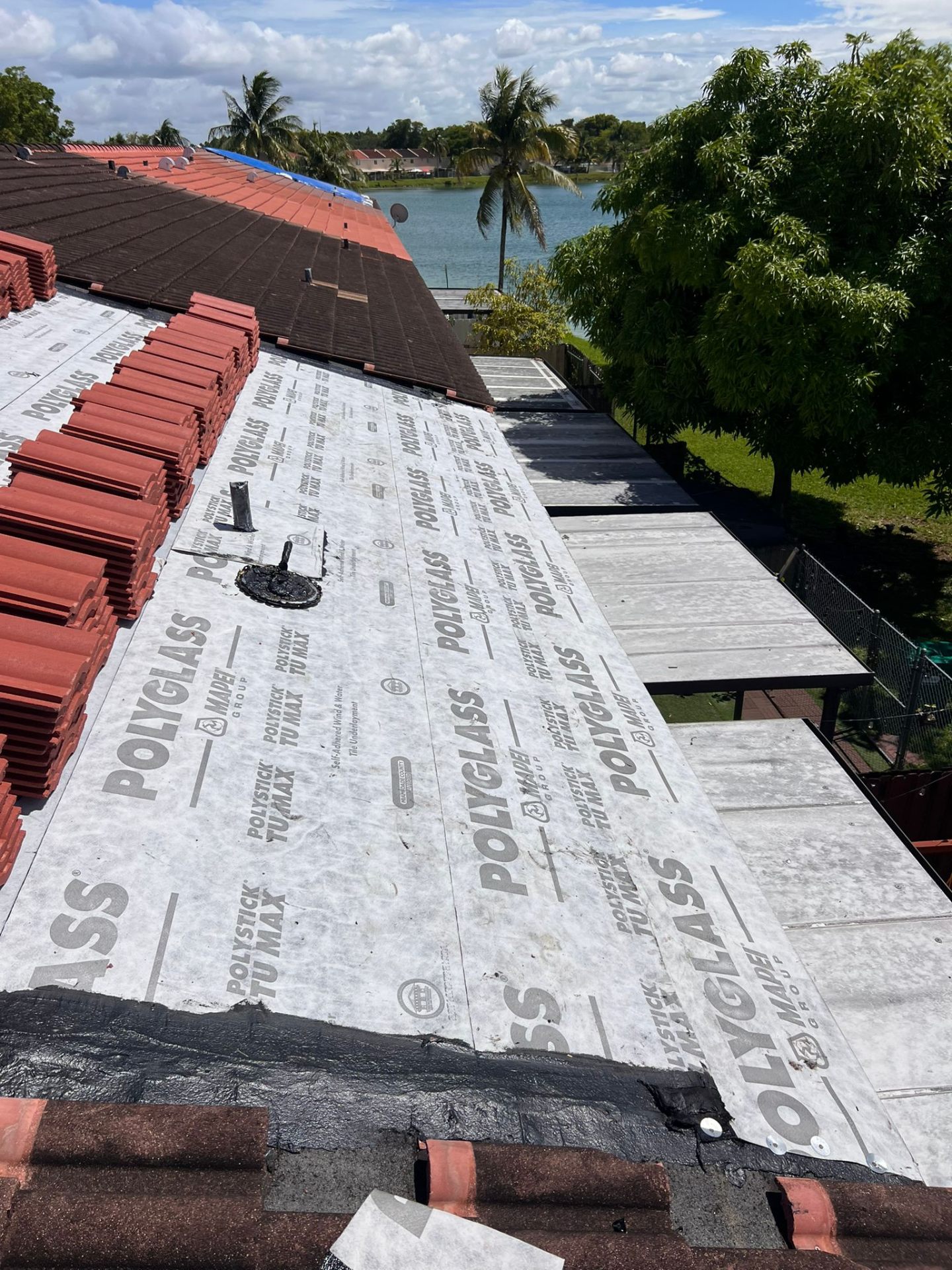
When a roofing contractor installs a complete system using products from a single manufacturer, including underlayment, starter strips, ridge caps, and ventilation components, that manufacturer may offer an enhanced warranty. These often cover both materials and labor, carry non-prorated terms for a longer initial period, and may include wind speed coverage appropriate for coastal Florida conditions. The contractor must typically be manufacturer-certified to offer this level of coverage, which is a credential worth verifying before signing anything.
Transferability and What It Means for Resale
A transferable warranty adds real value if you sell the home. Some manufacturer warranties transfer once to a new owner, sometimes with a fee and registration requirement. Others are non-transferable entirely. If you anticipate selling within the warranty period, confirm the transfer terms in writing before the installation date, not after.
Reading a Workmanship Warranty: The Clauses That Actually Matter
Most homeowners skim workmanship warranties and focus on the headline number of years. That number means very little without understanding what the warranty actually covers and under what conditions it can be voided.
Coverage Scope: What Is and Is Not Included
A strong workmanship warranty explicitly names the failure types it covers: flashing leaks, ridge cap separations, improper valley installation, and fastener pull-through. Vague language like "covers all installation defects" without specifics can be difficult to enforce. Ask the contractor to walk you through the exact scope before signing. If they cannot explain it clearly, that is a signal worth noting.
Void Conditions: The Fine Print That Eliminates Coverage
Common void conditions include modifications made by a third party, failure to maintain gutters or ventilation systems, and damage attributed to "acts of God." In North Miami, that last clause deserves close attention. If a hurricane causes a leak at a flashing point that was already improperly installed, the contractor may attempt to attribute the failure to the storm rather than the installation. Ask specifically: how does the warranty handle failures that occur during or after a named storm?
Claim Process and Response Time
A warranty is only as good as the process for using it. Confirm in writing how to file a claim, what documentation is required, and what the contractor's committed response window is. A contractor who cannot describe this process clearly likely does not have a structured one.
Comparing Warranty Terms: A Practical Reference
The table below summarizes the key dimensions to compare when reviewing warranty documents side by side.
| Warranty Dimension | What to Look For | Red Flag |
|---|---|---|
| Coverage period | Non-prorated term for at least the first 10-15 years | Fully prorated from day one |
| Labor inclusion | Labor covered under manufacturer warranty (system warranty) | Materials only, no labor reimbursement |
| Wind speed coverage | Rated for 130 mph or higher (Florida building code territory) | Standard 60-90 mph coverage in a hurricane zone |
| Transferability | One-time transfer to new owner with clear process | Non-transferable or silent on the issue |
| Workmanship term | 5+ years from a confident, established contractor | 1-2 years or verbal-only guarantee |
| Void conditions | Specific, limited list of exclusions | Broad "any modification" or "weather event" language |
| Claim process | Written procedure with defined response timeline | "Call us if there's a problem" with nothing in writing |
Contractor Certification: The Link Between Credentials and Coverage
Here is something most homeowners do not realize until after the fact: the quality of the warranty a contractor can offer is directly tied to whether that contractor is certified by the manufacturer. A contractor who is not certified cannot offer an enhanced system warranty, regardless of what they tell you verbally.
What Manufacturer Certification Actually Requires
To become certified, contractors typically must complete product-specific installation training, maintain proper licensing and insurance, and demonstrate a track record of completed projects. The manufacturer then audits installations periodically. This is not a marketing badge. It is a vetting process that directly determines which warranty tier the homeowner qualifies for.
How to Verify Certification Before Signing
Ask the contractor for their certification documentation and cross-reference it on the manufacturer's contractor locator tool (most major manufacturers maintain one on their website). If the contractor's name does not appear, or if the certification has lapsed, the enhanced warranty they are quoting may not be available. Verify this before the contract is signed, not after materials are ordered.
Licensing and Insurance as a Warranty Foundation
A workmanship warranty from an unlicensed or underinsured contractor is effectively unenforceable. If the business closes or the contractor cannot be located when a claim arises, the warranty document is worthless. In Florida, roofing contractors are required to hold a state-issued license. Confirm the license number is current through the Florida Department of Business and Professional Regulation before any work begins.
Questions to Ask a North Miami Roofing Company Before Signing
Knowing what to ask separates homeowners who get strong warranty coverage from those who discover gaps after the first heavy rain. Bring this list to any estimate appointment.
Are you manufacturer-certified, and for which product lines? The answer determines which warranty tiers are actually available to you.
What is the wind speed rating on the manufacturer warranty you are offering? In North Miami, anything below 130 mph warrants a follow-up question.
Is your workmanship warranty in writing, and what does it specifically cover? Verbal guarantees are not enforceable.
How do I file a claim, and what is your response time commitment? A structured answer indicates a structured business.
Does this warranty transfer if I sell the home? And are there fees or registration steps required?
What voids the workmanship warranty? Ask for the specific list, not a general answer.
Will you register the manufacturer warranty on my behalf after installation? Many enhanced warranties require registration within a set window. Missing that window can downgrade coverage automatically.
Maintaining Your Warranty: What Homeowners Must Do
A warranty is not a passive document. Most manufacturer and workmanship warranties include maintenance obligations that, if ignored, give the issuer grounds to deny a claim.
Routine Inspections and Documentation
Scheduling a professional roof inspection every one to two years, and after any significant weather event, creates a documented maintenance record. If a claim arises, that record demonstrates due diligence. It also catches minor issues, like a lifted flashing edge or a small puncture in membrane roofing, before they escalate into failures that could complicate a warranty claim.
Gutter Maintenance and Its Effect on Roof Coverage
Blocked gutters cause water to back up under roofing materials at the eave line. Several manufacturer warranties explicitly exclude damage caused by inadequate drainage. Keeping gutters clear and properly pitched is not just good practice. In some cases, it is a condition of maintaining coverage.
Avoiding Unauthorized Modifications
Adding a satellite dish, solar panel, or rooftop HVAC unit after installation can void warranty coverage in the area where penetrations are made, and sometimes more broadly. Before any trade contractor accesses the roof for unrelated work, confirm with your roofing contractor whether that work requires a warranty notation or a specific installation method to preserve coverage.
Frequently Asked Questions
How long should a workmanship warranty last on a roof replacement in North Miami?
There is no universal standard, but a contractor confident in their installation quality will typically offer at least five years on workmanship. Shorter terms are not automatically a disqualifier, but they warrant a direct conversation about why.
Can a manufacturer warranty be voided if the contractor was not certified?
Yes. Most enhanced manufacturer warranties are only available through certified contractors. If a non-certified contractor installs the materials, the warranty defaults to the standard limited version, which typically covers materials only on a prorated basis.
What happens to my warranty if the roofing company goes out of business?
The manufacturer warranty remains in effect regardless of the contractor's status, because it is issued by the manufacturer. The workmanship warranty, however, is tied to the contractor. This is one reason to choose an established, licensed business with a verifiable track record rather than a newly formed entity.
Does homeowners insurance replace the need for a roof warranty?
No. Insurance covers sudden, accidental damage from covered perils. Warranties cover defects in materials or installation quality. The two serve different purposes and both matter. A warranty claim and an insurance claim can sometimes arise from the same event, but they involve separate processes and separate parties.
Is a verbal workmanship guarantee from a contractor enforceable in Florida?
Verbal agreements are difficult to enforce and easy to dispute. Always request warranty terms in writing as part of the contract. If a contractor is unwilling to put their guarantee in writing, that is a meaningful signal about how they handle post-installation accountability.
Should I register my roof warranty myself, or does the contractor handle it?
Ask this question explicitly before installation begins. Some contractors register on your behalf as part of their process. Others leave it to the homeowner. Missing a registration deadline can automatically reduce your coverage tier, so confirm the responsibility and the deadline in writing.
Conclusion
Roof warranties are not formalities. They are the legal foundation of your investment, and the difference between a strong warranty and a weak one can mean tens of thousands of dollars in uncovered repairs over a roof's lifespan. PSR Roofing Company of Miami works with North Miami homeowners to make sure every replacement comes with coverage that actually holds up, in writing, in the South Florida climate. If you are ready to review your options with a contractor who can walk you through every line of your coverage documents, schedule your roof replacement consultation with PSR Roofing today and get the answers you need before a single shingle goes up.
Need help with Roof Repair?
PSR Roofing is Miami's licensed & insured expert for roof repair. Free estimates, honest pricing, and 24/7 emergency response.