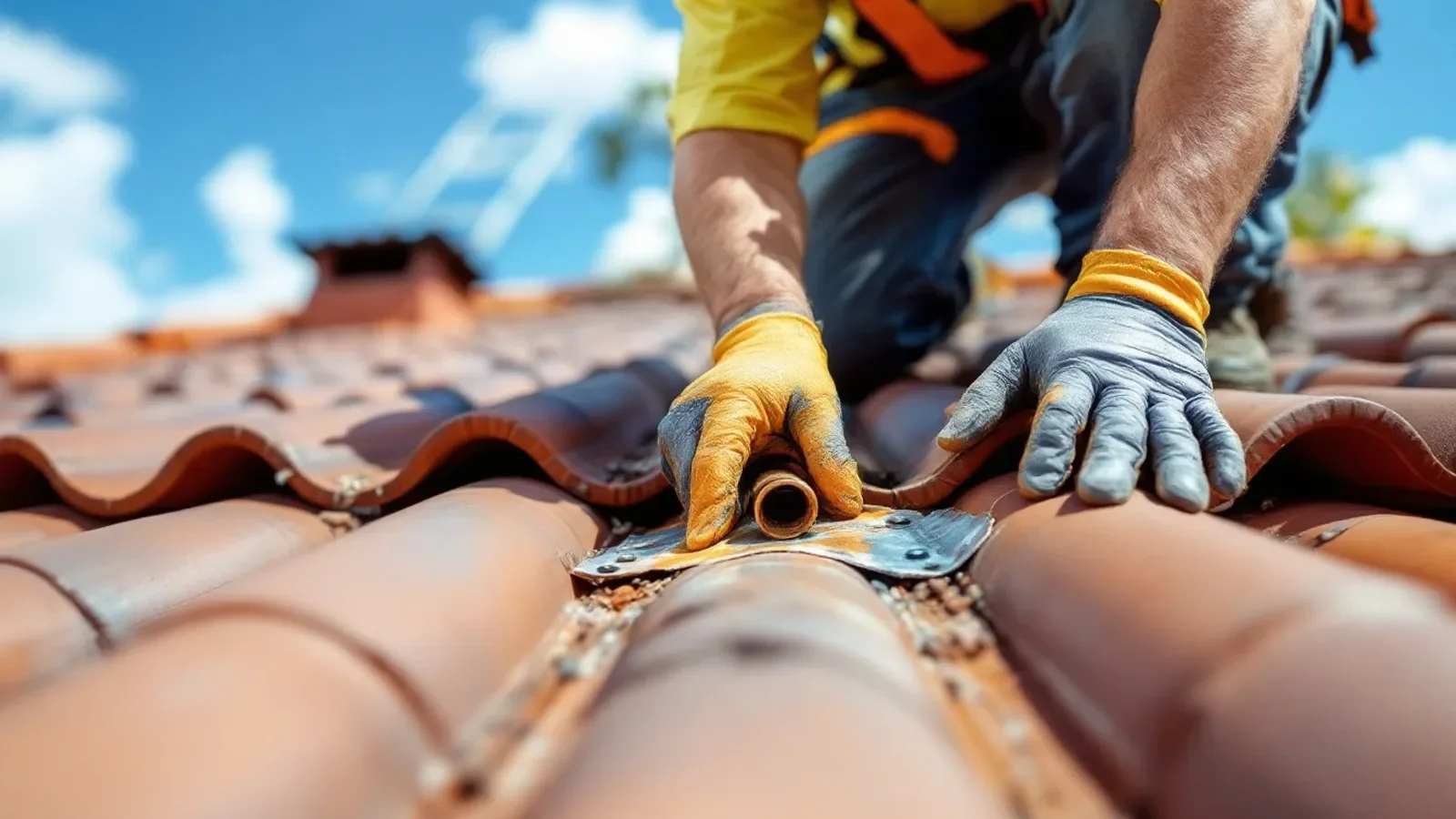
Roof Repair Guide: Protecting Your North Miami Home
Living in North Miami, Florida, means enjoying beautiful sunshine, coastal breezes, and vibrant tropical landscapes. However, it also means subjecting your home to some of the most intense weather conditions in the country. From brutal ultraviolet rays to heavy seasonal downpours and tropical windstorms, your roof takes a constant beating. Keeping up with regular maintenance and timely roof repair is not just a matter of home improvement; it is a critical step in protecting your property value and ensuring your family remains safe and dry throughout the year.
The Myth of the Maintenance-Free Roof in South Florida
Why UV Rays Are More Damaging Than Rainfall
Many homeowners believe that rain is the primary enemy of a roofing system. In reality, the relentless Florida sun acts as a silent catalyst for degradation long before the first raindrop penetrates the surface. Solar radiation bakes roofing materials, causing shingles to curl, asphalt to dry out, and tile underlayments to lose their elasticity. This process, known as thermal shock, occurs when hot afternoon temperatures rapidly drop during sudden summer downpours, causing materials to expand and contract quickly. Over time, this constant movement creates micro-fissures that allow moisture to seep into your home during the next storm.
How Salt Air Accelerates Material Breakdown
Being close to the coast means our air carries a high concentration of salt. While this adds to the coastal charm of North Miami, it accelerates the oxidation and corrosion of metal components on your roof. Flashing, valley liners, drip edges, and even the fasteners holding your tiles or shingles in place can rust prematurely when exposed to salty air. Once these metallic barriers rust through, water gains direct access to your roof deck, leading to wood rot and structural weakening that require professional intervention from a qualified roofing contractor.
The Cumulative Impact of Minor Weather Events
It does not take a major hurricane to compromise your roof. Repetitive afternoon thunderstorms, with gusts of 40 to 50 miles per hour, can gradually loosen roofing tiles, lift shingle tabs, and compromise the seals around vents. When these minor issues are left unaddressed, they compound over time. A small section of lifted shingle can easily become a major leak during the next heavy downpour, transforming a simple fix into an extensive restoration project.
How to Identify Early Signs of Roof Damage Before Disaster Strikes
Conducting a Safe Ground-Level Inspection
You do not need to climb onto your roof to look for warning signs. In fact, we recommend keeping your feet safely on the ground and using a pair of binoculars to inspect your roofline. Walk around your property after a heavy rainstorm and look for misaligned tiles, missing shingle tabs, or sagging sections along the roofline. Pay close attention to your gutters as well; if you spot a heavy buildup of dark granules, it means your asphalt shingles are losing their protective coating and reaching the end of their functional lifespan.
What to Look for Inside Your Attic
The earliest warning signs of water intrusion often show up inside your home before they manifest on your drywall ceiling. Grab a flashlight and carefully access your attic space during or immediately after a heavy rain. Look at the underside of the roof decking for dark water stains, damp insulation, or active dripping. Pay special attention to the areas around structural penetrations, such as plumbing stacks, chimneys, and attic vents, as these are the most common failure points in any residential roof.
Decoding Drywall Stains and Wall Discoloration
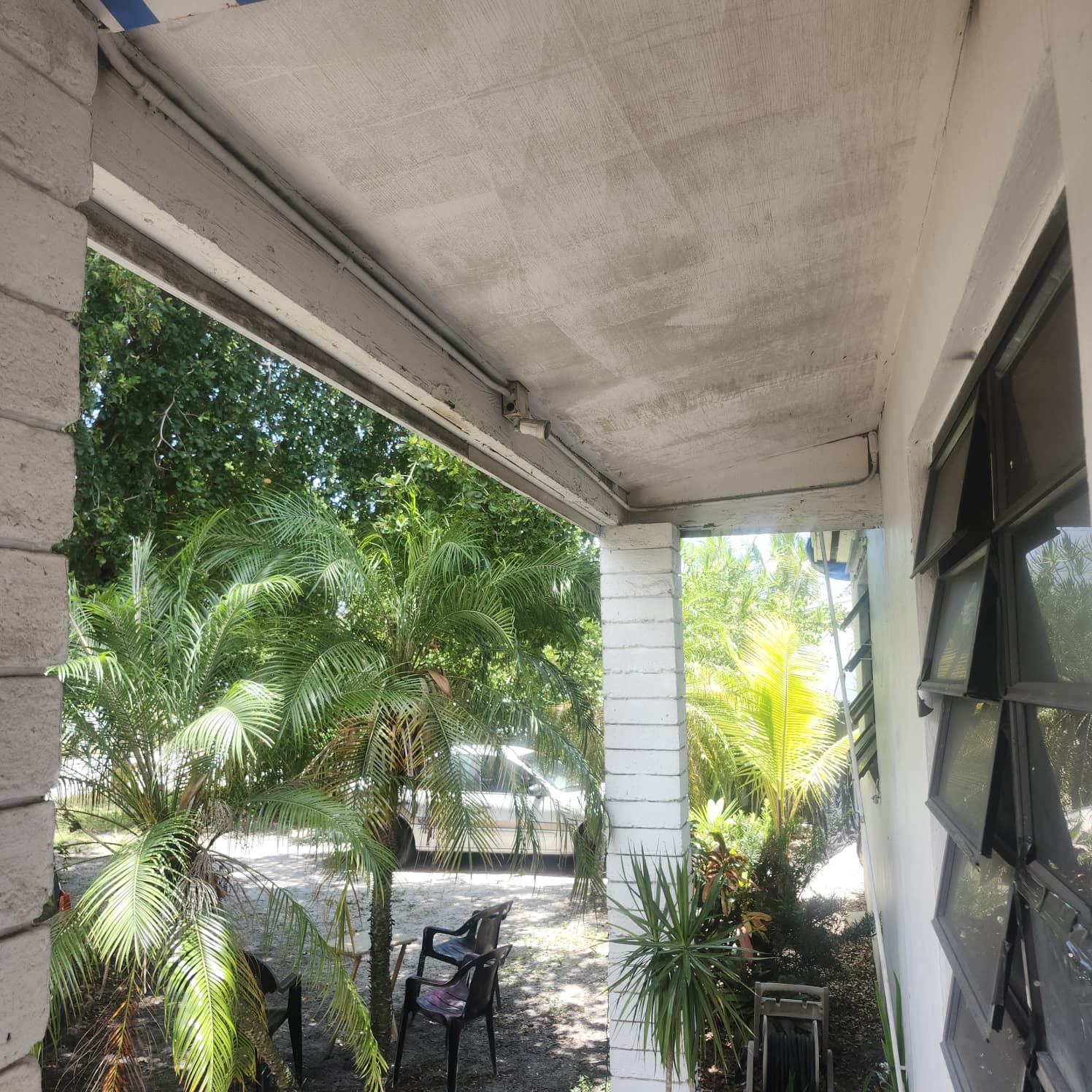
By the time water produces visible stains on your ceiling or walls, the leak has likely been active for weeks or even months. These stains often appear as light brown or yellowish rings that gradually expand over time. If you notice peeling paint near your ceiling corners, bubbling drywall tape, or a persistent musty odor in certain rooms, moisture is actively pooling above your living space. Addressing these signs immediately can save you from extensive interior drywall repairs and structural timber remediation.
The Anatomy of a Typical South Florida Roof Repair
Step 1: Identifying the Entry Point and Clearing the Area
Water rarely travels in a straight line. A leak showing up in your living room ceiling might actually originate ten feet away on the roof surface, traveling along a rafter before dripping downward. A professional technician from a reputable roofing company will trace the water path back to its source. Once the entry point is identified, the surrounding area is cleared of damaged tiles, shingles, or decayed underlayment to expose the clean wood decking underneath.
Step 2: Repairing the Decking and Laying New Underlayment
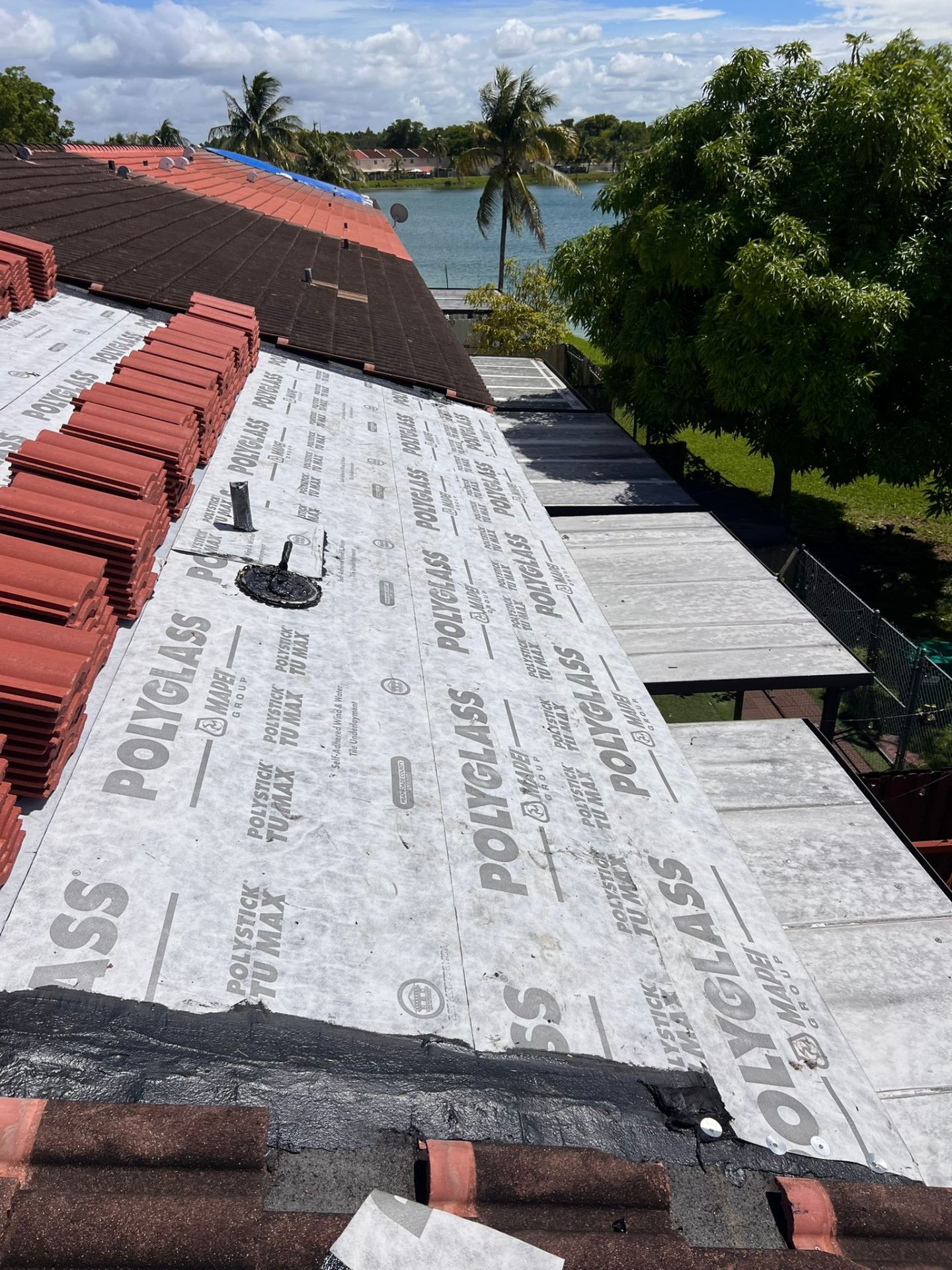
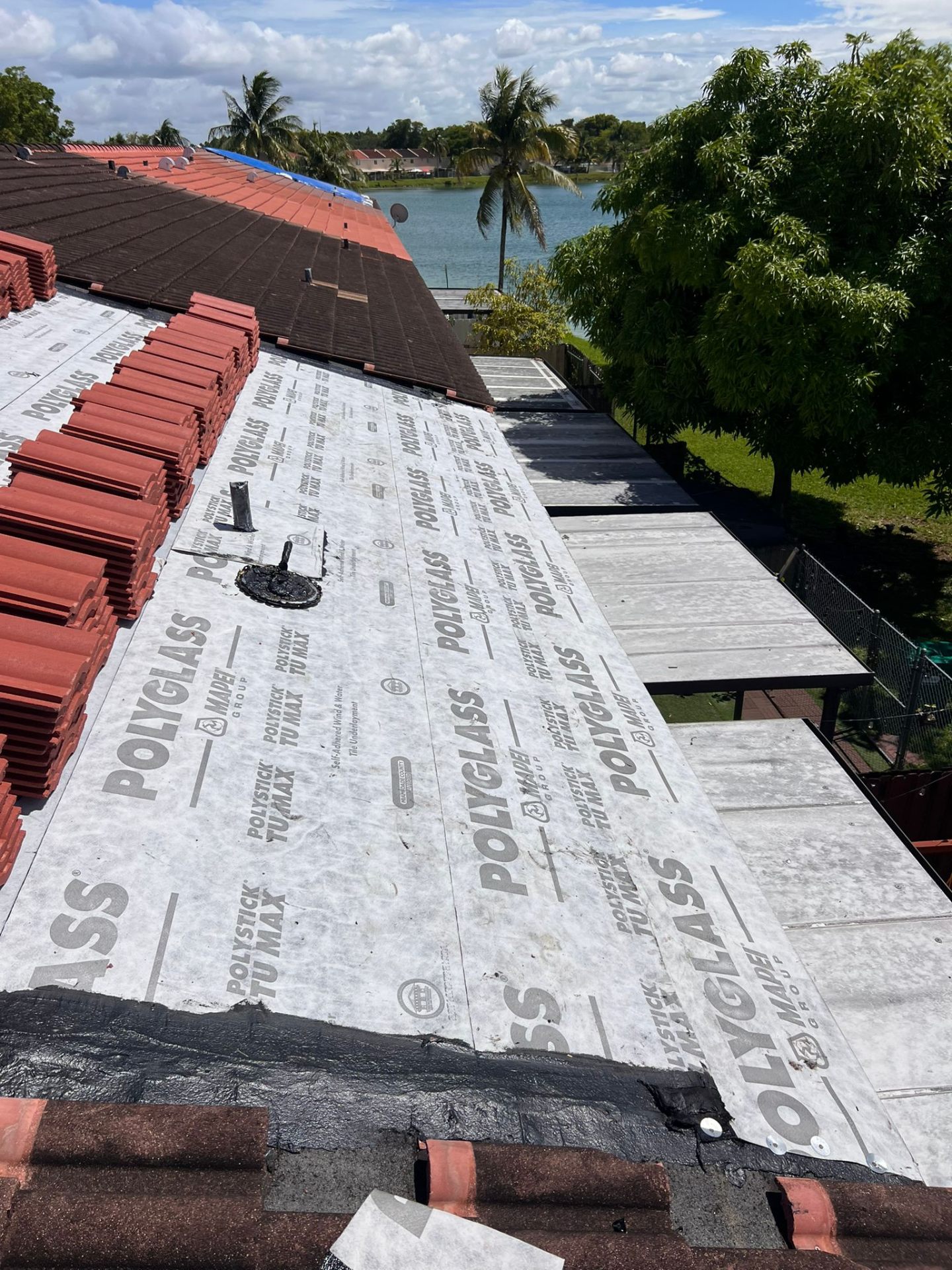
If the roof deck is soft, rotted, or waterlogged, those damaged plywood sheets must be cut out and replaced with clean, structurally sound material. Once the deck is solid, a high-quality water barrier is installed. In North Miami, we utilize self-adhering, modified bitumen underlayments (often referred to as peel-and-stick barriers) that seal tightly around nails and provide a secondary layer of protection against wind-driven rain.
Step 3: Reinstalling the Outer Material and Sealing
With the barrier secure, the final step involves blending in the primary roofing material, whether it is clay tile, concrete tile, metal, or dimensional shingles. We ensure all replacement pieces are properly fastened to meet strict wind-uplift codes. Finally, we apply high-grade, UV-resistant sealants around flashing, valley joints, and pipe boots to guarantee a watertight seal that stands up to the intense Florida climate.
Comparing Common Roofing Materials in North Miami
Different roofing materials offer varying levels of durability, cost-effectiveness, and storm resistance. Understanding how these materials compare can help you make informed decisions when planning a repair or considering a complete roof installation.
| Material Type | Typical Lifespan (South Florida) | Wind Resistance Rating | Primary Maintenance Needs |
|---|---|---|---|
| Asphalt Shingles | 15 - 20 Years | Up to 110-130 MPH | Algae treatment, replacing lost granules, checking for wind uplift |
| Concrete/Clay Tiles | 30 - 50+ Years | Up to 150+ MPH | Replacing cracked tiles, periodic underlayment replacement (approx. every 20 years) |
| Metal Roofing | 40 - 70 Years | Up to 160+ MPH | Checking fastener seals, inspecting paint finishes, monitoring panel seams |
How Local Codes and Wind Mitigation Impact Your Roof
Understanding the High-Velocity Hurricane Zone (HVHZ) Rules
Miami-Dade County operates under some of the strictest building codes in the world due to our geographic location. North Miami falls within the High-Velocity Hurricane Zone (HVHZ). This means that any roof repair, modification, or replacement must comply with strict product approval guidelines. Materials used must be rated to withstand extreme wind pressures, and fasteners must be spaced according to precise engineering standards to prevent wind uplift during major storms.
The Importance of Wind Mitigation Inspections
When you have a licensed professional repair or upgrade your roof, you should request a wind mitigation inspection. This inspection documents how well your roof is secured to your home's structure. It verifies the presence of specific safety features, such as ring-shank nails, metal hurricane straps, and secondary water barriers. Presenting a passed wind mitigation report to your homeowner's insurance provider can often lead to significant reductions in your annual premiums.
Navigating the "25 Percent Rule" for Repairs
Florida building codes dictate that if more than 25 percent of a roof section is damaged or repaired within a 12-month period, the entire roof must be brought up to the latest building code standards. This often means a full replacement is legally required rather than a patch. Working with a knowledgeable local specialist like PSR Roofing Company of Miami ensures that your repairs are evaluated accurately, keeping you compliant with local building department regulations.
Selecting the Right Local Specialist for Your Home
Verifying Licenses and Local Credentials
Never hire an unlicensed contractor or a traveling storm-chaser to work on your roof. Always verify that your chosen provider holds an active state-certified roofing contractor license. This ensures they carry the necessary general liability and workers' compensation insurance, protecting you from financial liability if an accident occurs on your property. You can easily check active licenses on the Florida Department of Business and Professional Regulation (DBPR) portal.
The Value of Local Physical Presence
A contractor with a local office in the North Miami area is invested in the community. They understand the specific soil conditions, coastal wind patterns, and local permitting processes of the municipality. Furthermore, a local business will be there to honor their workmanship warranties years down the road, providing peace of mind that a national chain or an out-of-state operator simply cannot match.
Red Flags to Avoid During the Estimation Process
Be cautious of any contractor who pressures you to sign a contract immediately, demands large upfront cash deposits before materials are delivered, or suggests navigating the repair without pulling the required municipal permits. A reliable professional will provide a detailed, written estimate outlining the scope of work, material specifications, waste disposal arrangements, and projected timelines.
Frequently Asked Questions
How do I know if my roof leak can be repaired or if I need a full replacement?
Generally, if your roof is relatively new and the damage is confined to a small, isolated area (such as a few broken tiles or a damaged valley), a targeted repair is highly effective. However, if your roof is approaching the end of its expected lifespan, has active leaks in multiple areas, or has suffered structural deck rotting, a full replacement is usually the safer and more cost-effective long-term option.
Can I perform a minor roof repair myself to save money?
We strongly advise against DIY roofing work in South Florida. Working at heights on pitched surfaces carries significant safety risks. Furthermore, improper application of sealants or incorrect fastening of materials can easily void your manufacturer's warranty, violate local building codes, and lead to more severe structural water damage during our frequent heavy downpours.
How long does a typical residential roof repair take to complete?
Most minor to moderate repairs, such as fixing a localized leak, replacing a damaged vent boot, or securing loose tiles, can be completed in a single day. More extensive repairs involving rotten wood decking replacement or valley rebuilding may take two to three days, depending on weather conditions and material availability.
What should I do if my roof starts leaking in the middle of a major storm?
If an active leak occurs during a storm, do not attempt to climb onto the roof to patch it. Instead, focus on minimizing interior damage. Clear the area beneath the leak, place buckets to catch dripping water, and cover valuable electronics or furniture with plastic sheeting. Take photos of the active leak and contact an expert provider for emergency roofing services as soon as the storm clears.
Protect Your North Miami Home Today
Do not wait for a minor damp spot to turn into a costly structural emergency. To keep your home dry and secure, schedule your roof inspection with PSR Roofing Company of Miami today.
Need help with Roof Repair?
PSR Roofing is Miami's licensed & insured expert for roof repair. Free estimates, honest pricing, and 24/7 emergency response.