
Roof Care
Roof Flashing Repair in North Miami: Spot and Stop Leaks
Learn how roof flashing fails in North Miami's sun and storms, the warning signs to watch, and when to call PSR Roofing. Book a flashing inspection today.
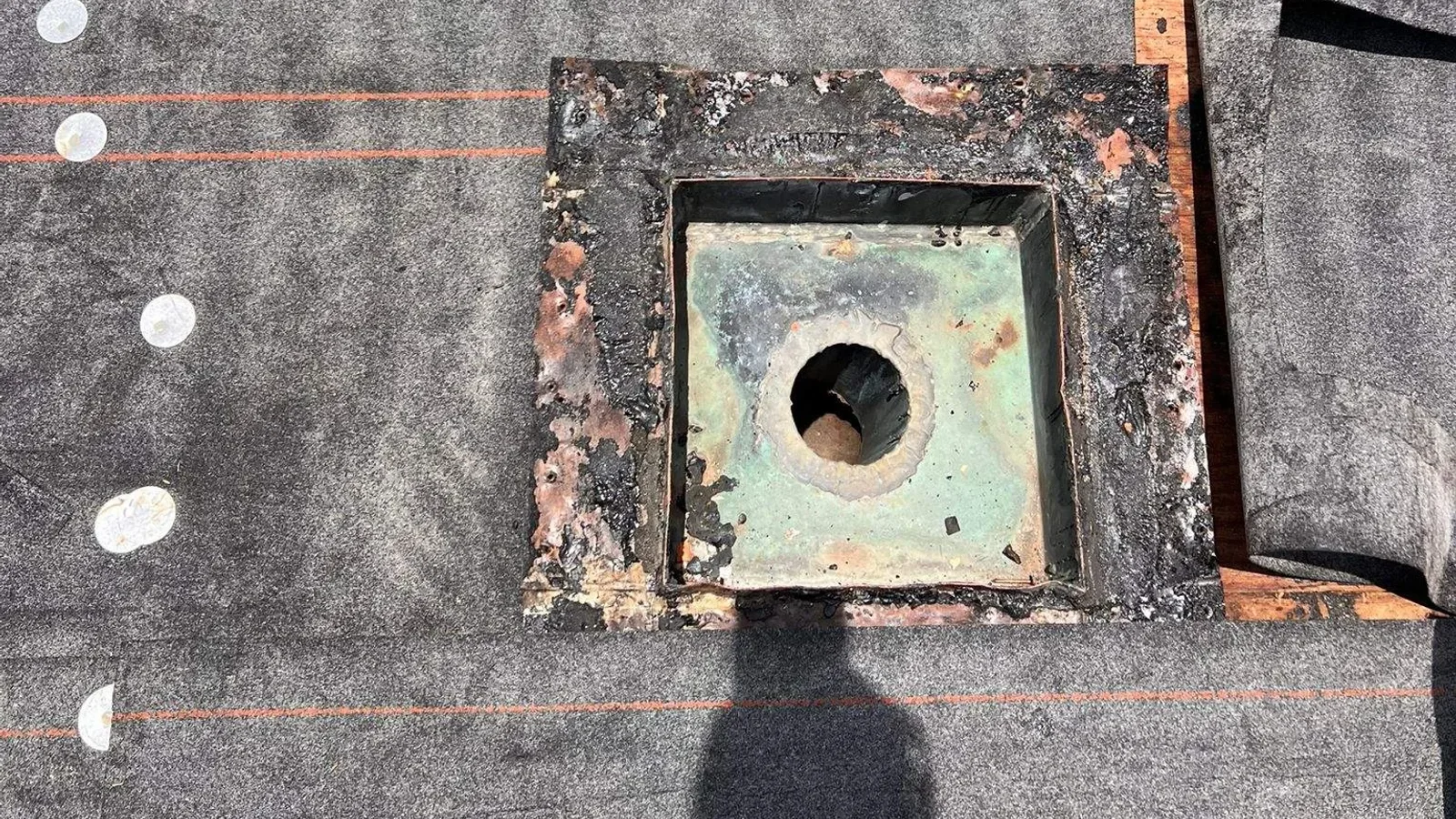
Roof Flashing Repair for North Miami Homes: Catch Leaks Before Storm Season Does
Most roof leaks in North Miami don't start in the middle of the roof. They start at the edges and seams, where metal flashing meets a wall, a vent, or a chimney. Roof flashing repair is often the quiet fix that stops a stain on your ceiling from turning into rotted decking. This guide shows you where flashing fails, what the warning signs look like, and how to keep water out before the next storm.
The short version: leaks love transitions
Picture a summer afternoon storm rolling in off Biscayne Bay. Rain sheets across your roof at an angle, and wind pushes it sideways and even upward. The field of shingles or tile usually handles that fine. The weak points are the places where the roof changes direction or something pokes through it.
That's what flashing is for. It's thin metal (often aluminum, galvanized steel, or copper) shaped to guide water away from joints. When it's bent, loose, corroded, or sealed with cracked caulk, water finds the gap. It always does.
Where flashing lives on your roof
Flashing shows up in more places than most homeowners realize. On a typical North Miami house, you'll find it in these spots:
- Wall or step flashing where a sloped roof meets a vertical wall, such as a second story or a parapet.
- Valley flashing in the channel where two roof slopes meet and funnel water together.
- Pipe boots and vent flashing around plumbing stacks, exhaust vents, and attic fans.
- Drip edge along the eaves and rakes, steering runoff into gutters instead of behind the fascia.
- Counter flashing embedded in or fastened to masonry, overlapping the base flashing below it.
- Skylight and curb flashing around skylights, AC stands, and other rooftop equipment.
Why North Miami roofs work harder
South Florida puts flashing through a tough routine. Intense UV bakes sealants until they shrink and split. Salt air from the coast speeds up corrosion on lower-grade metals. Daily heat followed by afternoon rain makes metal expand and contract over and over, which can loosen fasteners. Then hurricane season adds wind uplift that can peel a weakened edge right back.
None of this means your flashing is doomed. It means it deserves regular attention.
Signs your flashing is failing
Flashing problems rarely announce themselves from the curb. You usually see the symptoms inside first, or you spot small clues if you know where to look. Here's what we tell North Miami homeowners to watch for.
Clues inside the house
Check ceilings and upper walls near exterior walls, chimneys, and bathrooms (where vent pipes usually run). Brown rings, bubbling paint, or soft drywall are classic signs. In the attic, look for darkened wood around vent pipes, damp insulation, or daylight peeking through near a roof penetration. A musty smell after rain is worth investigating too.
Timing matters. A stain that grows only after wind-driven rain often points to a flashing gap rather than a worn-out roof surface.
Clues you can spot from the ground
You don't need to climb anything to do a useful first check. Grab binoculars and walk around the house. Look for:
- Metal strips that look lifted, bent, or wavy along walls and edges.
- Rust streaks or white chalky residue on flashing or the wall below it.
- Missing or cracked sealant around vents and pipes.
- Gaps where counter flashing has pulled away from stucco or block.
- Stains or algae trails on exterior walls just below a roof-to-wall joint.
- Granules or debris piling up in valleys, which can trap water against the metal.
Keep your feet on the ground for this. If something looks off, leave the roof work to a professional crew with proper fall protection.
Problems that look like flashing but aren't
Not every leak near a wall is a flashing failure. Clogged gutters can overflow behind the fascia. Cracked stucco can let water wick in. A failing AC condensate line can drip onto a ceiling. That's why a proper inspection beats guessing. Fixing the wrong thing costs you time and leaves the real leak active.
What roof flashing repair actually involves
Here's a contrarian take: caulk is not a repair. It's a bandage. Sealant has a role in flashing work, but a bead of caulk smeared over a lifted or rusted piece of metal usually buys a season at best. Real repair addresses why the metal failed.
Resealing versus replacing
When flashing is sound but the sealant has dried out, resealing with a roofing-grade sealant rated for UV exposure can be the right call. When the metal itself is corroded, cracked, bent out of shape, or was never lapped correctly, it needs to come out. Replacement often means lifting surrounding shingles or tiles, installing new metal with proper overlaps, fastening it correctly, and then restoring the roofing around it.
The goal is simple. Water should shed by gravity and overlap, not rely on goop alone.
How a repair visit usually goes
At PSR Roofing Company of Miami, a flashing repair typically follows a clear sequence:
- Inspect and trace. We follow the leak path from the interior stain back to the likely entry point on the roof.
- Document. We photograph the damage so you can see what we see.
- Explain options. You hear whether resealing, partial replacement, or a larger fix makes sense, and why.
- Repair. We remove damaged material, check the decking underneath for rot, install new flashing and underlayment where needed, and restore the roof covering.
- Check the work. We review the finished area and clean up debris.
Many small flashing jobs wrap up in a single visit. Larger ones, especially involving tile roofs or rotted decking, can take longer.
Tile, shingle, and flat roofs need different handling
North Miami has a mix of roof types, and flashing work changes with each. The table below compares how they typically differ.
| Roof type | Common flashing trouble spots | What repair usually involves |
|---|---|---|
| Concrete or clay tile | Roof-to-wall joints, valleys, pipe penetrations under tile | Carefully lifting and resetting tiles, replacing metal and underlayment beneath them |
| Asphalt shingle | Step flashing at walls, vent boots, drip edge | Lifting shingles, replacing step flashing piece by piece, new pipe boots |
| Flat or low-slope | Parapet walls, AC curbs, drains and scuppers | Replacing edge metal and curb flashing, sealing membrane transitions |
| Metal | Ridge, wall transitions, fastener points near penetrations | Replacing trim pieces and closures, addressing fastener and sealant issues |
Tile deserves special care. Tiles break easily if a crew walks on them wrong, and much of the waterproofing on a tile roof sits in the underlayment below.
How to prevent roof leaks year-round in Miami
Prevention is mostly about consistency. A roof that gets looked at regularly rarely surprises anyone.
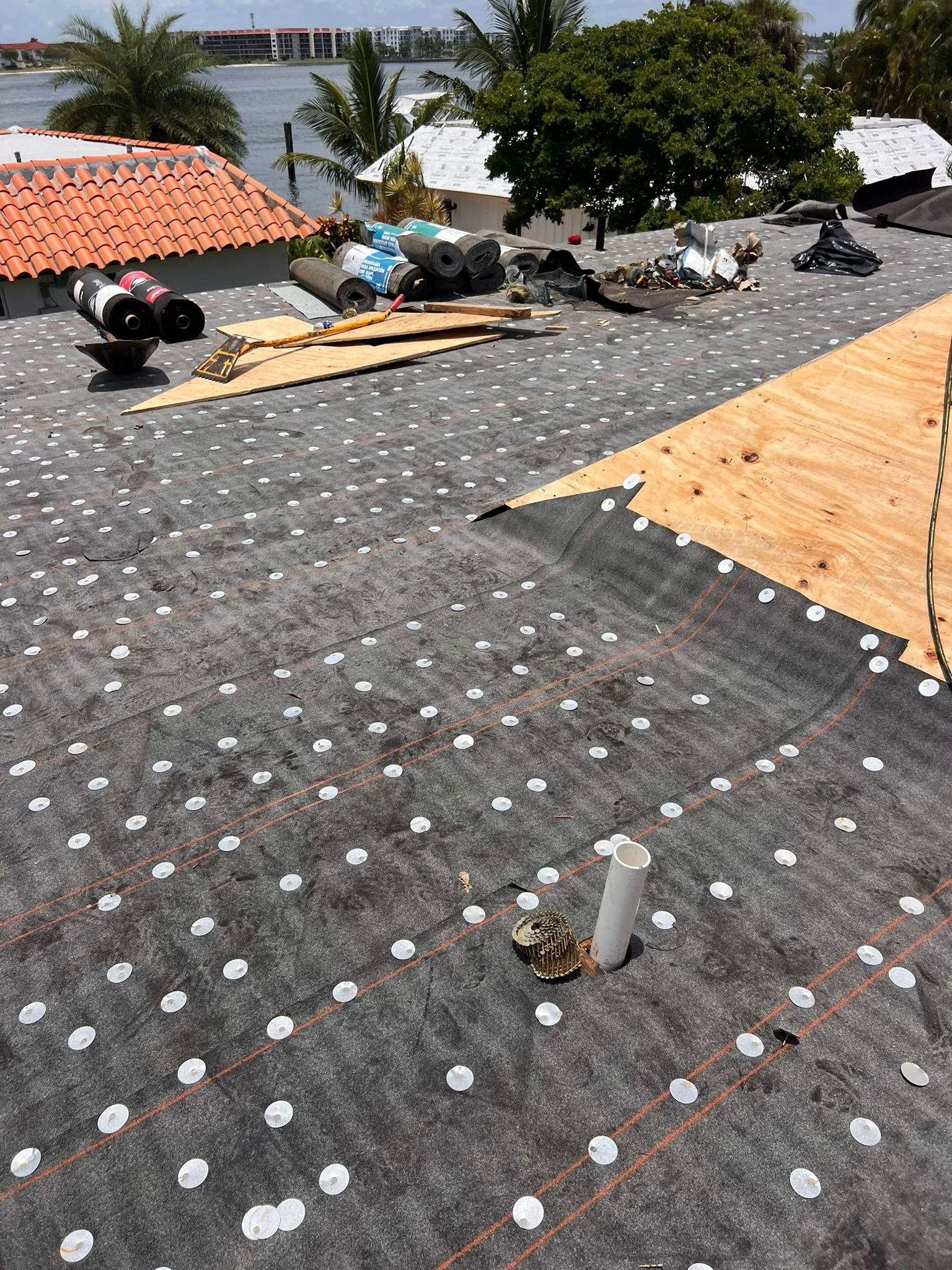
Light maintenance you can safely handle
Some tasks are well within a homeowner's reach, and none of them require going on the roof:
- Keep gutters and downspouts clear so water doesn't back up under the drip edge. Use a sturdy ladder only if you're comfortable, or have a pro do it.
- Trim tree branches back from the roofline so they can't scrape flashing or drop debris into valleys.
- Walk your attic after heavy rain with a flashlight and look for fresh moisture.
- Note any new ceiling stains and date them, so you can tell whether they're growing.
If your gutters keep overflowing, the system may be undersized or poorly pitched. Properly sized gutters take real pressure off your edge flashing.
Inspection timing that makes sense here
We generally recommend a professional check at least once a year, ideally before hurricane season gets going. It's also smart to schedule one after any major storm, after nearby construction or tree work, and before you buy or sell a home. A professional roof inspection looks closely at every penetration and transition, which is exactly where flashing problems hide.
Small fixes keep small problems small
A loose piece of flashing is a modest repair. The same piece left alone through a rainy season can mean soaked insulation, rotted plywood, and interior damage. Catching it early keeps the scope narrow. That's the whole point of routine flashing maintenance.
Is it repair time or replacement time?
Sometimes flashing trouble is a symptom of a roof near the end of its life. Other times, a roof with plenty of years left just has one bad joint. Telling the difference saves you from overspending or underspending.
When a targeted repair is enough
Repair usually makes sense when the leak is isolated to one or two spots, the roof covering is otherwise in decent shape, and the decking underneath is solid. Many North Miami homes fall into this category. A focused fix around a vent or wall joint can keep the roof performing well.
When it's worth talking about a new roof
Replacement deserves a conversation when leaks show up at multiple flashing points, the underlayment is brittle across large areas, tiles or shingles are widely cracked or curling, or repeated repairs keep failing. If several transitions are failing at once, patching each one may not be the best use of your money. A good contractor lays out both paths honestly and lets you decide.
A note on permits and codes
Roofing work in Miami-Dade County can involve permit and code requirements, particularly for larger repairs and replacements. Requirements vary by scope and location, so check with your local building department or ask your licensed contractor what applies to your project.
What to expect from a roofing contractor in North Miami
Hiring someone to work on your roof is a trust decision. You can't easily inspect their work yourself, so the process matters as much as the result.
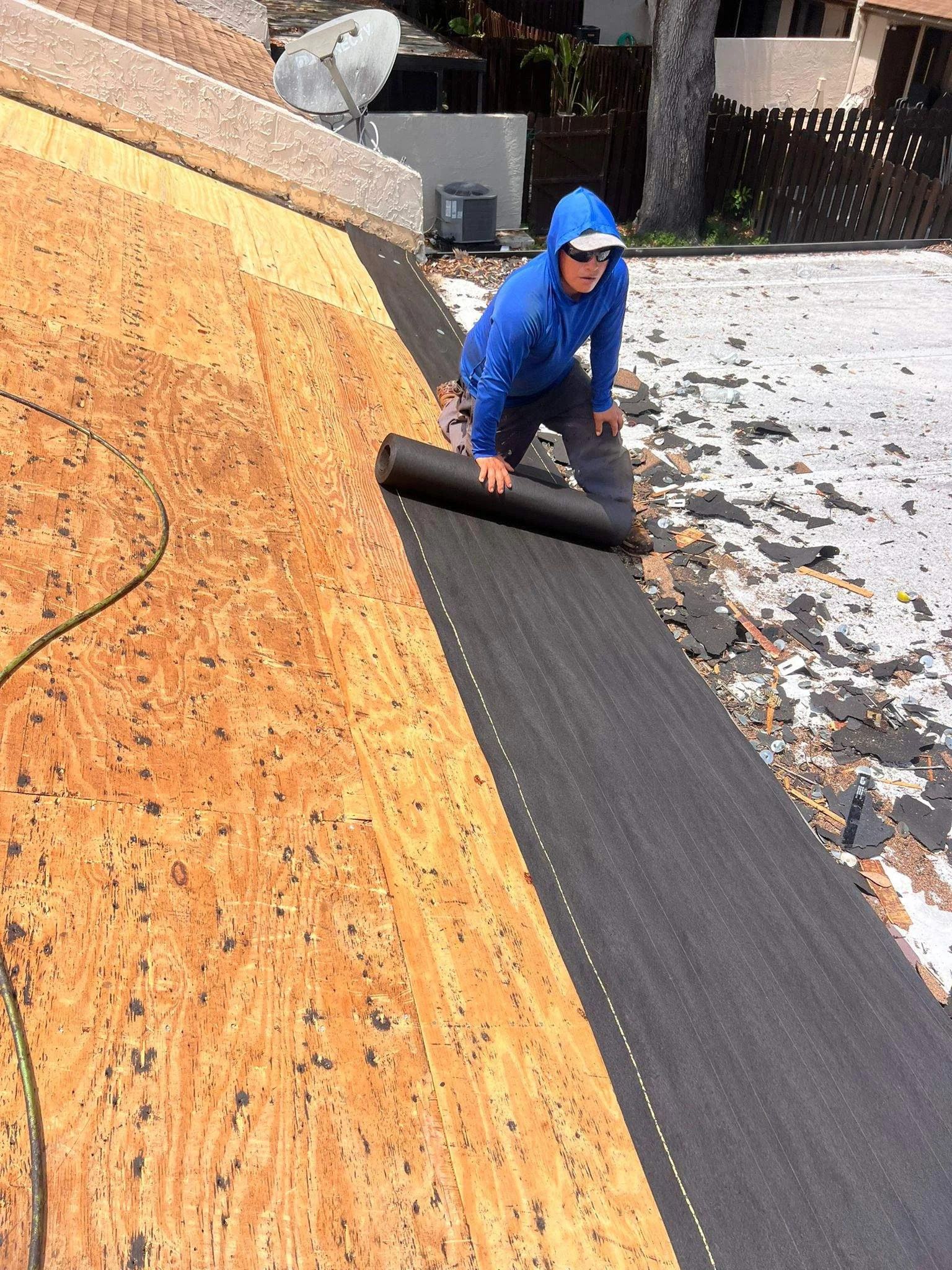
Questions worth asking before you hire
Ask any roofing contractor these before work starts:
- Are you licensed and insured for roofing work in Florida?
- Will you show me photos of the damage before and after the repair?
- Are you replacing the flashing metal or only resealing it, and why?
- Will you check the decking underneath while the area is open?
- What happens if you find more damage once the roof is opened up?
Clear answers are a good sign. Vague ones aren't.
How we approach flashing work
At PSR Roofing Company of Miami, we keep it straightforward. We trace the leak, show you what we found, and explain the options in plain language. Our roof repair services in North Miami cover flashing, vents, valleys, and the other transitions where leaks usually start. When something can't wait, our team also handles emergency roofing calls after storms.
Comparing quotes fairly
Two quotes for the same leak can look very different. Before comparing, make sure both describe the same scope: resealing versus replacing metal, whether underlayment is included, and how surrounding roofing will be restored. The lower number isn't always the cheaper job if it skips the actual cause.
Frequently asked questions
How long does flashing last on a Florida roof?
It depends on the metal, the installation quality, and exposure to salt air and sun. Sealants usually wear out well before quality metal does, so regular checks matter more than any single number.
Can I repair roof flashing myself?
We don't recommend it. Flashing work means working at height and lifting roofing materials, and mistakes can create new leaks. Call a licensed professional.
Will homeowners insurance cover a flashing leak?
Coverage varies by policy and by cause, such as sudden storm damage versus gradual wear. Check with your insurer, and keep photos from any inspection.
How quickly should I address a suspected flashing leak?
As soon as you can. Water damage spreads quietly into insulation and decking, so early repair usually keeps the job smaller.
Does a new roof come with new flashing?
It should. Reusing old, worn flashing on a new roof can undercut the whole installation, so ask your contractor directly.
Do you serve areas outside North Miami?
Yes. PSR Roofing works in North Miami, Aventura, and nearby communities.