Evaluating Roof Quotes: The Local Guide to North Miami Roofing Contractor Selection and Service Standards
Investing in a new roof or a major repair is one of the most significant decisions you will make for your property. In South Florida, where intense sunshine, heavy seasonal rains, and tropical storms put building materials to the ultimate test, choosing the right professional is critical. When you request a roof estimate in North Miami, you will likely receive proposals that vary widely in scope, materials, and pricing. Understanding how to analyze these documents ensures you receive a high-quality installation that complies with strict local building codes.
The Myth of the Lowest Bid: Why Cheap Quotes Often Cost More
It is natural to look at the bottom line first when comparing proposals from different companies. However, selecting a roofing professional solely based on the lowest price frequently leads to unexpected expenses, project delays, or premature material failure. A significantly lower bid often indicates that a provider is cutting corners on essential installation steps, using sub-par materials, or operating without adequate liability insurance.
The Hidden Cost of Sub-Standard Underlayment
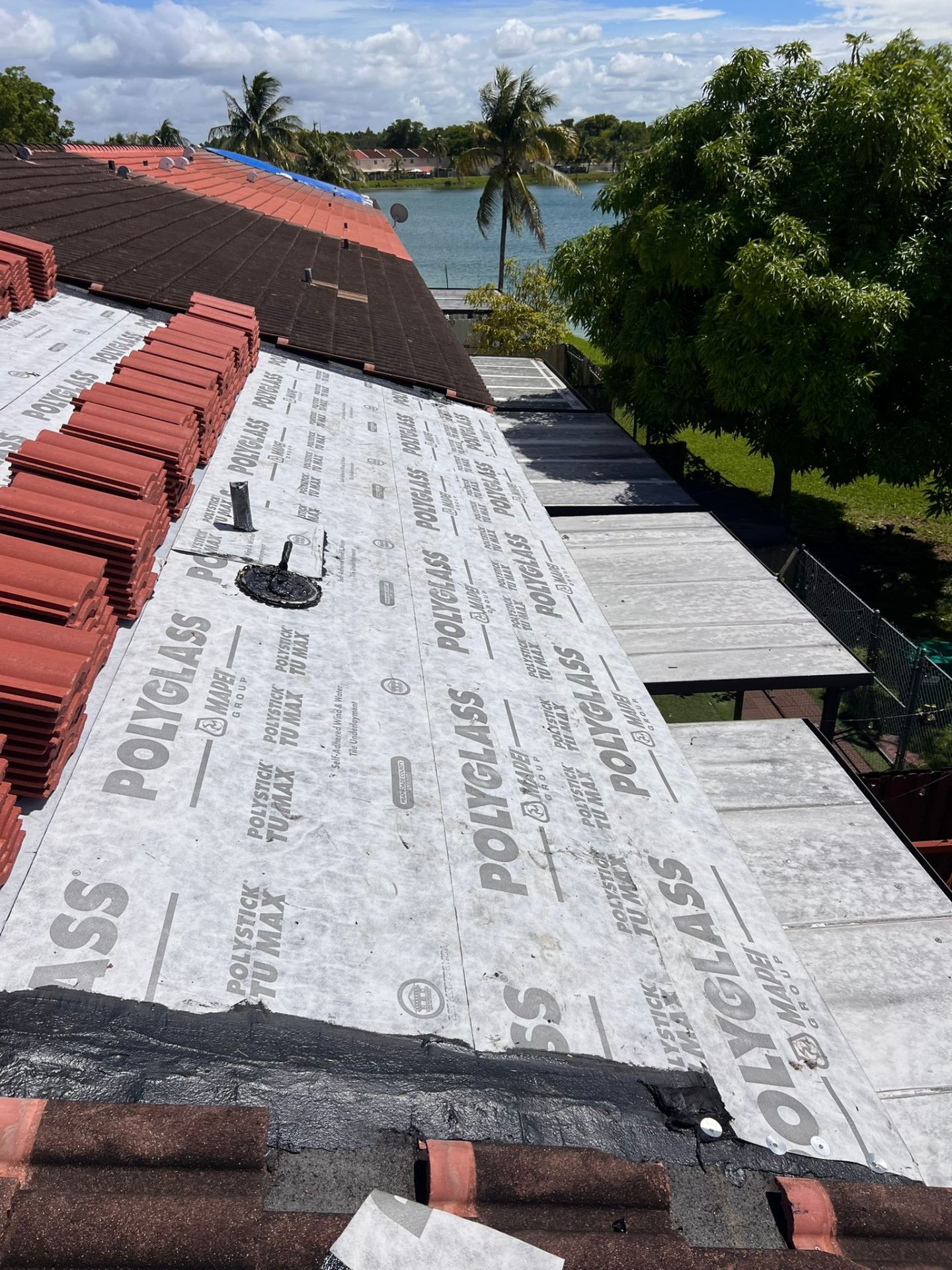
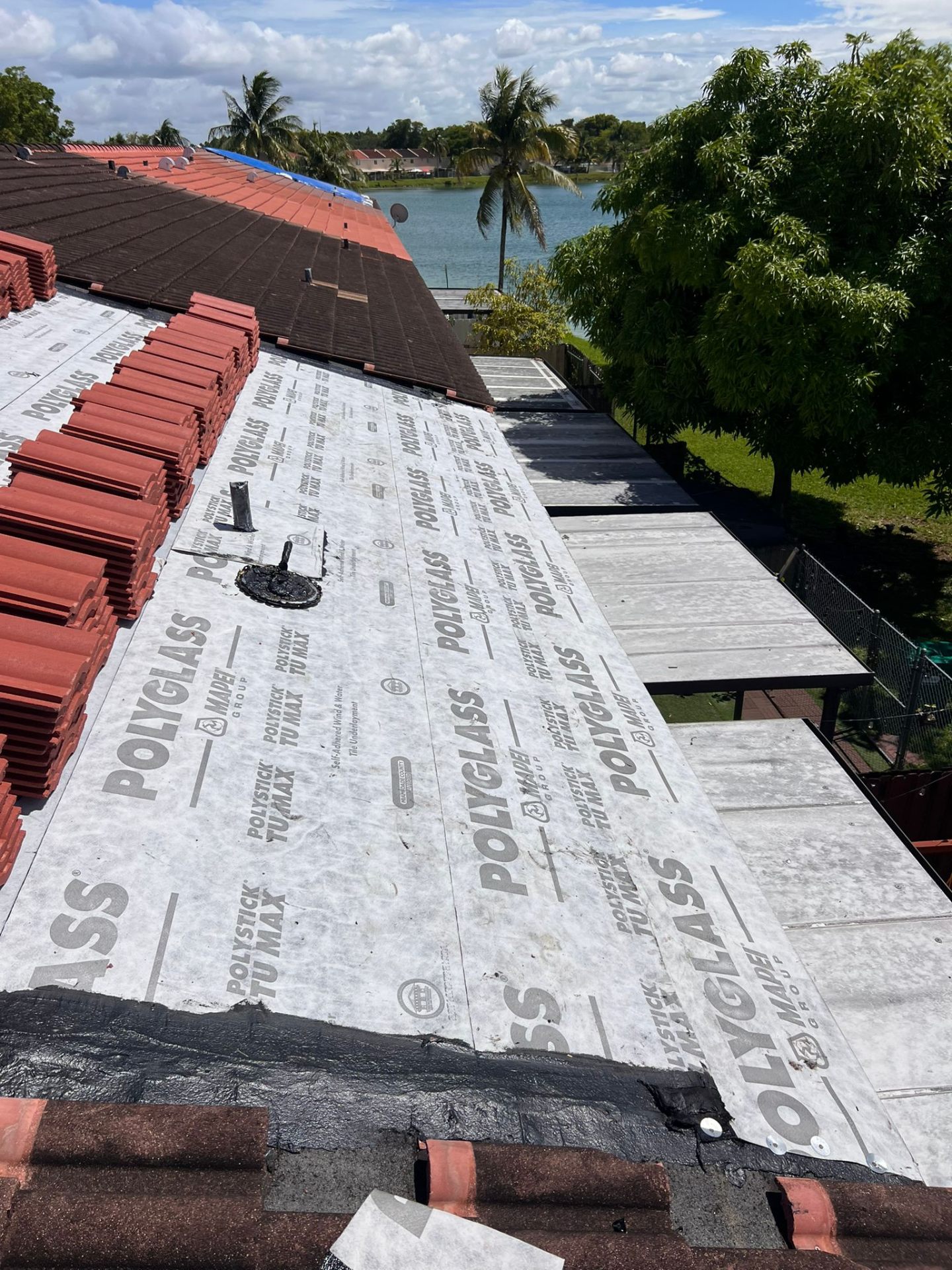
The underlayment is your secondary water barrier, sitting directly on the wood decking beneath your shingles, metal, or tile. Low bids often include thin, organic felt paper rather than modern, synthetic underlayment or self-adhering modified bitumen sheets. In North Miami, where wind-driven rain can easily force its way under primary roofing materials, a cheap underlayment will quickly degrade, leading to active leaks and structural rot long before the exterior materials wear out.
Inadequate Fastening and Hurrican-Force Wind Risks
Florida Building Code has rigid rules regarding fastening patterns. A quality roofing contractor must use specific nails, spacing, and quantities to ensure the roof stays secured during high-wind events. Cheaper estimates might save on labor and material costs by planning for fewer fasteners or using low-grade, corrosion-prone nails that will rust in our humid coastal environment, compromising the wind resistance of the entire structure.
Lack of General Liability and Workers' Compensation
One of the most common ways cut-rate operators keep their pricing low is by skipping proper insurance coverage. If a worker is injured on your property or if your home suffers interior water damage during the project, you could be held financially liable if the company does not carry active workers' compensation and general liability insurance. A reputable roofing company will always include proof of current insurance directly with their proposal.
Decoding the Line Items: What Every Professional Estimate Must Include
A professional proposal should never be a single-page document with a lump-sum price hand-written at the bottom. To protect your investment, look for a highly detailed, itemized breakdown. This transparency allows you to compare different quotes side-by-side to ensure you are receiving identical services and materials.
Every comprehensive estimate from a licensed contractor in North Miami, Florida, should clearly outline the following components:
| Estimate Component | What It Should Specify | Why It Matters in North Miami |
|---|---|---|
| Permitting & Fees | City of North Miami permit submission, processing, and engineering fees. | All major roof work requires official municipal permits and mandatory inspections. |
| Tear-Off Scope | Complete removal of existing roofing materials down to the bare wood deck. | Overlaying new materials on old ones is illegal under local codes for most residential structures. |
| Decking Repair Rate | Cost per linear foot or sheet for replacing rotted plywood or tongue-and-groove boards. | Rotted wood cannot hold nails properly and will fail during heavy winds or storms. |
| Underlayment Specs | Specific brand, type, and thickness of the secondary water barrier. | Must meet High-Velocity Hurricane Zone (HVHZ) requirements for moisture resistance. |
| Flashing & Drip Edge | Replacement of valley metal, chimney flashing, wall flashing, and perimeter drip edge. | Corrosion-resistant metal prevents water from seeping behind fascia boards and walls. |
| Cleanup & Disposal | Dumpster rental, daily debris removal, and final magnetic sweeping for nails. | Protects your lawn, driveway, pets, and vehicles from dangerous construction debris. |
Material Brands, Models, and Warranties
Verify that the quote lists the exact manufacturer of the shingles, tiles, or metal panels. In North Miami, Florida, materials must have an active Florida Product Approval number. This number proves the system has been tested to withstand regional wind requirements. The proposal should also clearly distinguish between the manufacturer’s material warranty and the contractor’s workmanship warranty, outlining what is covered under each policy.
The Crucial Plywood/Decking Replacement Clause
When a roofing company removes your old shingles or tiles, they often discover rotted wood deck panels that were hidden from view. A quality estimate will not hide this eventuality. Instead, it will feature a clear "rotted wood replacement" clause. This clause should state a flat rate per plywood sheet or linear foot of wood framing, preventing sudden, unexplained surcharges once your roof is already torn open.
Payment Schedules and Milestone Expectations
Be cautious of any contractor requesting a massive down payment before any materials are delivered or work begins. A standard, ethical payment schedule is tied directly to project milestones. This typically involves an initial deposit to secure materials and permits, a mid-point payment once the old system is torn off and underlayment is dried-in, and a final payment only after the municipal building inspector signs off on the completed project.
North Miami Building Codes and High-Velocity Hurricane Zone (HVHZ) Compliance
Building a roof in South Florida is vastly different from building a roof in other parts of the country. Miami-Dade County maintains some of the strictest building codes in the world due to the persistent threat of tropical storms and hurricanes. Any estimate you evaluate must show a clear understanding of these local regulations.
Understanding the High-Velocity Hurricane Zone (HVHZ) Standard
North Miami lies entirely within the High-Velocity Hurricane Zone. This designation requires all residential and commercial buildings to use materials and installation methods engineered to withstand winds exceeding 170 miles per hour. When reviewing a roof installation proposal, check that the contractor references HVHZ-approved materials. Using non-compliant products will result in a failed inspection, forcing you to pay for remediation or reinstallations.
Permitting, Product Approval Numbers, and Municipal Inspections
Every legitimate roofing project in the City of North Miami requires a building permit. To obtain this permit, the contractor must submit formal engineering documents, including the specific Florida Product Approval numbers for every component, from the nails and underlayment to the field tiles or shingles. Do not trust any provider who suggests doing the work without a permit or asks you, the homeowner, to pull an "owner-builder" permit, which transfers all liability to your shoulders.
The Role of Mandatory Roofing Inspections
During a typical installation, local building inspectors must visit your property at specific intervals. The most critical of these is the "tin-cap" or underlayment inspection, which occurs after the old materials are removed and the secondary water barrier is nailed down. The contractor cannot legally apply the final shingles, metal, or tiles until the city inspector approves this step. Ensure your estimate accounts for these inspection pauses and clearly states that the final payment is contingent upon passing the city's final inspection.
Crucial Questions to Ask a Contractor Before Signing
Before you commit to a roofing project and sign on the dotted line, you should have a direct conversation with the contractor. A professional local company will gladly answer these questions and provide supporting documentation without hesitation.
Are Your Subcontractors Covered Under Your Insurance?
Many roofing organizations utilize specialized subcontractors for different phases of the project, such as tear-off crews or gutter installers. You must confirm that anyone stepping onto your property is fully covered under the primary contractor's general liability and workers' compensation policies. If they use subcontractors, ask for written confirmation that these workers are fully insured.
Who Will Supervise the Jobsite on a Daily Basis?
Roofing projects can be hectic, involving heavy machinery, debris, and multiple crew members. Ask who the designated jobsite supervisor will be and how they will communicate updates or address unexpected issues. A dedicated foreman should be present to ensure safety, quality control, and adherence to the agreed-upon project scope.
How Will You Protect My Property and Landscaping?
Removing a roof creates thousands of pounds of heavy, sharp debris. Ask the contractor about their specific property protection protocols. They should detail how they plan to shield your delicate tropical landscaping, protect your pool from falling dust and nails, and safeguard your driveway from heavy dumpster damage. A professional team will use protective tarps and wooden boards beneath dumpster wheels to prevent cracking on asphalt or concrete driveways.
Red Flags to Watch Out for in North Miami Roofing Estimates
While looking for positive signs of professionalism, you must also remain vigilant against common industry red flags. Catching these early can save you from stressful disputes, legal liabilities, or structural issues later on.
Extremely High Pressure Sales Tactics
If a representative pressures you to sign a contract immediately by offering a discount that is "only valid for today," take a step back. A reputable, busy local company respects your timeline and understands that a roof is a major investment. They will give you the time necessary to review their credentials, check references, and compare estimates carefully.
Unusually Large Upfront Deposits
While a modest deposit to secure your slot on the schedule and cover initial permit filings is standard, you should never pay a significant portion of the total cost upfront. Unscrupulous operators sometimes collect massive deposits and then delay the project for months, or disappear entirely. Keep your payments tied to visible progress milestones.
Vague or Overly Broad Scope of Work
Be skeptical of proposals containing vague language like "replace roof as needed" or "install new shingles." Such phrasing leaves room for interpretation, allowing a contractor to use cheaper materials or charge extra for tasks you assumed were included. Every detail, from the specific product line to the installation of new ridge vents, must be spelled out in writing.
Frequently Asked Questions
How long is a roofing quote valid in North Miami?
Most local estimates are valid for 30 days. Material costs, particularly for metal, asphalt, and wood, can fluctuate quickly due to supply chain demands and seasonal changes. If you wait longer than a month to sign, the contractor may need to update the pricing to reflect current material costs.
Can I get a discount if I bypass the permitting process?
Absolutely not. Doing major work without a permit is illegal, violates the City of North Miami building code, and can result in severe municipal fines. Furthermore, unpermitted roof work can lead to the cancellation of your homeowner's insurance policy or make it impossible to sell your home in the future.
What is the typical timeframe for a full roof installation?
For an average-sized single-family home, a standard asphalt shingle installation takes about 3 to 5 days of active work, while tile or metal installations can take 1 to 2 weeks. However, these timelines depend heavily on passing mandatory city inspections, which can sometimes introduce brief delays between project phases.
What should I do if my roof estimate reveals rotted wood?
Expect some wood replacement, especially on homes that have gone years without a new roof. A professional proposal will outline a clear, fixed rate per sheet of plywood or linear foot of framing. Your project supervisor should take clear photos of the damaged wood once the old roof is removed so you can verify the repairs before they are covered up.
Conclusion and Next Steps
Taking the time to carefully analyze and compare quotes is the single best way to ensure a smooth, compliant, and durable roof project for your South Florida property. By prioritizing itemized transparency, verifying High-Velocity Hurricane Zone compliance, and insisting on professional service standards, you protect both your home and your financial investment.
Ready to secure your home with a precise, code-compliant evaluation from a trusted local team? Contact PSR Roofing Company of Miami today to schedule your roof inspection and receive a detailed, transparent estimate for your property.
Need help with Roof Repair?
PSR Roofing is Miami's licensed & insured expert for roof repair. Free estimates, honest pricing, and 24/7 emergency response.