
How to Choose a Roofing Contractor in North Miami for Flat Roof Ponding Water Problems
Flat roofs are everywhere in North Miami, from single-family homes to commercial buildings, and for good reason. They are cost-effective to install and easy to maintain, until ponding water enters the picture. Standing water that lingers more than 48 hours after a rainstorm is a warning sign that something is wrong, and in South Florida's climate, that problem compounds fast. Choosing the right roofing contractor to diagnose and fix it is one of the most important decisions a property owner can make.
Why Ponding Water on a Flat Roof Is a Bigger Problem Than It Looks
The Weight Factor
Water is heavy. One inch of standing water across a modest flat roof section can add thousands of pounds of unplanned load to the structure beneath it. Flat roofs in North Miami are designed with specific load tolerances, and chronic ponding pushes those tolerances in ways that can compromise roof decking, joists, and even interior ceilings over time. The damage often starts invisibly, inside the membrane or substrate, long before a leak appears indoors.
How South Florida's Climate Accelerates the Damage
North Miami averages over 60 inches of rainfall per year, with intense afternoon downpours that can drop several inches in under an hour during hurricane season. That volume of water on a flat surface with even minor drainage issues creates the ideal conditions for membrane deterioration. UV exposure bakes the standing water into the membrane, accelerating oxidation and cracking. Algae and mold follow, further breaking down the material. What starts as a drainage issue becomes a full membrane replacement if ignored long enough.
Common Causes a Qualified Contractor Should Identify
Not all ponding problems share the same root cause. A competent roofing company will look for several distinct culprits: clogged or undersized roof drains, scuppers, and gutters; improper slope built into the original installation; sagging or deflected roof decking; and membrane blistering that creates low spots where water collects. Each cause points to a different repair strategy, which is why the diagnostic step matters as much as the fix itself.
The Credentials That Actually Matter When Hiring a Roofer
Licensing and Insurance in Florida
Florida requires roofing contractors to hold a state-issued license, either a Certified Roofing Contractor license (CCC) or a Registered Roofing Contractor license, depending on the scope of work and jurisdiction. Before any conversation about repairs, ask for the license number and verify it through the Florida Department of Business and Professional Regulation (DBPR) database. Equally important is liability insurance and workers' compensation coverage. If a crew member is injured on your roof without proper coverage, the liability can fall to the property owner. Never skip this verification step.
Local Experience With Flat Roofing Systems
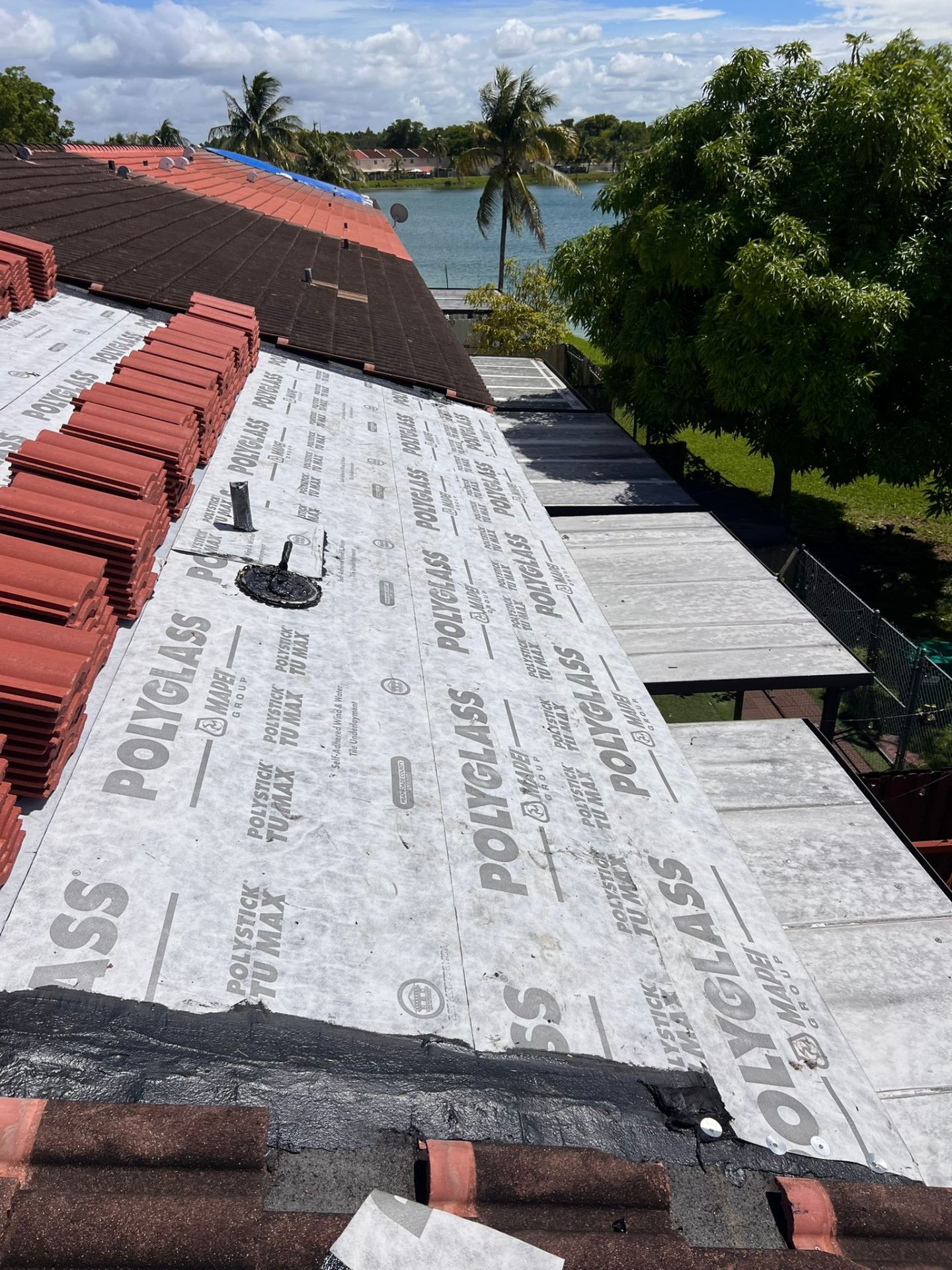
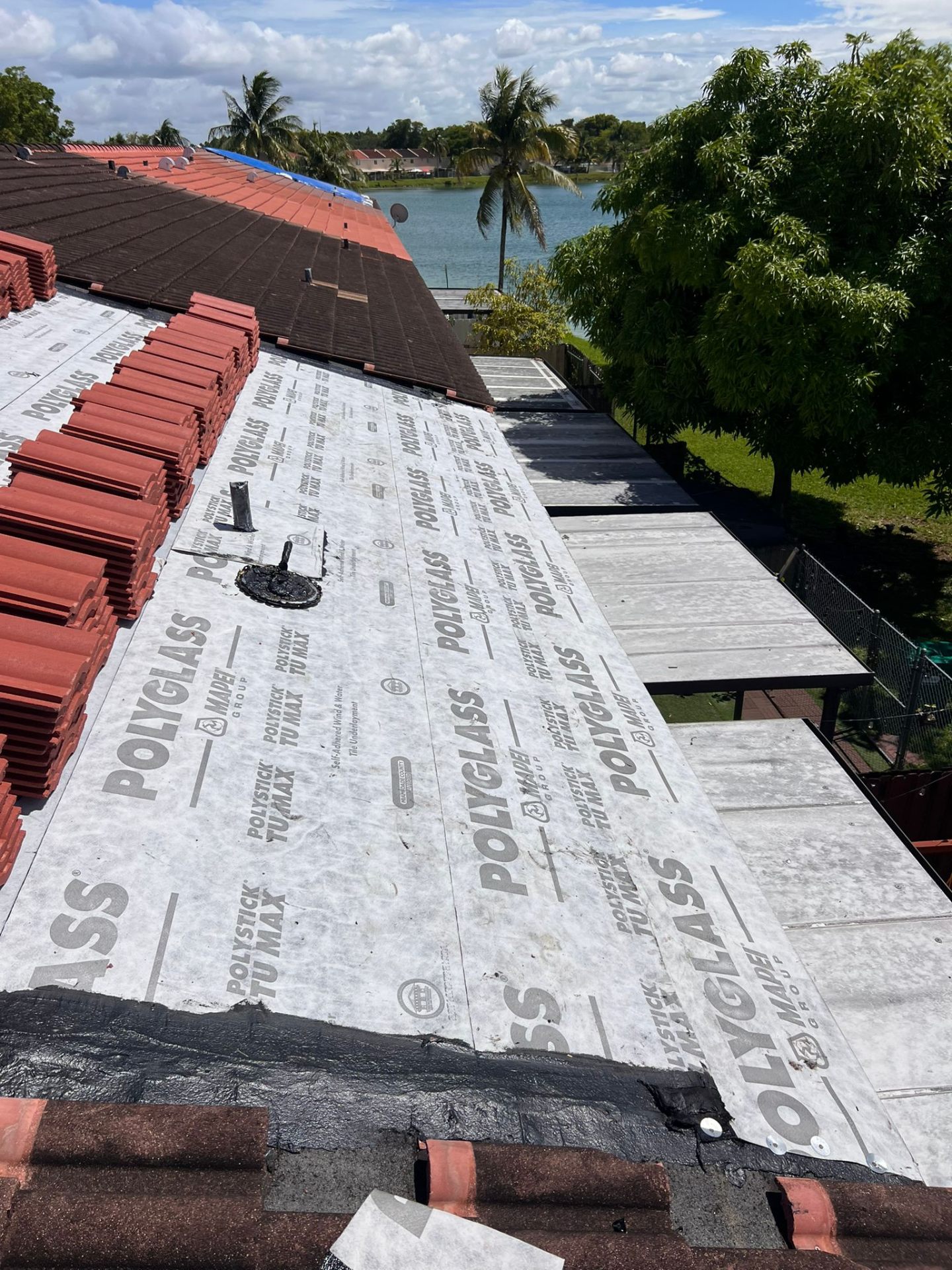
General roofing experience is not the same as flat roof experience. The two dominant flat roof systems in South Florida are modified bitumen and TPO (thermoplastic polyolefin) membranes, though built-up roofing (BUR) still appears on older commercial properties. Each system has different repair protocols, seaming techniques, and failure modes. A contractor who primarily installs shingle roofs on residential homes may not have the hands-on familiarity with torch-down modified bitumen or heat-welded TPO seams that a flat roof repair demands. Ask specifically about their flat roof project history in North Miami and surrounding areas.
Permit Pulling and Code Compliance
Any structural repair to a flat roof in Miami-Dade County typically requires a permit. Contractors who suggest skipping the permit process to save time or reduce cost are creating a future problem for you. Unpermitted work can complicate insurance claims, create issues at resale, and leave you liable if the repair fails. A legitimate roofing contractor will pull the necessary permits, schedule inspections, and provide documentation at project close. Requirements vary by scope and municipality, so confirm the specifics with your contractor and, when in doubt, check with your local building department.
Questions to Ask Before You Sign Anything
What Does Your Inspection Process Look Like?
A thorough inspection of a ponding water issue goes beyond a visual walkthrough. Ask whether the contractor uses infrared (IR) thermography or moisture meters to detect subsurface saturation in the insulation or decking. Wet insulation beneath a membrane does not always show obvious surface signs, but it dramatically affects the longevity of any repair placed on top of it. A contractor who skips subsurface diagnostics may be setting you up for a repair that fails within a season.
What Repair Options Do You Recommend, and Why?
There is rarely only one way to address ponding water. Depending on the root cause, solutions range from clearing and regrading existing drains, to installing additional scuppers or interior drains, to applying a tapered insulation system that builds positive slope into the roof assembly. More severe cases may require partial or full membrane replacement. A trustworthy contractor explains the tradeoffs between options clearly, including which approach addresses the underlying cause versus which one simply treats a symptom. If a contractor pushes one solution without explaining the reasoning, that is worth probing further.
What Does Your Warranty Cover?
Warranties on flat roof work come in two forms: the manufacturer's material warranty and the contractor's workmanship warranty. Both matter. A high-quality membrane with a 15-year manufacturer warranty means little if the contractor's workmanship warranty only covers 90 days. Ask for both warranties in writing before work begins, and clarify exactly what voids each one. Ponding water caused by a clogged drain you failed to maintain is typically excluded; ponding caused by improper slope in the contractor's installation should not be.
Red Flags That Should Slow You Down
Unusually Vague Proposals
A written proposal should specify the membrane system being used, the thickness and brand of materials, the scope of deck preparation, how existing wet insulation will be handled, and the drainage solution being implemented. Proposals that say only "flat roof repair" with a single line item give you no basis for comparison and no recourse if the work falls short. Specificity in a proposal signals that the contractor has actually assessed the job rather than guessing at a number.
Pressure to Decide Immediately
Legitimate roofing companies give you time to review a proposal, ask follow-up questions, and compare it to other quotes. A contractor who insists the price is only good today, or who pressures you to sign before you have reviewed the scope in detail, is creating urgency that benefits them, not you. Take the time you need, especially for a repair that involves structural components of your building.
No Local References or Verifiable Reviews
A roofing company that has been working in North Miami and the broader South Florida area should have a track record you can verify. Look for Google reviews that mention specific project types (flat roofs, commercial properties, drainage repairs) rather than generic praise. Check that the business address and contact information are consistent across platforms. PSR Roofing Company of Miami, for example, maintains a 4.7-star rating on Google and has a verifiable local presence in North Miami, which gives property owners a concrete starting point for due diligence.
Comparing Flat Roof Repair Approaches: A Quick Reference
| Approach | Best For | Key Consideration |
|---|---|---|
| Drain Cleaning and Regrading | Minor ponding from clogged drains | Least invasive; does not fix slope issues |
| Additional Scuppers or Drains | Undersized drainage for roof area | Requires penetrating the membrane; must be properly sealed |
| Tapered Insulation System | Roofs with insufficient slope built in | More involved installation; long-term solution for slope deficiency |
| Partial Membrane Replacement | Localized membrane failure or blistering | Must address underlying moisture before re-roofing |
| Full Roof Replacement | Widespread deterioration or aged system | Opportunity to correct slope and upgrade drainage in one project |
What the Inspection Process Should Look Like
Surface and Membrane Assessment
A proper flat roof inspection in North Miami starts at the surface. The contractor should walk the entire roof, not just the area where water is visible, documenting blisters, cracks, open seams, deteriorated flashings around HVAC curbs and parapet walls, and any areas where the membrane has separated from the substrate. Photographs taken during this step become part of your project record and are useful if an insurance claim is involved.
Drainage System Evaluation
Every drain, scupper, and gutter on the roof should be checked for blockages, proper sizing relative to the roof's square footage, and correct positioning relative to the low points of the roof. In Miami-Dade County, the building code specifies minimum drainage requirements for low-slope roofs. A contractor familiar with local code will evaluate your system against those benchmarks and flag any deficiencies in writing.
Deck and Substrate Condition
If surface moisture or visible sagging suggests the deck may be compromised, the inspection should include probing or core sampling to assess whether the insulation or decking has absorbed water. Saturated insulation must be removed and replaced before a new membrane goes down. Installing over wet substrate is one of the most common reasons a flat roof repair fails prematurely, and it is a step that cannot be skipped to save time or budget.
Why the Right Roofing Company Makes the Difference in South Florida
North Miami's combination of intense rainfall, high humidity, hurricane-force wind events, and year-round UV exposure creates conditions that are genuinely harder on flat roofs than most other climates in the country. A roofing company that understands those local stressors, and designs repairs to account for them, will deliver results that last. That means specifying materials rated for Miami-Dade's High Velocity Hurricane Zone (HVHZ) requirements, using fastening and seaming methods that meet those wind uplift standards, and understanding how thermal expansion in South Florida's heat affects membrane seams over time.
PSR Roofing Company of Miami works specifically in this market and brings that local context to every flat roof repair assessment. When you are comparing contractors, ask each one directly how they account for HVHZ requirements in their material specs. The answer will tell you a great deal about their level of expertise.
If your property has already shown signs of interior water intrusion, do not wait for the next rainstorm to confirm the damage is worsening. A professional roof inspection can identify exactly where the system is failing and give you a documented scope of work before the problem escalates further.
Frequently Asked Questions
How long can water safely pond on a flat roof before it causes damage?
The general industry standard is 48 hours. Water that remains standing longer than two days after rainfall indicates a drainage problem that needs professional evaluation. In South Florida's climate, where rain can follow rain within days, that window matters even more.
Can I repair flat roof ponding myself?
Clearing a clogged drain or scupper is a safe maintenance task most property owners can handle. However, diagnosing slope deficiencies, replacing membrane sections, or adding new drainage penetrations involves structural and waterproofing work that requires a licensed contractor. Incorrect repairs can void material warranties and create new leak paths.
Does homeowners insurance cover ponding water damage?
Coverage depends on your specific policy and the cause of damage. Sudden storm-related damage is more commonly covered than gradual deterioration from long-standing drainage issues. Document the condition with photos, contact your insurer promptly, and have a licensed contractor provide a written assessment. Requirements vary by policy, so review your coverage carefully.
How do I verify a Florida roofing contractor's license?
Visit the Florida Department of Business and Professional Regulation (DBPR) website and use the license verification tool. Search by the contractor's name or license number. You can confirm the license type, current status, and any disciplinary history. This takes under two minutes and is worth doing before any contract is signed.
What is the difference between a modified bitumen roof and a TPO roof?
Modified bitumen is an asphalt-based system typically installed in layers using torch-down or cold-adhesive methods. TPO is a single-ply thermoplastic membrane heat-welded at the seams. Both are common in South Florida. The right choice depends on the existing system, the building's use, slope, and budget. A qualified contractor will recommend the appropriate system after inspecting your specific roof.
How often should a flat roof in North Miami be inspected?
Twice a year is a reasonable baseline, typically before and after hurricane season. After any major storm event, an additional check is worth scheduling. Routine inspections catch minor issues, like a cracked flashing or a partially blocked drain, before they develop into costly structural problems.
Conclusion
Ponding water on a flat roof is not a cosmetic issue. It is a structural and waterproofing problem that worsens with every South Florida rainstorm, and the contractor you choose to address it will determine whether the fix lasts a season or a decade. Verify credentials, ask specific questions about the diagnostic process, demand a detailed written proposal, and choose a roofing company with genuine local experience in North Miami. When you are ready to get a professional set of eyes on your roof, schedule your flat roof inspection with PSR Roofing Company of Miami today and get a clear picture of what your roof actually needs.
Need help with Roof Repair?
PSR Roofing is Miami's licensed & insured expert for roof repair. Free estimates, honest pricing, and 24/7 emergency response.