Roof Repair in Miami: What It Really Costs, What Insurance Covers, and When to Stop Patching
Most homeowners do not research roofing until water is already on the ceiling. At that point the questions come fast: How much is this going to cost? Will insurance pay for it? Can this be patched, or am I about to buy a whole new roof? This guide answers the questions Miami homeowners ask most often before they call a contractor, using real cost ranges, Florida code realities, and the practical logic a licensed roofer uses when deciding between a targeted roof repair and a full replacement.
How Much Does Roof Repair Cost in Miami?
Pricing is the first question in almost every call we take, and the honest answer is that repair cost tracks the type of failure far more than the size of your house. A single lifted shingle and a rotted valley on the same roof can differ by a factor of twenty.
Typical Repair Cost Ranges by Problem
| Problem | Typical Repair Range | What Drives the Price |
|---|---|---|
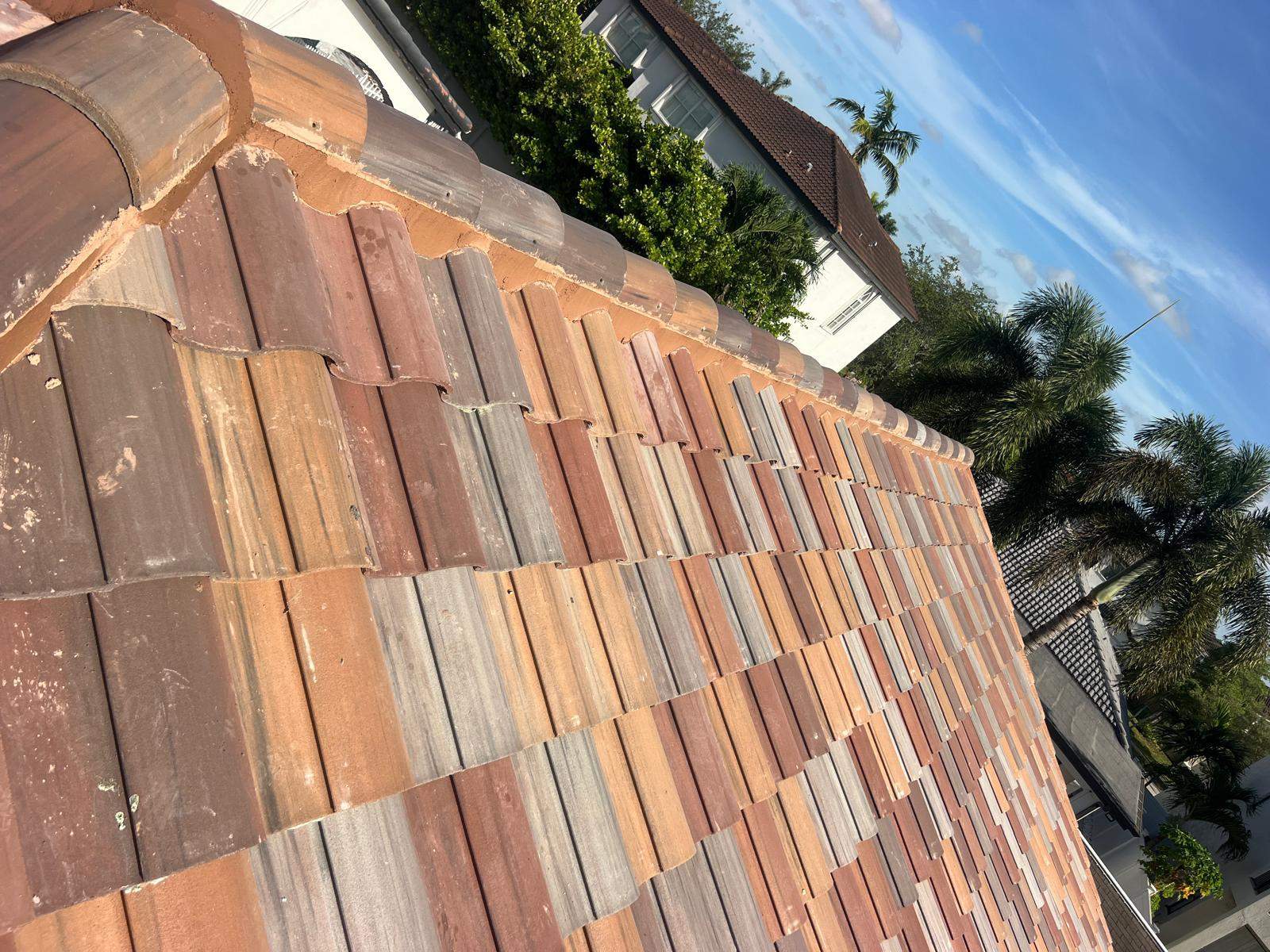
| A few cracked or slipped tiles | $300 – $900 | Tile availability and matching, roof access |
| Damaged or lifted shingles | $350 – $1,200 | Number of courses affected, pitch |
| Cracked or corroded flashing | $400 – $1,100 | Length of flashing run, metal type |
| Failed pipe boots and vent seals | $250 – $700 | Number of penetrations |
| Valley rebuild | $900 – $2,800 | Underlayment removal and metal replacement |
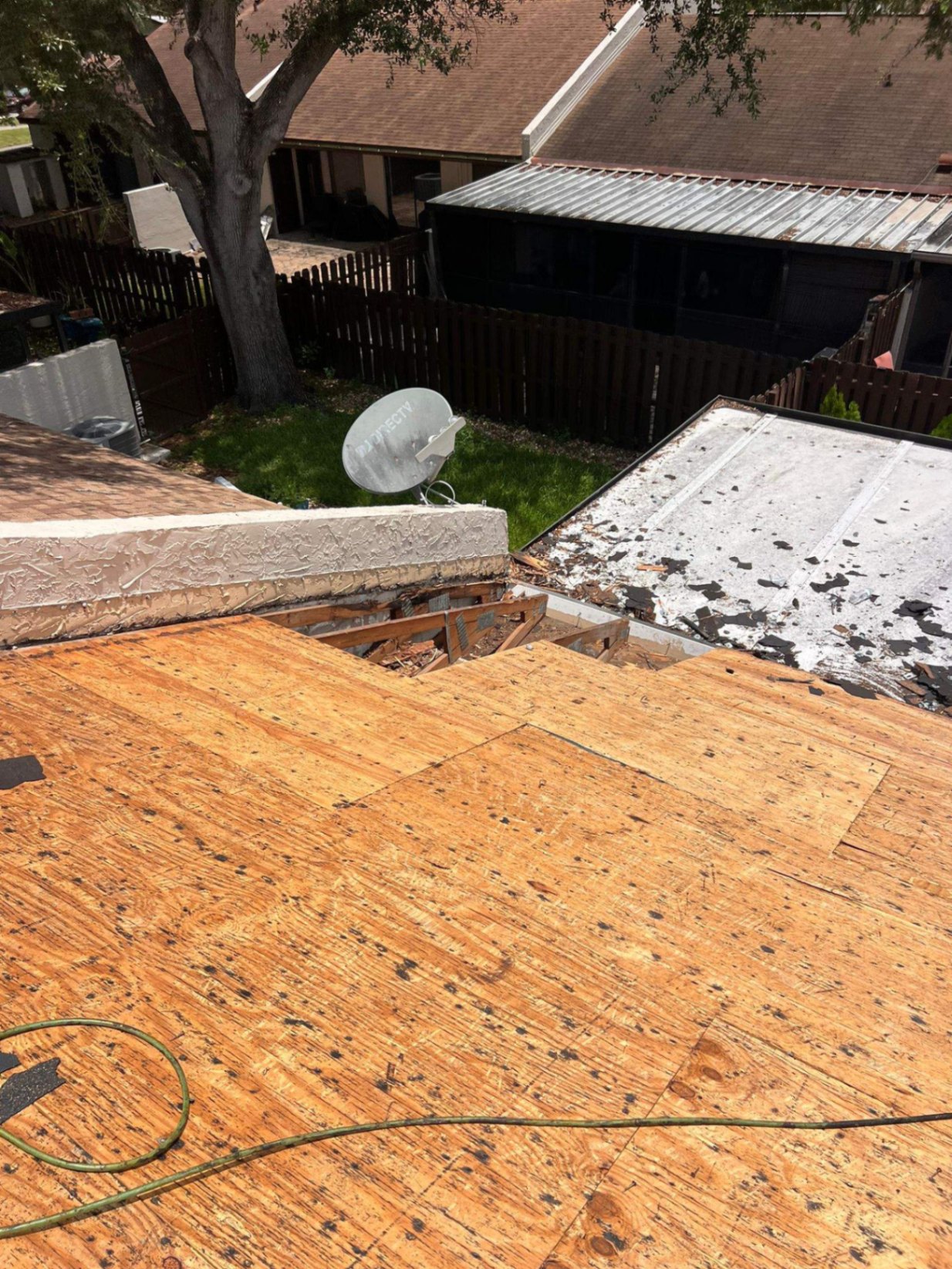
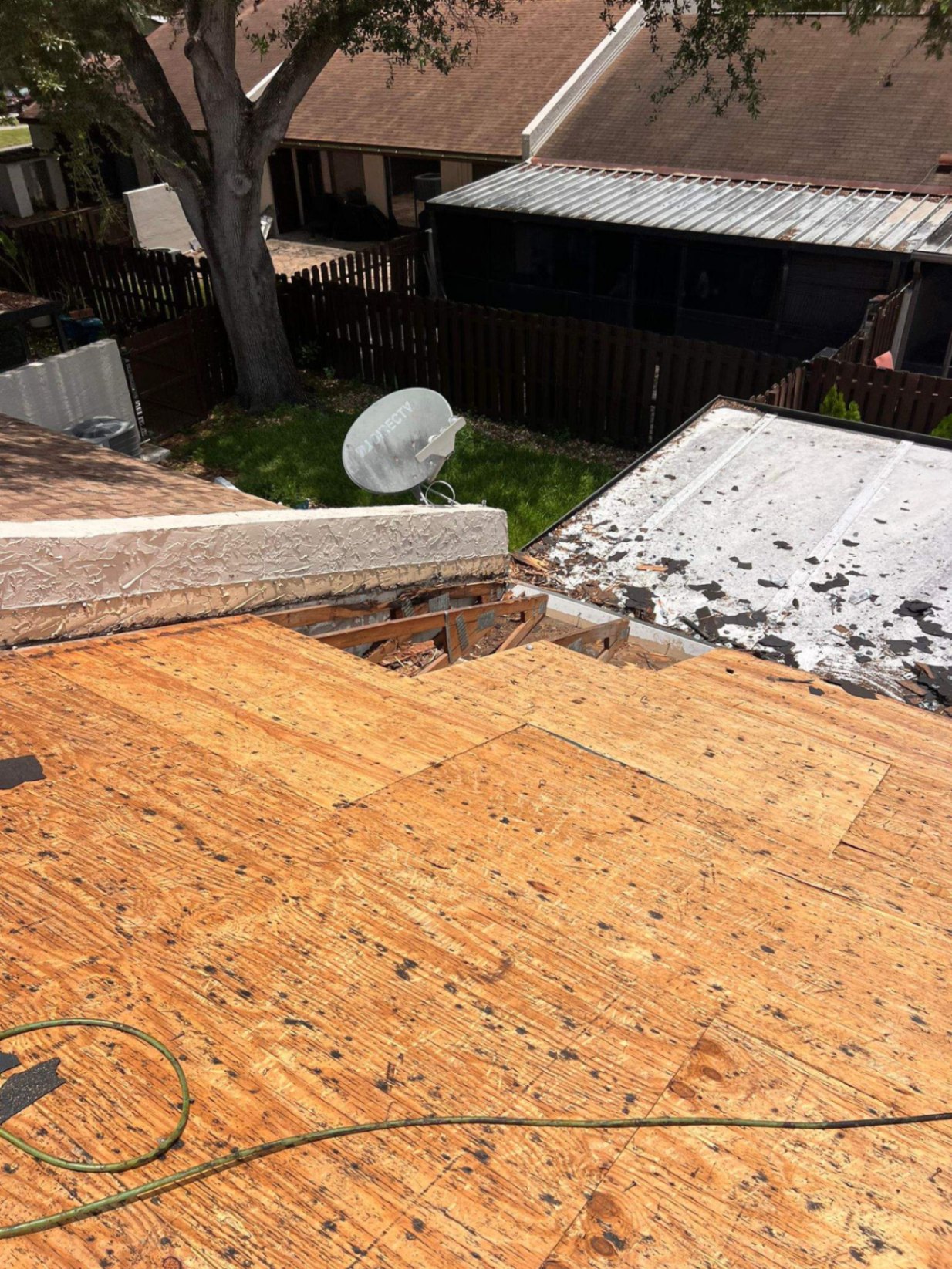
| Rotted plywood decking | $1,200 – $4,500+ | Square footage of deck replaced, structural repairs |
| Flat roof ponding and blister repair | $800 – $3,500 | Membrane type, drainage correction |
Two Miami-specific factors push costs above national averages. First, High-Velocity Hurricane Zone (HVHZ) product approvals limit which materials and fasteners can legally be installed, and approved assemblies cost more. Second, permitting and inspection are required for most work beyond cosmetic patching, and that time is real labor.
Why the Cheapest Quote Is Usually the Most Expensive One
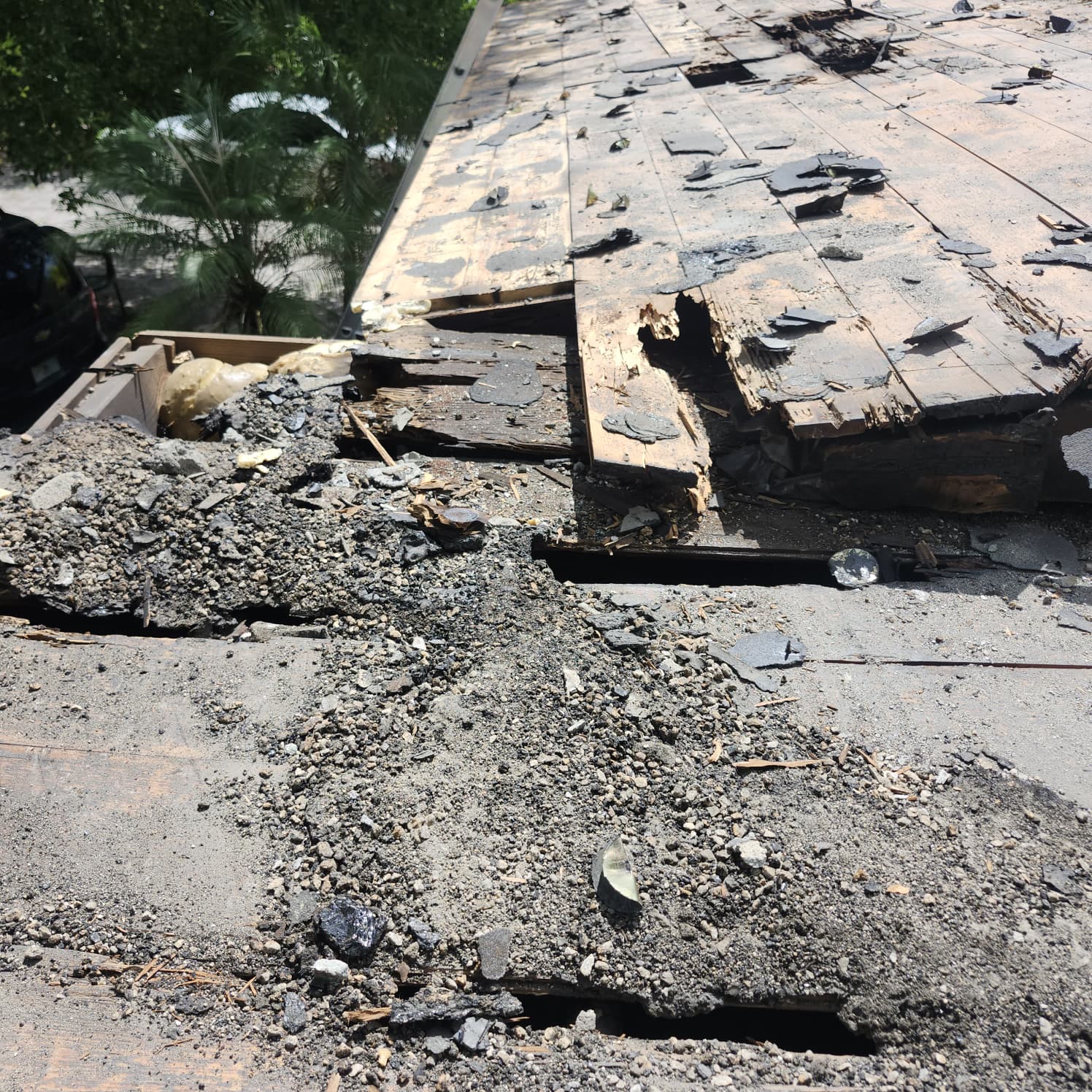
A $250 "seal and go" visit almost never addresses the underlying failure. Sealant applied over deteriorated flashing buys a dry season, not a fix, and the water keeps moving through the deck the entire time. When the leak reappears, the damaged area is larger, the plywood is softer, and the second repair costs more than the correct first repair would have. Ask any quote you receive to specify what is being removed, what underlayment is being installed, and whether a permit is being pulled.
Will Homeowners Insurance Cover My Roof Repair?
This is the second-most-asked question, and the answer follows one rule: insurance covers sudden, accidental damage from a covered peril; it does not cover wear, age, or deferred maintenance.
What Is Usually Covered
Wind damage from a named storm or thunderstorm, impact damage from flying debris or a fallen limb, and sudden water intrusion caused by that damage are generally covered events. Interior damage that results from the covered opening is typically covered as well, which is why documenting the ceiling, drywall, and contents matters as much as photographing the roof.
What Is Usually Denied
Granule loss from age, a roof past its expected service life, ponding on a flat roof caused by poor drainage, and leaks traced to prior improper repairs are almost always excluded as maintenance items. Many Florida carriers also apply a separate, higher hurricane deductible, and some now issue roof settlement on an actual-cash-value basis for older roofs, meaning depreciation is subtracted from the payout.
How to Protect Your Claim
Photograph everything before any tarp or repair goes on, keep the date-stamped originals, and request a written inspection report from a licensed contractor rather than relying only on the adjuster's summary. If your roof was already damaged and the storm made it worse, a documented pre-storm roof inspection is the single strongest piece of evidence you can hold. When the damage is active and water is entering during a storm, call for emergency roofing first — mitigation is your obligation under most policies, and a failure to mitigate can reduce a payout.
Repair or Replace? The Threshold Roofers Actually Use
Homeowners often expect a subjective opinion here. In Florida the decision is largely governed by code and arithmetic.
The 25 Percent Rule
Florida building code requires that when more than 25 percent of a roof section is repaired or replaced within any 12-month period, that entire section must be brought up to current code. In practice this often converts a large repair into a mandatory roof replacement, because the existing underlayment and fastening pattern will not meet today's HVHZ standards.
The Age and Frequency Test
Beyond code, three signals point toward replacement rather than another repair: the roof is within five years of the end of its expected service life, leaks are appearing in multiple unrelated locations, or the deck itself is soft over a meaningful area. A single isolated failure on a ten-year-old tile roof is a repair. Three failures in three different planes on a twenty-two-year-old shingle roof is a replacement being paid for in installments.
The Simple Math
If a repair costs more than roughly 30 percent of a replacement and the roof has less than a third of its service life remaining, replacement is the better financial decision. Below that threshold, a properly executed repair is almost always the right call.
How Long Does Roof Repair Take, and How Long Will It Last?
Timeline
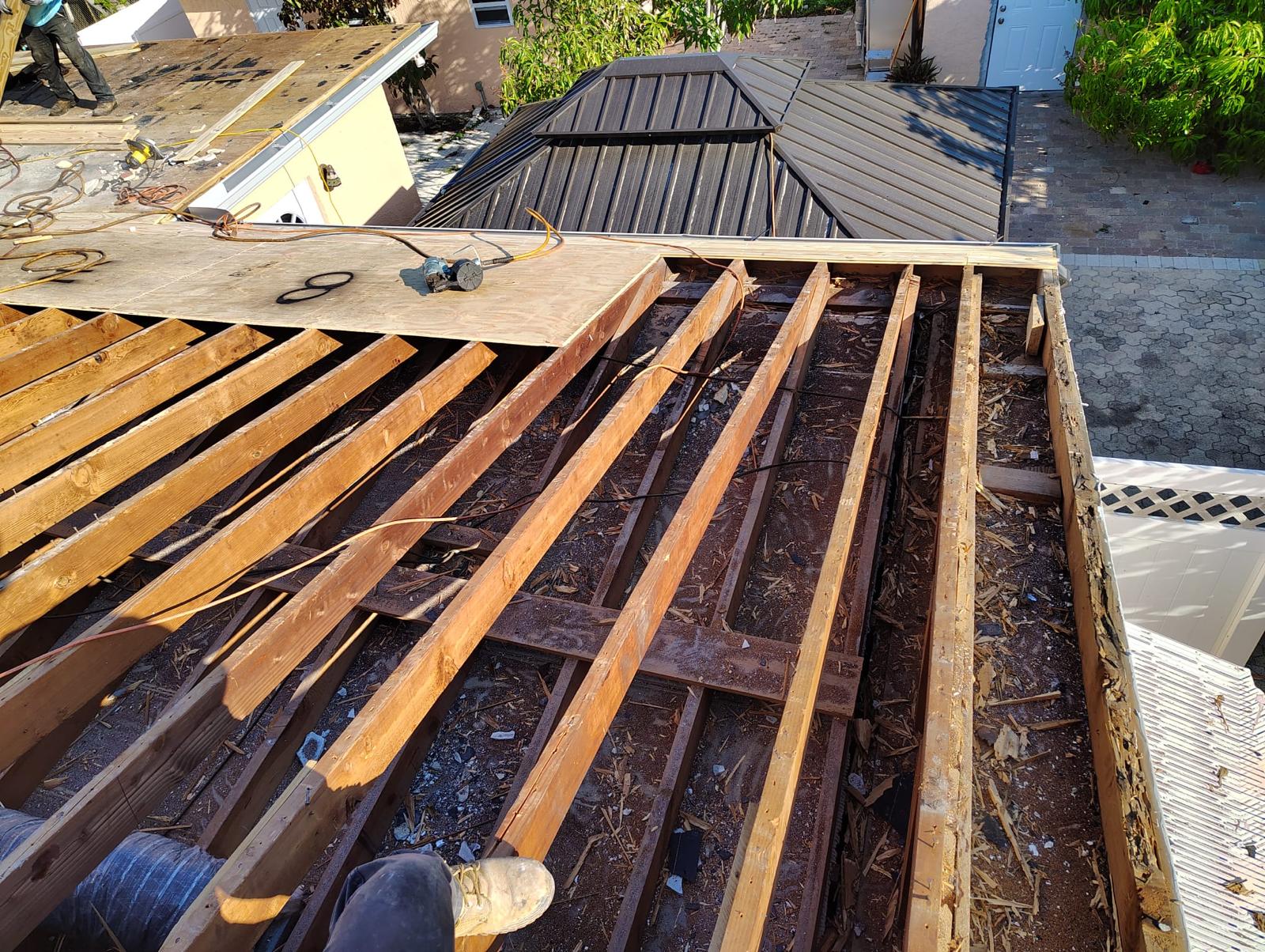
Most localized repairs — a pipe boot, a run of flashing, a set of cracked tiles — are completed in a single day. Valley rebuilds and deck replacement typically run two to three days. Permitting adds lead time before work begins, and afternoon storm windows during the wet season regularly compress the working day, which is why reputable contractors give you a range rather than a promise.
Expected Service Life of a Correct Repair
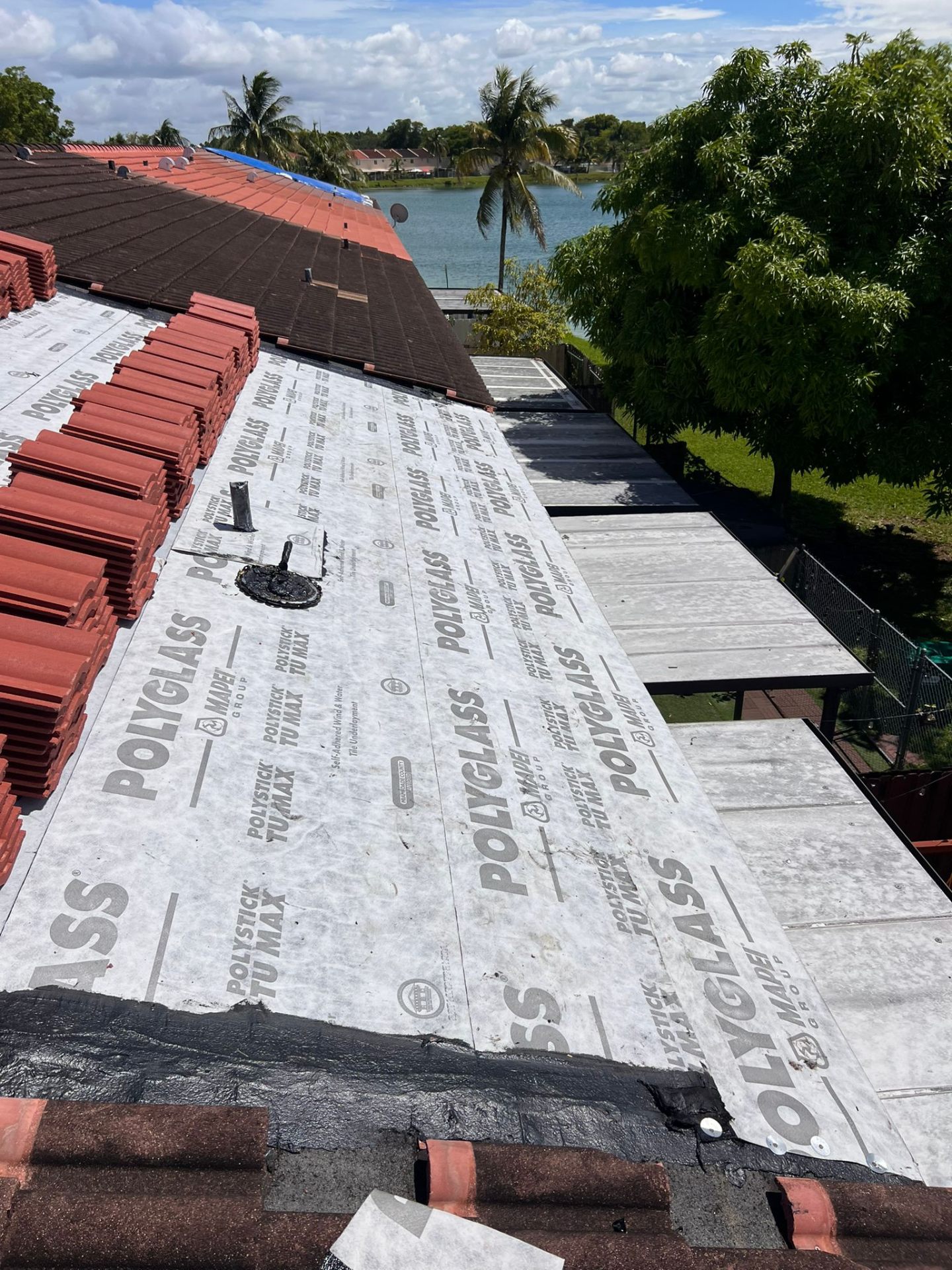
A repair executed to code with new self-adhering underlayment and approved fasteners should last as long as the surrounding roof does. That is the benchmark. If a contractor tells you a repair is good for "a couple of years," they are describing a patch, not a repair. Ask specifically whether the underlayment beneath the affected area is being replaced — that layer, not the tile or shingle, is what keeps water out of your house.
Questions Worth Asking Before You Hire
- Are you a state-certified roofing contractor, and can you provide your license number and certificate of insurance?
- Will you pull a Miami-Dade permit for this scope of work?
- Which HVHZ-approved products are you installing, and can you provide the product approval numbers?
- Is the underlayment being replaced in the repair area, or only the surface material?
- What does your workmanship warranty cover, and how long does it run?
- If you find rotted decking once the area is opened, what is the additional cost per sheet?
A contractor who answers all six in writing is quoting a repair. One who avoids them is quoting a patch.
Frequently Asked Questions
Can I get a roof repair done without a permit in Miami-Dade?
Strictly cosmetic work on a very small area may not require one, but most repairs involving underlayment, decking, or structural fasteners do. Unpermitted work can create problems at resale and can give an insurer grounds to question a future claim.
Does a new leak mean my previous repair failed?
Not necessarily. Water travels along rafters before it drops, and a new leak in the same room can originate from an entirely different point on the roof. A proper diagnostic traces the path back to the actual entry point rather than assuming the last repair gave out.
Should I repair my roof before selling my home?
Almost always yes. Florida buyers finance and insure against roof condition, and an active leak or a roof near end of life will either kill the deal or come off the price at a steeper discount than the repair costs.
How often should a Miami roof be inspected?
Once a year, plus after any named storm. Annual documentation also supports insurance claims and can qualify you for wind mitigation premium reductions.
Get a Straight Answer on Your Roof
If you have water coming in, a suspect stain on the ceiling, or a quote you are not sure about, the fastest path forward is an on-roof diagnostic from a licensed local contractor. PSR Roofing Company Of Miami provides written repair scopes, HVHZ-compliant assemblies, and permitted work across Miami-Dade.
Call (786) 889-4090 or schedule a roof repair assessment.
Visit us: 1811 NE 142nd St, Miami, FL 33181 — view on Google Maps
Need help with Emergency Roofing?
PSR Roofing is Miami's licensed & insured expert for emergency roofing. Free estimates, honest pricing, and 24/7 emergency response.