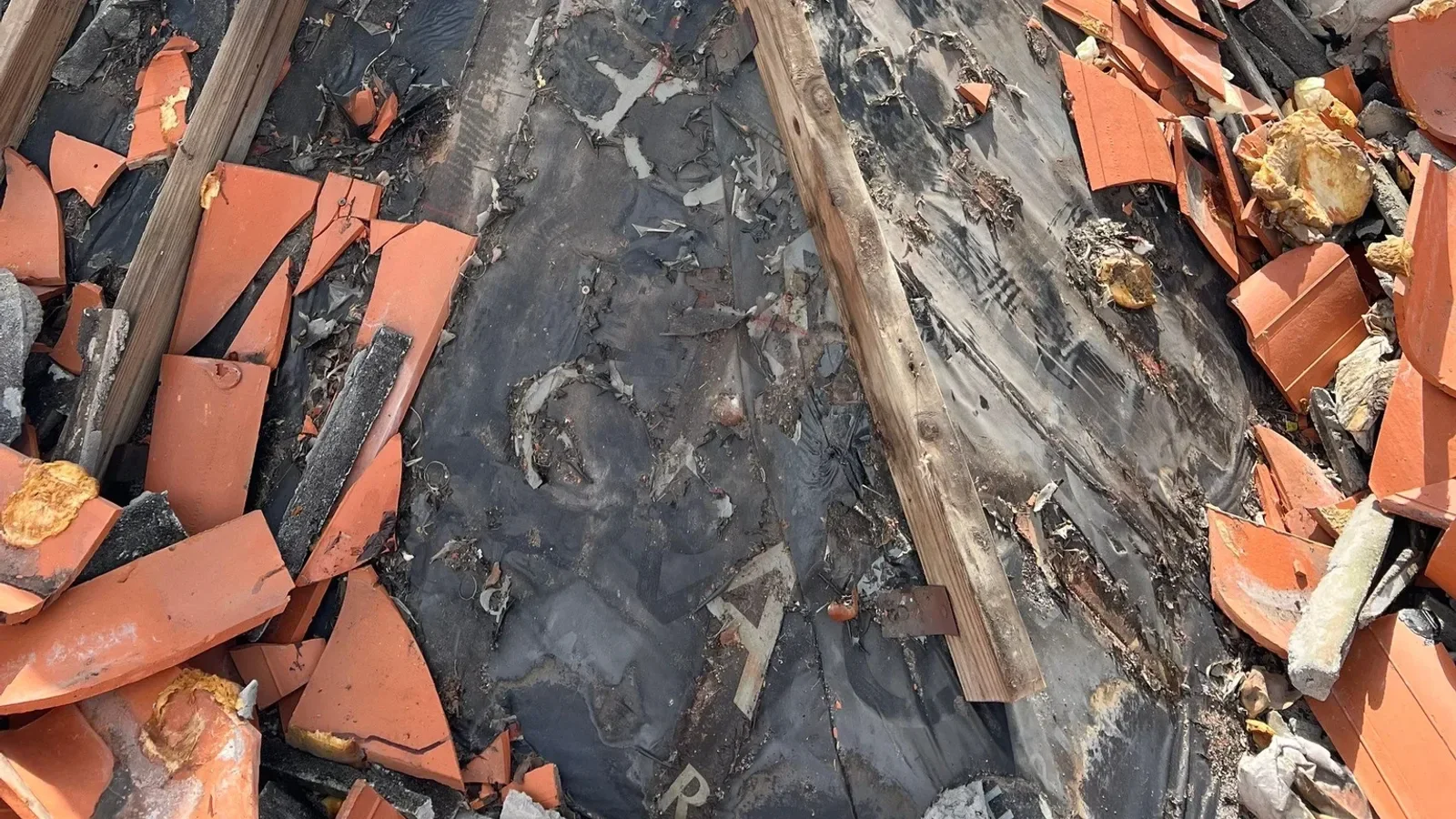
Emergency Roofing Services in North Miami: The Complete Guide to Post-Storm Tarping
Tropical storms, sudden summer squalls, and hurricanes are regular realities for homeowners in South Florida. When high winds rip away shingles or a fallen tree limb punctures your roof decking, the clock starts ticking immediately. Water pouring into your home can destroy drywall, ruin electrical systems, and encourage rapid mold growth within forty-eight hours. Securing immediate emergency roofing services in North Miami is your first and most critical line of defense to stabilize your home before permanent repairs can begin.
Why Delaying Your Storm Response Can Ruin Your Interior
The Cascade of Secondary Water Damage
A breached roof does not just affect the exterior of your home. Rainwater enters the attic space, saturating fiberglass insulation and rendering it useless. From there, the water pools on the top side of your ceiling drywall, leading to sagging, discoloration, and eventual collapse. This moisture migration path quickly reaches your living spaces, ruining flooring, furniture, and electronic equipment. Acting fast prevents a localized roof issue from expanding into an incredibly expensive interior restoration project.
The Rapid Onset of Indoor Mold Growth
North Miami has the perfect climate for mold: warmth, high humidity, and organic building materials like paper-faced drywall and wood framing. When water enters through a damaged roof, mold spores can activate and colonize surfaces in as little as twenty-four to forty-eight hours. Once mold takes hold inside your walls and ceilings, remediation becomes far more complex and intrusive than simply drying out the structure. Utilizing professional emergency roofing response teams helps stop this humidity spike before mold can establish a foothold.
Impact on Insurance Claims and Owner Obligations
Standard homeowner insurance policies include a "mitigation clause" that requires the property owner to take reasonable, immediate action to prevent further damage after a loss. If a storm damages your roof and you leave the opening exposed for several days, your insurance carrier may deny coverage for the subsequent interior water damage. Documenting the damage and calling a professional roofing contractor to apply a temporary tarp satisfies this mitigation requirement, protecting both your home and your financial claim.
The Anatomy of a Professional Post-Storm Tarping Job
Why Blue Tarps Are Not All Created Equal
The thin, lightweight blue tarps sold at local home improvement centers are designed for light-duty garden use, not for resisting high winds on a sloped roof. Professional storm mitigation relies on heavy-duty, woven polyethylene tarps that are UV-resistant, waterproof, and thick enough to withstand debris impacts. These industrial-grade covers are designed to remain intact for weeks, providing a secure weather barrier while permanent repair plans are finalized with your insurance adjuster.
The Danger of Using Sandbags Instead of Wood Furring Strips
A common mistake in DIY tarping is weighing down the edges with sandbags, bricks, or concrete blocks. High winds can easily get under the tarp, lifting it and dragging these heavy objects across your roof, which destroys remaining shingles and creates a severe falling hazard. Professional technicians from PSR Roofing Company of Miami secure tarps using wooden furring strips. These strips are screwed down along the perimeter of the tarp, tensioning the material flat against the roof deck so wind cannot catch the edges.
How We Protect the Integrity of Undamaged Shingles
Securing a tarp requires fastening wood strips to the roof, but a skilled roofing company knows how to do this without causing unnecessary damage to unaffected areas. Technicians strategically place fasteners in areas that will ultimately require repair anyway, or they use specialized ridge-wrap techniques that do not pierce undamaged shingles. Screws are driven in at angles that prevent water from tracking down the shank of the fastener, preserving the integrity of the dry sections of your roof.
A Comparison of Temporary Tarping vs. Shrink Wrapping
When you need emergency roof repair to secure your home, you will typically choose between traditional heavy-duty tarping and thermal shrink wrapping. Each method has distinct characteristics depending on your roof style and the expected wait time for permanent repairs.
| Feature / Metric | Heavy-Duty Tarping | Thermal Shrink Wrapping | |||
|---|---|---|---|---|---|
| Primary Material | Woven polyethylene with reinforced edges | Thick, specialized polymer plastic membrane | Securing Method | Wooden furring strips and exterior screws | Heat-shrunk to fit, using minimal mechanical fasteners |
| Wind Resistance | Moderate to high (depends on installation quality) | Extremely high (conforms tightly to the roof shape) | |||
| Ideal Roof Types | Sloped shingle roofs, tile roofs | Flat roofs, commercial properties, complex low-slope areas | |||
| Estimated Lifespan | Typically 30 to 90 days | Can last up to 1 year under UV exposure |
Crucial Steps to Take Immediately After Storm Damage
1. Prioritize Physical Safety Above All Else
Never walk outside during a storm to inspect your roof, and do not step onto your roof deck immediately after a storm has passed. Wet shingles, loose tiles, and compromised roof decking are incredibly slippery and unstable. Additionally, fallen power lines may be in contact with your gutters or wet branches touching your home. Wait until the storm has completely cleared and verify that there are no active electrical hazards around your property before stepping outside.
2. Document Everything from the Ground
Before any emergency tarp is installed, take clear, high-resolution photographs and videos of the damage from a safe distance on the ground. Capture torn shingles, exposed underlayment, damaged metal flashing, and any fallen tree limbs. If water is leaking inside, photograph the ceiling stains, dripping water, and saturated drywall. This visual evidence is invaluable for your insurance claim, showing the adjuster the exact state of the home immediately after the incident.
3. Contact a Licensed Roofing Contractor
Call an established, local roofing company like PSR Roofing Company of Miami to dispatch an emergency crew. Avoid out-of-state storm chasers who knock on doors offering quick fixes; these operators often disappear before permanent repairs can be completed or fail to pull required permits. A local contractor understands North Miami building codes, carries the proper general liability and workers' compensation insurance, and will be there to stand behind their work long after the storm season ends.
4. Notify Your Homeowners Insurance Carrier
Open a claim with your insurance company as soon as you have confirmed that your property has sustained damage. Provide them with your initial ground-level photographs and inform them that you are having a licensed professional install a temporary tarp to mitigate further water damage. Keep all receipts, digital invoices, and work orders provided by your roofing technician, as these expenses are typically reimbursable under your policy's dwelling coverage.
Evaluating Your Roof After the Tarp is Secure
The Visual Assessment of Structural Framing
Once the immediate water intrusion is stopped by a temporary barrier, a comprehensive assessment must be performed. A technician will inspect your attic space to check the rafters, trusses, and roof sheathing for structural cracking, sagging, or snapping. If a heavy tree limb has impacted the structure, temporary bracing may be required inside the attic to support the weight of the roof until permanent framing repairs can be executed.
Assessing Underlayment and Flashing Damage
While missing shingles are easy to spot, the real water barrier of your roof is the underlayment beneath them. If the storm winds have torn or worn away this layer, your roof is highly vulnerable. Technicians also evaluate the metal flashing around chimneys, dormers, valleys, and vent pipes, as these metal joints are frequently twisted or pried loose by strong wind gusts, creating slow leaks that are hard to detect from the ground.
Determining if You Need a Repair or a Full Replacement
A critical decision after storm damage is whether to perform a targeted repair or plan for a complete roof replacement. If the damage is confined to a single slope and the rest of the roof is relatively new and in good condition, a localized repair is often the most sensible approach. However, if your roof is close to the end of its natural lifespan, or if wind has compromised more than twenty-five percent of the total roof surface, Florida building codes may require a full replacement. Your local roofing contractor can guide you through this determination based on local North Miami code enforcement guidelines.
Why Emergency Roof DIY is Highly Discouraged
The Risk of Catastrophic Falls on Wet Surfaces
Walking on a damaged, wet roof is one of the most hazardous tasks a homeowner can attempt. Steep pitches, loose debris, algae growth, and wet surfaces create an environment where a single slip can result in severe injury. Professional roofers use specialized safety harnesses, anchor points, and high-traction footwear designed specifically for working on pitched roofs in damp conditions.
Accidentally Voiding Manufacturer Warranties
Modern roofing materials come with extensive manufacturer warranties, but these agreements almost always require installation and repairs to be performed by licensed professionals. If a homeowner attempts a DIY repair or uses incorrect fasteners, adhesives, or techniques, the manufacturer may void the warranty on the entire roof. This leaves you financially responsible for any future material failures or defects.
Creating Worse Leaks with Incorrect Fastening
When inexperienced individuals attempt to secure tarps, they often drive nails or screws directly through shingles in areas that are not leaking. This creates dozens of new entry points for water. When the tarp eventually shifts or is removed, these newly created holes will leak during the next rain shower. Professionals know how to secure temporary barriers using fastening schedules that isolate penetrations to areas that are already scheduled for replacement.
Frequently Asked Questions About Emergency Roofing
How long can an emergency tarp remain on my roof?
An industrial-grade, professionally installed tarp can easily protect your home for thirty to ninety days. This provides ample time to resolve your insurance claim, select your permanent roofing materials, and schedule your permanent roof repair with a licensed contractor. It is not recommended to leave a temporary tarp in place for more than a few months, as UV exposure will eventually degrade the plastic material.
Will my homeowners insurance cover the cost of emergency tarping?
Yes, most standard homeowners insurance policies cover the cost of emergency tarping and temporary mitigation under their "reasonable repairs" or "mitigation of damage" provisions. Because you are contractually obligated to prevent further damage to your home, insurance companies encourage and reimburse professional tarping services. Ensure you keep all detailed invoices and photo documentation to submit with your claim.
Can you install a tarp on a tile roof?
Yes, but installing a tarp on a clay or concrete tile roof requires specialized techniques. Walking directly on roof tiles can easily crack them, compounding the existing damage. Professional roofing crews use walkboards to distribute weight evenly and secure the tarp using sandbag arrays or specialized tie-downs anchored to the fascia boards, minimizing direct fastening through the tiles themselves.
What should I do if my tarp starts leaking after installation?
If you notice water dripping inside your home after a tarp has been installed, contact your emergency roofing contractor immediately. High winds from subsequent storms can occasionally shift a tarp or tear the material. Do not attempt to climb onto the roof to adjust the tarp yourself, especially during active rain or wind.
Protect Your North Miami Home Today
When storm damage strikes your property, every minute you wait allows water to do more damage to your ceilings, walls, and personal belongings. For rapid, professional protection that keeps your home dry and secures your insurance claim, schedule your emergency roofing services today with the local experts at PSR Roofing Company of Miami.
Need help with Emergency Roofing?
PSR Roofing is Miami's licensed & insured expert for emergency roofing. Free estimates, honest pricing, and 24/7 emergency response.