
Emergency Roofing Services in North Miami: What to Do When Your Roof Can't Wait
A sudden storm rolls through North Miami, and within minutes you have water dripping through your ceiling, a tree limb punching through your shingles, or a section of flashing torn loose by wind. None of that can wait until Monday morning. Knowing what qualifies as a genuine roofing emergency, what steps to take immediately, and what a professional crew will actually do when they arrive can make the difference between a manageable repair and a catastrophic loss.
What Counts as a Roofing Emergency?
Active Leaks and Interior Water Damage
Water moving through a roof breach doesn't stay in one place. It follows framing, insulation, and drywall until it finds somewhere to pool. A small entry point can saturate attic insulation, soak ceiling drywall, and reach electrical components faster than most homeowners expect. If water is actively entering your living space, that is an emergency regardless of how minor the visible damage looks from outside.
Structural Damage from Wind or Impact
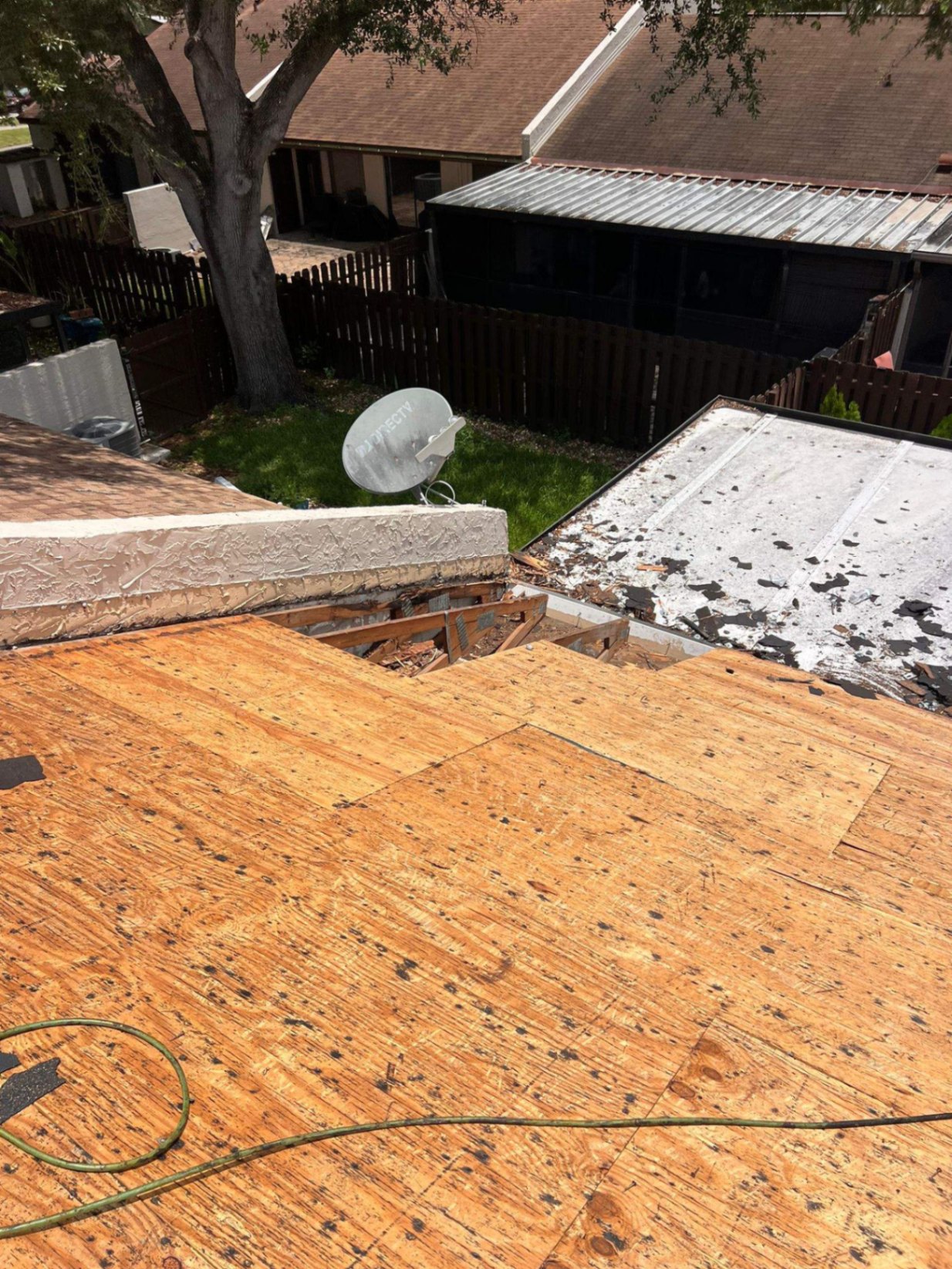
South Florida wind events, including the outer bands of tropical systems, can lift entire sections of roofing membrane, snap ridge caps, or drive debris through the roof deck. When structural integrity is compromised, the roof can no longer do its primary job: keeping the weather out and supporting the loads above your home. A partially detached roof section that looks stable can fail further with the next gust.
Fallen Trees and Large Debris
A tree limb or full trunk resting on a roof creates immediate risk on two fronts. The weight stresses the decking and rafters below, and the puncture or displacement of roofing material exposes the interior to rain. Even if the tree appears to be "just sitting" on the surface, the underlying damage is rarely as minor as it looks from the ground.
The First 30 Minutes After Roof Damage: Your Action Plan
Prioritize Safety Before Anything Else
Resist the instinct to climb up and assess the damage yourself. Wet roofing surfaces, compromised decking, and downed branches create fall hazards that injure people every storm season in Miami-Dade County. If there is any possibility of downed power lines nearby, keep everyone well clear and call your utility provider. Stay out of rooms where the ceiling is visibly sagging or where water is pooling directly below a damaged area.
Contain the Interior Damage
Place buckets or bins under active drips. Lay down plastic sheeting or tarps on flooring and over furniture. Move electronics, documents, and valuables away from the affected area. These steps won't stop the water, but they reduce secondary damage while you wait for professional help. Take photos and short videos of everything, including the ceiling, walls, and any standing water, before you move or cover anything. Your insurance adjuster will need that documentation.
Call a Licensed Roofing Contractor Immediately
This is the step many homeowners delay, sometimes because they assume they need to file an insurance claim first. You don't. A licensed contractor can deploy emergency tarping to stop active water intrusion, then help you document the damage for your claim. PSR Roofing Company of Miami responds to emergency calls in North Miami and the surrounding area specifically because delay compounds the damage and the cost. contact PSR Roofing for emergency help as soon as it is safe to do so.
What Emergency Tarping Actually Does (and Doesn't Do)
How Professional Tarping Works
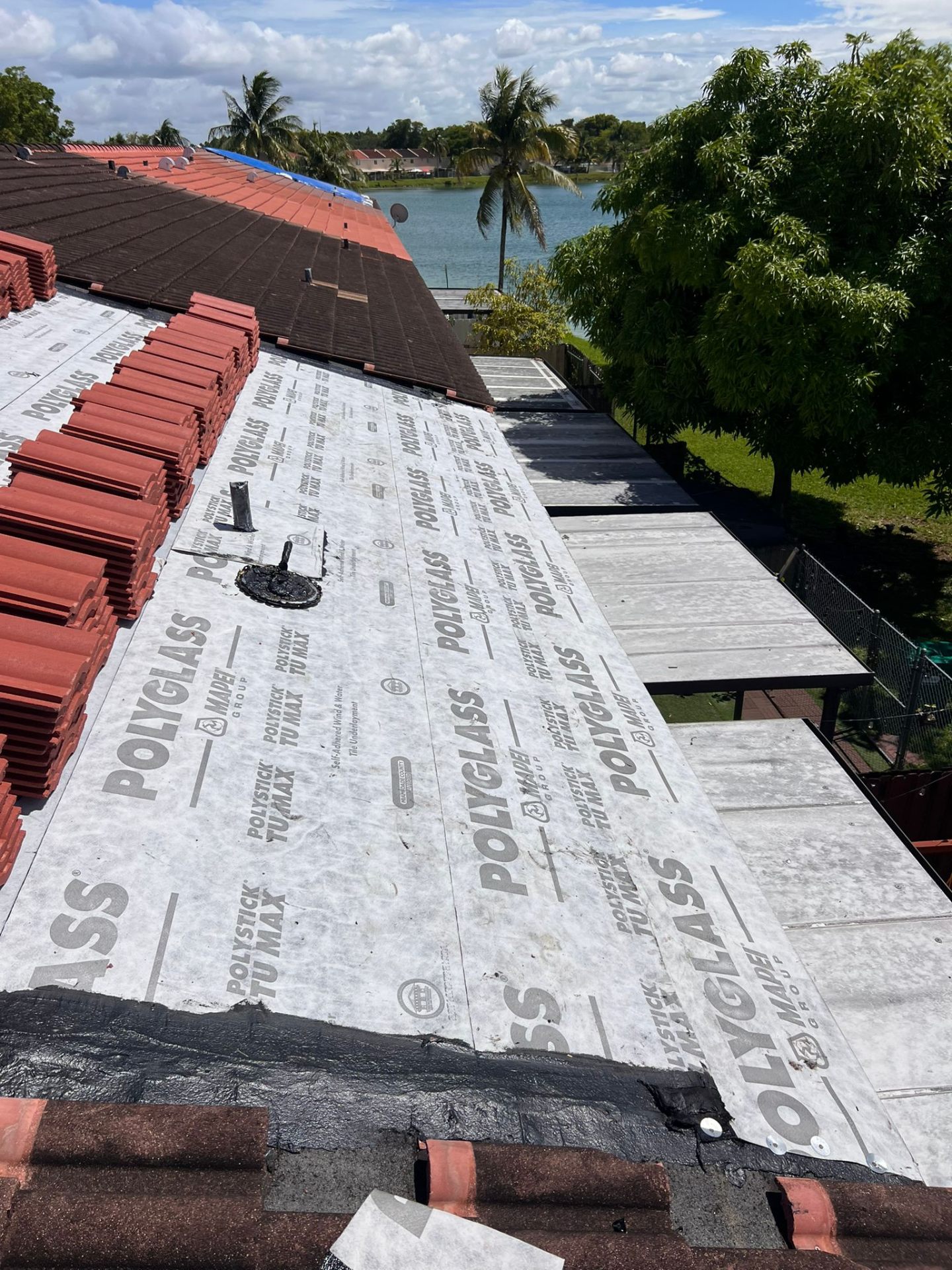
Emergency tarping is not the same as throwing a blue tarp over a hole. A professional crew secures heavy-duty polyethylene sheeting across the damaged section, running it past the ridge line where possible and fastening it in a way that resists wind uplift. The goal is to create a watertight barrier that protects the interior until permanent repairs can be scheduled. Done correctly, it can hold through additional rain events and give you time to work through the insurance process without further damage accumulating.
The Limitations You Should Understand
Tarping is a temporary measure, not a repair. It does not restore the structural integrity of damaged decking or framing. It can shift or fail in extreme wind conditions. A reputable contractor will be upfront about this: the tarp buys you time, and permanent repair or replacement should follow as soon as the weather and the claims process allow. Any contractor who presents emergency tarping as a long-term fix is not giving you accurate information.
When Tarping Isn't Enough
Some damage is too extensive or too structurally compromised for tarping to be an effective interim solution. A large section of missing roof deck, a collapse affecting the framing below, or multiple simultaneous breaches may require a more immediate partial repair rather than a tarp. An experienced crew will assess on arrival and give you an honest recommendation.
Roofing Emergencies Are More Common in Miami Than Most Cities
The South Florida Storm Environment
North Miami sits in one of the most active severe-weather corridors in the country. The combination of Atlantic hurricane season, regular afternoon thunderstorms with high wind gusts, and occasional tornado watches means roofs here face stress that roofs in most other regions simply don't. That's not a scare tactic; it's the reality that shapes how PSR Roofing Company of Miami approaches both installation and emergency response. Roofs in this market need to be built and maintained to a higher standard, and when they fail, the response has to be fast.
How Florida's Building Code Affects Emergency Repairs
Florida has some of the most stringent residential roofing codes in the country, particularly in Miami-Dade County, which has its own product approval requirements on top of the Florida Building Code. Emergency repairs still need to comply with applicable standards. Requirements vary by scope and permit type, so always confirm with your contractor and local building department what permits apply to your specific situation. A licensed contractor will navigate that process; an unlicensed one may leave you with work that fails inspection or voids your insurance coverage.
Insurance Considerations Specific to the Region
Homeowners insurance in South Florida often includes specific provisions around wind damage, hurricane deductibles, and documentation requirements. Calling a licensed contractor who can provide a written damage assessment and photo documentation gives your adjuster the evidence needed to process your claim accurately. Keep copies of everything: the contractor's written scope, photos taken before any tarping or repair work, and any receipts for emergency mitigation you paid out of pocket.
Comparing Your Options When Disaster Strikes
When you're in the middle of a roofing emergency, it's easy to accept the first call-back you get. The table below outlines what separates a reliable emergency roofing response from one that may leave you worse off.
| Factor | What to Look For | Red Flag |
|---|---|---|
| Licensing | Florida-licensed roofing contractor, verifiable online | Cannot provide license number on request |
| Insurance | General liability and workers' comp certificates available | Verbal assurances only, no documentation |
| Written estimate | Itemized scope of emergency work before starting | Verbal quote only, pressure to sign immediately |
| Permit knowledge | Can explain what permits apply and who pulls them | Dismisses permits as unnecessary for "small" jobs |
| Documentation | Provides photos and written damage report for insurance | No written record of damage scope |
| Follow-through | Clear path from emergency tarp to permanent repair | Disappears after initial emergency visit |
The PSR Roofing Emergency Response Process
Initial Assessment and Stabilization
When a PSR Roofing Company of Miami crew arrives at a North Miami property, the first priority is a safe, thorough assessment of the damage. That means getting eyes on the full roof surface, not just the obvious breach. Damage from wind and impact often extends beyond the visible entry point, and missing secondary damage during an emergency visit leads to callbacks and continued interior problems. Once the scope is clear, the crew stabilizes the situation, typically with professional-grade emergency tarping, and documents everything in writing and photos.
From Emergency to Permanent Repair
Emergency response is the beginning of the process, not the end. After stabilization, PSR Roofing provides a detailed written assessment that covers both the immediate damage and any related issues identified during the inspection. That documentation supports your insurance claim and forms the basis of the permanent repair or replacement scope. The goal is a seamless handoff from emergency mitigation to a lasting fix, without the homeowner having to start over with a different contractor. If a full roof repair in Miami or replacement is warranted, that conversation happens with full transparency about scope, materials, and timeline.
Communication Throughout the Process
One of the most common frustrations homeowners describe after a roofing emergency is not knowing what is happening or when. PSR Roofing keeps clients informed at each stage: when the crew is en route, what was found on arrival, what was done, and what comes next. In a high-stress situation, clear communication isn't a courtesy; it's part of doing the job right.
Preventing the Next Emergency: Maintenance That Actually Matters
Regular Roof Inspections
Most roofing emergencies in North Miami don't appear without warning. Cracked or missing shingles, deteriorating flashing around penetrations, clogged gutters that force water back under the roofline, and aging sealants around vents and skylights all give advance notice before they become acute failures. A professional roof inspection once or twice a year, and always after a significant storm, catches these conditions while they're still inexpensive to address. Waiting until water is coming through the ceiling turns a minor repair into a major one.
Gutter Maintenance and Its Role in Roof Health
Gutters that are clogged, sagging, or improperly pitched don't just cause landscape erosion; they allow water to back up under roof edges and penetrate the fascia and decking. In Miami's high-rainfall environment, functional gutters are part of the roof system, not an afterthought. Keeping them clear and properly secured is one of the most cost-effective things a homeowner can do to extend roof life and reduce emergency risk.
Knowing Your Roof's Age and Condition
Different roofing materials have different service lives, and South Florida's UV intensity, heat, and storm exposure accelerate aging compared to more temperate climates. Knowing approximately how old your roof is and what material it uses helps you anticipate when it will need attention. A roof approaching the end of its expected service life that takes a direct hit from a storm is a much higher emergency risk than a newer, well-maintained one. Proactive replacement planning is almost always less disruptive and less costly than an emergency-driven one.
Frequently Asked Questions About Emergency Roofing Services
How quickly can a roofing contractor respond to an emergency in North Miami?
Response time varies by contractor and how many simultaneous calls are coming in after a widespread storm event. PSR Roofing Company of Miami prioritizes emergency calls and aims to respond as quickly as conditions safely allow. Calling immediately after damage occurs, rather than waiting to see if the weather improves, generally gets you the fastest response.
Will my homeowner's insurance cover emergency roof repairs?
Most standard homeowner's policies cover sudden, accidental damage from wind, hail, and falling objects, subject to your deductible and policy terms. Coverage for damage resulting from lack of maintenance or gradual deterioration is typically excluded. Your contractor's written damage assessment and photos are critical to a successful claim. Review your policy and contact your insurer promptly after any significant damage event.
Is it safe to stay in my home after roof damage?
It depends on the extent of the damage. A small, localized breach that has been temporarily tarped may allow you to remain in most of the home while avoiding the affected area. Structural damage, large open sections, or any situation involving electrical exposure warrants evacuation of at least the affected portion of the home. When in doubt, err on the side of caution and consult your contractor on arrival.
Can I do any emergency repairs myself?
Light interior mitigation, such as placing buckets, laying down tarps over furniture, and taking documentation photos, is appropriate and helpful. Climbing onto a damaged, wet roof is not. The risk of falls from a compromised surface is significant, and improper temporary repairs can actually complicate the professional repair process or affect your insurance claim. Leave the roof surface work to a licensed crew.
What if the damage happens during an active storm?
Call a contractor as soon as it is safe to do so, even if that's while the storm is still ongoing. Most professional roofing companies will queue your call and respond as soon as conditions allow safe work on the roof. Getting in the queue early matters, especially after major storm events when demand for emergency services spikes across the entire region.
How do I know if I need a repair or a full roof replacement after an emergency?
That determination depends on the age of the roof, the extent of the damage, and the condition of the surrounding roofing system. A localized impact on a relatively new, otherwise sound roof may be fully addressed with targeted repair. Widespread wind damage on an aging roof may make replacement the more practical and economical long-term choice. A thorough on-site assessment by a licensed contractor is the only reliable way to answer that question for your specific situation.
Conclusion
When a roofing emergency hits your North Miami home, the decisions you make in the first hour matter more than most homeowners realize. Stay safe, document everything, contain interior damage where you can, and get a licensed contractor on the phone. PSR Roofing Company of Miami is ready to respond when you need it most. Schedule your emergency roofing assessment today and get a professional on-site before the next rain event turns a manageable problem into a major one.
Need help with Emergency Roofing?
PSR Roofing is Miami's licensed & insured expert for emergency roofing. Free estimates, honest pricing, and 24/7 emergency response.